


Antique Wooden Wall Unit
These antique wooden wall unit pieces bring practical storage and period character to a room, offering clever ways to display books, porcelain and small treasures.
Antique Wooden Wall Unit
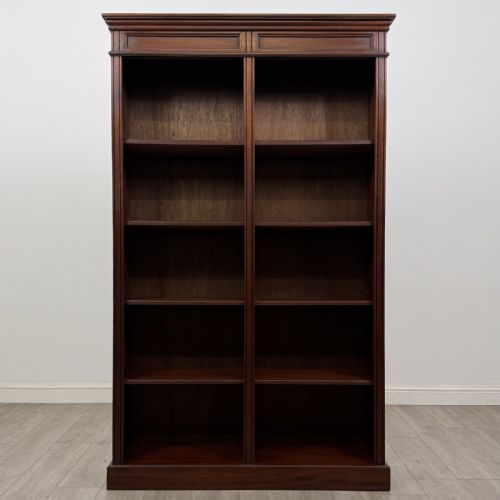
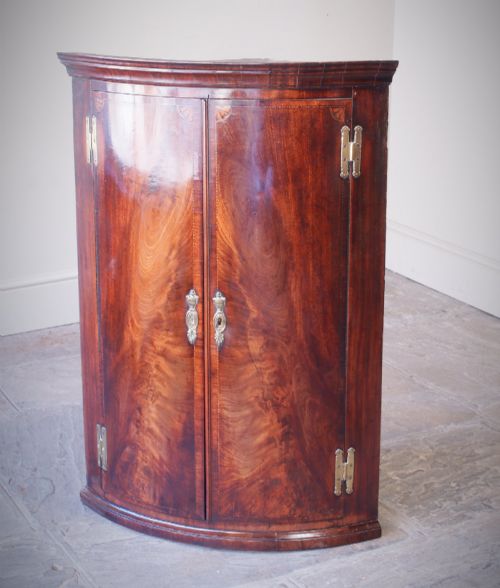
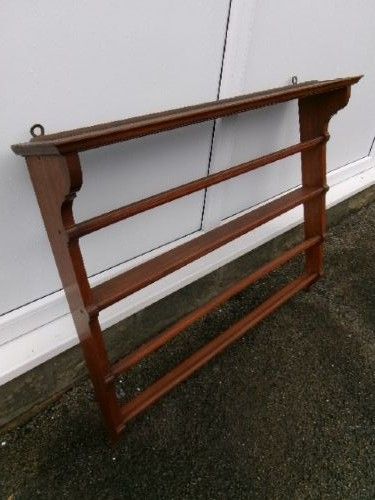
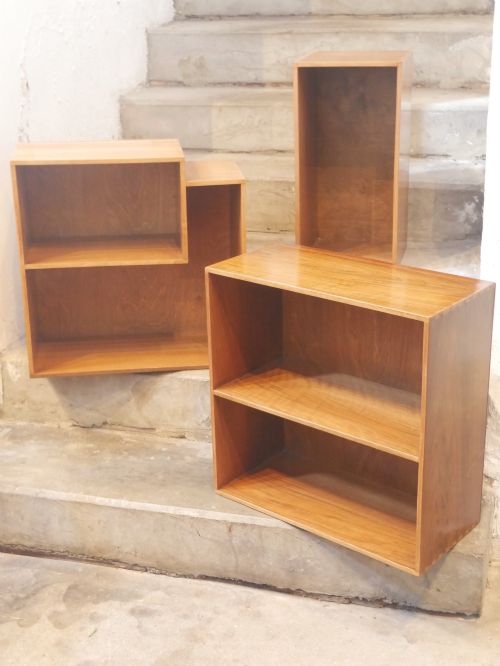
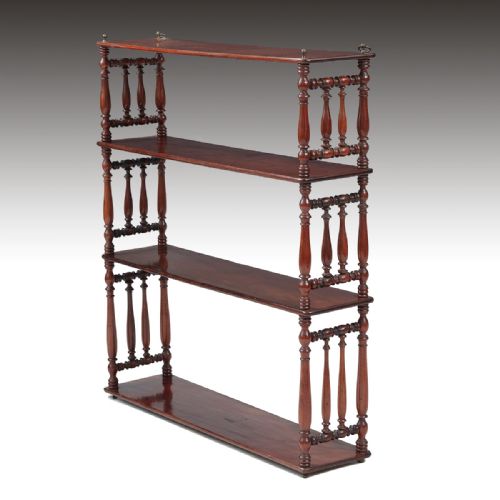
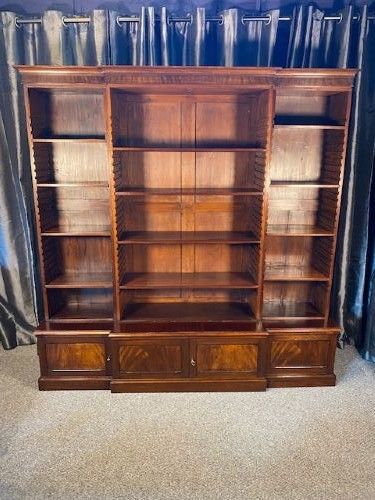
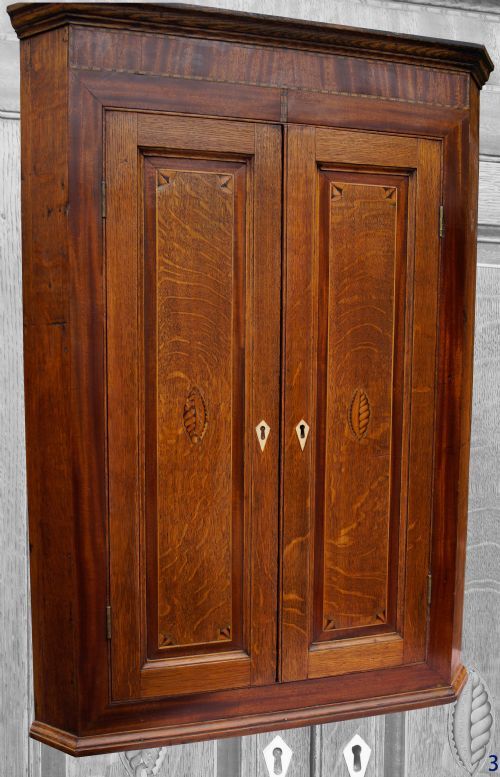
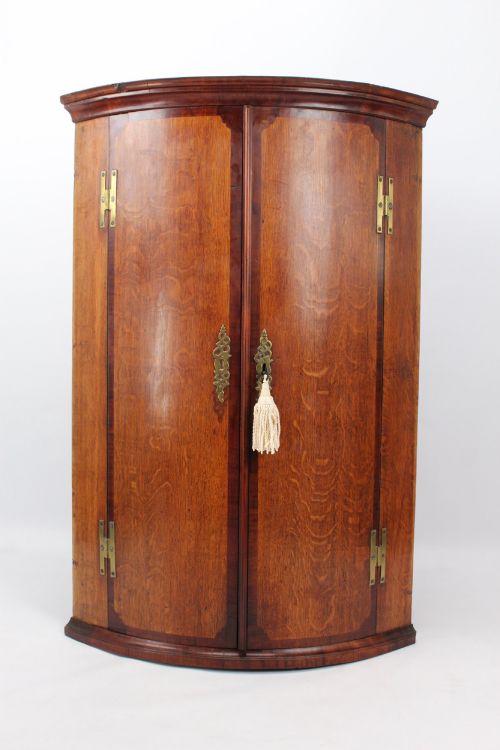
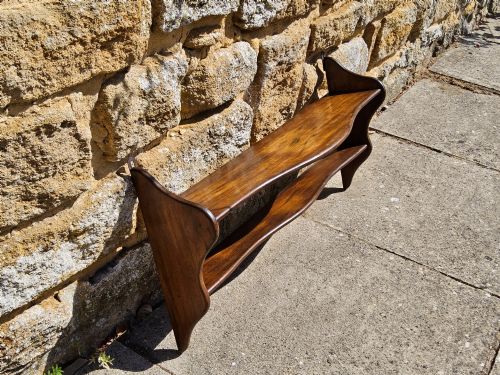
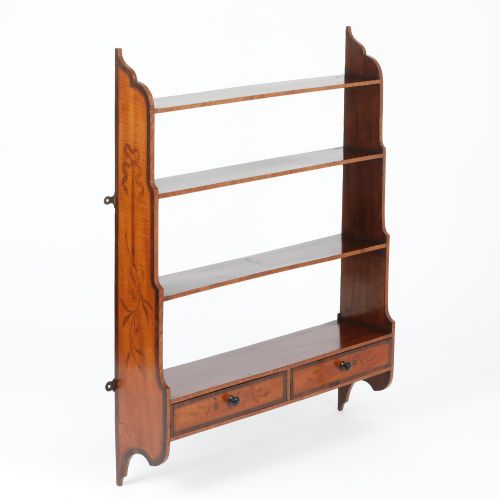
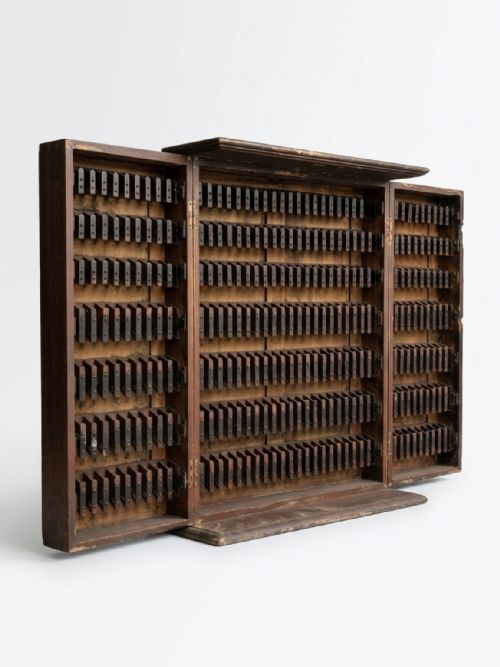
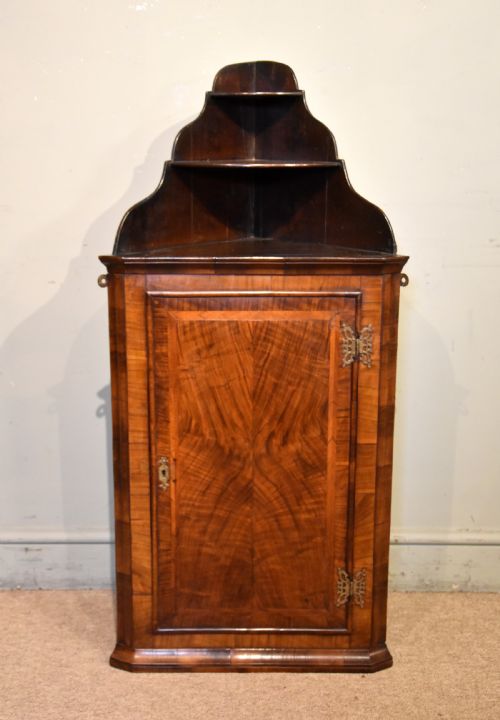
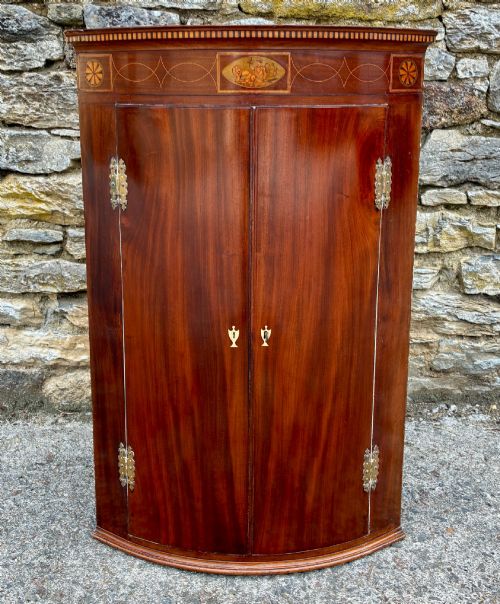
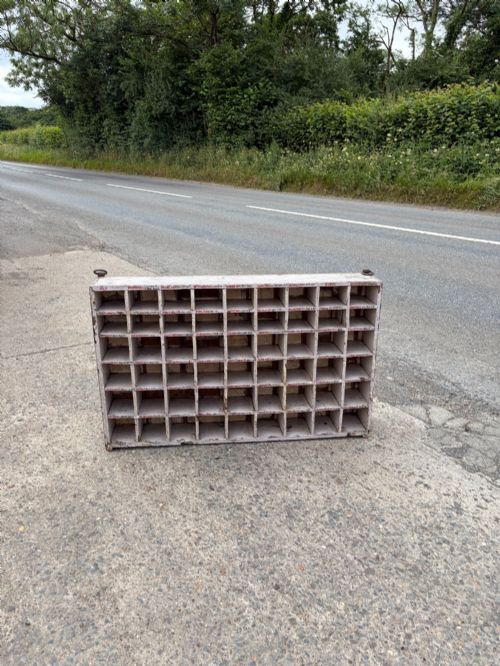
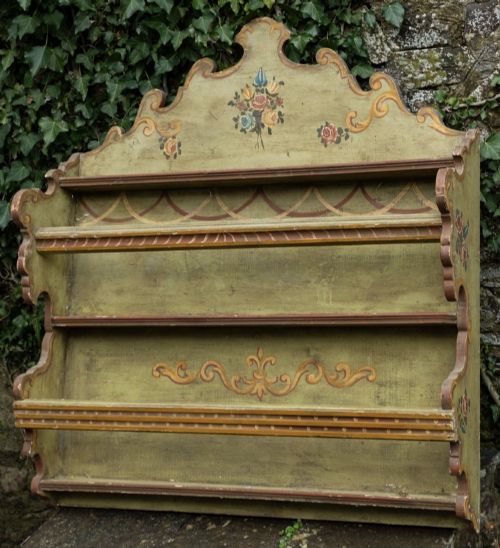
An antique wooden wall unit spans a diverse assortment of hanging shelves, corner cupboards, bookcases, and wall cabinets designed to maximise space. These pieces range from compact plate racks and pigeon holes to larger hanging shelf systems and corner cabinets.
The selection draws heavily upon 18th century, Georgian, Regency, and Victorian periods, alongside later Arts and Crafts and Edwardian examples. Buyers frequently encounter oak, mahogany, and pine constructions originating from English, French, and Welsh workshops.
Corner cupboards and hanging shelves dominate the early periods, while adjustable bookcases and multi-tier wall cabinets emerge in the later nineteenth and early twentieth centuries. Each form reflects the domestic storage needs of its respective era, from rural country kitchens to formal drawing rooms.
Materials and construction
Cabinet makers relied predominantly on solid hardwoods like oak, walnut, and mahogany, alongside utilitarian softwoods such as pine. Flame mahogany veneer and satinwood added decorative contrast to finer surfaces, while olive wood and limewood appeared in specific regional or decorative pieces.
Structural integrity relied on traditional joinery, complemented by brass hinges, iron brackets, and glass doors where appropriate. Many pieces incorporated hand-painted finishes, inlaid details, or moulded cornices such as broken arch pediments to elevate their visual appeal.
Antique Wooden Wall Unit Retail Price Guide 2026
Typical asking prices for wooden wall unit among the pieces listed under this phrase on Sellingantiques today, from the lower quarter to the upper quarter. They describe what is for sale here now, not the wider market.
Listings feature woods spanning oak, mahogany, walnut, pine, limewood, olive wood, and satinwood.
Distinguishing quality
Quality rests in the selection of timber and the precision of the cabinet maker's joinery. Superior examples display carefully matched grain patterns, intact original veneers, and well-proportioned mouldings that demonstrate genuine period craftsmanship.
The sophistication of decorative elements, from fine inlay work to hand-painted surfaces, separates standard utility pieces from exceptional commissions. Preservation of original brass hardware and untouched structural timber further elevates the standing of any given piece.
The Antique Wooden Wall Unit Glossary
- Bow front
- A convex curved cabinet front that projects outward from the corners. This rounded profile was particularly popular on Georgian and Regency corner cupboards.
- Pediment
- The decorative gable or crowning feature above a cabinet or wall unit. A broken arch pediment breaks the triangular or curved apex, often framing a central finial.
- Pigeon holes
- A grid of small rectangular compartments designed for sorting papers, letters, or tickets. These functional sections appear frequently in nineteenth and early twentieth century office or wall furniture.
- Plate rack
- A wall-mounted wooden frame featuring grooved shelves and protective rails to display plates upright. These practical fixtures date back through eighteenth century rural and domestic interiors.
- Satinwood
- A durable, lustrous timber with a golden-yellow sheen used for fine inlay and veneering. It brings a bright decorative contrast to darker primary woods like mahogany.
Antique Wooden Wall Unit: Frequently Asked Questions
How do I hang a heavy wooden wall unit?
Heavy wall units require secure fixing directly into structural wall studs or masonry using appropriate heavy-duty brackets. Weight distribution must be carefully managed to prevent strain on antique joints.
Professional installation is recommended for large oak or mahogany cabinets to ensure the piece remains safely supported over time.
Are corner cupboards suitable for modern rooms?
Corner cupboards utilise neglected room angles effectively, providing concealed or open storage without dominating floor space. They fit neatly into dining rooms, hallways, or living spaces.
Their compact footprints make them versatile additions to contemporary interiors seeking traditional character.
How do I tell a Georgian piece from a Victorian one?
Georgian pieces generally display restrained classical proportions, premium mahogany or oak timbers, and subtle string inlay. Cabinetwork from this era focuses on architectural harmony and balance.
Victorian pieces often introduce bolder walnut or pine forms, heavier mouldings, and greater variation in decorative revival styles like Arts and Crafts.
How should I clean antique wood surfaces?
Maintain timber surfaces by dusting gently with a dry, soft cloth to prevent abrasive particle buildup. Avoid modern silicone sprays or harsh chemical cleaners that strip aged finishes.
Apply a traditional beeswax polish sparingly when the wood appears dry, buffing it gently to preserve the natural lustre of the patina.