





Antique Wooden Utensils
Antique wooden utensils are domestic implements shaped from timber, offering a tactile connection to historical kitchens through carved spoons, trays, and boxes.
Antique Wooden Utensils
Antique wooden utensils encompass domestic implements and treen from periods such as the Georgian and Victorian eras, as well as the 19th century. When searching for antique wooden utensils, buyers typically encounter utilitarian kitchenalia and serving pieces originating from regional traditions including Welsh and Scandinavian folk art.
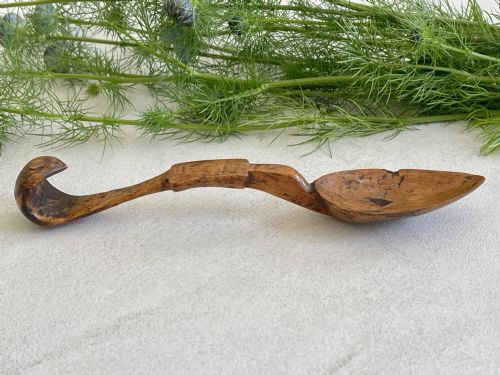
The objects on this page range from utilitarian spoons and basting spoons to larger forms like cutlery boxes, knife trays, and butter churns. These domestic survivals bridge the gap between humble utility and decorative folk art, showing the hand of the maker in every surface.
Most pieces seen here reflect country house and rustic traditions, utilising local timbers shaped for daily tasks in the kitchen or pantry. Collectors find that these implements preserve the functional vernacular of past centuries without losing their domestic warmth.
Materials and methods of construction
Makers of antique wooden utensils relied on regional hardwoods and softwoods such as beech, pine, oak, mahogany, and general treen timber, often selecting the wood for its grain and resilience. Tools such as gouges and drawknives shaped the green or seasoned wood into spoons, scoops, and trays by hand.
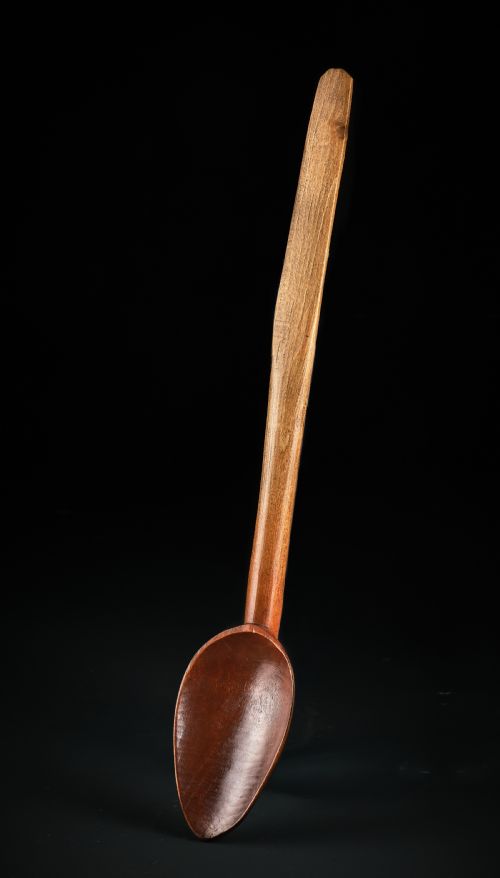
Surface treatments included applied paint, such as traditional red finishes, alongside natural patination developed through decades of kitchen use and handling. Some utilitarian items integrated brass components or hooks for suspension, combining different workshop materials for structural endurance.
Antique Wooden Utensils Retail Price Guide 2026
Typical asking prices for wooden utensils among the pieces listed under this phrase on Sellingantiques today, from the lower quarter to the upper quarter. They describe what is for sale here now, not the wider market.
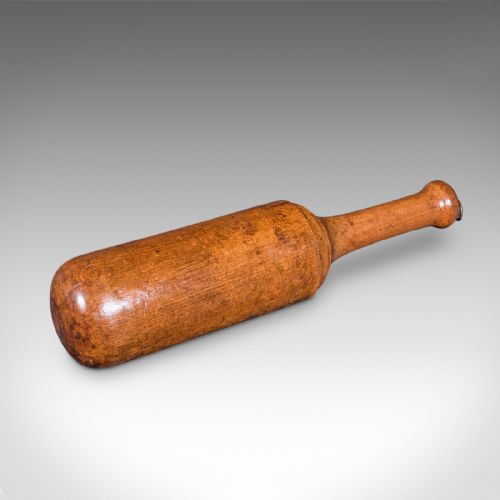
A tenderiser disguised as a mallet ensures that dinner arrives with a subtle thud of historical enthusiasm.
Evaluating quality and execution
Quality in antique wooden utensils rests on the harmony of proportion, the comfort of the grip in the hand, and the integrity of the surviving timber. A well-executed spoon or tray displays confident tool marks and balanced weight distribution rather than mechanical symmetry.
The depth of patination and the honesty of wear significantly elevate a piece, showing how time has mellowed the timber. Superior examples retain their original surfaces, whether through unvarnished grain or intact early paint, without losing the crispness of their initial carving.
The Antique Wooden Utensils Glossary
- Treen
- Small wooden domestic objects made by turning or carving. This term derives from Middle English and covers everything from spoons to small bowls.
- Patination
- The surface sheen and colour acquired by timber through age, handling, and light. Good patination is prized by collectors for its depth and warmth.
- Kitchenalia
- Domestic equipment and utensils used in the kitchen during past centuries. These items are collected for their decorative display value and historical interest.
- Cutlery box
- A partitioned wooden container designed for holding knives, forks, and spoons on a dining table or sideboard. Georgian examples often feature fine mahogany construction.
Antique Wooden Utensils: Frequently Asked Questions
What are antique wooden utensils?
Antique wooden utensils are historic kitchen implements and serving items shaped from timber by hand. They include spoons, scoops, trays, and boxes made for daily domestic labour.
These items range from simple pine dairy tools to finely carved mahogany cutlery boxes. They represent the everyday material culture of homes before mass production.
How were antique wooden utensils used?
These utensils served practical roles in food preparation, cooking, and the storage of cutlery in the kitchen or pantry. Spoons stirred ingredients, while scoops handled grain and flour.
Larger pieces like trays and boxes organised domestic spaces. Their forms directly reflect the specific physical tasks required in historical households.
How do I care for antique wooden items?
Keep antique wooden utensils away from direct heat sources, strong sunlight, and excessive moisture to prevent the timber from warping or splitting. Gentle cleaning with a dry or barely damp cloth is sufficient.
Avoid soaking them in water or putting them in modern dishwashing appliances. Occasional treatment with neutral beeswax can help nourish dry historic timber.
How can I tell the period of wooden utensils?
Dating relies on observing tool marks, timber selection, stylistic cues, and the nature of the surface patination. Georgian and Victorian pieces often show distinct structural joinery and wood choices.
Folk art pieces from Scandinavian or Welsh traditions carry regional characteristics in their carving and painted finishes. Comparing known dated examples helps establish a chronological baseline.