






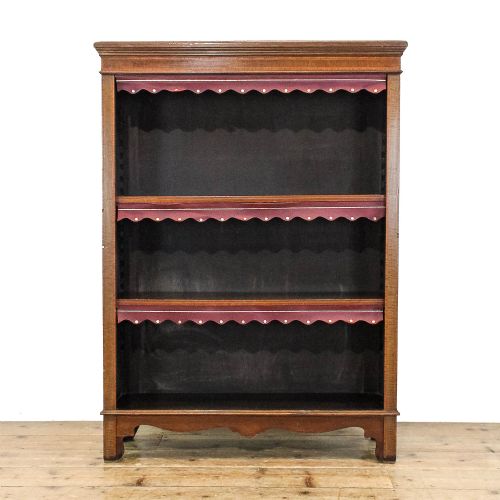

Antique Wooden Trim
These pieces of antique wooden trim and related structural fixtures offer character and historical depth to interiors through varied periods and materials.
Antique Wooden Trim
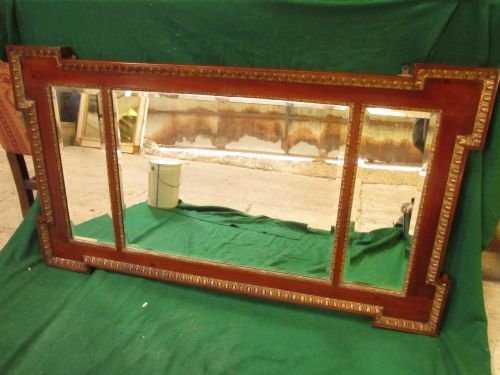
When you search for antique wooden trim, you encounter elements drawn from furniture and architectural salvage across the nineteenth and twentieth centuries. The selection spans periods including the Victorian era, Edwardian period, and eighteenth century, reflecting diverse domestic and decorative uses.
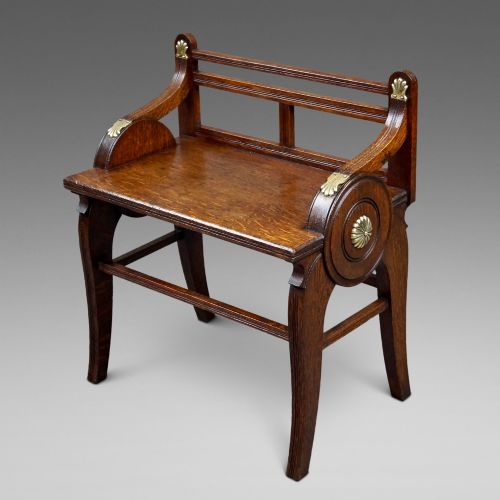
Most items you meet here originate as functional timber components, panelling, or decorative borders salvaged from larger furnishings and interiors. Woods such as mahogany, oak, walnut, and ebonised wood appear frequently alongside brass and mirror glass mounts.
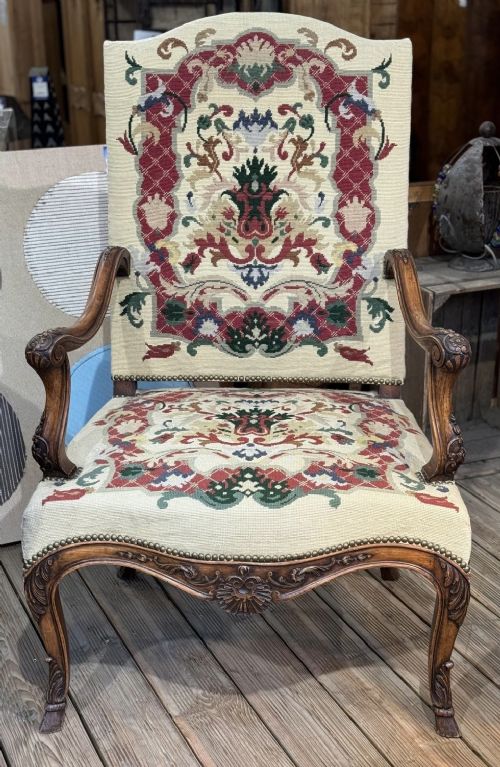
Styles range from straightforward Victorian and Regency utility to Dutch Colonial and Fairground Folk Art expressions. These pieces suit projects requiring period-accurate timber detailing and authentic historical texture.
How they were made
Makers shaped these architectural elements using traditional hand-working techniques applied to dense hardwoods like mahogany, oak, and padouk. Joinery methods relied on precise cutting and fitting rather than modern adhesives, ensuring structural longevity.
Surface treatments often involved polished finishes, ebonisation, or applied brass mounts that highlighted the natural grain of the timber. Folk art examples incorporate painted decoration directly onto the wood substrate.
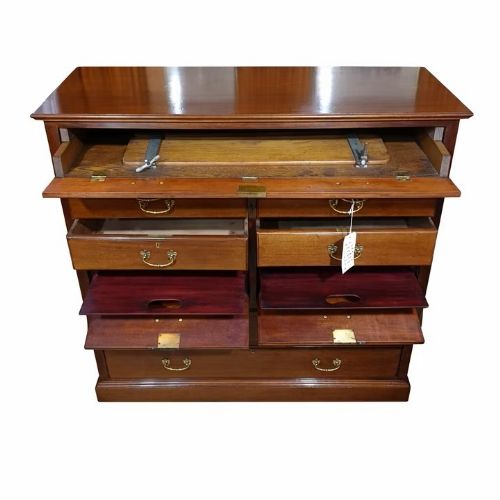
Salvaged elements were carefully removed from larger pieces such as bookcases, coffers, and chests, preserving the original patination and tool marks left by nineteenth-century craftsmen.
Antique Wooden Trim Retail Price Guide 2026
Typical asking prices for wooden trim among the pieces listed under this phrase on Sellingantiques today, from the lower quarter to the upper quarter. They describe what is for sale here now, not the wider market.
Even a humble strip of salvaged timber carries the faint scent of beeswax and a century of anonymous workshop dust.
What varies in quality
The standard of timber selection largely dictates the standing of an individual piece, with dense, well-figured hardwoods sitting at the upper end. Finer examples display tight grain patterns and careful matching where multiple sections meet.
The integrity of the original surface patination and any associated metalwork, such as brass mounts or hinges, separates ordinary salvage from superior examples. Minimal intervention and preservation of original finishes enhance the character of the wood.
Execution of decorative details, whether carved moulding or painted folk art motifs, reveals the skill of the original maker. Crisp lines and balanced proportions distinguish finer pieces from utilitarian counterparts.
James Shoolbred And Co·Louis Vuitton
The Antique Wooden Trim Glossary
- Salvage
- Architectural or furnishing elements recovered from older buildings or broken-down pieces for reuse. This practice preserves historical timber for modern restoration projects.
- Ebonised wood
- Timber treated with a dark stain or chemical process to imitate ebony. This finish was particularly popular during the Victorian period.
- Padouk
- A durable tropical hardwood with a reddish hue used in colonial furniture construction. It provides exceptional stability and rich colour.
- Moulding
- A strip of material with a profiled cross section used to give a decorative edge to furniture or architectural interiors. It creates shadow and visual depth.
- Patina
- The surface sheen and colour change developed by wood and metal over decades of handling and exposure. It serves as an indicator of age and genuine use.
Antique Wooden Trim: Frequently Asked Questions
What is antique wooden trim?
Antique wooden trim comprises decorative mouldings, borders, and salvaged timber elements taken from older furnishings or buildings. These pieces provide authentic historical detail for restoration and interior design.
Items on this page reflect construction methods and material choices characteristic of the nineteenth and early twentieth centuries.
How do I identify the wood type?
Examining the weight, grain pattern, and colour of the timber helps distinguish between species like oak, mahogany, and walnut. Close inspection under good light reveals natural pores and growth rings.
Many nineteenth-century pieces utilised dense imported hardwoods that have darkened considerably with age.
Are these pieces suitable for restoration?
These elements work well for repairing period furniture or adding historical character to architectural projects. Matching the timber species and profile to your existing work ensures a seamless integration.
Careful measurement of cross-sections is necessary before attempting installation.
How should I clean antique wood?
Gentle dusting with a soft, dry cloth preserves the underlying wax or polish without damaging the historic surface. Avoid using modern chemical sprays or abrasive cleaners that strip the patina.
Applying a traditional beeswax polish occasionally helps nourish dry timber and maintains a soft sheen.