





Antique Wooden Tobacco Pot
An antique wooden tobacco pot gathers the smoke-room habits of past centuries into a practical container that sits firmly on a table.
Antique Wooden Tobacco Pot
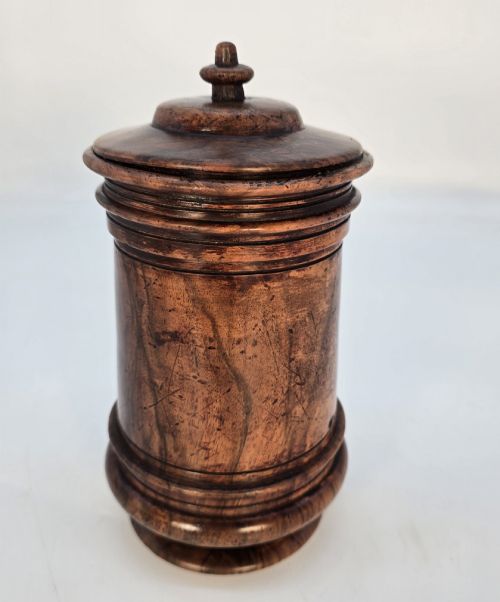
An antique wooden tobacco pot is a lidded container designed to keep leaf or cut tobacco fresh, appearing across various forms from the eighteenth century onwards. These vessels range from simple turned treen jars to deeply carved figural boxes created in distinct regional workshops.
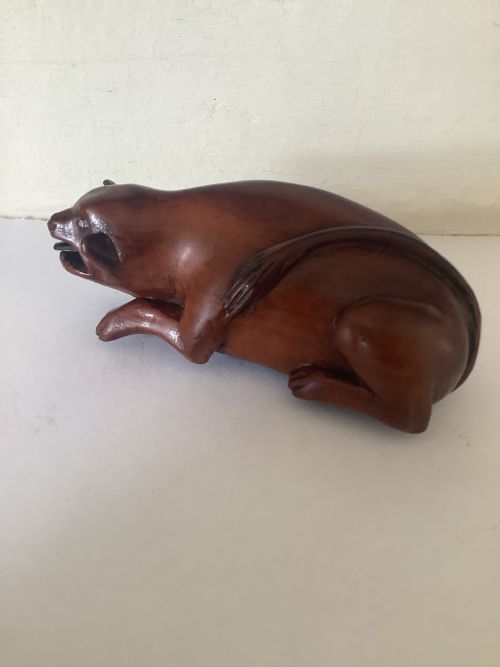
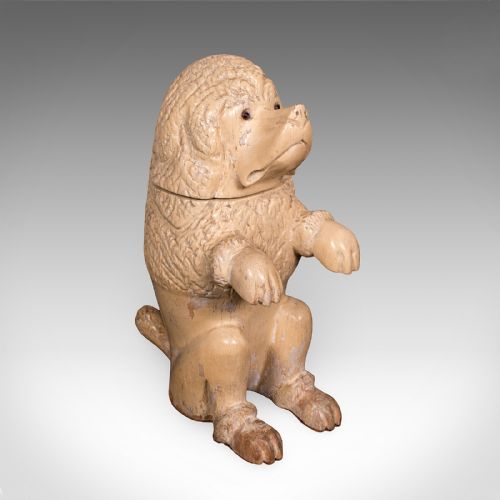
On this page, you are most likely to meet nineteenth-century examples, alongside earlier Georgian walnut pieces and later Edwardian novelties. The selection includes folk art carvings, Black Forest animal figures, and Scandinavian birch root containers.
Makers shaped these pots primarily from walnut, fruitwood, hardwood, and linden wood, often adapting them as tobacco jars, snuff boxes, or novelty items. Each piece reflects the domestic smoking customs of its specific period, whether English, Russian, or Black Forest.
How they were made
Craftsmen shaped these containers using traditional woodturning and hand-carving techniques, working with dense timbers such as walnut, fruitwood, and pollard birch root. Woodcarvers in regions like the Black Forest and Scandinavia utilised gouges and chisels to model intricate animals and detailed surface textures.
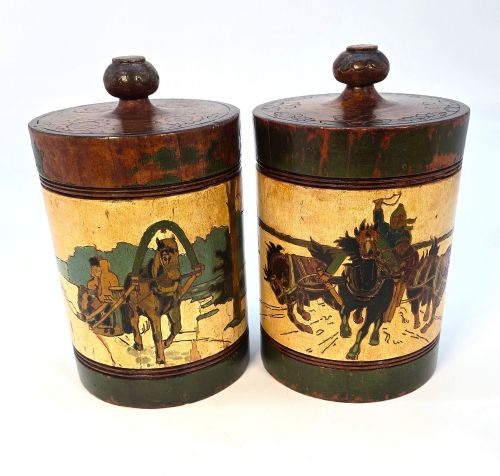
Some pieces received polychrome paintwork to enhance their carved decoration, while others relied on natural grain and deep patination. Inlaid details and turned lids completed the construction, ensuring a snug fit to keep the contents moist.
Antique Wooden Tobacco Pot Retail Price Guide 2026
Typical asking prices for wooden tobacco pot among the pieces listed under this phrase on Sellingantiques today, from the lower quarter to the upper quarter. They describe what is for sale here now, not the wider market.
One determined carver immortalised a soccer football in hardwood, proving that tobacco storage occasionally required a sporting touch.
What varies in quality
Quality in these containers rests upon the crispness of the carving and the selection of the timber. A piece carved with confident anatomy and expressive detail stands apart from a stiffer, more rudimentary product.
The depth of the patina and the integrity of the original wooden surface dictate the character of the object. Pieces that retain their fitted lids and show thoughtful turning demonstrate superior workshop practice.
The Antique Wooden Tobacco Pot Glossary
- Treen
- Small handmade wooden objects for domestic use. This term covers turned boxes, jars, and small containers.
- Black Forest
- A style of wood carving associated with the mountainous region of Central Europe, noted for realistic animal figures. Bears and dogs are common subjects in this tradition.
- Fruitwood
- Timber taken from fruit-bearing trees such as pear, apple, or cherry. Cabinet makers valued it for its fine grain and smooth finish.
- Pollard birch root
- A timber harvested from the root growth of the birch tree. It displays a highly figured, swirling grain pattern.
Antique Wooden Tobacco Pot: Frequently Asked Questions
What is an antique wooden tobacco pot?
An antique wooden tobacco pot is a lidded vessel designed to store pipe tobacco while keeping it moist and aromatic. These containers were staple items in smoking rooms and parlours across the eighteenth, nineteenth, and early twentieth centuries.
They take many forms, from plain turned treen cylinders to elaborate figural carvings of animals and novelty objects. Each piece combines practical domestic use with the decorative woodwork styles of its era.
How do I date a wooden tobacco container?
Dating a wooden container involves examining the tool marks, the timber species, and the stylistic traits of the carving. Eighteenth-century pieces often display simple turned walnut construction, while Victorian and Edwardian examples lean towards heavy figural carving and folk art.
Changes in smoking habits and manufacturing methods also help narrow down the period. Comparing the surface patina and wear patterns to known examples from the same region provides further guidance.
How were these pots used?
These pots sat on tables, desks, or mantelpieces within easy reach of the smoker. Their primary function was to protect loose leaf tobacco from drying out in heated rooms.
Many featured heavy lidded designs to seal the contents, and some included internal compartments or accompanied snuff accessories. They served as both functional storage and decorative ornaments for the home.
What is Black Forest carving?
Black Forest carving refers to a distinct style of decorative woodwork originating from Switzerland and the Black Forest region of Germany during the nineteenth century. These items are instantly recognisable by their naturalistic animal subjects, particularly bears and dogs.
Carvers used local timbers like linden wood and walnut to create highly detailed tobacco holders, boxes, and umbrella stands. The style gained immense popularity during the Victorian era and featured prominently in international exhibitions.
How do I care for wooden tobacco pots?
Wooden tobacco pots require stable environmental conditions away from direct sunlight and sudden temperature changes. Extreme heat or dryness can cause old timber to split or warp.
An occasional gentle application of appropriate wax helps preserve the historic patina and protects the wood surface. Avoid using liquid cleaners or soaking the timber in water.