

Antique Wooden Tea Tray
An antique wooden tea tray brings tactile warmth and period utility to a room, serving equally as a functional carrier or display surface.
Antique Wooden Tea Tray
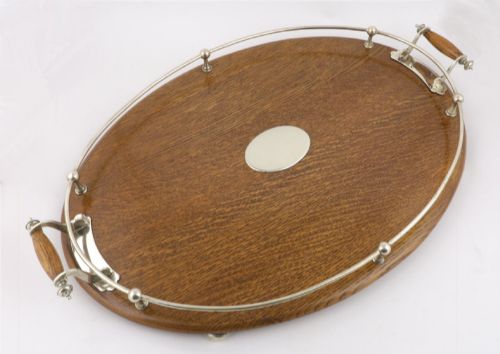
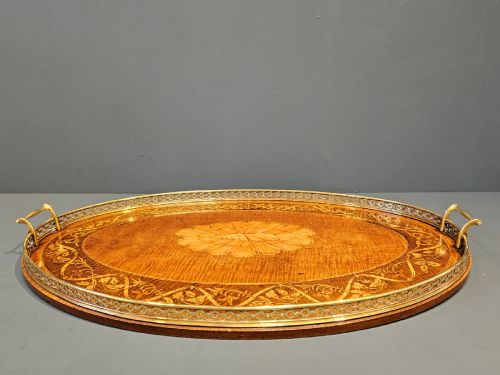
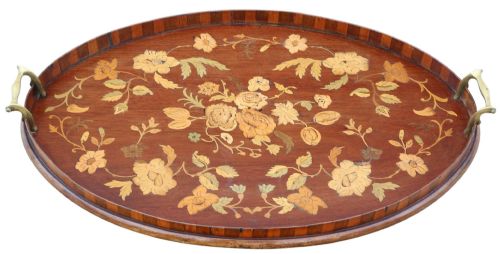
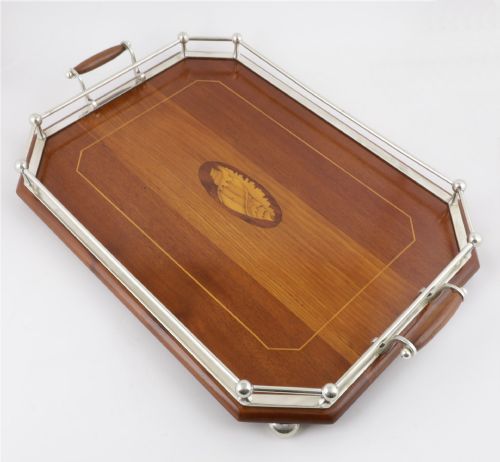
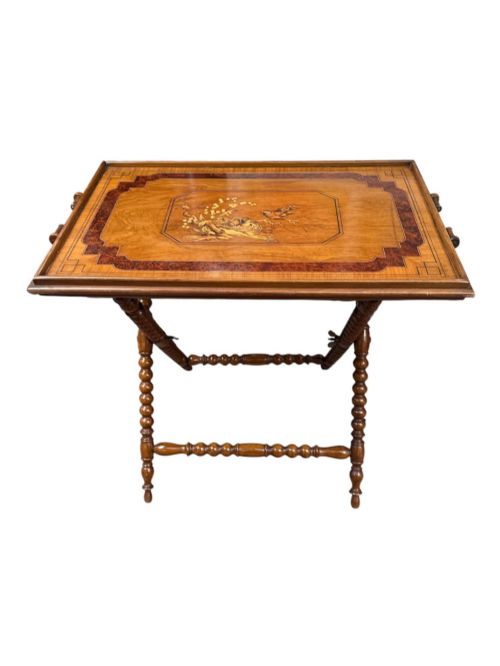
When you search for an antique wooden tea tray, you encounter practical serving pieces and display platforms spanning from the Georgian era through the Edwardian period. The most common examples on this page are mahogany oval and kidney-shaped serving trays, often featuring delicate marquetry or inlaid details.
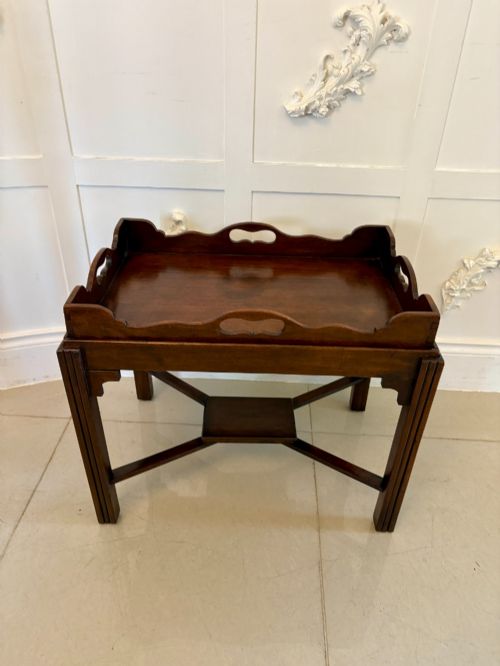
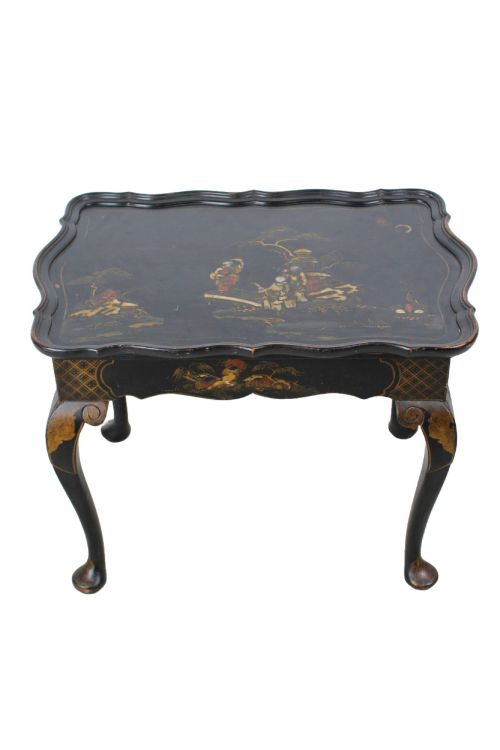
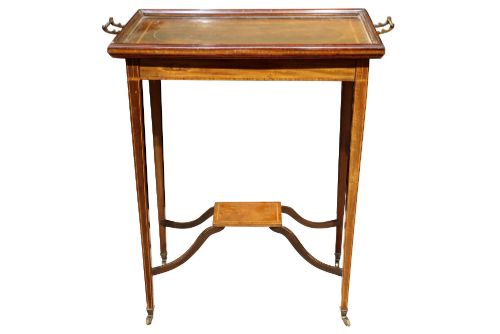
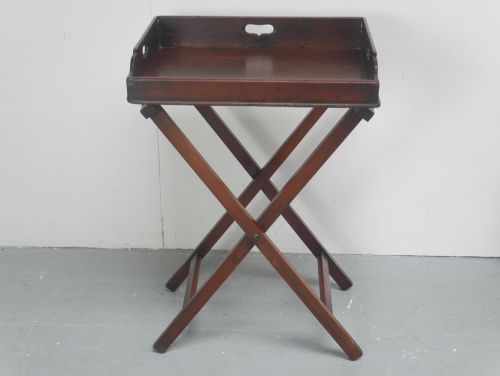
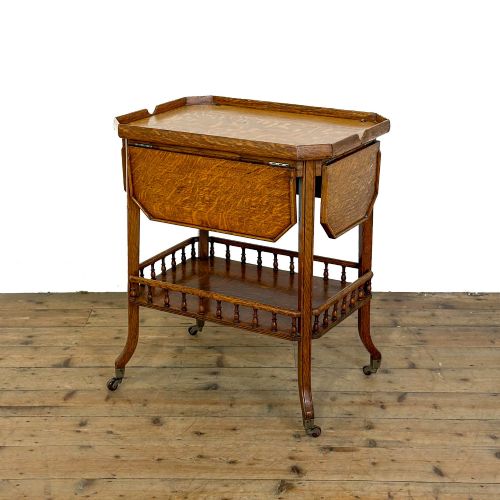
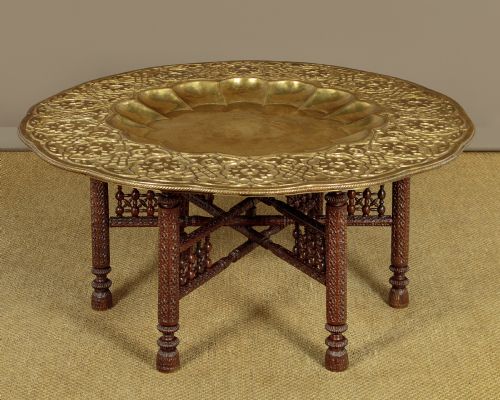
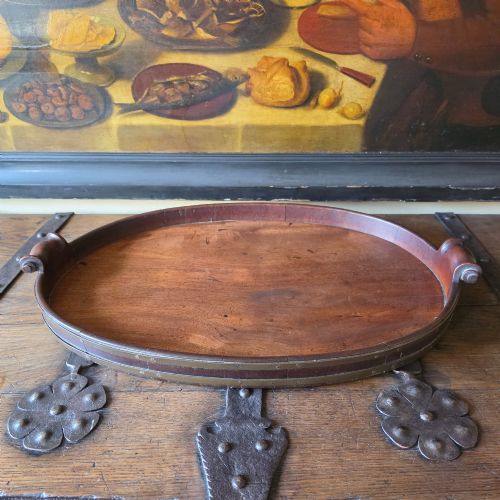
Beyond standard serving trays, the evidence includes butler trays with folding stands, gallery trays with brass or wooden borders, and versatile tea trolleys with removable trays. These pieces bridge the gap between domestic utility and decorative furniture, appearing frequently in forms adapted for occasional tables and coffee tables.
How they were made
Cabinetmakers constructed these trays using timbers such as mahogany, walnut, oak, satinwood, and teak, frequently employing oyster veneers or intricate marquetry to create visual depth on the surface. Grain direction and timber selection determined both the stability of the flat base and the decorative impact of the rim.
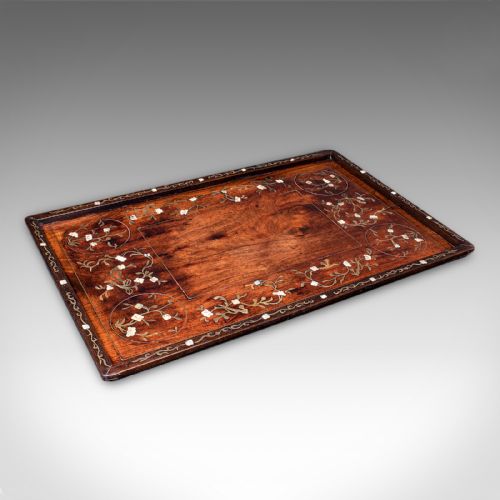
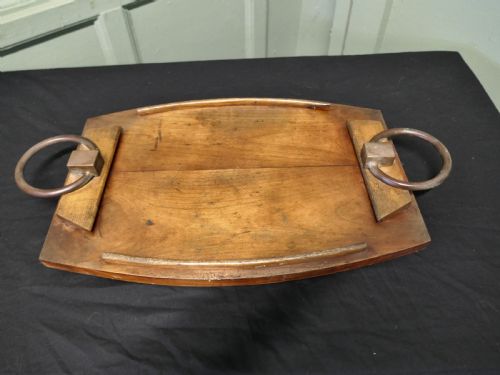
Many examples incorporate brass handles, gallery rails, or silver-plated mounts to secure the edges and provide durable gripping points. Specialised regional techniques, including Sorrento ware intarsia, Hoshiarpur carving, and coopered stave construction, also appear across English and colonial workshops.
Materials span native oak and mahogany alongside exotic satinwood, teak, walnut, and cedar.
What varies in quality
Quality in these trays is defined by the precision of the joinery, the crispness of the carving or inlay, and the retention of original surfaces. Superior pieces display seamless integration between the timber base and the raised rim, alongside finely detailed shell or floral marquetry rather than stamped decoration.
The choice and figuring of the timber further separate standard production from exceptional work, with burr walnut, figured mahogany, and satinwood commanding finer craftsmanship. Original mounts, intact brass handles, and sturdy gallery constructions indicate an elevated standard of period manufacture.
Edwards and Roberts
The Antique Wooden Tea Tray Glossary
- Marquetry
- Decorative veneer patterns assembled from thin pieces of wood, shell, or ivory to form pictorial or geometric designs. It adorns the flat surfaces of many Edwardian and Victorian serving trays.
- Gallery tray
- A tray featuring a raised border or pierced railing around its perimeter to prevent items from sliding off. These borders are frequently executed in pierced wood or polished brass.
- Butler tray
- A portable rectangular tray with hinged or fixed sides, traditionally designed to lift off a folding wooden stand for serving. They often double as low occasional tables.
- Coopered
- Constructed from vertical wooden staves fitted together and bound with hoops, similar to barrel-making. This method creates curved tray walls with robust structural strength.
- Sorrento ware
- A style of decorative woodwork originating from Italy, characterised by intricate micro-mosaic marquetry and pictorial inlay. Pieces from this tradition utilise contrasting woods to depict architectural or botanical motifs.
Antique Wooden Tea Tray: Frequently Asked Questions
How do I use an antique tray safely?
Place your antique wooden tea tray on a stable surface or use it atop a dedicated folding stand to prevent warping or tipping during service. Avoid submerging the piece in water, cleaning it instead with a dry or barely damp soft cloth to protect the polish and historic timber.
For daily living, these trays function admirably as coffee table organisers, bar surfaces, or decorative display bases for glassware. Ensuring the base remains dry prevents moisture rings from forming on aged French polish or wax finishes.
What is a butler tray table?
A butler tray table consists of a removable wooden tray resting upon a folding X-frame stand. This portable design allowed domestic staff to transport refreshments easily and stow the furniture away when not in use.
In modern interiors, these pieces serve well as flexible side tables or small coffee tables. The raised edges and cut-out handles make them practical for everyday containment while retaining their traditional character.
How do I distinguish Georgian from Edwardian trays?
Georgian trays, particularly those from the 18th century, generally showcase robust Cuban mahogany, restrained architectural mouldings, and simple pierced brass handles. Their construction emphasises clean structural lines and solid timber integrity over surface ornamentation.
Edwardian trays lean towards lighter aesthetics, frequently combining satinwood, intricate marquetry, and kidney-shaped outlines. They reflect a revival of Sheraton and Chinoiserie styles, prioritising delicate floral inlays and decorative lightness.
What is an Anglo-Indian tray?
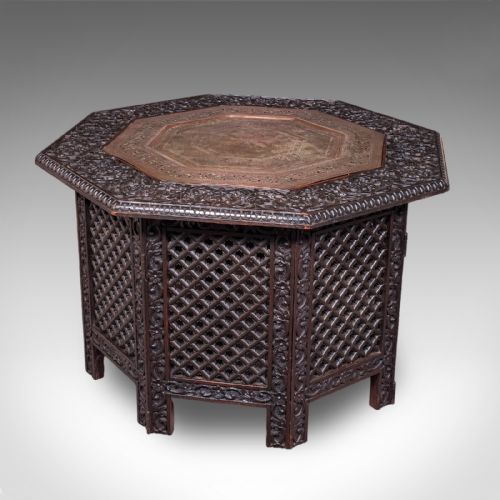
An Anglo-Indian tray reflects the cross-cultural exchange of the 19th century, combining traditional British furniture forms with intricate indigenous carving traditions from the subcontinent. These pieces often feature dense floral patterns carved into exotic hardwoods like teak.
They bring rich surface texture and deep warm tones to a room, functioning as striking wall displays or exotic coffee table tops. The deep relief carving sets them apart from smoother European counterparts.