




Antique Wooden Taxidermy
Antique wooden taxidermy brings together preserved animal specimens and timber mounts, offering a glimpse into historic natural history collections.
Antique Wooden Taxidermy
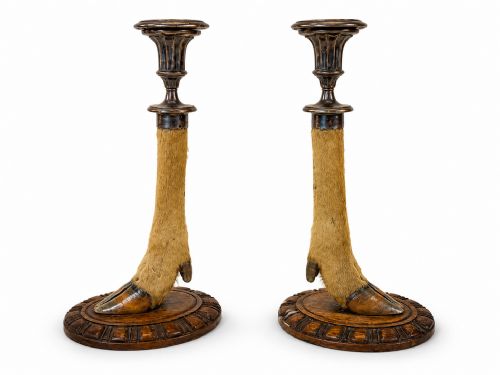
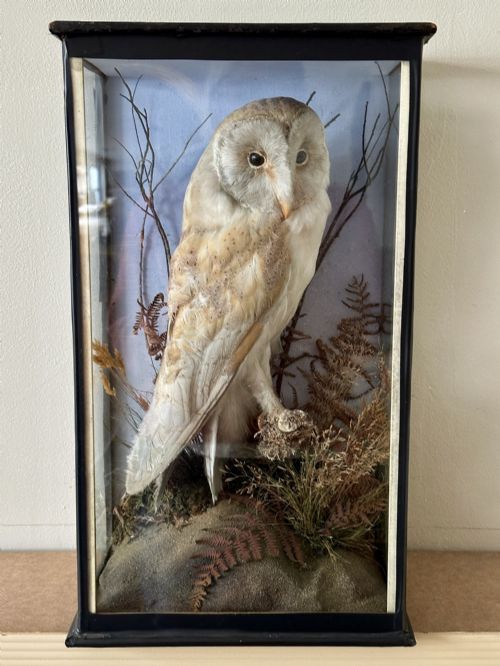
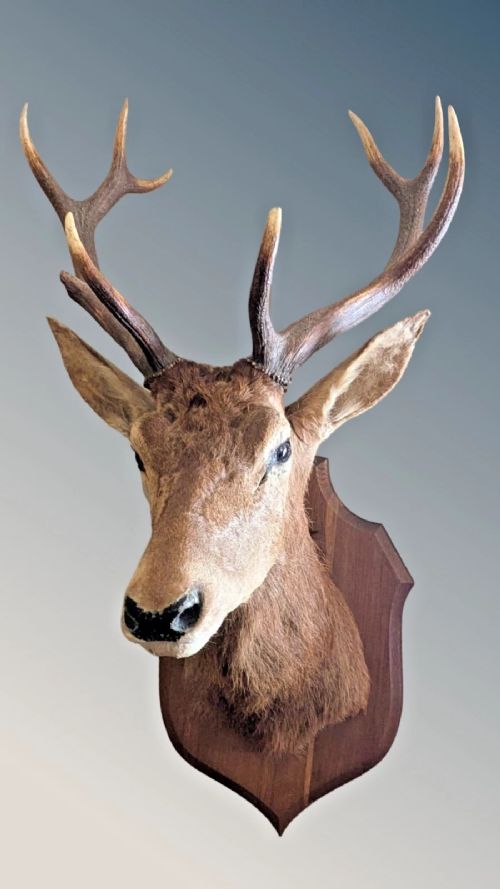
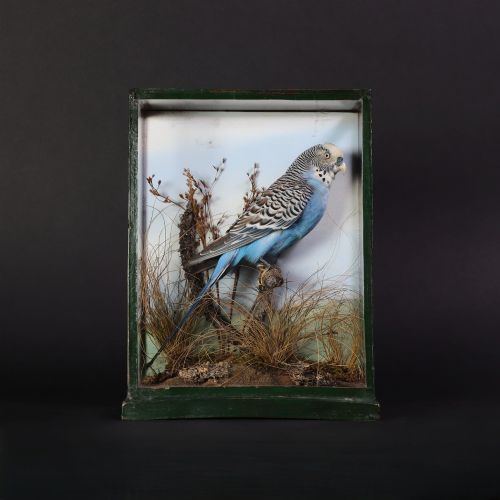
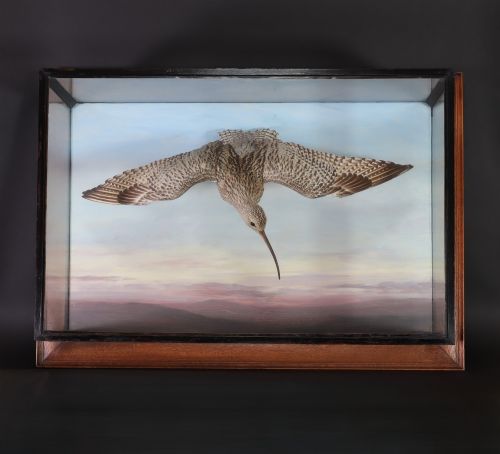
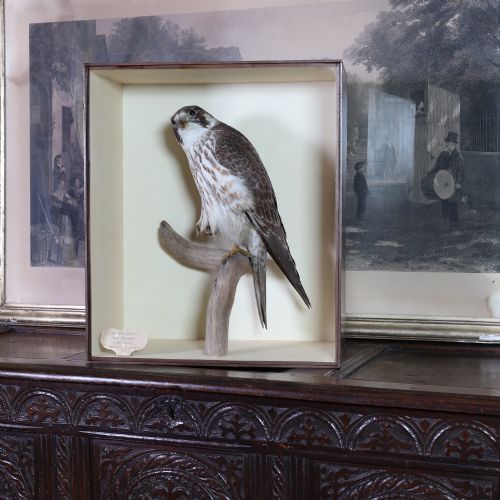
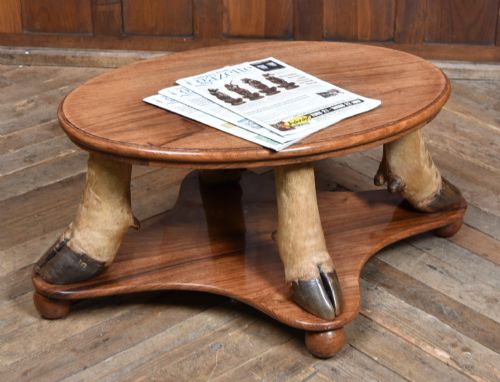
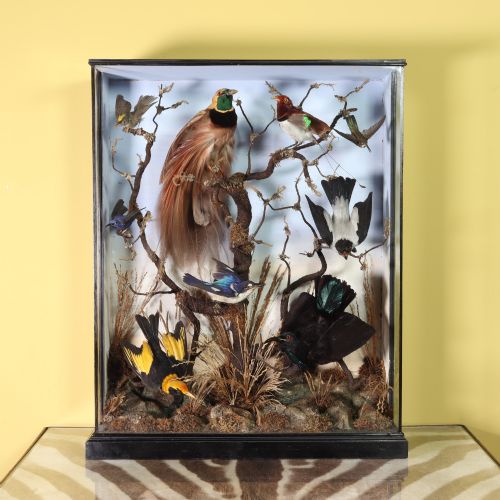
When searching for antique wooden taxidermy, buyers encounter mounted specimens, wall trophies, and cased displays supported by timber elements. These pieces combine preserved fauna with structural woodwork, ranging from simple wall shields to elaborate glass display domes.
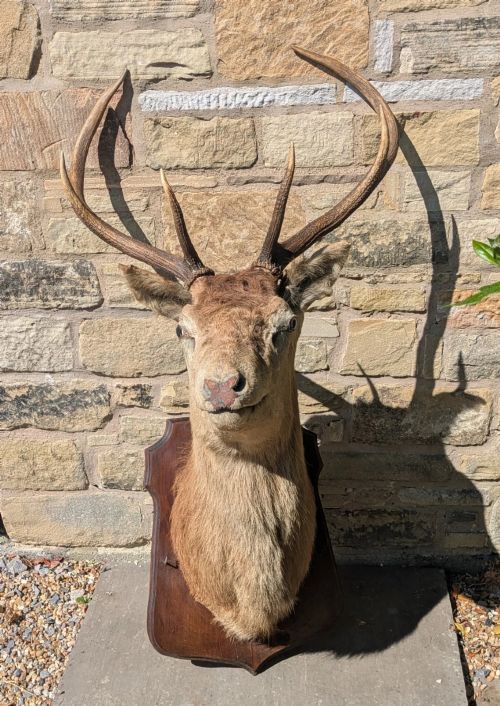
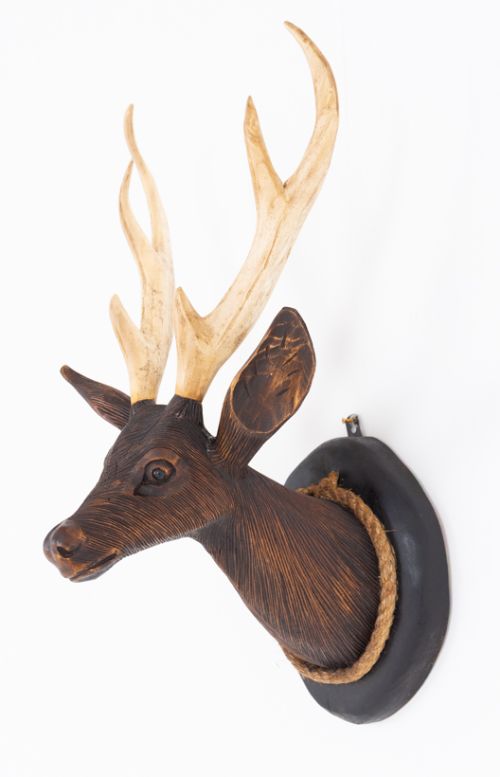
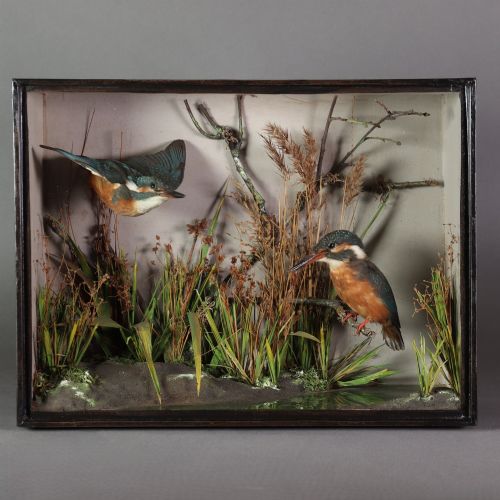
The most common items on this page are Victorian and Edwardian deer heads, bird cases, and horn mounts set against oak, mahogany, or beech backings. Many originate from British taxidermy traditions, reflecting 19th-century and early 20th-century natural history interests.
Materials and construction methods
Taxidermy specimens utilise preserved animal hides, feathers, and horns mounted over forms, while the accompanying wooden elements rely on traditional cabinet-making. Oak, mahogany, and beech form the primary timbers for display cases, shields, and wall racks, often joined with visible craftsmanship.
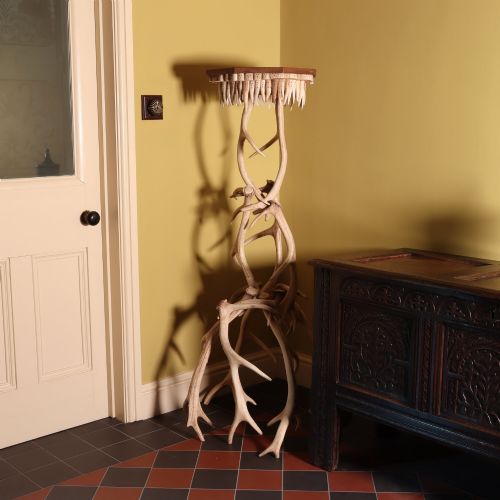
Glass domes and cloches integrate with wooden bases to protect delicate specimens like birds and fish from dust. Taxidermy hides and bone combine with carved wooden antlers or natural horn to create structural pieces such as wall sculptures and torchieres.
Antique Wooden Taxidermy Retail Price Guide 2026
Typical asking prices for wooden taxidermy among the pieces listed under this phrase on Sellingantiques today, from the lower quarter to the upper quarter. They describe what is for sale here now, not the wider market.
Hunts noted fox hounds occasionally found permanent retirement preserved alongside standard game.
What separates standard pieces from the finest examples
Quality in these pieces depends upon the skill of the taxidermist and the execution of the woodwork. Master practitioners achieve lifelike posture and natural expression in animal mounts, whilst lesser examples appear stiff or anatomically incorrect.
The distinction also lies in the provenance of the maker and the condition of both hide and timber. Well-documented pieces from established workshops display superior joinery in their wooden mounts and better preservation of plumage or fur.
J Griffiths of Burford·T. E. Gunn·Hutchings of Aberystwyth·Peter Spicer·Edward Gerrard and Sons·Rowland Ward of London·W.F. Homer London
The Antique Wooden Taxidermy Glossary
- Taxidermy
- The art of preserving, stuffing, and mounting animal skins for display. Historic examples often utilise traditional straw and wire armatures inside wooden or glass cases.
- Cloche
- A bell-shaped glass cover set upon a wooden base. These protect fragile mounted specimens, such as birds or botanical specimens, from environmental damage.
- Black Forest style
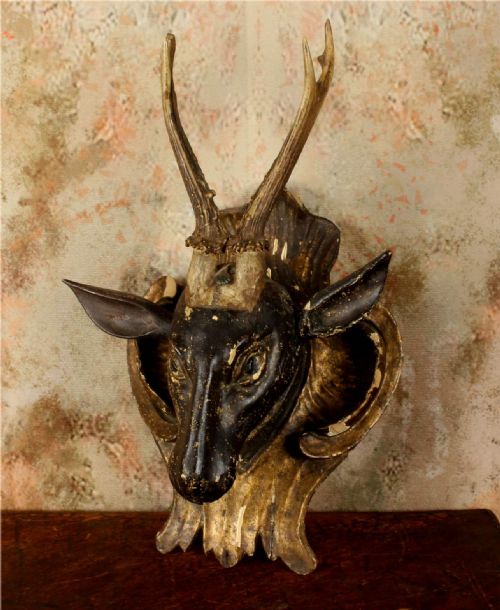
- A carved wood style originating in central Europe during the 19th century. Pieces frequently depict naturalistic animals and foliage, often incorporating stag heads or antlers.
- Mask
- A taxidermy term for the head and neck mount of an animal, typically a fox or deer. These are usually fixed to a carved wooden shield for wall hanging.
- Torchiere
- A tall ornamental stand or floor lamp. In this context, it incorporates animal antlers and wood to form a sculptural lighting fixture.
Antique Wooden Taxidermy: Frequently Asked Questions
How do I care for antique wooden taxidermy?
Keep mounted specimens away from direct sunlight and damp environments to protect the fragile hides, feathers, and taxidermy hide.
Dust wooden mounts and glass display domes gently with a dry, soft cloth without applying liquid polishes.
What periods do these pieces come from?
The listings span the Victorian and Edwardian eras, stretching from the mid-19th century into the early 20th century.
Most items date between the 1870s and the 1930s, reflecting the peak of British and European natural history collecting.
How were display domes used historically?
Victorian households utilised glass domes and cloches on wooden bases to showcase delicate specimens like birds, fish, and botanical collections.
These enclosures protected the taxidermy from dust while allowing clear viewing from all angles in domestic parlours.
What woods are commonly found on these mounts?
Oak, mahogany, and beech appear frequently in the construction of display cases, wall shields, and cabinet bases.
Timber selection depended on the function, with sturdy oak and mahogany preferred for heavy deer trophies and display cabinets.