

Antique Wooden Tabletop Box
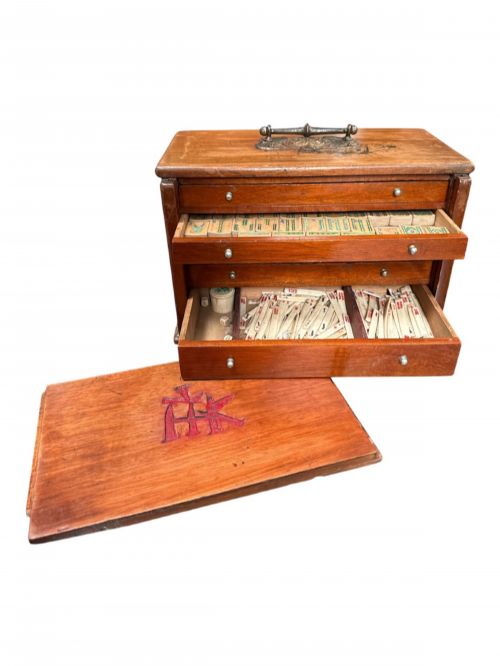
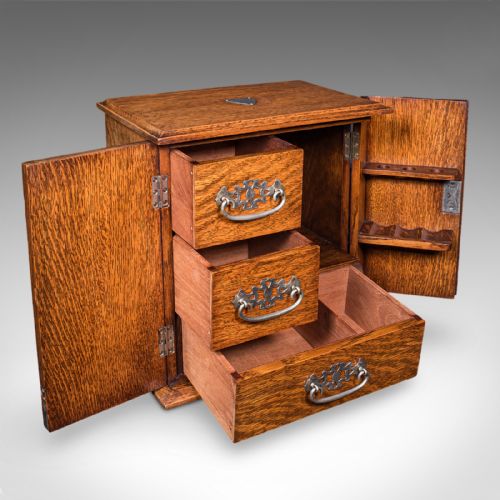
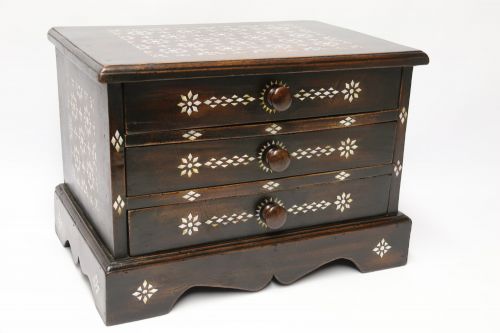
An antique wooden tabletop box organises small valuables and papers while sitting neatly upon a desk or surface.
Antique Wooden Tabletop Box
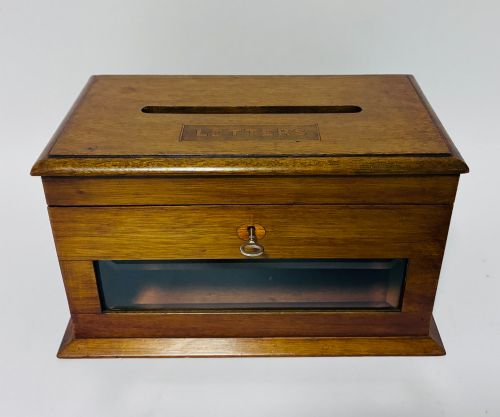
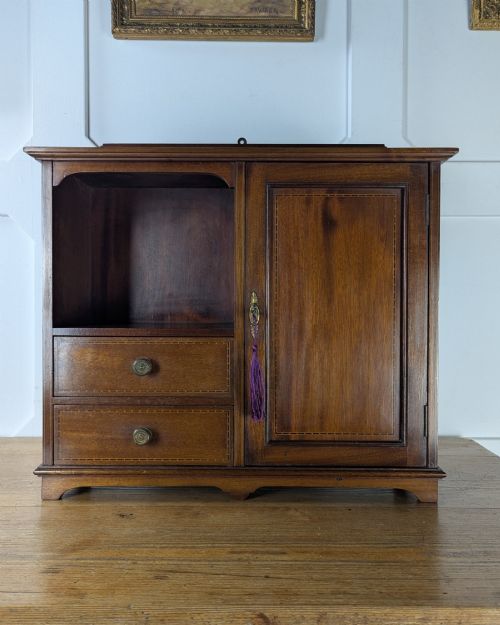
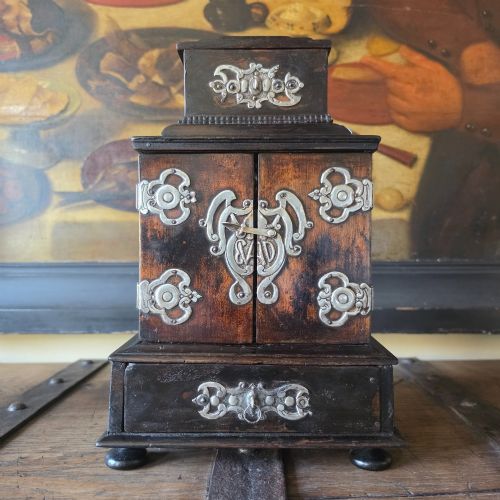
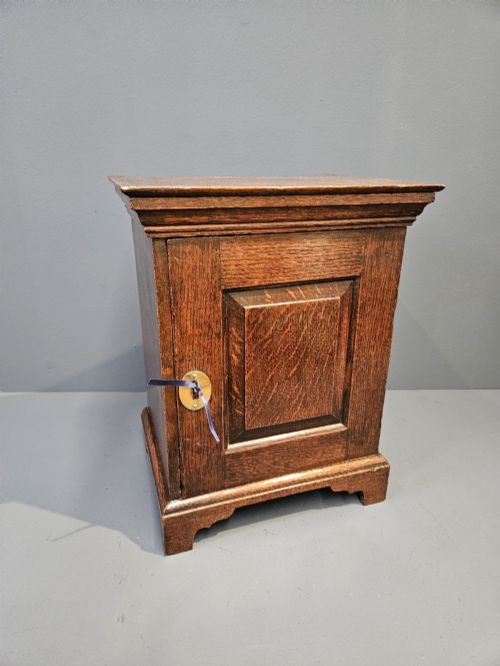
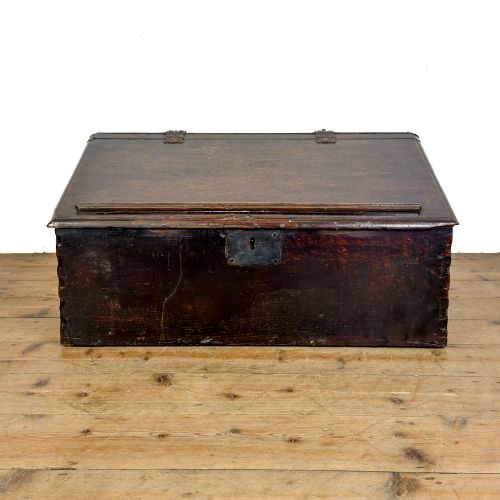
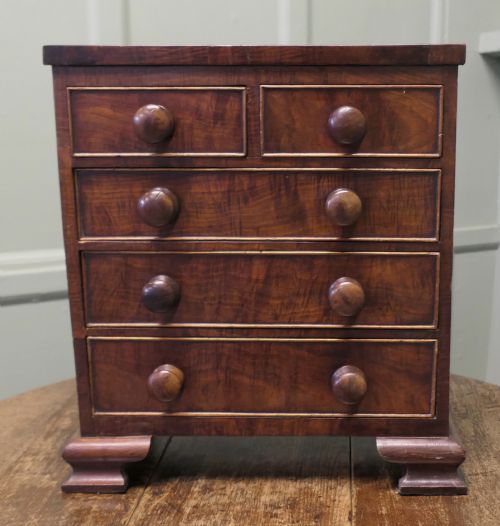
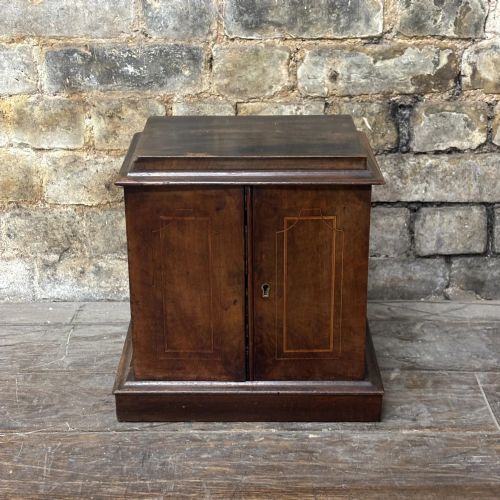
An antique wooden tabletop box spans practical containers such as letter boxes, Bible boxes, and desk boxes alongside miniature chests of drawers, spice cabinets, and jewellery chests. These pieces emerge across the seventeenth, eighteenth, nineteenth, and early twentieth centuries, reflecting changing domestic storage needs.
Victorian and Georgian examples dominate the selections, alongside Edwardian and earlier periods stretching back to the seventeenth century. Formats range from simple oak desk boxes to elaborate rosewood jewellery cabinets and inlaid satinwood smokers' cupboards.
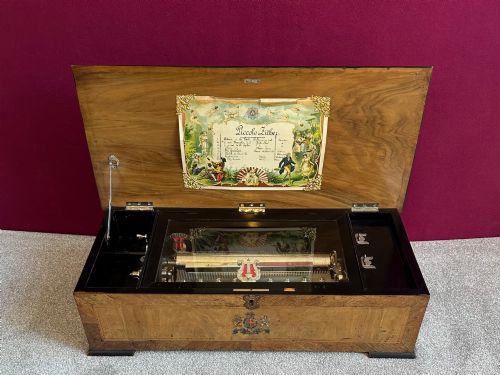
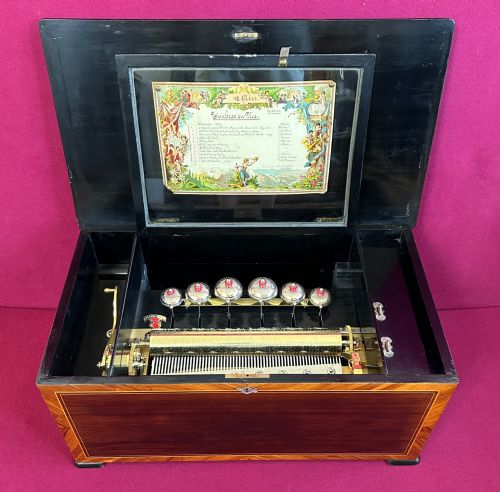
Origins include English workshops, French cabinetry, and Continental pieces, bringing diverse regional styles to the tabletop. Many items double as display cases, music boxes, or specialised containers for stationery and collections.
Materials and construction
Cabinet makers utilised dense hardwoods such as mahogany, walnut, oak, and rosewood, often enhanced by satinwood, burr elm, and fruitwood veneers. Structural integrity relied on traditional joinery suited to miniature proportions.
Surface decoration frequently incorporates brass mounts, mother-of-pearl inlay, and leather bindings. Glazed panels appear on display cabinets and vitrines, while interior compartments receive fitted velvet or silk linings.
Listings feature woods including mahogany, walnut, oak, rosewood, satinwood, fruitwood, and burr elm, paired with brass and glass.
Craftsmanship and distinction
Superior examples display precise matching of timber veneers and careful execution of inlay work, such as satinwood or mother-of-pearl detailing. The harmony of proportions in miniature chests and spice drawers distinguishes finer pieces from utilitarian boxes.
The sophistication of internal fittings, including secret drawers, fitted stationery slots, and original working locks with keys, elevates the standing of a box. Timber selection, such as figured burr walnut or rich rosewood, similarly separates standard containers from exceptional ones.
The Antique Wooden Tabletop Box Glossary
- Apprentice piece
- A small-scale item demonstrating the skill required for a craftsman to join a guild. These miniature chests of drawers and cabinets mirror full-sized furniture.
- Bible box
- A sloping-lidded wooden box historically used to store family Bibles and important documents. They often date to the seventeenth and eighteenth centuries.
- Smokers' cabinet
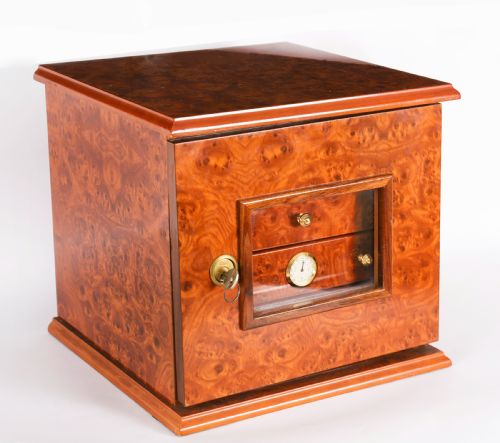
- A tabletop cupboard designed to store tobacco, pipes, and matches. These pieces frequently feature internal drawers and specialised shelving.
- Coffre fort
- A strongly constructed small chest or box intended for securing valuables and currency. They often incorporate reinforced iron mounts and complex locking mechanisms.
- Jardiniere
- A decorative container designed to hold plants or flowers. Wooden examples frequently feature metal liners and bronze mounts.
Antique Wooden Tabletop Box: Frequently Asked Questions
What were antique wooden tabletop boxes used for?
These boxes stored precious items, letters, writing equipment, and personal documents within the home. Different formats served specific functions, from holding jewellery and spices to housing stationery and music box movements.
Today, they perform similar organizational roles on desks and sideboards while serving as decorative objects. Their enclosed compartments protect delicate items from dust and light exposure.
How do I date an antique wooden box?
Dating relies on observing the timber species, construction techniques, hardware style, and decorative motifs. Eighteenth-century pieces often utilise solid oak or walnut with hand-cut dovetails, while Victorian examples frequently introduce exotic veneers and mother-of-pearl.
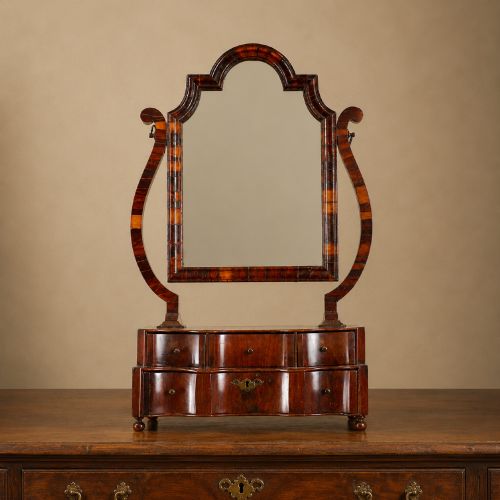
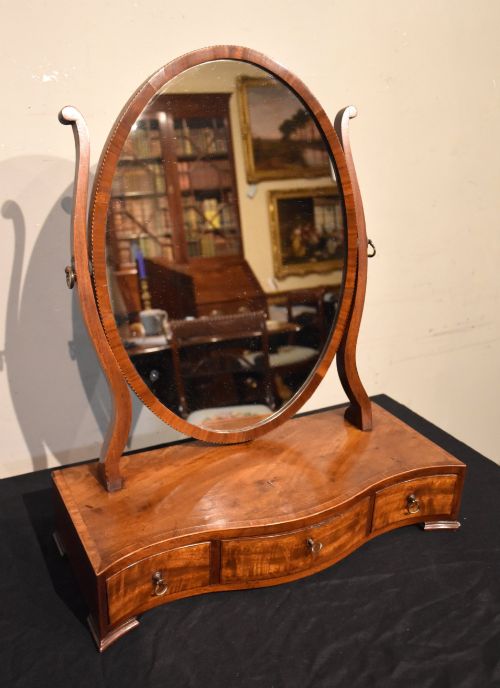
Cabinetry styles also shift across periods, moving from plain seventeenth-century desk boxes to elaborate serpentine mahogany dressing mirrors and Edwardian stationery cabinets. Comparing hardware like hinges and lock plates provides further chronological clues.
How should I care for a wooden tabletop box?
Keep wooden boxes away from direct sunlight and heat sources to prevent timber from drying and splitting. Maintain a stable room temperature and humidity level to protect delicate veneers and internal linings.
Dust surfaces gently with a dry or slightly damp cloth, avoiding harsh chemical polishes. Wax finishes benefit from occasional application of quality beeswax to nourish the wood.
Are these boxes suitable for everyday use?
Many tabletop boxes remain robust enough for daily storage of small accessories, jewellery, or desk supplies. Hinges, lids, and compartments function much as they did originally, though older locks require careful handling.
Fitted interiors with delicate velvet or paper linings benefit from gentle treatment. Everyday use allows these historical objects to remain active parts of a modern interior.