

Antique Wooden Table Lights
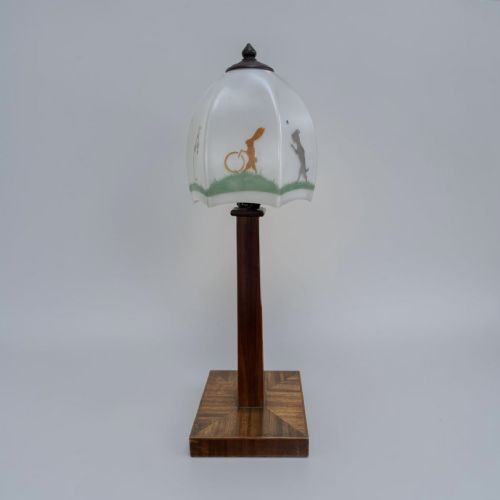
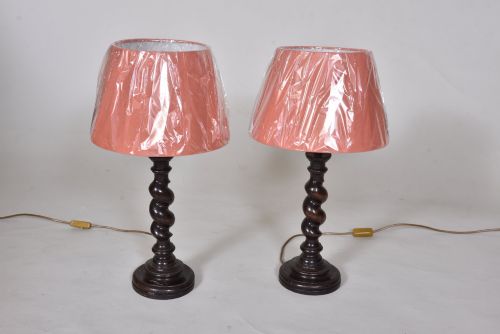
Antique wooden table lights bring warmth to a room, offering functional illumination through turned oak bases, carved giltwood, and hand-painted Kashmiri surfaces.
Antique Wooden Table Lights
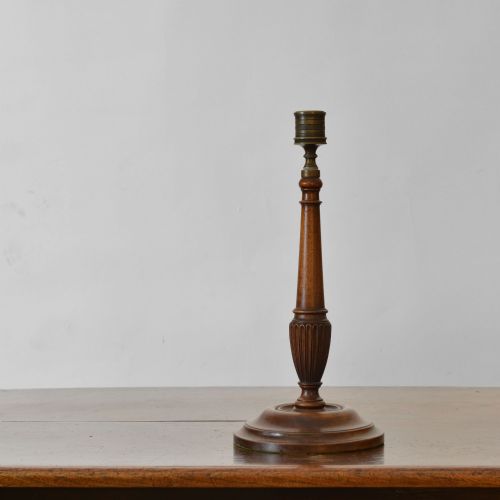
Antique wooden table lights encompass functional lighting solutions fashioned from timber, including lamp bases converted from earlier candlesticks and turned architectural elements. These pieces draw from periods spanning the Georgian era through the Victorian years and into the early twentieth century.
Many examples originate as utilitarian objects or architectural fragments later adapted for electrical illumination, retaining the patination of their primary timber bodies. Kashmiri hand-painted surfaces and Japanese carved brush pots also appear among the varied forms represented on this page.
Materials and construction
Makers utilised solid native timbers such as oak, ash, and pine, turning them on lathes to create slender columns, barley twists, and Corinthian capitals. Cabinetmakers and woodturners selected seasoned woods capable of holding crisp carved detail without splitting over decades of use.
Surface treatments range from clear wax finishes that highlight the natural grain of the wood to giltwood applications and intricate hand-painted lacquer work. Metal components such as brass fittings often accompany the wooden bodies to secure the electrical and bulb holding assemblies.
The listings on this page span the Georgian, Victorian, and Edwardian periods, utilising oak, ash, pine, and giltwood in various regional styles.
Distinctions in quality
Quality rests upon the crispness of the carving, the proportion of the turned wooden shafts, and the integrity of the timber. Superior examples display balanced turnings and harmonious grain patterns without heavy structural intervention or clumsy repairs.
The sophistication of the surface finish dictates distinction, separating straightforward utility pieces from finely gilded, hand-painted, or intricately carved specimens. Original patination and intact decorative schemes elevate individual items significantly.
The Antique Wooden Table Lights Glossary
- Patina
- The surface sheen and mellowing developed by wood over years of handling, light exposure, and polishing. This quality serves as a primary indicator of genuine age.
- Giltwood
- Timber that has been coated with a thin layer of gold leaf or gesso and gold paint. It appears on decorative lamp bases intended for formal interiors.
- Refectory
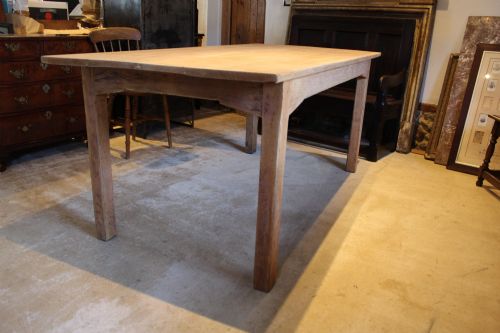
- A long, narrow table style originally utilised in monastic dining halls and later adapted for domestic use in oak and ash. The term occasionally informs the robust proportions of related wooden bases.
- Turned
- Shaped on a lathe by rotating the timber against a chisel to create symmetrical mouldings, columns, and reeded shafts. This technique defines many traditional lamp supports.
- Conversion
- The alteration of an older object, such as a candlestick or a vessel, into a functioning table lamp. These pieces retain their original material character while serving a modern electrical purpose.
Antique Wooden Table Lights: Frequently Asked Questions
Are these lamps converted from older items?
Many table lights originate as something else entirely, such as candlesticks, architectural fragments, or turned brush pots adapted to hold electrical fittings. This practice preserves decorative woodwork that might otherwise lose its utility.
Inspect the base and top collar where the lamp holder meets the timber to understand how the conversion was executed and whether the original material remains unaltered.
What woods were commonly used?
Oak and ash dominate the domestic British examples, valued for their strength and pronounced grain patterns when waxed. Pine appears in rustic contexts, while exotic or imported woods like lignum vitae and birch provide denser, darker alternatives.
Some pieces feature giltwood or elaborate hand-painted lacquer over timber, reflecting broader international influences and decorative tastes from the nineteenth and early twentieth centuries.
How do I care for a wooden lamp base?
Maintain the timber by applying a microcrystalline wax sparingly and buffing it gently with a soft cloth to protect the surface sheen. Avoid placing the lamp in direct sunlight or near heat sources, which can dry out the wood and cause cracking.
Keep electrical components checked by a qualified professional, especially when dealing with older lamps that may retain historic internal paths or switches.