

Antique Wooden Table Box
An antique wooden table box sits upon a surface to hold letters, stationery or small valuables, shaped by centuries of domestic craft.
Antique Wooden Table Box
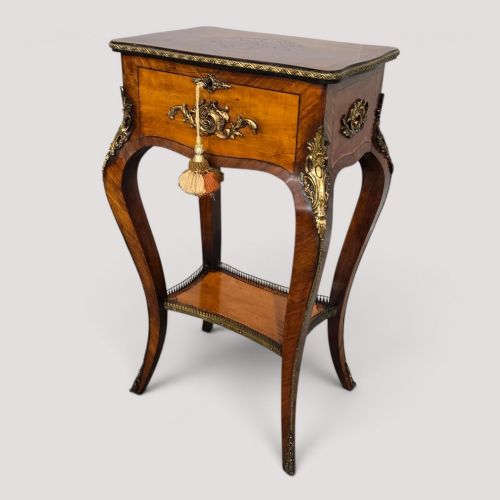
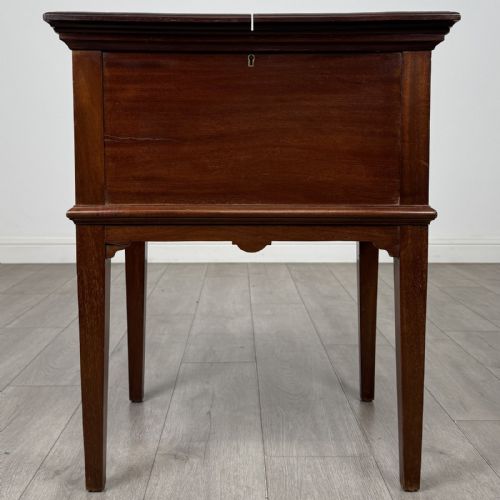
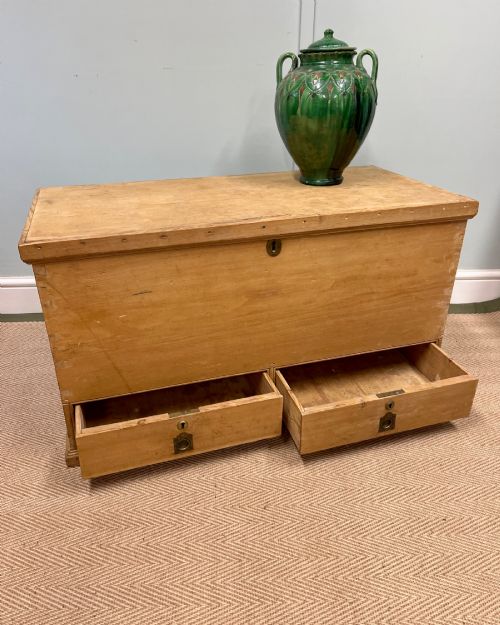
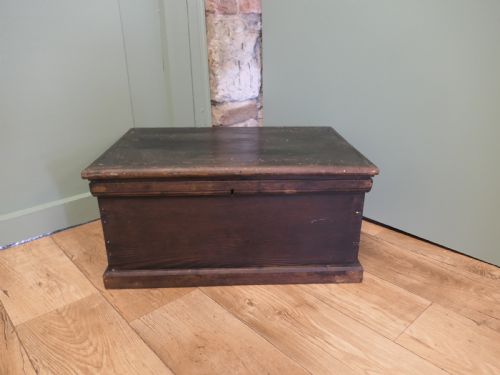
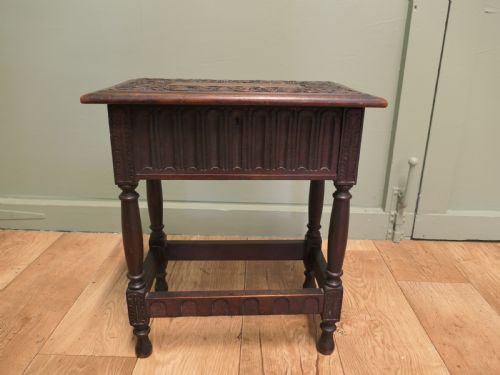
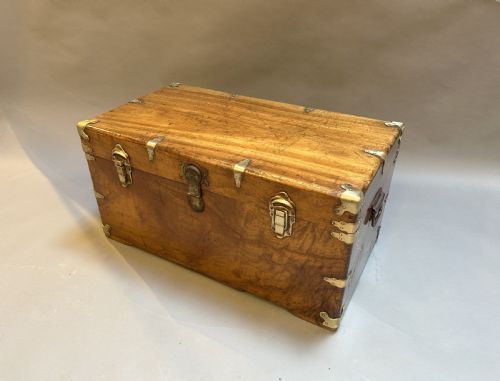
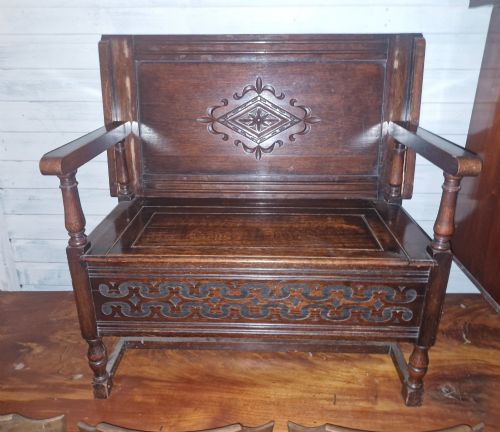
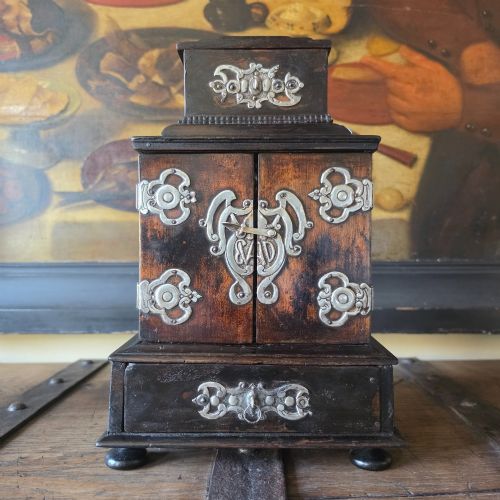
An antique wooden table box encompasses a range of small lidded containers designed to rest upon tables or desks. These pieces include bible boxes, caskets, teapoys and tabletop display cases originating from periods such as the seventeenth, eighteenth and nineteenth centuries. Buyers frequently encounter oak and walnut examples featuring lift-up lids and internal drawers intended for desk organisation or secure storage.
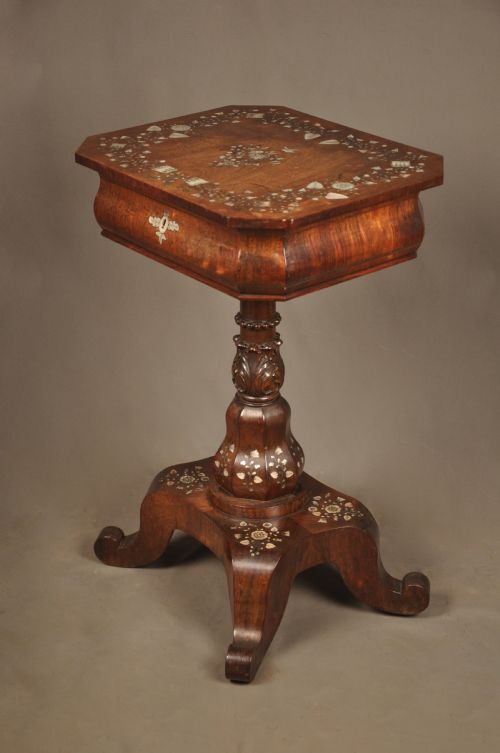
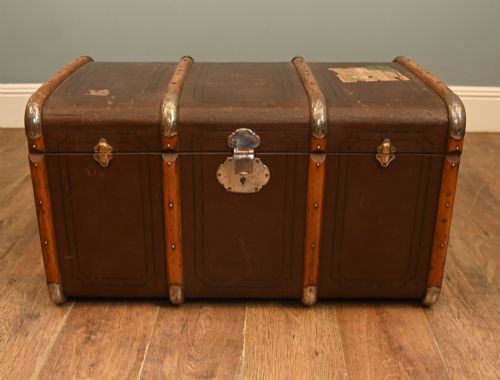
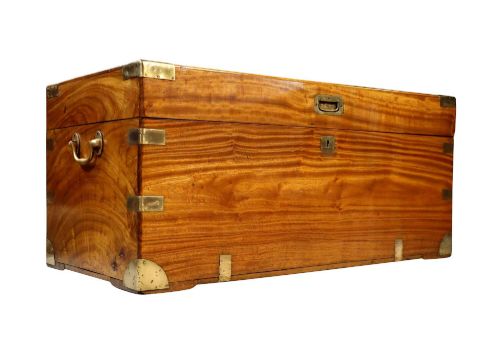
The materials span native timbers like oak and walnut alongside exotic veneers such as burr walnut, mahogany and camphor wood. Many forms incorporate brass binding, corner mounts or hinged lids, reflecting their dual purpose for travel or refined parlour use. Such items bridge the gap between functional storage and decorative tabletop furnishings across the Victorian, Georgian and earlier eras.
How They Were Made
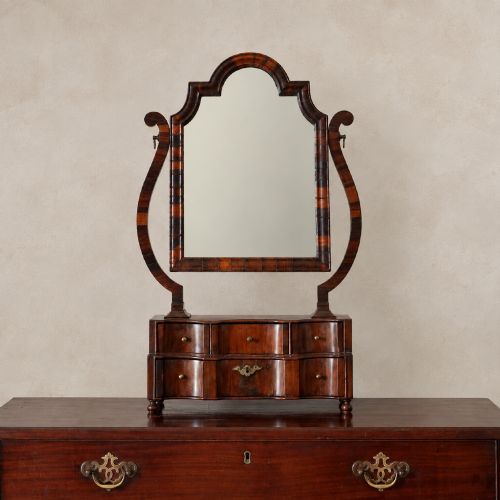
Cabinet makers utilised solid native timbers such as oak and walnut for structural carcass work, employing dovetailed joints to ensure durability. Finer surfaces frequently display applied veneers of burr walnut, harewood or mahogany, matched symmetrically across the lid and front panels.
Metalwork played a structural and decorative role, with brass carrying handles, strapwork and corner brackets secured by traditional screws or rivets. Linings of paper, velvet or fitted wooden compartments were integrated internally to accommodate stationery, jewellery or cutlery.
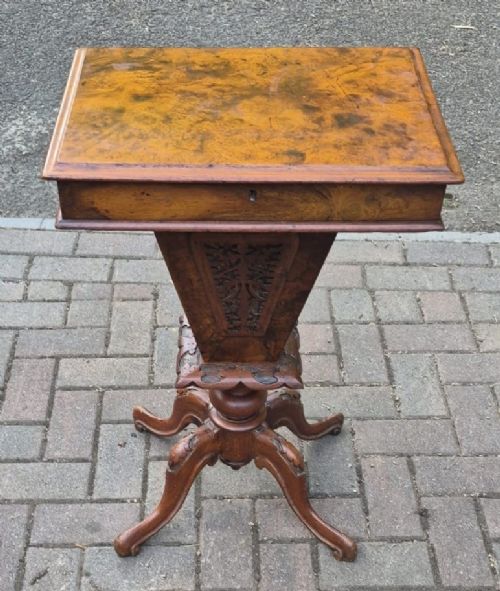
The selection includes functional forms ranging from simple oak bible boxes to elaborate Victorian sewing tables and tabletop display cabinets.
What Varies in Quality
The distinction between standard utility boxes and superior examples lies in the selection of timber and the precision of the joinery. Figured veneers like burr walnut or exotic woods indicate a higher tier of production, particularly when grain patterns match seamlessly across the exterior.
Hardware execution further defines the grade of a piece, separating cast brass mounts and original lock mechanisms from later replacements. The complexity of internal fittings, such as secret drawers or fitted writing slopes, marks the distinction between workshop standards.
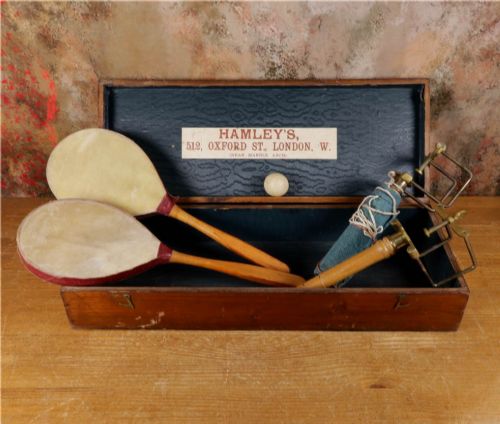
Jaques And Hamleys
The Antique Wooden Table Box Glossary
- Bible box
- A sloping-lidded wooden chest originally constructed to hold religious texts or documents. These pieces date predominantly to the seventeenth and eighteenth centuries in oak.
- Teapoy
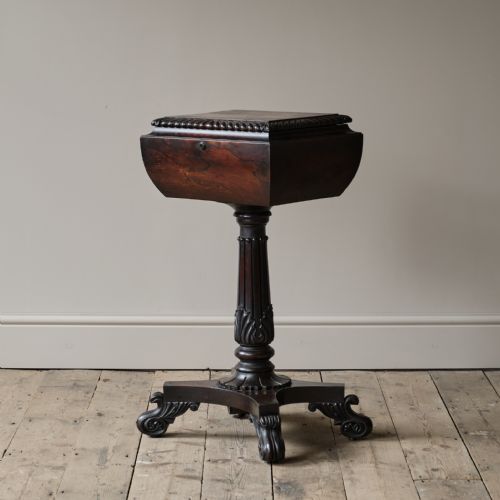
- A small box or chest designed to store tea leaves, often mounted on a central pillar or table base. They frequently contain internal canisters for different tea varieties.
- Burr walnut
- A prized timber veneer derived from the growth excrescences of walnut trees. It yields complex, swirling grain patterns highly favoured in Victorian cabinet making.
- Dovetail
- A traditional wood joint formed by interlocking wedge-shaped fingers. It provides high tensile strength for the corners of boxes and drawers.
- Campaign trunk
- A portable storage chest fitted with brass corners and recessed carrying handles. Designed for military officers on the move during the nineteenth century.
Antique Wooden Table Box: Frequently Asked Questions
What was an antique wooden table box used for?
These boxes served multiple functions in historical interiors, primarily storing letters, writing equipment, jewellery or valuable documents. Many sat upon larger pieces of furniture to keep small personal items secure and organised within easy reach.
Over time, specific forms evolved for specialised contents, such as tea leaves, tobacco, or tabletop games like dominoes and ping pong. Their portability also allowed them to be moved easily between rooms or carried during travel.
How do I date an antique wooden table box?
Dating relies heavily upon timber species, construction methods and hardware styles. Seventeenth and eighteenth-century examples are typically fashioned from solid oak with hand-cut dovetails and iron or brass hinges.
Victorian and later pieces often introduce exotic veneers like burr walnut, machine-sawn components and more elaborate lock plates. Examining the interior linings, screws and secondary timbers provides further clues to the period of manufacture.
Are these boxes suitable for daily use today?
Most antique wooden table boxes remain robust enough for holding modern stationery, remote controls or everyday trinkets. Their solid timber construction and durable wax or polish finishes endure light regular handling.
Owners should nonetheless consider the sensitivity of antique veneers and historical locking mechanisms to moisture and heavy physical stress. Placing them away from direct heat sources helps preserve the stability of the wood and glue.