

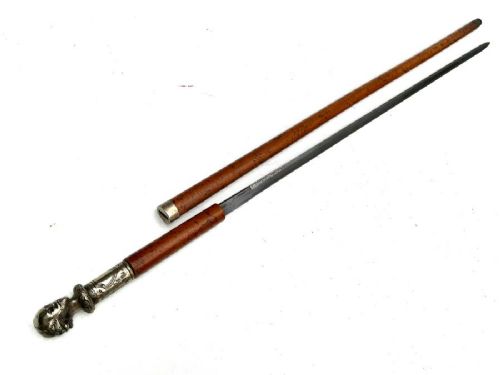
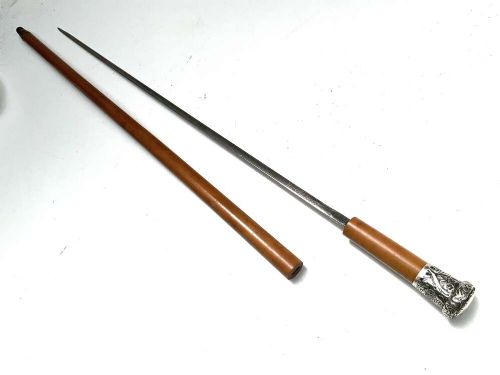
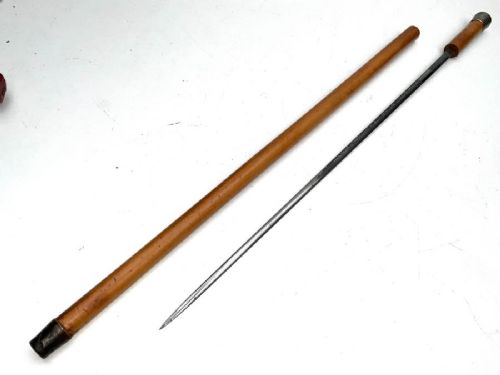

Antique Wooden Sword
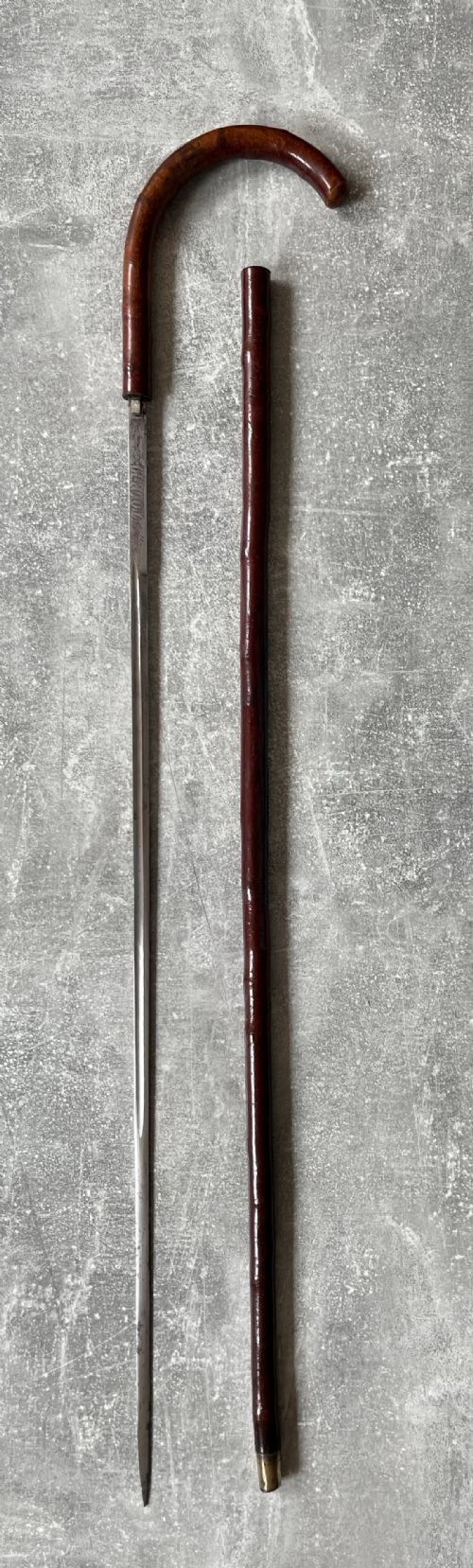
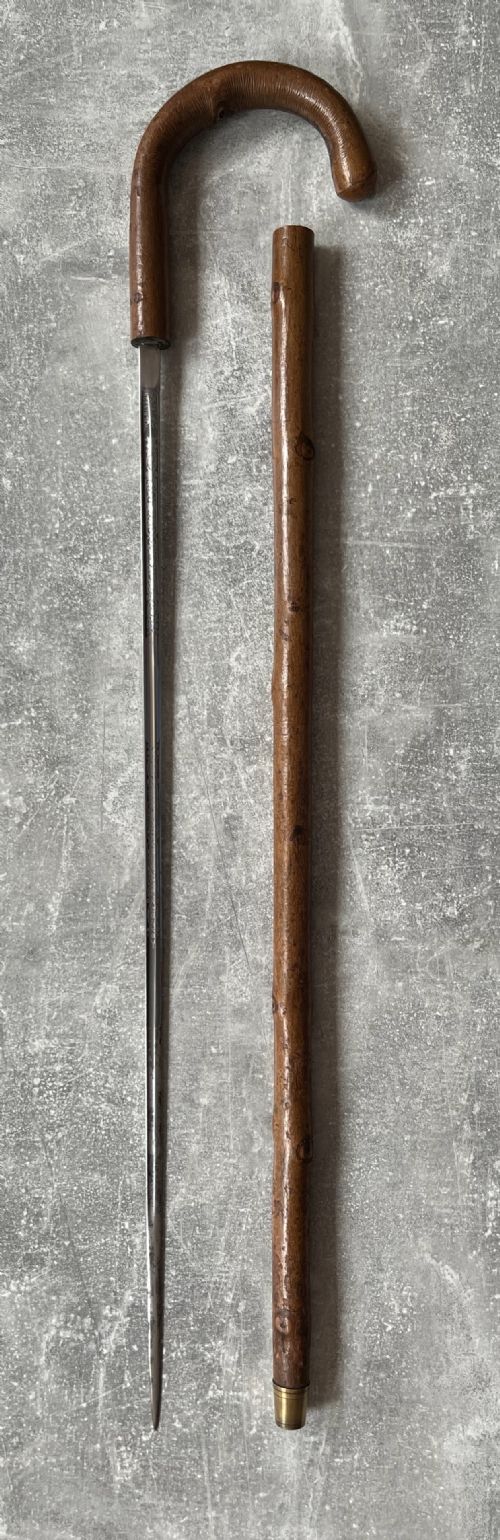
An antique wooden sword combines practical support and concealed defence, offering a glimpse into personal security from the Victorian era onward.
Antique Wooden Sword
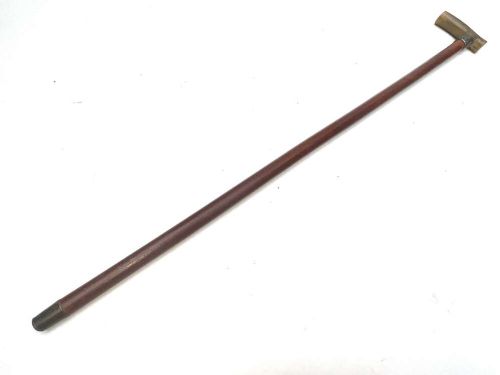
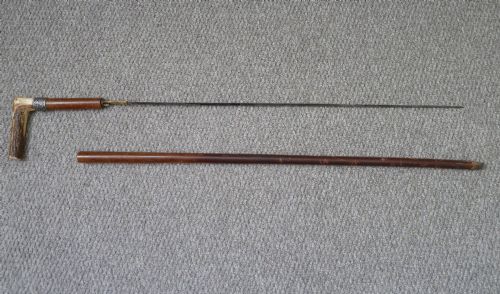
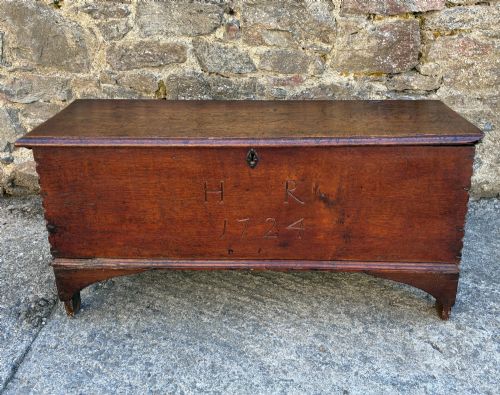
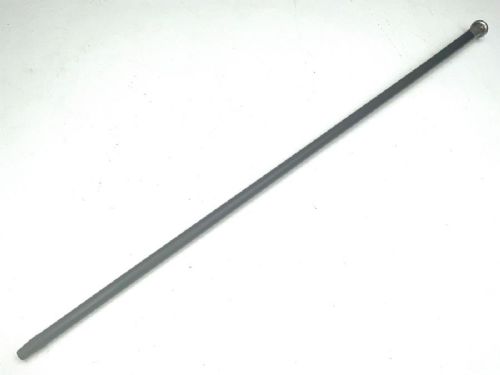
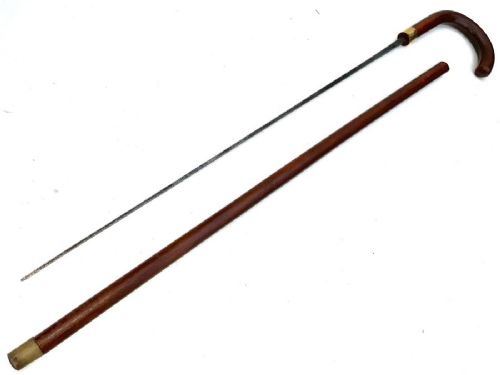
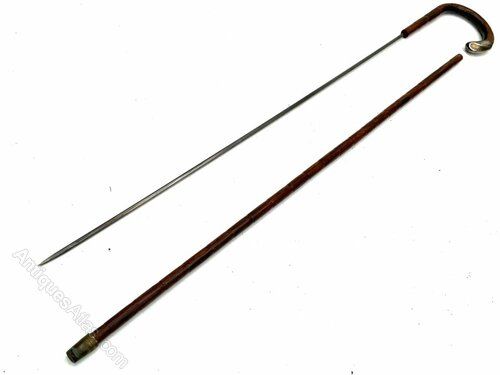
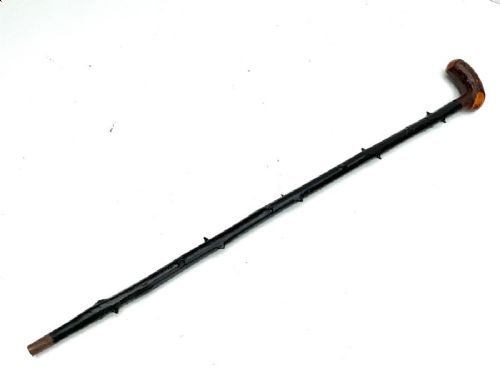
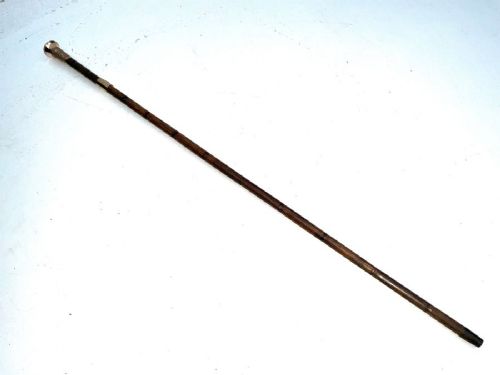
When searching for an antique wooden sword, buyers encounter items ranging from walking canes with hidden blades to traditional training weapons and heavy storage chests. The majority of pieces appearing under this description comprise walking sticks and sword sticks originating from the Victorian and Edwardian periods, alongside earlier storage furniture.
Masonic emblems, military regiments, and regional styles such as Irish blackthorn shape many of the surviving examples. These objects reflect a period when gentlemen routinely carried concealed protection alongside everyday accessories.
Materials and construction methods
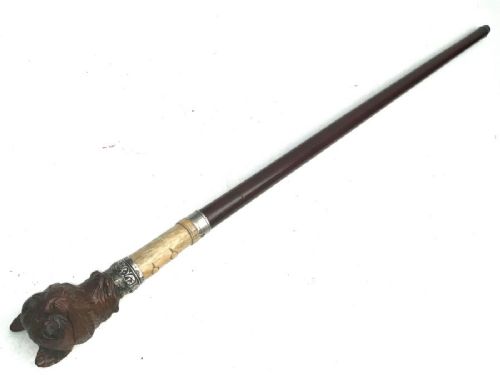
Craftsmen utilised durable timbers such as oak, cherrywood, partridge wood, hazel, rosewood, and malacca for the shafts and chests, often pairing them with natural additions like horn, antler, and silver collars. Internal blades typically consist of steel, including specialised examples bearing Toledo or Wilkinson signatures.
Joinery on storage chests relies on traditional pegged or panelled framing, while walking sticks integrate hidden locking mechanisms to secure the concealed blade firmly within the wooden exterior.
Antique Wooden Sword Retail Price Guide 2026
Typical asking prices for wooden sword among the pieces listed under this phrase on Sellingantiques today, from the lower quarter to the upper quarter. They describe what is for sale here now, not the wider market.
Materials recorded in the evidence combine natural timbers and horn with steel blades and brass or silver collars.
Assessing quality in construction
Quality depends upon the integrity of the timber selection and the precision of the hidden mechanism joining the handle to the blade. Superior examples display seamless alignment when closed, concealing the join entirely beneath collars of silver or brass.
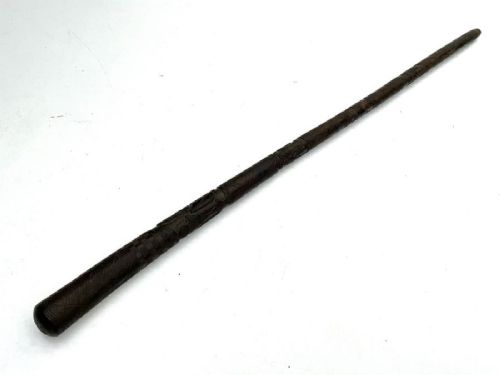
Makers who incorporated named steel blades or detailed carvings on handles and shafts achieved a higher grade of craftsmanship compared to standard utility pieces.
The Antique Wooden Sword Glossary
- Sword stick
- A walking cane fitted with a concealed internal blade. The wooden shaft acts as a scabbard until the handle is pulled.
- Swagger stick
- A short cane carried by military officers as a symbol of authority. Some versions incorporated hidden blades.
- Bokken
- A traditional Japanese wooden sword used for training. These pieces are shaped from dense wood to mimic the proportions of a katana.
- Blackthorn
- A dense hardwood derived from the sloe bush, commonly utilised for traditional Irish walking sticks. The natural thorns are often smoothed or retained for grip.
Antique Wooden Sword: Frequently Asked Questions
What is an antique wooden sword?
An antique wooden sword typically refers to a concealed sword stick, a training bokken, or a dedicated storage chest dating from the eighteenth to the early twentieth century.
These items encompass practical walking aids with hidden steel blades, Japanese wooden practice weapons, and heavy oak chests built to house edged weaponry.
How were sword sticks used?
Gentlemen carried sword sticks during the Victorian and Edwardian eras for personal defence while walking through unfamiliar or poorly lit city streets.
The wooden exterior provided plausible deniability and support, while the internal steel blade remained hidden until danger arose.
How do I identify the period?
Dating relies upon examining the materials, hallmark stamps on silver collars, and the overall style of the handle and timber finish.
Victorian and Edwardian pieces frequently feature specific collar hallmarks, horn or antler grips, and particular wood types associated with nineteenth-century manufacturing.
How do I store sword chests?
Sword chests require stable indoor humidity levels to protect historic oak timbers from drying out or warping over time.
Placing them away from direct heat sources preserves the structural integrity of the panels and traditional joints.