
Antique Wooden Standing Light
An antique wooden standing light provides structural presence and ambient illumination, ranging from tall floor-standing columns to carved table candlesticks.
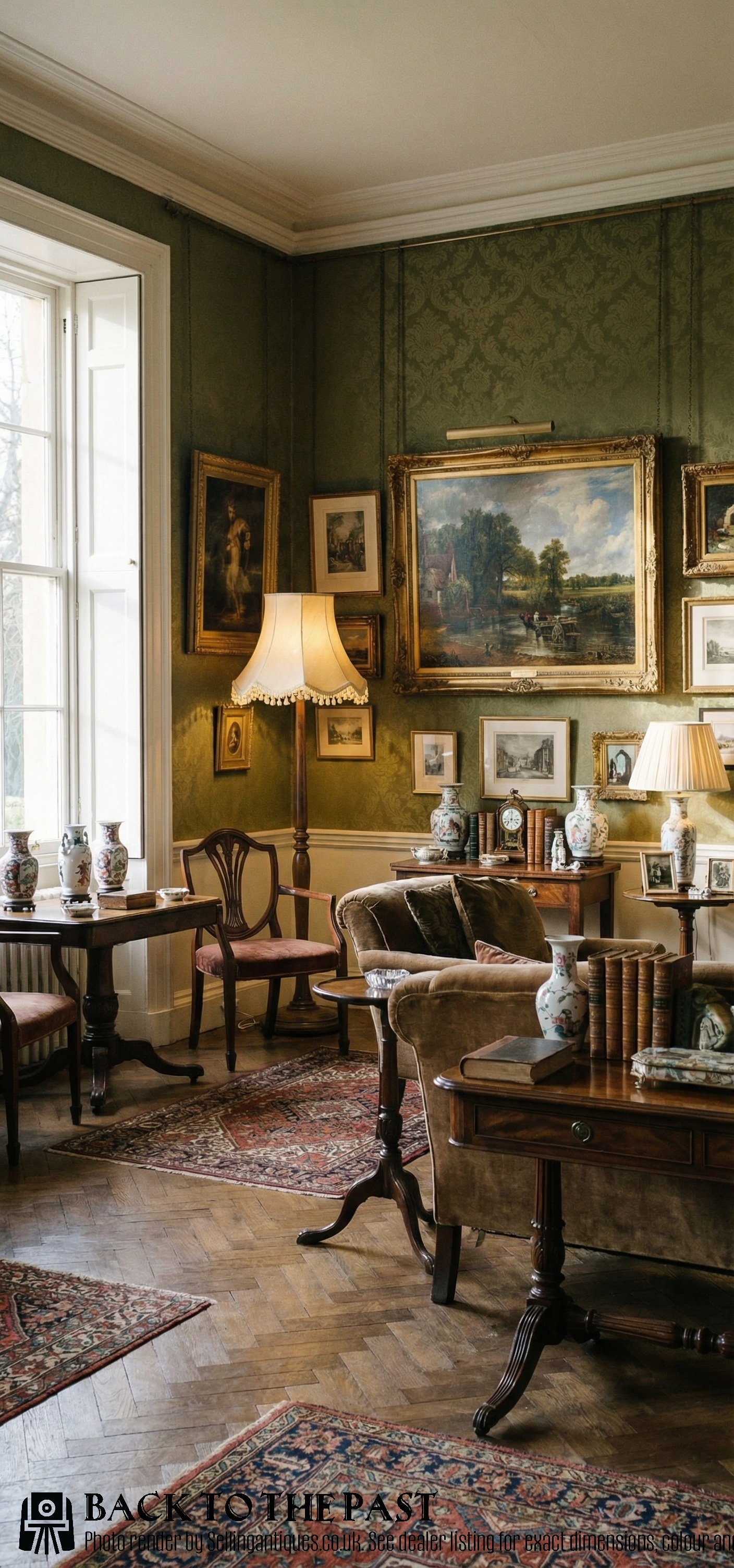
Antique Wooden Standing Light
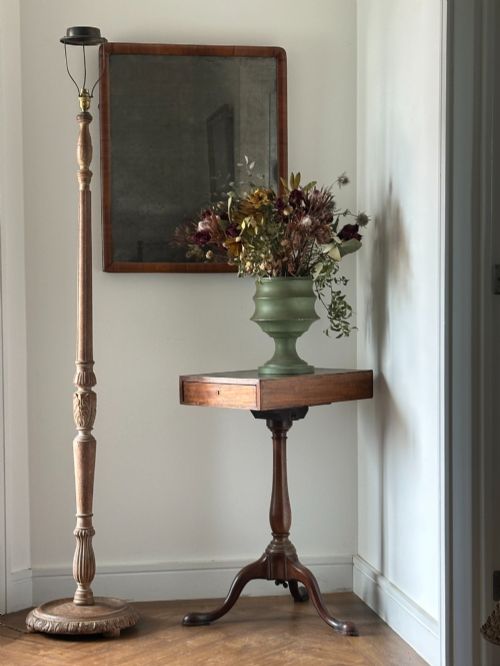
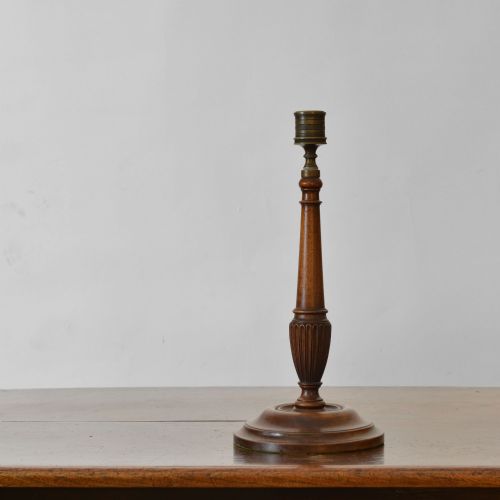
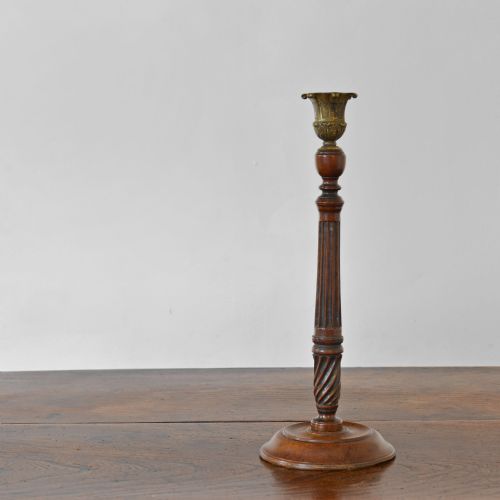
An antique wooden standing light encompasses tall floor lamps, standard lamps, torcheres, and smaller candlesticks designed to elevate a light source from the ground or a surface. When searching for an antique wooden standing light, buyers encounter pieces spanning from the 18th century through the Georgian, Victorian, Edwardian, and Art Deco periods, utilising materials such as oak, mahogany, walnut, and carved wood.
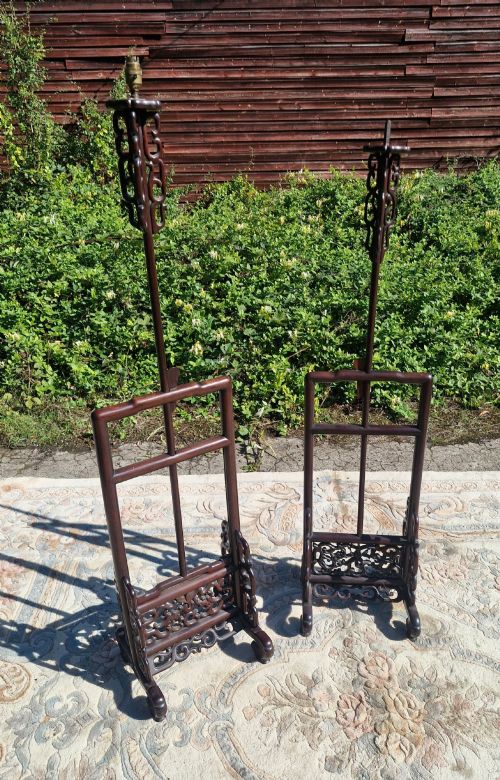
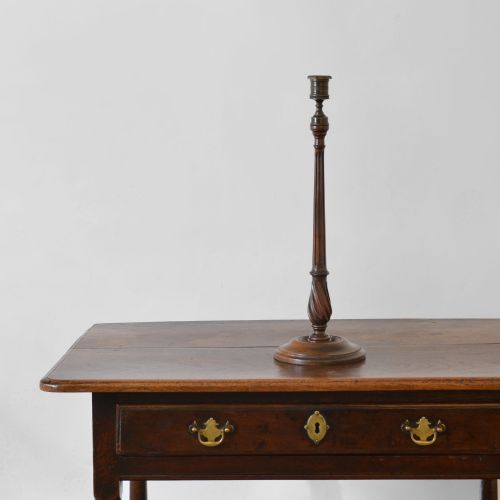
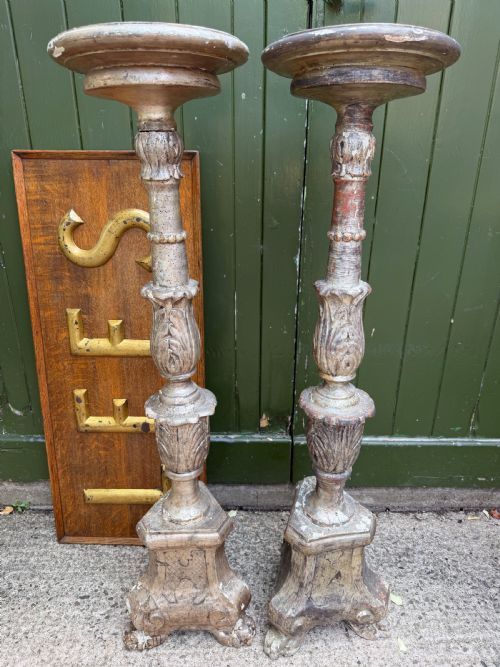
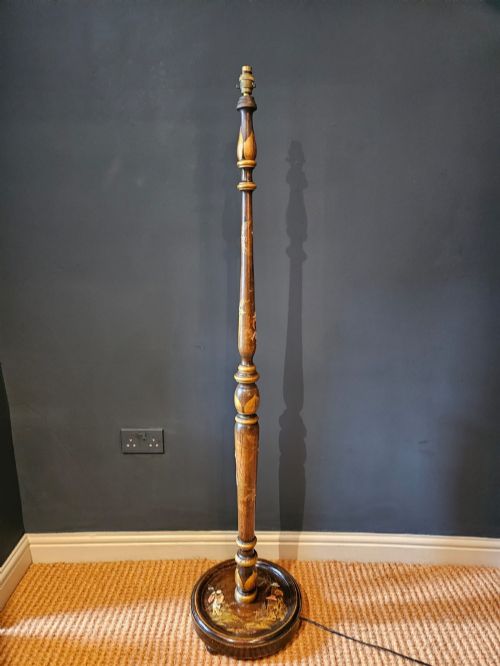
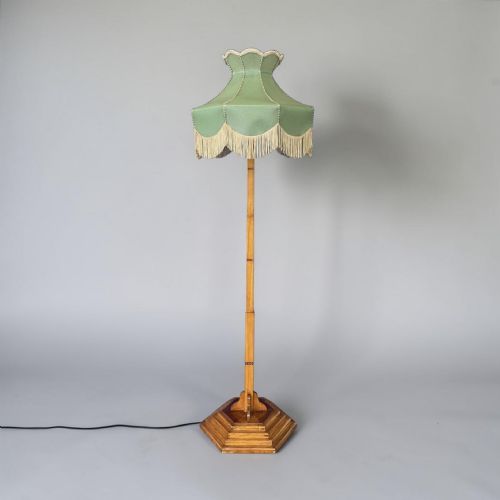
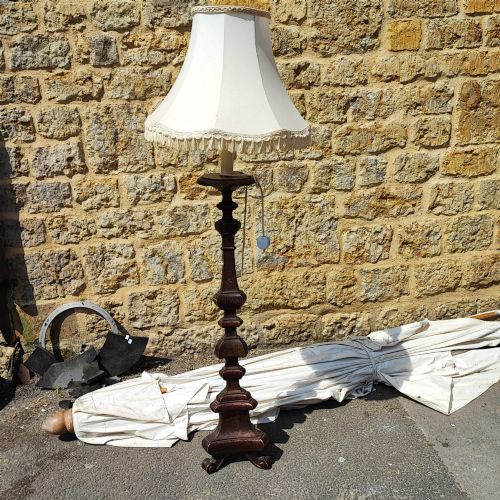
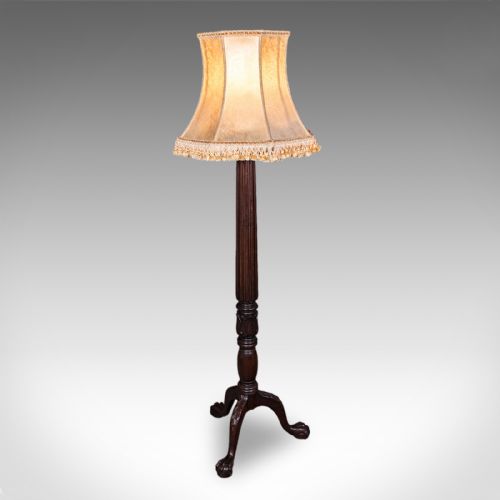
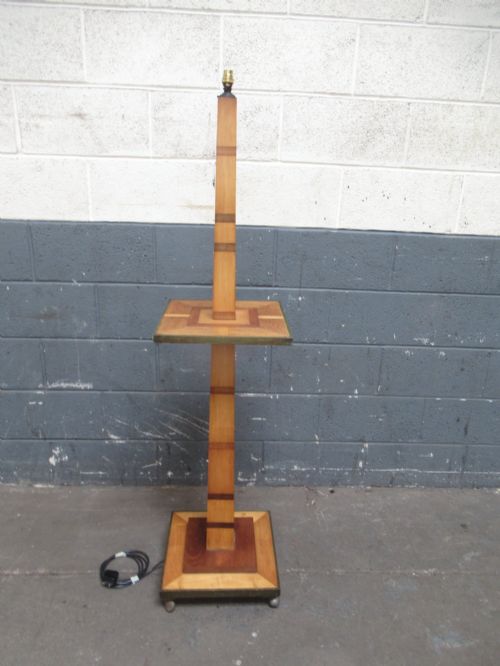
The selection on this page relies heavily on 1920s and 1930s standard lamps alongside 19th-century and Georgian candlesticks, torcheres, and candle stands. Forms vary from simple barley twist oak shafts and painted columns to elaborate Italian Baroque carved walnut bases, Chinoiserie decorated standards, and satinwood Art Deco designs.
Origin and period dictate the character of each piece, linking utilitarian candle holders and later electrified floor lamps to specific regional workshops and historical revivals. Buyers find both paired sets and individual examples designed to anchor a room's lighting scheme with traditional craftsmanship.
How they were made
Maker's workshops built these stands using hardwoods including oak, mahogany, walnut, and satinwood, frequently combining them with brass mounts, silvered finishes, or fabric and vellum shades. Turning lathes shaped cylindrical columns and barley twist shafts, while joinery methods secured tripod bases and heavy plinths to ensure stability for tall uprights.
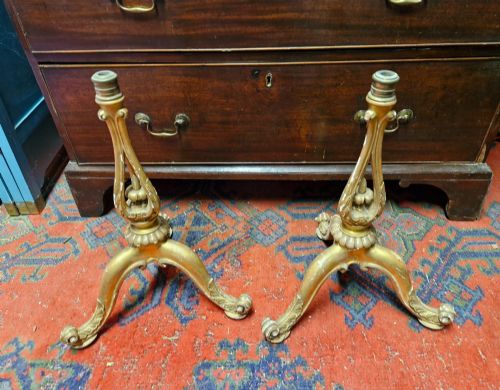
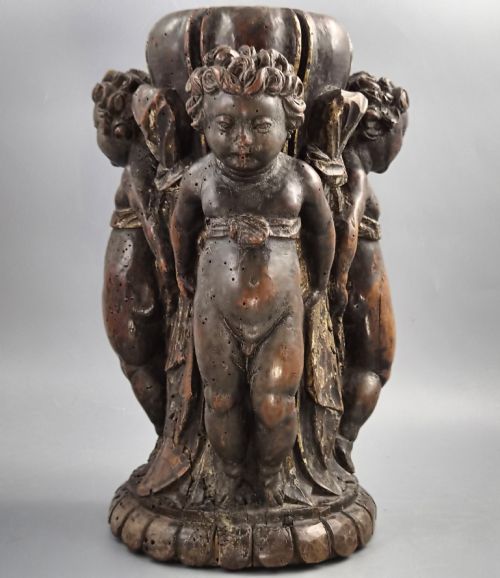
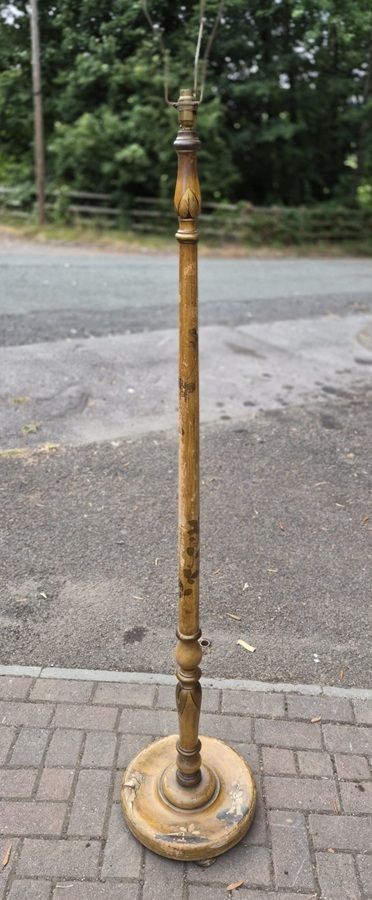
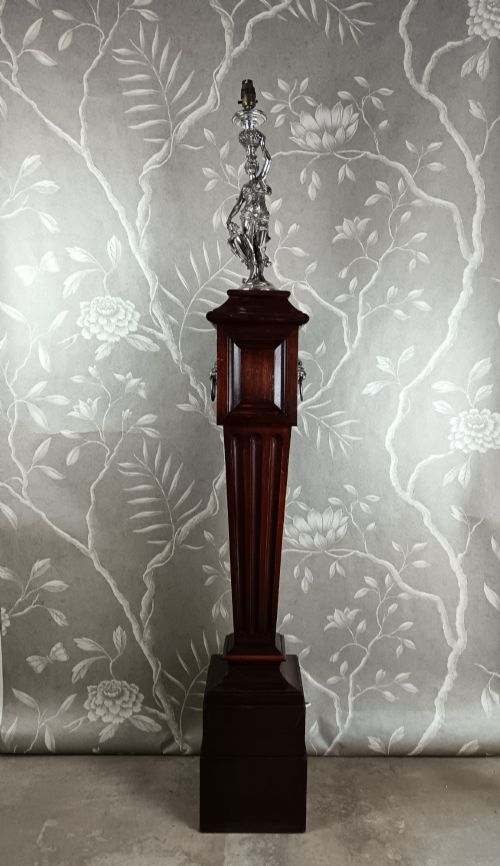
Carving, gilding, and painting defined decorative treatments across periods, seen in Italian pinewood torcheres, Chinoiserie decorated standard lamps, and carved mahogany figural supports. Artisans applied silver leaf, ebonisation, or limed finishes to accentuate the grain and sculptural detail of the timber.
Listings feature woods such as oak, mahogany, walnut, and satinwood, alongside periods ranging from the 18th century to Art Deco.
What varies in quality
Construction integrity and timber selection determine the standard of an upright stand, separating heavy, well-balanced hardwood turned pieces from lighter, composite constructions. Grain movement, the crispness of hand-carved foliage or figures, and the stability of tripod and socle bases indicate the level of workshop skill involved.
Surface preservation marks the distinction between untouched period finishes and later alterations, observing how original gilding, painted Chinoiserie motifs, or polished patination survive on the wood. The integration of original brass fittings and the proportion between the vertical shaft and the base dictate visual balance.
The Antique Wooden Standing Light Glossary
- Torchere
- A tall ornamental stand or candlestick originally designed to carry a torch or candle, often featuring carved wooden columns and tripod bases.
- Standard lamp
- A freestanding floor lamp designed to hold a shade and illuminate a room from an upright wooden shaft.
- Barley twist
- A spiral turning technique executed on a lathe to create a rope-like twisted column effect on wooden furniture and lamp standards.
- Socle
- A short plain plinth or pedestal acting as a foundational support for a carved figure, candlestick, or lamp base.
- Chinoiserie
- European decorative style reflecting Chinese artistic motifs, frequently applied in lacquer and painted decoration on standard lamps.
Antique Wooden Standing Light: Frequently Asked Questions
What is an antique wooden standing light?
An antique wooden standing light is a tall vertical fixture or candlestick made from timber, designed to support a candle or electric lamp above floor or table level.
These pieces range from 18th-century mahogany candlesticks to 1920s oak and walnut standard lamps and Italian carved torcheres.
How do I date an antique wooden standing light?
Dating relies on identifying stylistic markers, timber types, and turning methods associated with periods such as Georgian, Victorian, Edwardian, and Art Deco.
Proportions, joinery techniques, and decorative finishes like Chinoiserie paintwork or silvered carvings help place the piece in its era of origin.
Were these lights originally electrified?
Most examples from the 18th and 19th centuries were built exclusively for candles, rushlights, or oil before being adapted for electricity in later decades.
Art Deco and 1920s standards were frequently designed around the transition to electric lighting, while earlier torcheres and candlesticks served purely as candle holders.
How do I place a standard lamp in a room?
Standard lamps and torcheres function as vertical focal points and ambient light sources, suiting placement in corners, beside seating, or along hallways.
Pairing matching floor lamps or balancing heavy carved oak and walnut columns with period furniture maintains spatial harmony in a room.