



Antique Wooden Spice
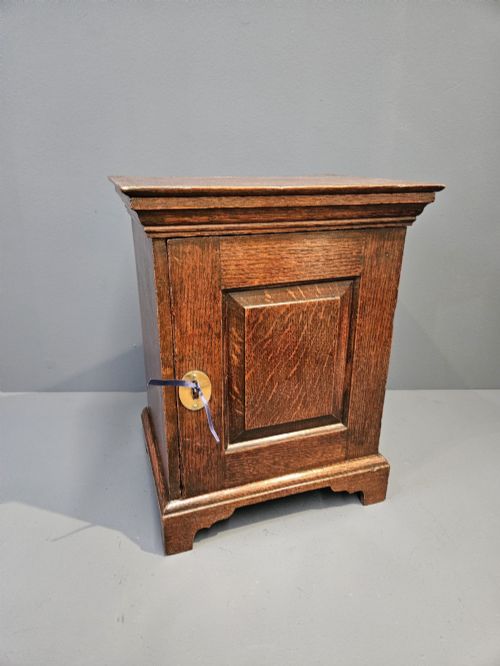
These antique wooden spice containers and small cabinets are tactile domestic artefacts built to hold culinary aromatics.
Antique Wooden Spice
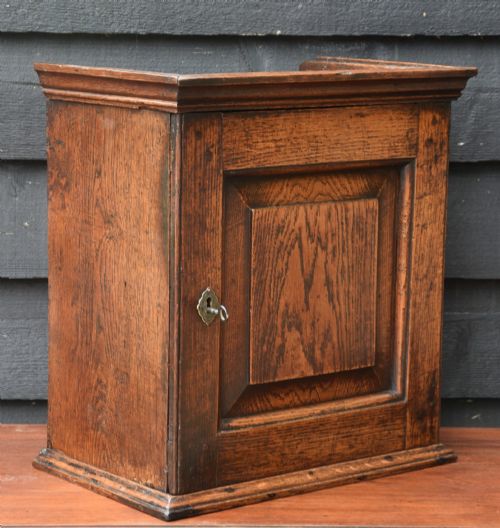
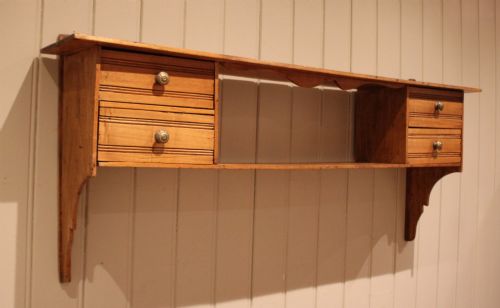
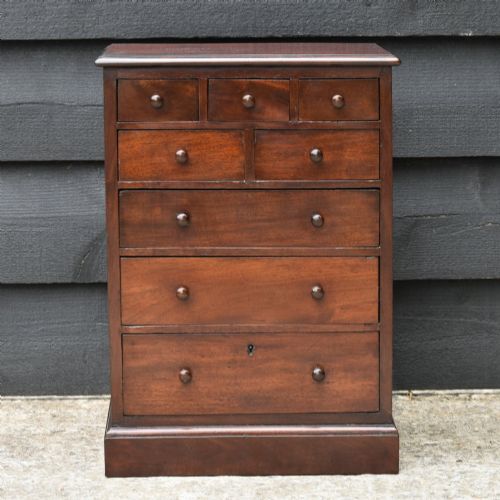
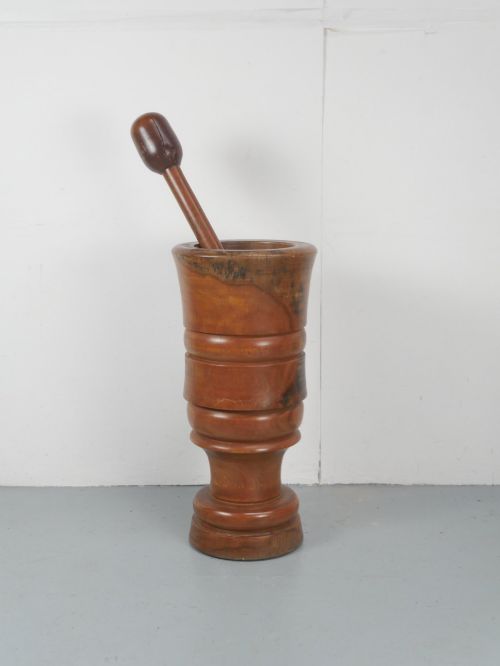
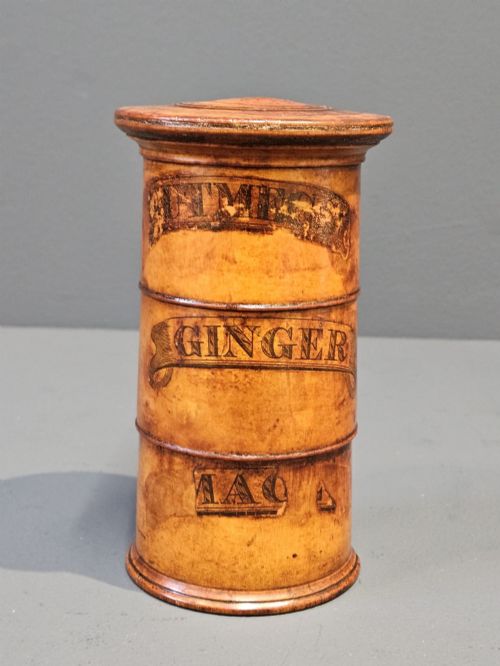
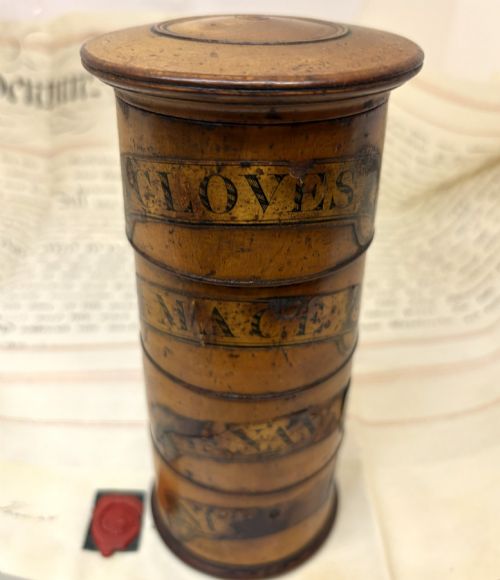
When you search for antique wooden spice pieces, you encounter a range of functional domestic items including spice cupboards, tabletop drawers, spice towers, and mortars. These objects span from the 17th century through the Victorian era and Edwardian period.
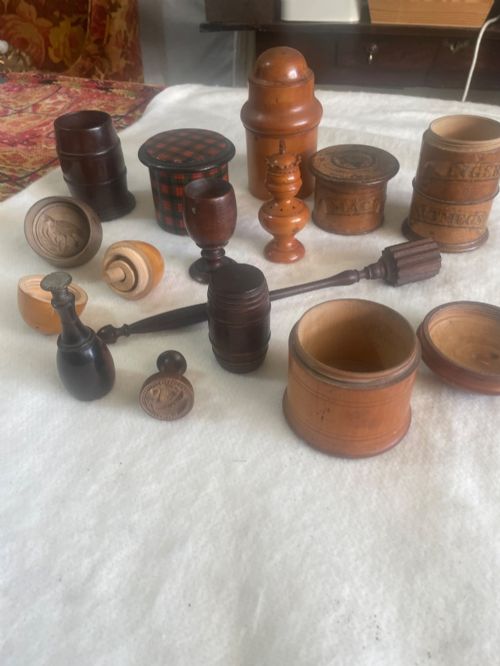
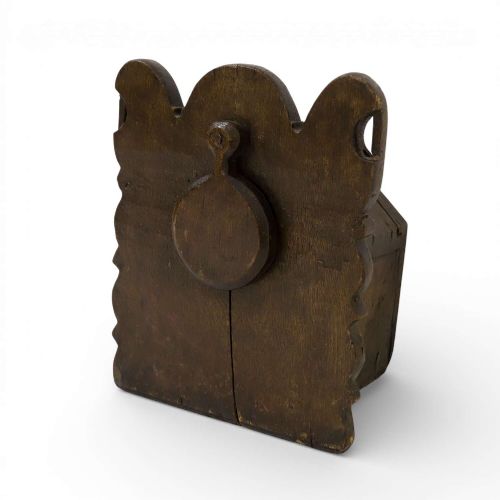
The most common forms on this page are wall-hanging cupboards, small sets of drawers, and turned treen spice towers. They originate from domestic kitchens and apothecaries, fashioned to store precious flavourings and medicinal ingredients.
Materials represented across these items include oak, fruitwood, pine, mahogany, and sycamore, often accompanied by original iron hardware. Many retain traces of early paint or natural patination developed through centuries of handling.
How they were made
Cabinet makers and turners utilised dense native timbers such as oak, fruitwood, and sycamore to construct these small containers and wall cabinets. Joinery methods involve pegged joints, dovetails, and hand-turned sections for multi-tiered towers and mortars.
Surface finishes range from bare polished wood to red painted treatments and hand-painted decorative schemes. Iron hardware, including hinges and latches, was hand-forged to secure doors and lids on storage boxes.
Antique Wooden Spice Retail Price Guide 2026
Typical asking prices for wooden spice among the pieces listed under this phrase on Sellingantiques today, from the lower quarter to the upper quarter. They describe what is for sale here now, not the wider market.
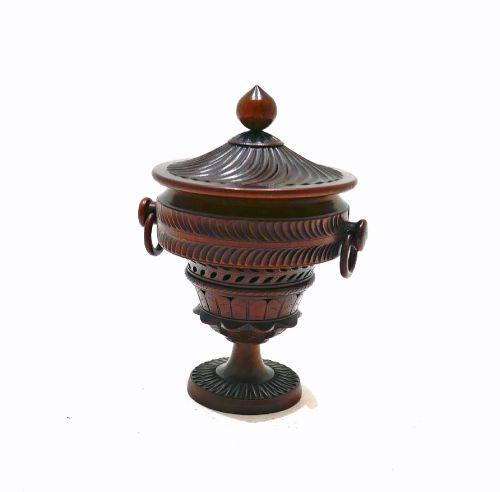
A travelling cook could grind nutmeg inside a carved fruitwood bottle shaped like a wine container.
What varies in quality
The distinction between standard domestic items and superior examples lies in the crispness of hand-carved detailing and the complexity of form, such as multi-tiered spice towers and architectural spice cupboards. Originality of surfaces, including authentic red paint traces and untouched iron hardware, elevates a piece.
Timber selection also dictates quality, with finely figured fruitwood, burr walnut, and early quarter-sawn oak representing the more accomplished craftsmanship of their respective centuries.
The Antique Wooden Spice Glossary
- Spice tower
- A multi-tiered turned wooden container. Sections stack or screw together to hold various individual aromatics.
- Mortar and pestle
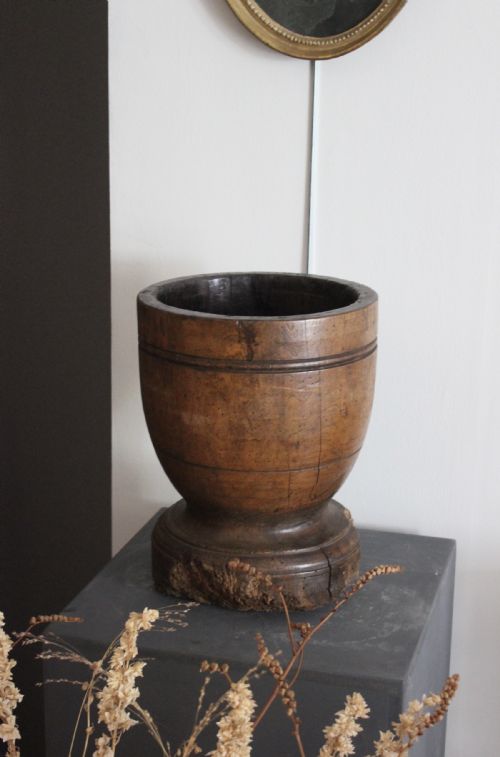
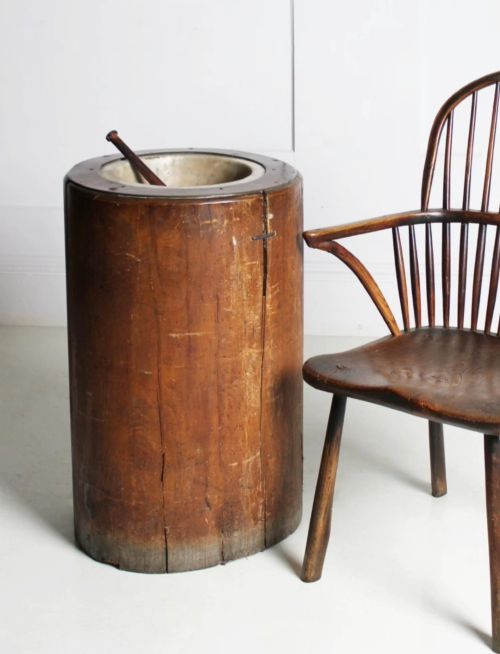
- A heavy bowl and club-shaped tool used for grinding. Examples are turned from dense woods or fashioned from metal.
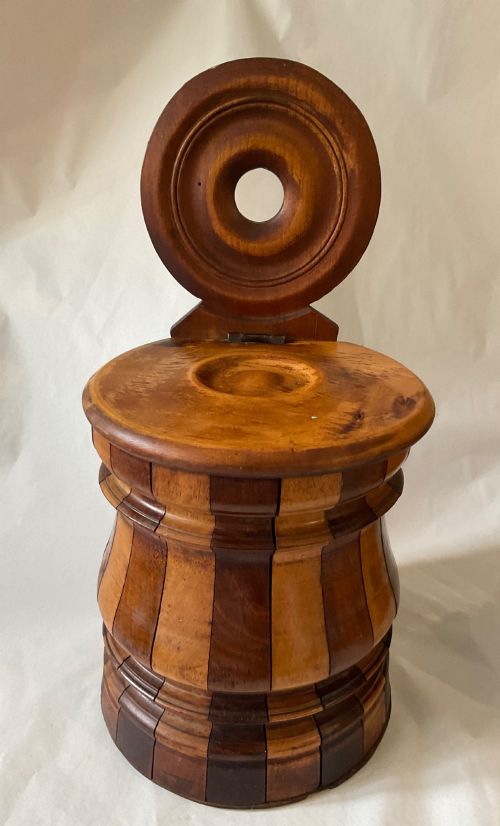
- Salt box
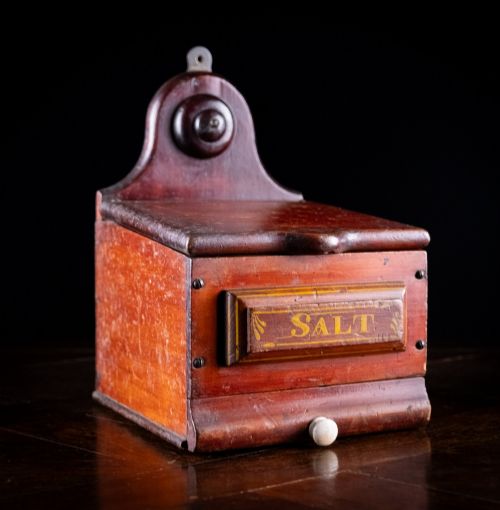
- A wall-mounted wooden container with a sloping lid. These boxes often share forms and kitchenalia contexts with spice storage.
Antique Wooden Spice: Frequently Asked Questions
What were antique spice towers used for?
Spice towers held multiple powdered or whole aromatics in separate stacked compartments. The turned wooden sections kept precious imported flavours dry and accessible in the kitchen.
Their compact vertical design saved valuable counter space in historic domestic spaces. Collectors value them as tactile examples of early woodturning.
How do I date an oak spice cupboard?
Dating relies on construction methods such as hand-cut dovetails, pegged joints, and the type of iron hardware used. Early pieces from the seventeenth and eighteenth centuries show distinct hand-tool marks and heavier oak framing.
Later Victorian and Edwardian examples often feature machine-sawn elements and lighter secondary timbers like pine. Style indicators like Georgian proportions also help narrow the period.
Where should I hang a wall spice box?
Wall-hanging spice boxes and small cupboards suit traditional kitchens, pantries, or dining rooms where timber textures complement the interior. They require stable humidity away from direct heat sources to protect historic wood and paint.
Fixings must support the weight of solid oak or fruitwood safely using appropriate wall anchors. Many feature original hanging brackets designed for vertical display.
What is treen?
Treen refers to small functional wooden objects created by turning, carving, or joining timber. This category includes spice grinders, pomanders, lidded cups, and small containers.
These items gain their appeal from the smooth patination acquired through decades of handling. They represent everyday vernacular craft alongside formal cabinet making.