






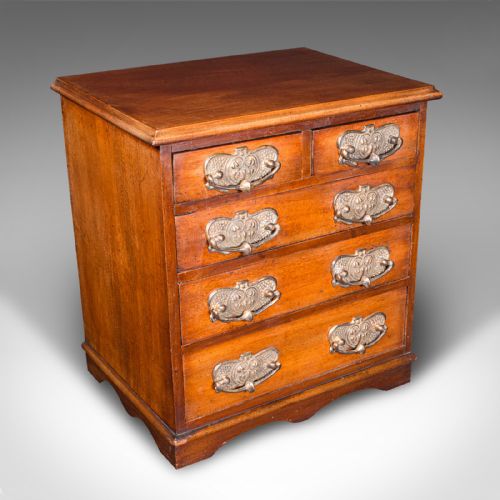
Antique Wooden Specimen Case
These antique wooden specimen case examples are purposeful containers built to hold and display natural history, instruments, or small valuables.
Antique Wooden Specimen Case
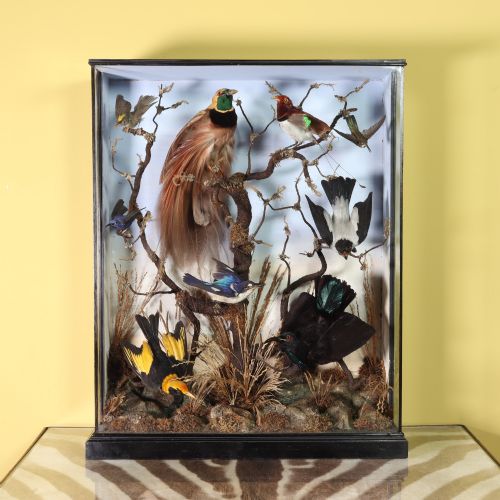
An antique wooden specimen case serves to protect and display delicate objects, ranging from taxidermy birds to medical instruments and botanical specimens. When searching for an antique wooden specimen case, you will most frequently encounter Victorian examples alongside pieces from the Regency and Edwardian periods.
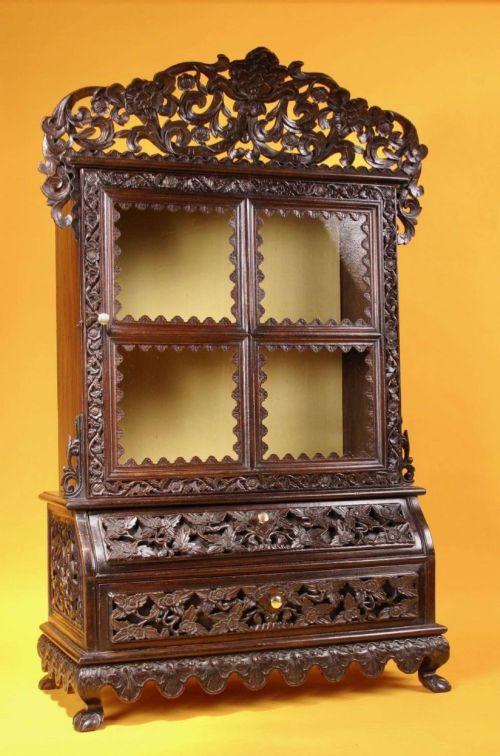
The forms vary from tabletop cabinets and desktop chests of drawers to glazed display cases and glazed domes. These pieces reflect the nineteenth and early twentieth-century preoccupation with collecting, classification, and scientific study.
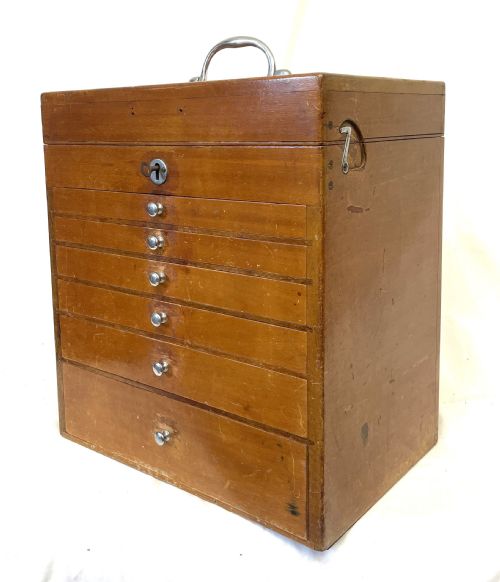
Makers utilised various formats, including multi-drawer desktop collector cases, cigar humidors, and medical carrying chests. The construction prioritises clear visibility of the contents, often incorporating glass panels alongside timber frames.
Materials and construction
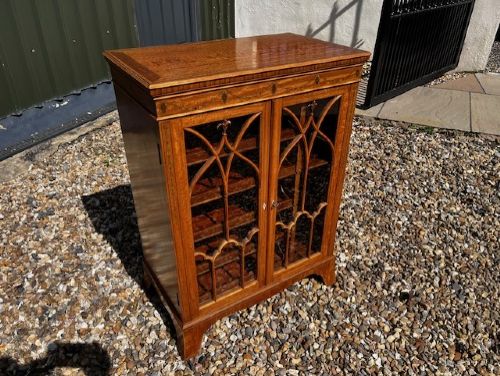
Makers constructed these cases using solid hardwoods such as mahogany, oak, cedar, and satinwood, occasionally enhanced with marquetry inlay or pine carcases. The choice of timber reflects the functional requirements of the case, from robust medical chests to fine tabletop display cabinets.
Glass is integral to the construction, forming protective panels, viewing doors, and oval domes that keep dust away from taxidermy and delicate items. Brass hardware appears commonly in the form of carrying handles, drawer pulls, hinges, and lock escutcheons.
Joinery techniques focus on secure, tight-fitting joints to protect the interior contents from environmental shifts and pests. Cabinetmakers combined glass fitting with precision drawer construction, particularly in miniature chests and desktop collector cases.
Listings feature pieces spanning the Regency, Victorian, and Edwardian periods, constructed in mahogany, satinwood, oak, pine, and cedar.
Assessing quality in a specimen case
The standard of timber selection and cabinetmaking distinguishes finer examples from utilitarian storage boxes. Superior pieces feature carefully matched veneers, refined inlay work, and robust dovetail joints on drawers.
The integration of glass and framing defines the visual success of the piece, where narrow timber sightlines and clean glazing bars offer an unobstructed view. Finer tabletop cabinets and collector cases demonstrate proportion and restraint in their mouldings.
Hardware quality further separates the workshop output, with heavy brass fittings, working locks, and original drawer pulls indicating superior manufacture compared to mass-produced alternatives.
J Griffiths of Burford·Rowland Ward of London·W.F. Homer London·J Dobson·Cooper and Sons
The Antique Wooden Specimen Case Glossary
- Collector's cabinet
- A small chest of shallow drawers designed to organise and display insects, shells, or botanical samples. These pieces often feature glass-topped drawers or locking panel doors.
- Tabletop cabinet
- A compact display enclosure built to sit upon a desk, table, or sideboard. They typically incorporate glazed sides and doors for all-round visibility.
- Marquetry
- The decorative technique of applying thin veneers of various coloured woods to a structural surface to create pictorial patterns or geometric designs. It appears on finer Victorian satinwood pieces.
- Dome
- A blown or formed glass cover set over a wooden or fabric-covered base to protect taxidermy or botanical arrangements. These round or oval covers keep the interior entirely dust-free.
- Desktop case
- A portable miniature chest with multiple small drawers intended for office or study use. They frequently served dual purposes as specimen storage or cigar humidors.
Antique Wooden Specimen Case: Frequently Asked Questions
What were antique wooden specimen cases originally used for?
These cases were built by naturalists, doctors, and collectors to house taxidermy, scientific instruments, apothecary supplies, and delicate specimens. They allowed owners to store and study their collections while protecting them from dust and damage.
Over time, many of these utilitarian containers transitioned into decorative domestic objects. Today, buyers repurpose them to display contemporary collections or as striking standalone furniture items.
How do I date an antique wooden specimen case?
Dating relies upon timber choices, construction methods, and stylistic cues from periods like the Regency, Victorian, and Edwardian eras. Mahogany and satinwood frequently indicate nineteenth-century work, while simpler pine and oak forms often align with later industrial utility.
Examining the hardware, such as brass handles and lock mechanisms, also helps narrow down the decade of manufacture. Maker stamps or labels, when present, provide the most direct evidence of origin.
Are specimen cases suitable for everyday desktop use?
Miniature chests of drawers and tabletop cabinets function well for organising modern stationery, trinkets, or small collections. Their shallow drawers are specifically proportioned for small items.
Care should be taken with antique glass panels and delicate timber surfaces when placing them in active workspaces. Regular dusting and stable humidity levels will preserve the finish.
How do I maintain the glass and wood on these pieces?
Clean the glass panels gently with a mild cleaner applied to a cloth rather than sprayed directly onto the surface, protecting the surrounding timber and seals. Feed the dry wood periodically with a suitable wax to maintain the finish.
Avoid placing cases in direct sunlight or near heat sources to prevent timber warping and shrinkage. Gentle handling of brass hardware and drawer pulls ensures the joints remain secure.