





Antique Wooden Showcase
An antique wooden showcase brings instant order and presence to a room, turning everyday collections or treasured items into points of focus.
Antique Wooden Showcase
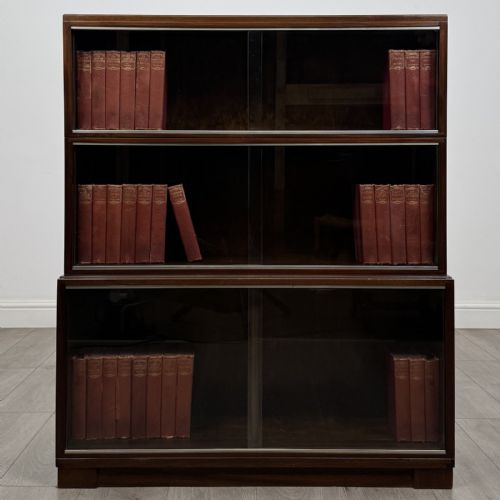
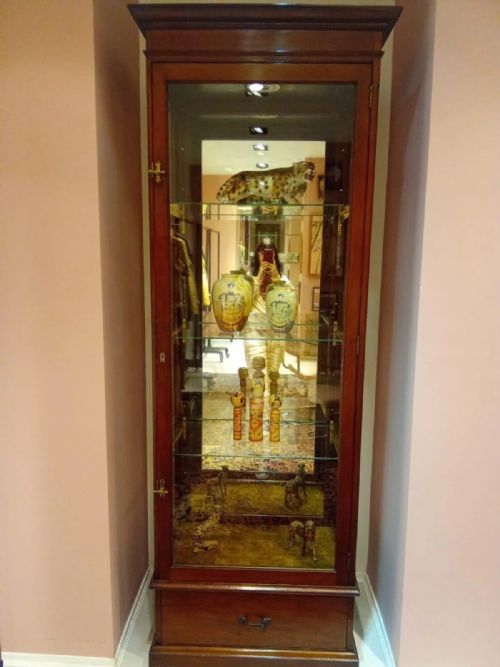
An antique wooden showcase serves to protect and display objects, ranging from tabletop display cabinets and countertop units to towering shop display cabinets and wall-mounted variations. These pieces span the Victorian and Edwardian eras, moving into the 1920s and 1930s with commercial and domestic forms.
The inventory leans heavily towards practical display furniture, including shop display counters, bijouterie tables, and specialised display domes with wooden bases. Buyers encounter sturdy oak and mahogany constructions alongside pine, beech, and ebonised wood.
Regional styles and revival periods shape the selections on offer, from Victorian Dutch and French Louis XV revival to Anglo-Indian pieces and early twentieth-century commercial designs. Each form reflects the specific retail or domestic sorting needs of its original era.
Materials and construction methods
Cabinet makers relied on hardwoods such as mahogany and oak for structural durability, while secondary timbers like pine and beech served for internal framing and bases. Glazing forms the primary visual barrier, utilising large glass panes and delicate wooden frames to maximise visibility.
Metal components such as brass hinges, locks, and adjustable shelf brackets provide functional support to heavy doors and glass panels. Interiors often feature linings of felt or simple polished wood to cushion and set off the items placed within.
Antique Wooden Showcase Retail Price Guide 2026
Typical asking prices for wooden showcase among the pieces listed under this phrase on Sellingantiques today, from the lower quarter to the upper quarter. They describe what is for sale here now, not the wider market.
Listings feature woods such as mahogany, oak, pine, beech, and ebonised wood alongside glass and brass.
Distinctions in quality and execution
The integrity of the timber framing and the clarity of the original glass set the baseline for a piece, alongside the precision of the joinery in doors and sliding panels. Superior examples exhibit tightly fitted mitres, smooth mechanical action in drawers and doors, and well-chosen wood grain.
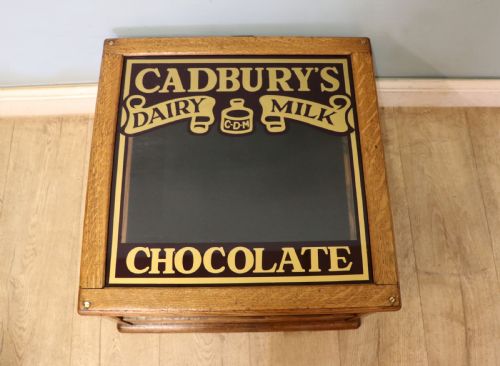
The presence of original hardware, such as brass makers' plaques or specialised shop signage, elevates the historical weight of a counter or wall cabinet. Conversely, heavily altered interiors or replaced glass panels shift a piece away from its original factory or workshop state.
The Antique Wooden Showcase Glossary
- Vitrine
- A glass-fronted cabinet designed specifically for displaying fine porcelain, curiosities, or objects d'art. This French term frequently applies to elegant freestanding or wall-mounted display furniture.
- Bijouterie table
- A low display table featuring a glazed top and a shallow compartment beneath for showcasing small jewellery, medals, or coins. These tables were popular in nineteenth-century drawing rooms.
- Display dome
- A blown glass bell jar set onto a wooden base, typically used during the Victorian period to protect delicate taxidermy, clocks, or delicate ornaments from dust. The wooden bases are commonly turned from oak, pine, or beech.
- Apothecary cabinet
- A utilitarian countertop unit originally intended for pharmacies or mercantile shops to hold small goods, herbs, or proprietary items in partitioned drawers or glazed compartments.
- Inlay
- The technique of embedding contrasting strips of wood or shell into the primary timber surface to create geometric or floral patterns. This decorative method defines finer Edwardian and revival display cabinets.
Antique Wooden Showcase: Frequently Asked Questions
What is an antique wooden showcase used for?
These pieces serve to exhibit and protect small collections, books, ceramics, or curiosities while keeping them free from dust. In a modern interior, they function as focal points in living rooms, hallways, or studies.
Originally built for retail shops, pharmacies, or domestic drawing rooms, their deep shelves and glass panels offer clear visibility from multiple angles.
How do I date an antique wooden showcase?
Dating relies on examining the timber species, construction techniques, hardware, and prevailing architectural styles visible in the frame. Victorian and Edwardian examples often display distinct mouldings and joinery methods.
Commercial pieces from the 1920s and 1930s frequently incorporate standardised hardware and commercial lettering associated with specific manufacturers or brands of the era.
Where should I place a countertop display cabinet?
Countertop and table-top models sit well on sturdy sideboards, chests of drawers, or dedicated wooden tables where their glass panels receive adequate ambient light. Placing them away from direct heat sources protects the old wood and internal fabric linings.
Ensure the supporting surface can bear the combined weight of the solid timber frame, glass panes, and the objects placed inside.
What maintenance do glass and wood display cases need?
Routine care involves dusting the timber with a dry cloth and cleaning the glass panes with a standard non-ammonia glass cleaner applied to a cloth rather than sprayed directly. This prevents moisture from seeping into old wooden joints.
Checking the brass hinges and locks periodically ensures the doors swing true without placing undue stress on the glass framing.