

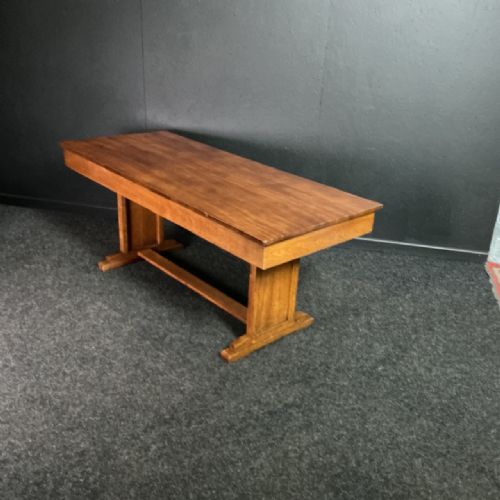

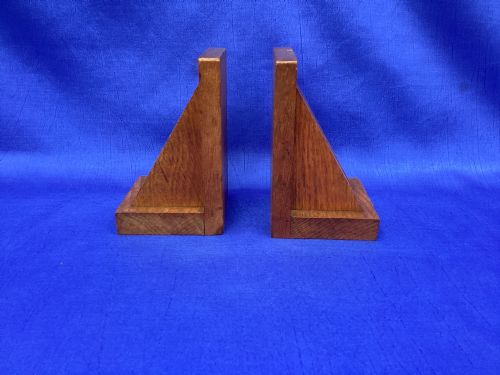


Antique Wooden School Desk
An antique wooden school desk brings sturdy utility and historic charm into a modern room, offering compact workspace with genuine character.
Antique Wooden School Desk
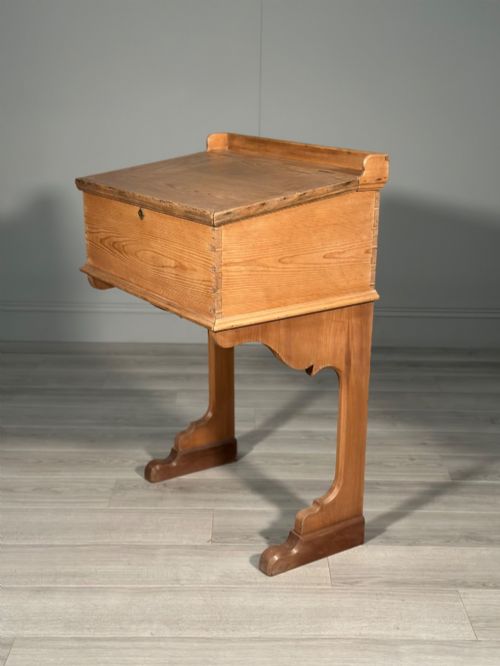
When you search for an antique wooden school desk, you are looking at practical furniture fashioned for education, spanning from the eighteenth century through to the Edwardian and Art Deco periods. These pieces include child desks, clerks desks, and teachers writing tables constructed to withstand daily classroom use.
The versions you are most likely to meet on this page range from Georgian oak and elm specimens to nineteenth century pine school desks and early twentieth century examples. They reflect the straightforward design priorities of institutional spaces, prioritising writing surfaces and storage.
Object types associated with this search encompass sturdy clerks desks alongside smaller children's writing furniture. Their origins trace back through British and European schoolrooms and public institutions, showing honest signs of past scholarly labour.
How they were made
Construction relies heavily on durable timbers like oak, pine, elm, and rosewood, chosen for their resilience against heavy daily wear. Joinery methods prioritise straightforward strength, utilising sturdy frames to support sloped writing surfaces.
Metal elements in iron and brass frequently appear as structural braces, hinges, inkwell collars, and locking mechanisms. These hardware additions secure movable lids and reinforce joints against the rigours of the schoolroom.
Antique Wooden School Desk Retail Price Guide 2026
Typical asking prices for wooden school desk among the pieces listed under this phrase on Sellingantiques today, from the lower quarter to the upper quarter. They describe what is for sale here now, not the wider market.
Listings span from the eighteenth century to the 1930s, featuring materials such as oak, pine, elm, iron, and brass.
What varies in quality
The distinction between ordinary utility items and finer pieces lies in the choice of cabinet timber and the refinement of the joinery. Select examples exhibit superior wood grain in oak or elm, alongside carefully patinated surfaces that show decades of gentle use.
Proportion and structural integrity also divide the range, with well-balanced proportions and intact original hardware holding greater appeal. Pieces retaining their matching stools or functioning inkwells represent a more complete survival of their original form.
Pairs MFG Co·Edward Barnsley·Arthur Basil Reynolds·Gordon Russell
The Antique Wooden School Desk Glossary
- Clerks desk
- A tall writing desk traditionally used by clerks or teachers, often featuring a sloping top and internal compartments for ledgers. These pieces were built for standing or high-stool seating.
- Pine
- A softwood commonly utilised in utilitarian school furniture for its abundant availability and ease of working. It develops a warm patina through years of scrubbing and ink spills.
- Oak
- A hard, durable timber favored for centuries in the construction of robust institutional furniture. Its prominent grain gives these desks their characteristic textured finish.
- Elm
- A tough, interlocking hardwood frequently selected for domestic and school desk tops due to its resistance to splitting. It offers a rich, undulating grain pattern.
Antique Wooden School Desk: Frequently Asked Questions
What is an antique wooden school desk?
An antique wooden school desk is a piece of institutional furniture designed for writing and study in classrooms or public institutions. They encompass child-sized writing boxes, teachers tables, and clerks desks.
Built primarily from timbers like oak, pine, and elm, these desks often feature sloping writing tops and integrated compartments for ink and books.
How were school desks used historically?
These desks provided students and teachers with a dedicated, stable surface for handwriting, ciphering, and storing educational materials. Sloping tops helped maintain a proper posture during long hours of study.
Many examples include inkwell holes and ledges to prevent writing implements from rolling onto the floor during lessons.
How do I date a wooden school desk?
Dating relies upon examining the timber species, construction techniques, and period characteristics present in the piece. Georgian and eighteenth-century examples display different joinery methods compared to nineteenth-century pine or early twentieth-century designs.
Hardware elements such as brass hinges and iron brackets also offer clues to the manufacturing era of the desk.
How do I live with a school desk?
Living with an antique school desk involves integrating compact writing furniture into modern studies, bedrooms, or living spaces. Their modest proportions make them suitable as laptop stations or writing spots.
Maintaining the wood involves simple dusting and occasional waxing to preserve the historic patina acquired through decades of classroom use.