



Antique Wooden Rosette
An antique wooden rosette brings centuries of architectural carving into a room, offering tactile depth and historic character.
Antique Wooden Rosette
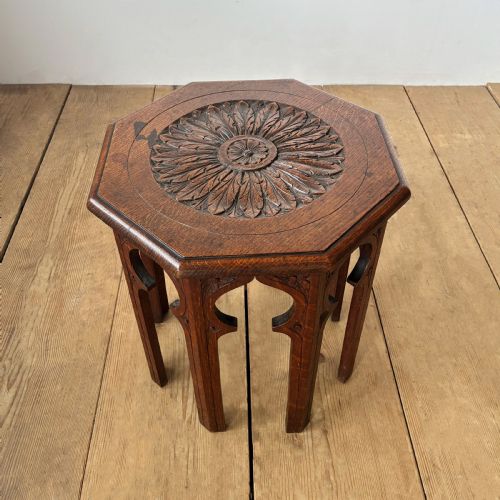
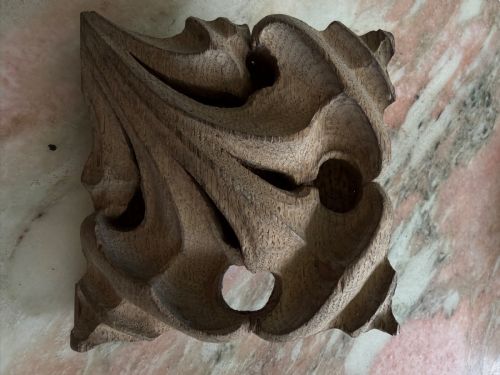
When you search for an antique wooden rosette, you are looking at architectural elements such as ceiling bosses, ceiling rose panels, and carved architectural salvage originating mostly from the seventeenth and eighteenth centuries. These carved wooden ornaments were originally set into timber ceilings, panelling, and structural beams to anchor decorative schemes in grand homes and public buildings. They range from formal Tudor Gothic motifs with deeply undercut leafwork to simpler chip-carved geometric discs found in country houses.
On this page, you will most frequently meet these architectural fragments presented as standalone decorative panels, mounted ceiling bosses, or integrated elements within broader woodwork. While the search phrase focuses on the rosette itself, the broader inventory spans centuries of oak, walnut, and mahogany furniture and fittings that share the same carving traditions. Collectors use them as wall displays, table centrepieces, or focal points in period interior restorations.
Materials and construction methods
The makers of an antique wooden rosette relied predominantly on domestic hardwoods like oak and walnut, selected for their stability and capacity to hold crisp, deep chisel work. Timbers were typically hand-sawn and seasoned over long periods before carvers applied gouges, chisels, and parting tools directly to the grain. Surface finishes on these pieces generally developed through centuries of wax application and atmospheric ageing rather than heavy modern sealants.
Construction techniques varied according to whether the rosette served as a structural ceiling boss or an applied decorative panel. Many pieces feature pegged joints or integrated backplates designed to secure the carving firmly into larger timber frames. Secondary materials such as gesso and gilt appear on later Victorian and Georgian iterations, adding reflective contrast to the carved wooden relief.
Antique Wooden Rosette Retail Price Guide 2026
Typical asking prices for wooden rosette among the pieces listed under this phrase on Sellingantiques today, from the lower quarter to the upper quarter. They describe what is for sale here now, not the wider market.
Listings featuring rosette motifs draw heavily on seventeenth and eighteenth-century oak architectural salvage, including ceiling bosses and panels.
Assessing quality in carved woodwork
Quality in an antique wooden rosette is defined by the confidence and depth of the hand-carving rather than the sheer scale of the object. Master carvers achieved crisp undercut details in foliage and geometric petals that catch the light, whereas lower-tier examples display shallower, more hurried incisions with rounded edges. The crispness of the tool marks tells the story of the artisan's skill and the time invested at the bench.
The integrity of the timber and the preservation of the original surface patination also distinguish superior items. Pieces that retain their early tool signatures without excessive sanding or modern restoration hold greater authenticity for collectors. Natural shrinkage cracks and historic worm tracks are expected in centuries-old timber, provided they do not compromise the structural stability of the carved design.
Maple and Co
The Antique Wooden Rosette Glossary
- Ceiling boss
- A projecting architectural ornament set at the intersection of ribbed vaulting or timber beams. These structural keystones often take the form of carved rosettes, leaves, or heraldic shields.
- Chip carving
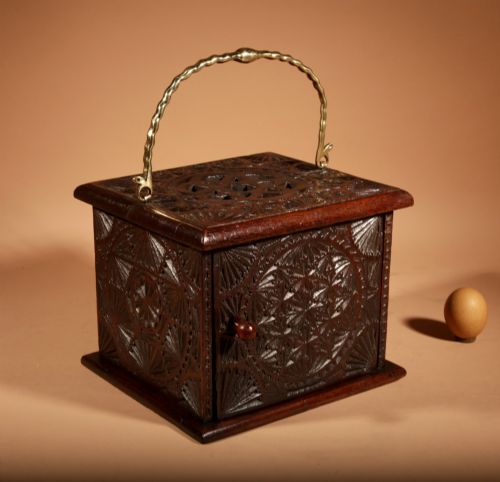
- A primitive woodworking technique where small triangles or chips of wood are removed from a flat surface to create geometric patterns. It appears frequently on seventeenth and eighteenth-century domestic boxes and panels.
- Architectural salvage
- Building components rescued from demolition or renovation projects for reuse in interior design. This category includes panels, ceiling roses, doors, and chimneypieces.
- Patina
- The surface sheen and colour acquired by wood, metal, or stone through age, handling, and wear. A rich patina indicates decades of polishing and environmental exposure.
Antique Wooden Rosette: Frequently Asked Questions
How were wooden rosettes used historically?
Historically, these carved wooden elements were pinned or pegged into timber ceilings, wall panelling, and heavy furniture to break up flat expanses of wood. They served both a decorative purpose and, in the case of ceiling bosses, helped conceal structural joints.
Craftsmen often carved them from solid oak or walnut to match the surrounding architectural joinery of manor houses, churches, and civic buildings.
How do I date an antique wooden rosette?
Dating these pieces relies on examining the tool marks, timber species, and stylistic traits of the carving. Seventeenth-century examples often display robust, deep chip-carving in oak, while later Victorian pieces may show machine-assisted preparation or different wood choices.
Comparing the style of the foliage and geometric motifs to known architectural periods helps narrow down the century of manufacture.
How should I display a wooden rosette at home?
Many collectors mount individual rosettes directly onto plain walls using discreet fixings to highlight their sculptural form and three-dimensional depth. They also sit effectively on mantelpieces or within shelving units alongside other historic treen and timber objects.
Keeping them away from direct heat sources and sudden humidity changes ensures the old wood remains stable over time.