

Antique Wooden Rack
An antique wooden rack organises domestic life with timber and metal, offering a practical form that collectors prize for everyday utility and period character.
Antique Wooden Rack
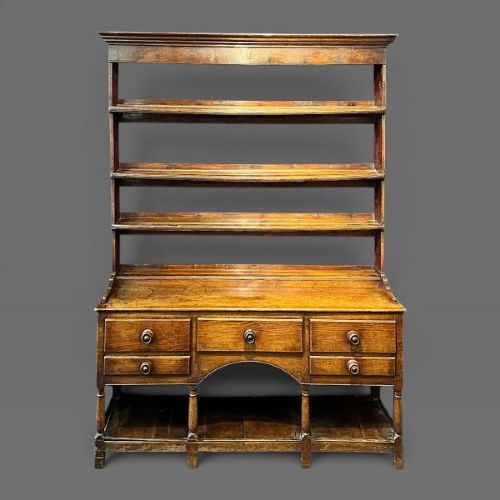
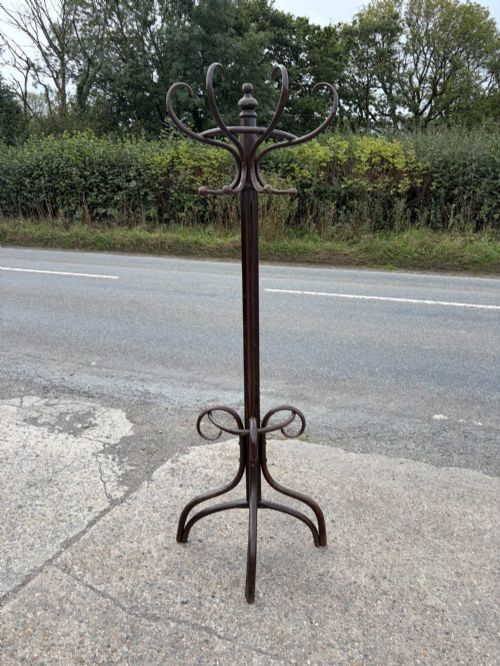
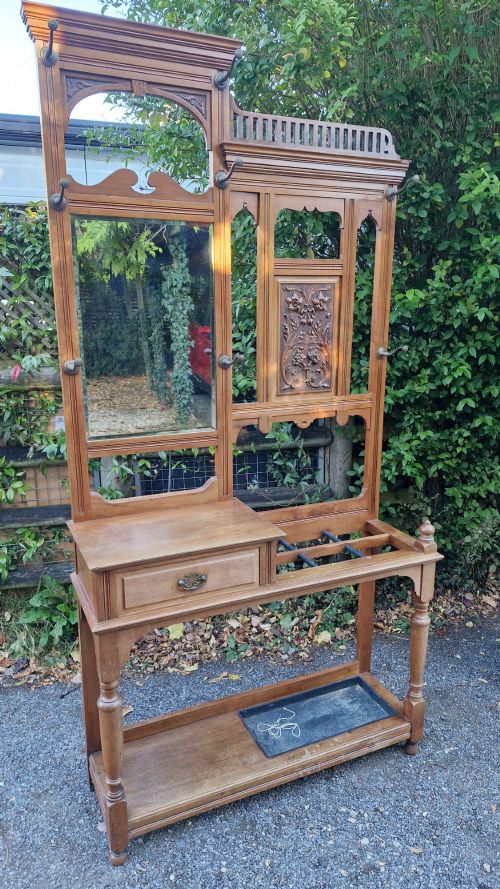
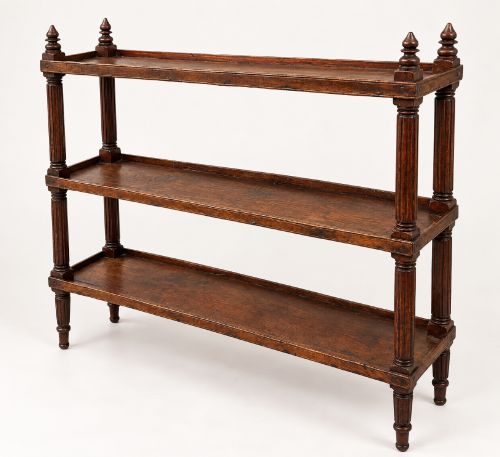
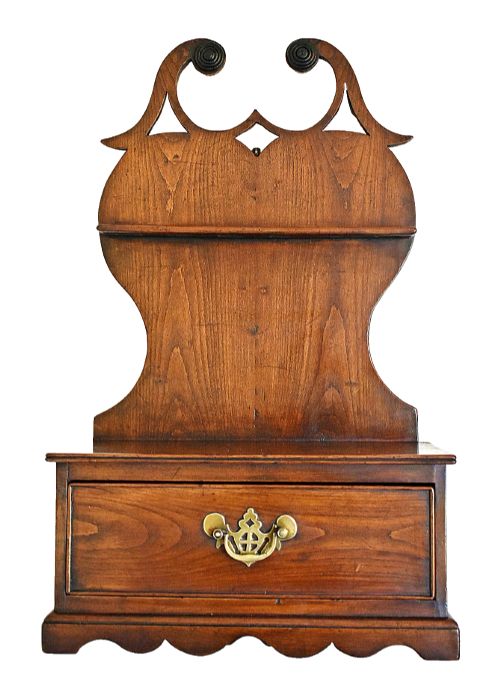
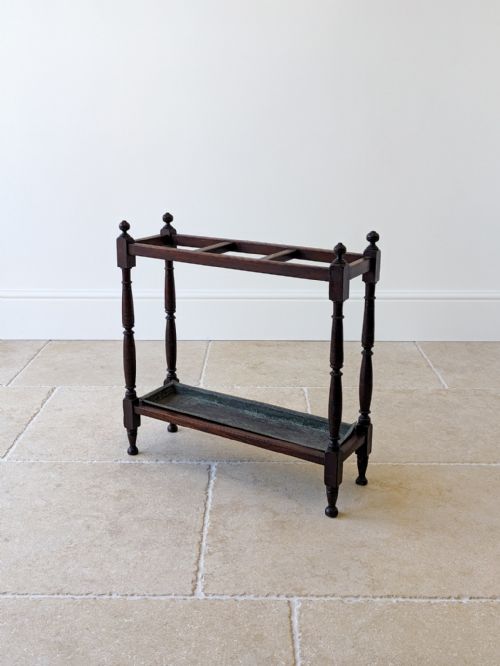
When you search for an antique wooden rack, you encounter a diverse group of domestic furnishings designed for holding garments, books, umbrellas, towels, and papers. These utilitarian objects span the nineteenth and early twentieth centuries, appearing in forms from wall-mounted coat hooks and towel rails to floor-standing umbrella stands and luggage racks.
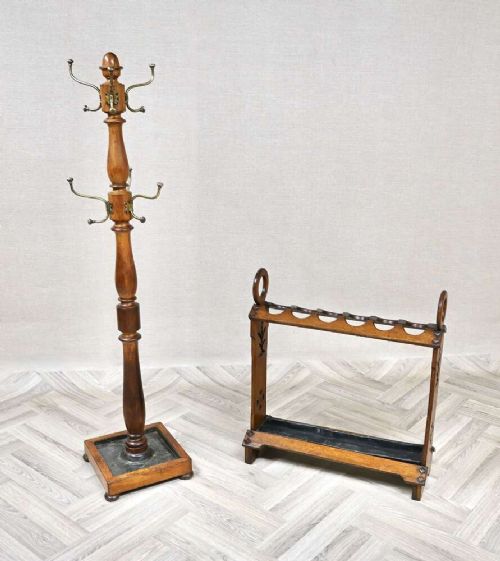
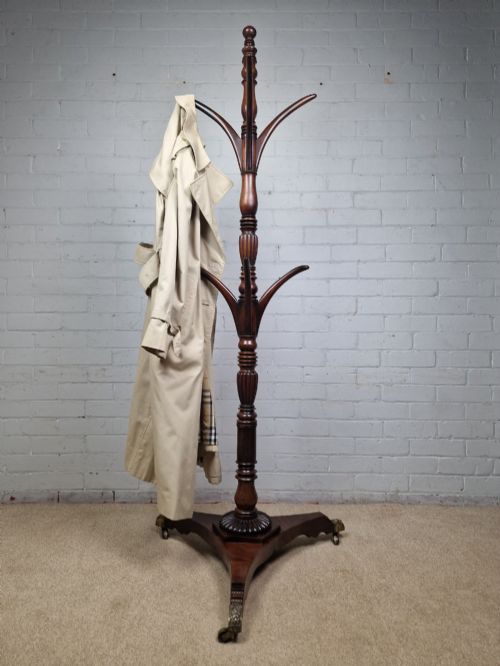
The most common versions on this page are mahogany and oak pieces originating from the Victorian and Edwardian eras. You will frequently find hallway coat racks, bathroom towel rails, and folding luggage stands constructed during periods of domestic expansion when specific household storage became essential.
Makers and manufacturers varied from larger retail firms such as Finnigans to specialised cabinet makers producing everything from revolving hat stands to stationery cabinets. The variety reflects the diverse demands of period interiors, ranging from simple pine and beech utility items to elaborate carved oak and inlaid mahogany furniture.
Materials and construction methods
Makers relied primarily on hardwoods such as mahogany, oak, walnut, and rosewood, alongside more utilitarian timbers like beech, pine, and birch. Timber selection dictated both the function and status of the piece, with richly figured mahogany and golden oak reserved for prominent reception spaces, while beech and pine served utilitarian domestic roles.
Metal components played a crucial role in construction, particularly brass coat hooks, hinges, and folding mechanisms. Iron and brass hardware provided the necessary structural strength for items bearing the weight of wet umbrellas, heavy coats, or packed suitcases.
Antique Wooden Rack Retail Price Guide 2026
Typical asking prices for wooden rack among the pieces listed under this phrase on Sellingantiques today, from the lower quarter to the upper quarter. They describe what is for sale here now, not the wider market.
Some nineteenth-century portable folding wardrobes double as clothes-changing racks designed for adventurous travellers who demanded mobile domestic comfort.
Distinctions in craftsmanship and design
Quality reveals itself in the integrity of timber selection and the precision of joinery, distinguishing utilitarian utility pieces from high-end cabinet work. Finer items exhibit thoughtful detailing such as hand-carved ornamentation, marquetry inlay, and carefully turned spindles rather than mass-produced simplicity.
The sophistication of hardware and mechanical parts separates ordinary items from exceptional ones. Solid brass hooks, robust folding actions on luggage racks and towel rails, and stable weighted bases on freestanding coat stands indicate superior original manufacture.
Brown and Lamont·Finnigans
The Antique Wooden Rack Glossary
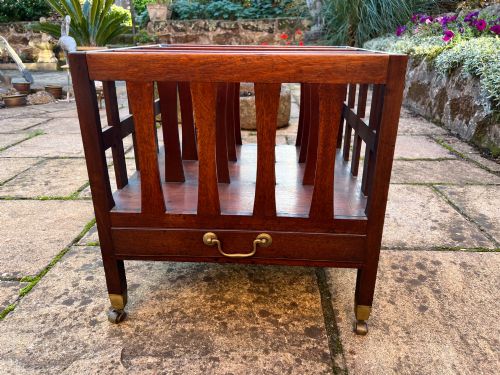
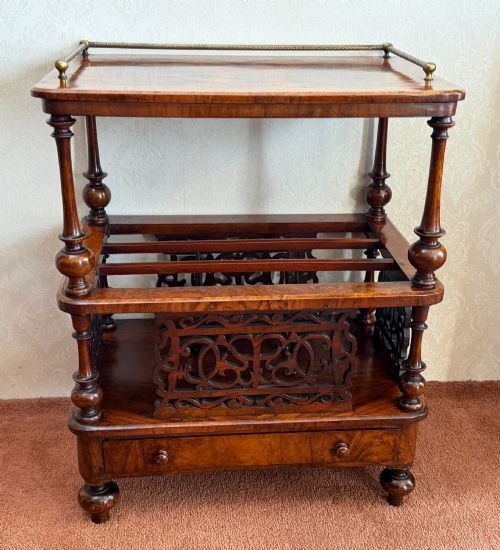
- Canterbury
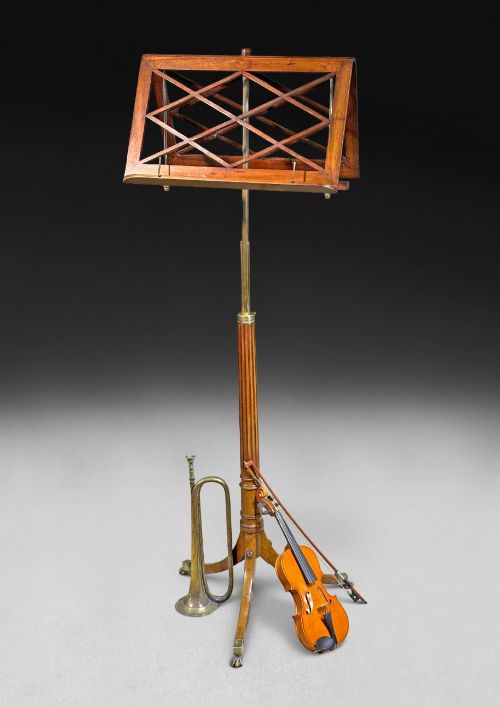
- A low wooden stand with slatted partitions, originally designed for holding sheet music, magazines, or books. These compartments rest on low legs, frequently fitted with castors for easy movement around a drawing room.
- Luggage stand
- A folding or fixed wooden frame with fabric or wooden slats across the top, intended for holding a suitcase at a convenient height. They appear frequently in Victorian and Edwardian guest bedrooms.
- Bentwood
- Wood that has been heated with steam to make it pliable, allowing craftsmen to bend it into curved forms. This technique produced light, strong frames for nineteenth-century hat and coat stands.
- Book slide
- An adjustable desktop or table rack with expandable ends designed to hold a varying number of volumes upright. They often feature decorative end panels carved from mahogany or inlaid with contrasting timbers.
- Towel rail
- A freestanding wooden frame with one or more horizontal bars for airing and drying towels. Many examples from the nineteenth century utilise mahogany or oak construction with shaped side supports.
Antique Wooden Rack: Frequently Asked Questions
What is an antique wooden rack used for?
These items served specific organisational needs in period homes, from holding coats and hats in hallways to airing laundry on towel rails in bedrooms.
Today, buyers repurpose them for modern hallway storage, guest room luggage placement, or displaying books and magazines in living spaces.
How do I date an antique wooden rack?
Dating relies on identifying timber choices, prevailing styles such as Arts and Crafts or Aesthetic Movement, and construction methods like hand-cut dovetails.
Victorian pieces often favour heavier carved walnut or mahogany, while Edwardian examples frequently showcase lighter oak, satinwood inlay, or simplified utility forms.
Are folding wooden racks sturdy?
Period folding racks, particularly Edwardian luggage stands and towel rails, were engineered with functional brass hinges and tight wooden pivots to support heavy household items.
When constructed from dense hardwoods like mahogany or oak, these folding mechanisms remain remarkably resilient for daily modern use.
Where should I place a coat rack?
Wall-mounted coat racks with brass hooks suit narrow hallways, utility rooms, or kitchens for hanging everyday garments and accessories.
Freestanding umbrella and hat stands work best in entrance lobbies where their vertical proportions can anchor the space effectively.