

Antique Wooden Putto
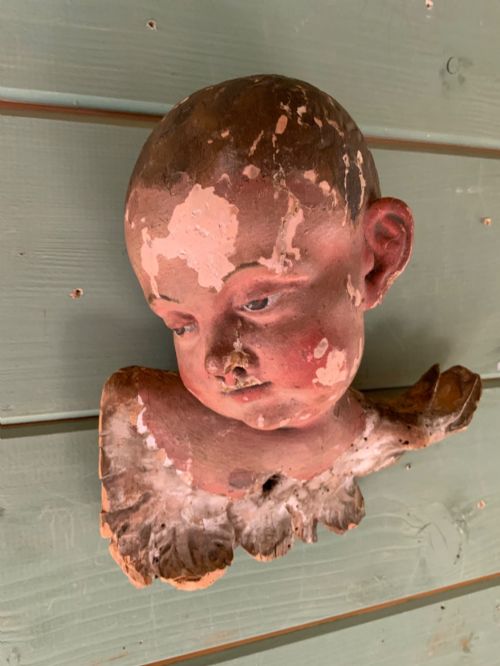
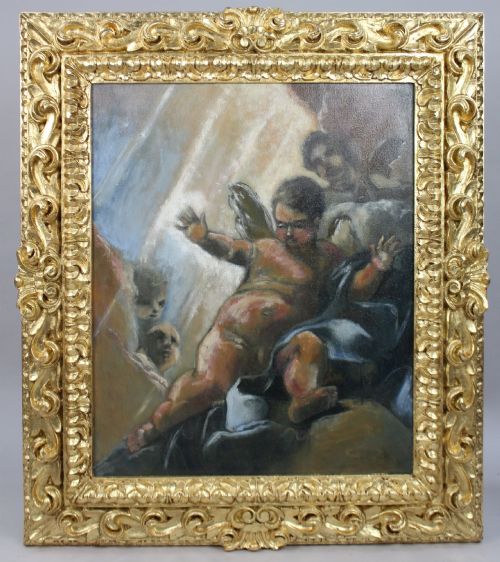
These antique wooden putto carvings bring theatrical Italian and French Baroque drama straight into a room through winged cherubic figures.
Antique Wooden Putto
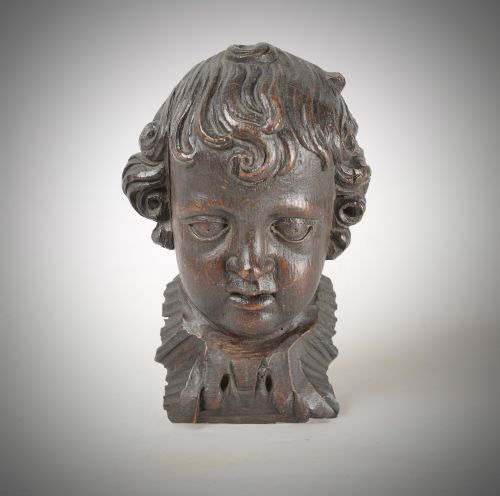
When you search for an antique wooden putto, you enter a world of carved cherubs, winged infants and symbolic figures drawn from religious and classical iconography. The pieces on this page span several centuries, originating primarily from Italian and French workshops shaped by Baroque and Renaissance aesthetics.
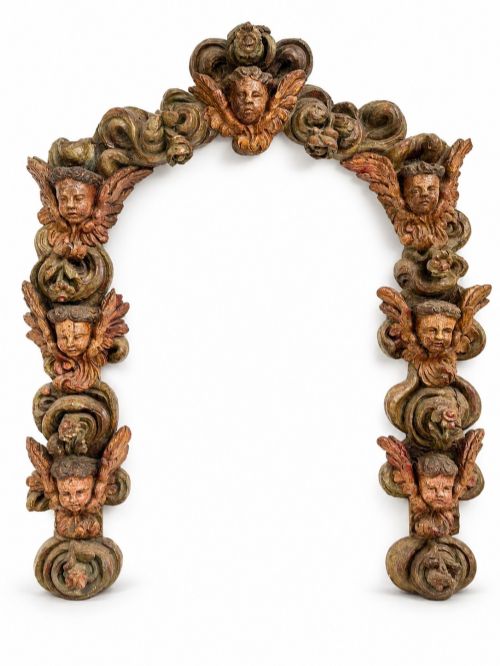
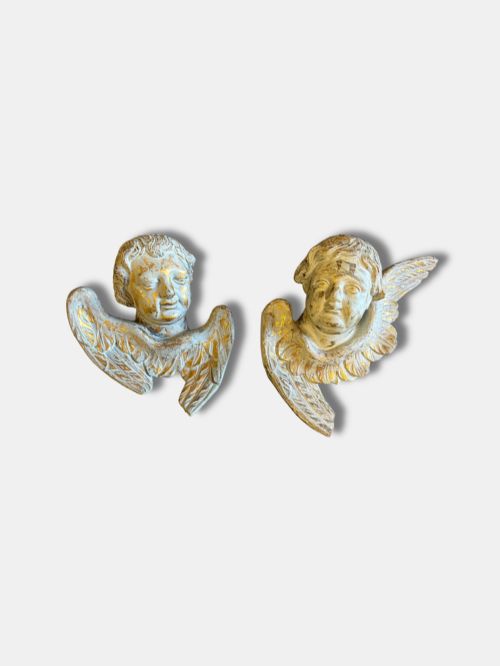
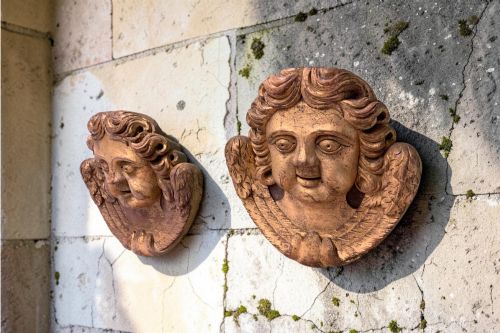
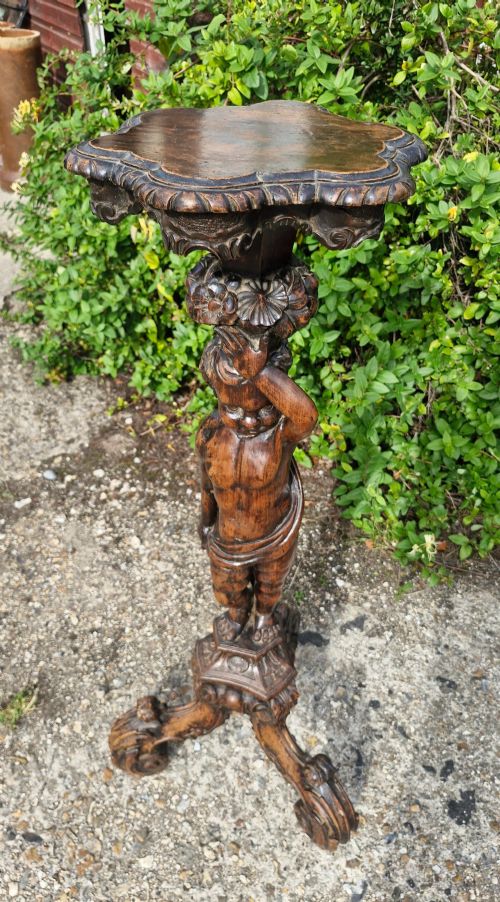
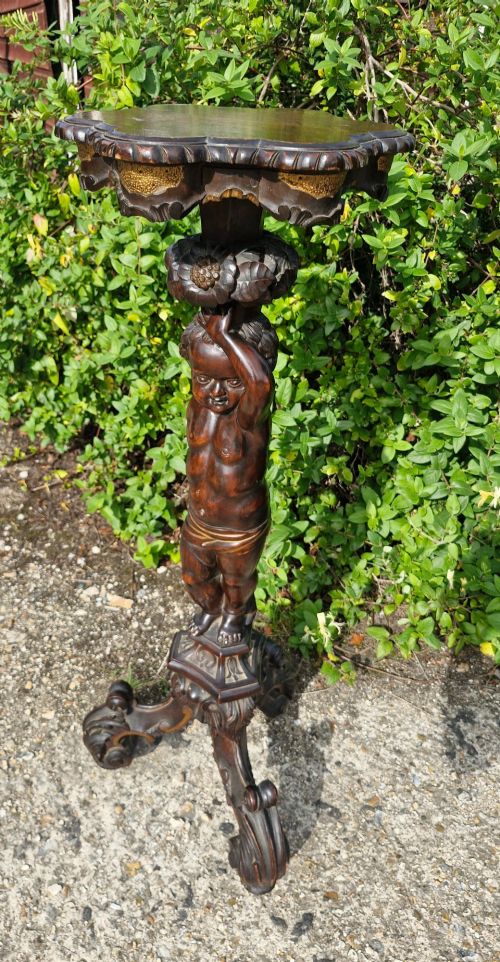
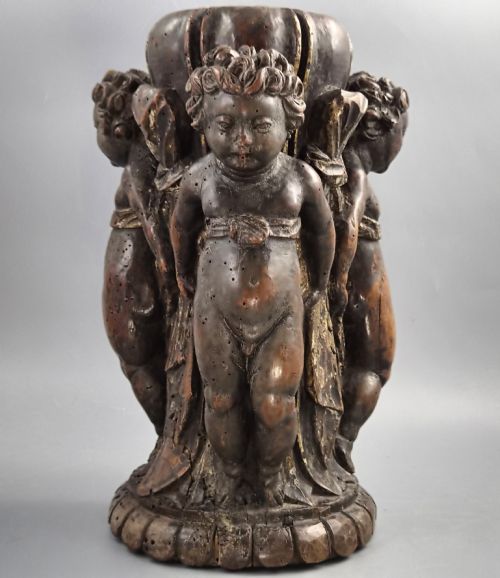
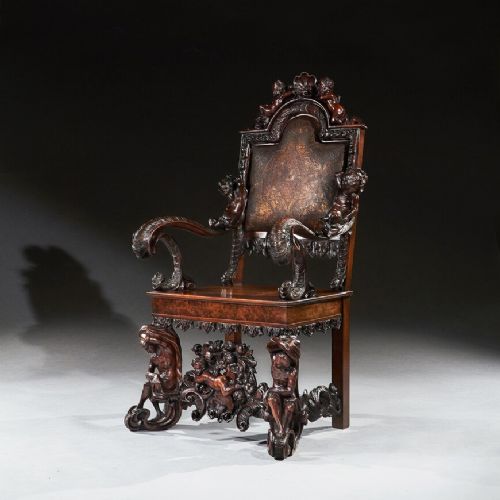
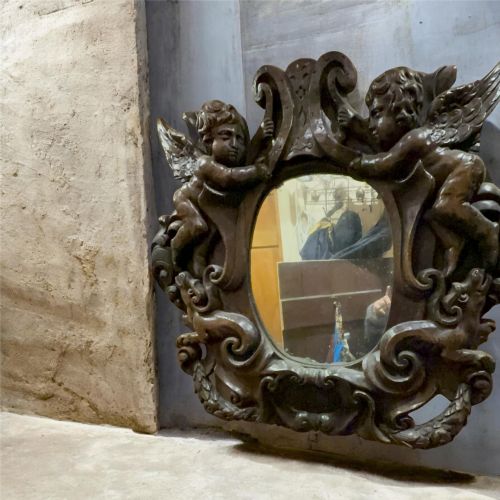
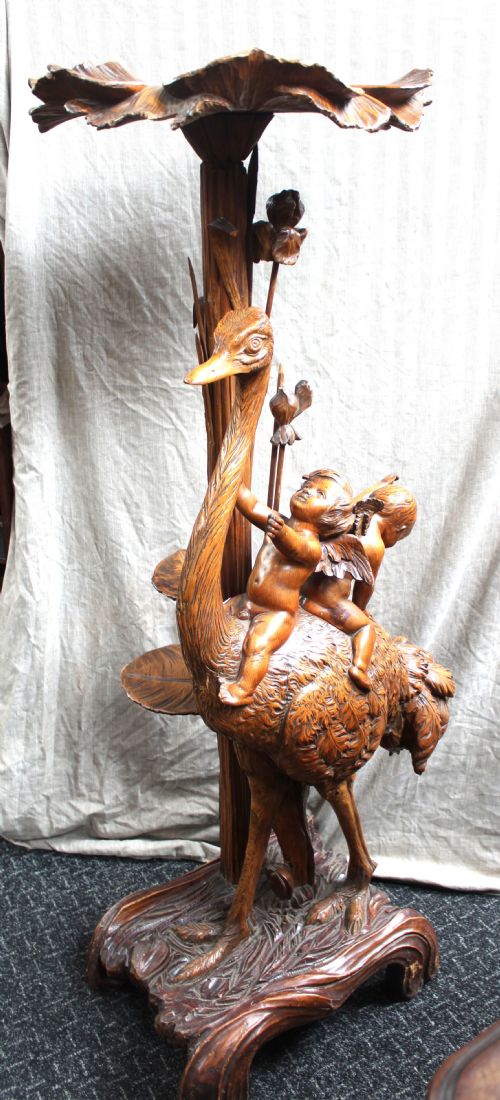
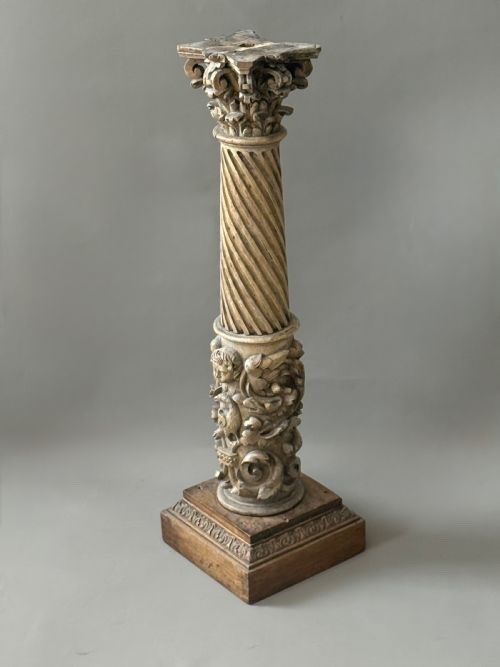
You are most likely to encounter individual figures, pairs of wall brackets, architectural fragments, and mirror frames carved from solid timber. These items range from standalone statues on stands to overdoor reliefs and lamp bases.
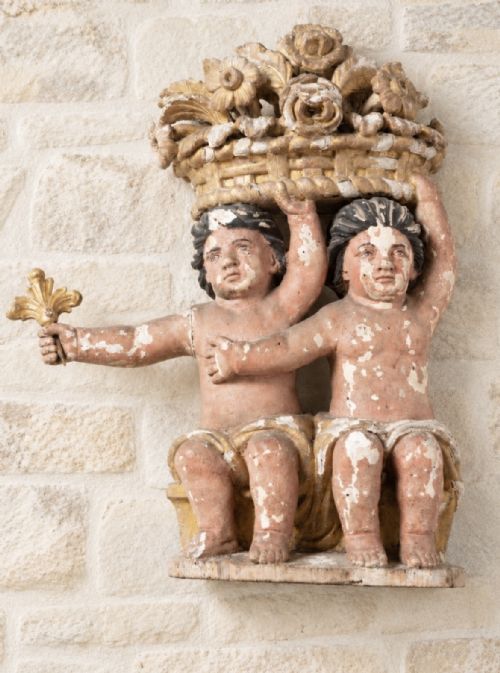
The objects frequently date from the seventeenth and eighteenth centuries, though nineteenth-century revivals also appear in abundance. Walnut, oak, lime wood and limewood are common timbers, often carrying remnants of original polychrome paint or gold leaf.
Materials and Craftsmanship
Carvers shaped these figures from dense domestic hardwoods such as oak, walnut, lime wood and boxwood, allowing for crisp detail in hair, wings and drapery. The timber was typically carved from a single block or built up in sections for larger architectural elements.
Surfaces were frequently finished with gesso as a smooth ground before the application of gold leaf, silver, or polychrome paint. This layered preparation gave the figures a rich visual depth that responded to candlelight in period interiors.
Antique Wooden Putto Retail Price Guide 2026
Typical asking prices for wooden putto among the pieces listed under this phrase on Sellingantiques today, from the lower quarter to the upper quarter. They describe what is for sale here now, not the wider market.
Some winged infants double as furniture supports, holding up heavy architectural elements with expressions of mild fatigue.
Judging Quality and Execution
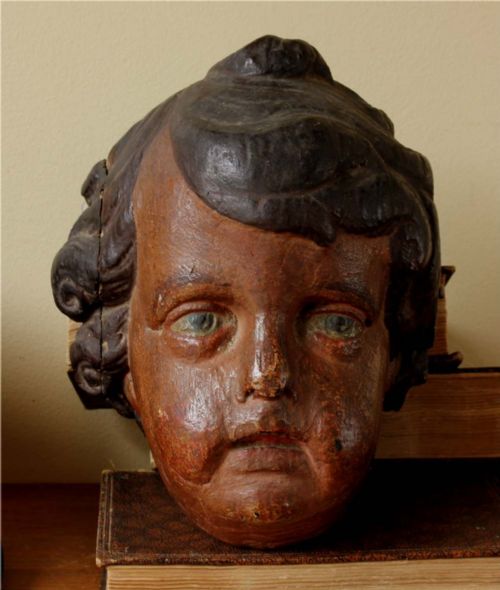
The division between standard workshop production and exceptional hand carving lies in the anatomical fluency and expression of the face. Superior examples display confident undercutting in the curls of hair and feather details on the wings, whereas lesser pieces appear stiff and formulaic.
The survival of original surface treatments, whether polychrome pigment or gilding, alters the desirability of a piece. Traces of ancient preparation layers and undisturbed patination indicate that an object retains its historical integrity.
Andrea Brustolon·Steiner
The Antique Wooden Putto Glossary
- Putto
- A figure of a small chubby male child, often winged, derived from classical art and frequently seen in Renaissance and Baroque sculpture. Plural putti.
- Gesso
- A plaster mixture spread over wood as a base for painting or gilding. It provides a smooth ground for decorative finishes.
- Polychrome
- Decorated in several colours. This term describes statues and panels retaining their historic painted pigments.
- Giltwood
- Wood that has been coated with gold leaf or gold paint. It creates a bright, reflective surface popular in Baroque interior schemes.
- Torchiere
- A tall stand or candlestick holder. In this context, the base often incorporates carved figures or putti.
Antique Wooden Putto: Frequently Asked Questions
What is an antique wooden putto?
An antique wooden putto is a hand-carved sculptural representation of a cherubic child, frequently winged, originating from European ecclesiastical or domestic settings. These carvings date primarily from the seventeenth to the nineteenth centuries.
They were produced in various forms, including standalone statues, wall brackets, mirror frames, and architectural elements. The tradition draws heavily on Italian and French Baroque and Renaissance design.
How were antique putti used?
In historical interiors, putti carvings served as decorative elements on church altars, grand mirrors, architectural overdoors, and furniture bases. They brought a sense of theatrical movement and classical mythology to domestic and sacred spaces.
Many functioned as supports for lighting, such as torchiere bases or wall brackets holding candles and lamps. Their placement elevated the status of the room and demonstrated the owner's taste.
How do I date an antique putto?
Dating relies on examining the tool marks left by the carver, the choice of timber, and the degradation of underlying gesso and preparation layers. Seventeenth-century examples often display deeper undercutting and denser hardwoods like walnut or oak.
Nineteenth-century revival pieces tend to use slightly different finishing techniques and tool marks associated with mechanical aids or industrial-era workshops. Comparing the style of the carving to documented period furniture helps narrow the era.
How do I care for wooden carvings?
Wooden carvings require stable indoor humidity levels to prevent the timber from splitting or warping over time. Keep them away from direct heat sources and strong sunlight that can fade polychrome paint and dry out old wood.
Dust the surface gently with a soft, dry brush rather than using chemical polishes or damp cloths. Preserving the dry, original patination maintains both the historical value and visual charm of the piece.