



Antique Wooden Pigeon
These antique wooden pigeon pieces combine folk art, utilitarian storage, and sporting tradition in oak, pine, and paint.
Antique Wooden Pigeon
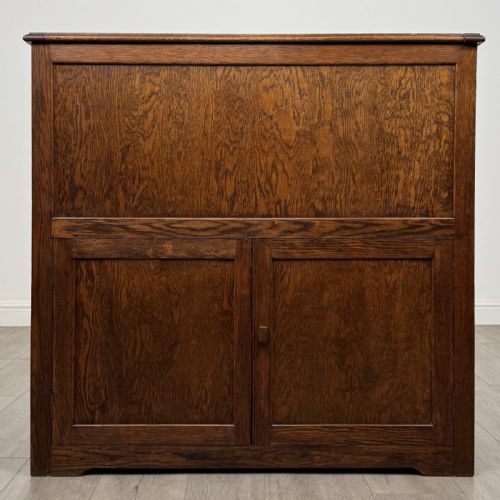
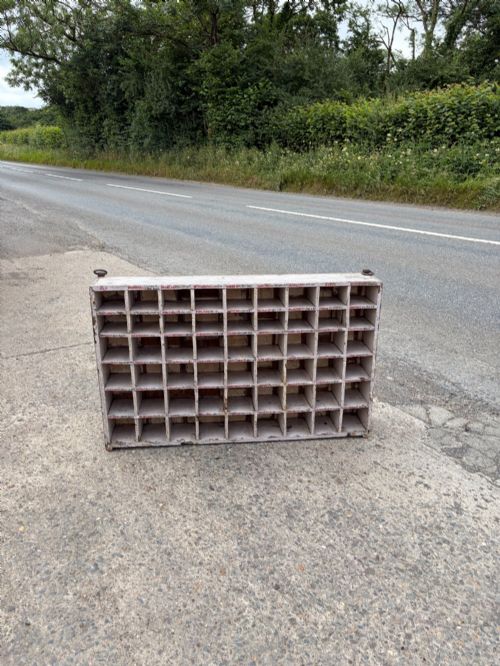
An antique wooden pigeon search brings together practical storage units, folk art decoys, and paintings spanning the nineteenth and twentieth centuries. Buyers encounter functional pine and oak pigeon hole cabinets alongside carved and painted wooden decoy pigeons from the Victorian and Edwardian eras.
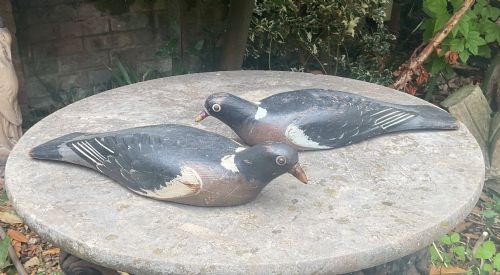
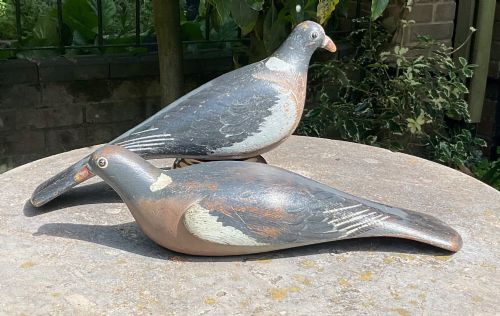
The most common forms on this page are wall-mounted or freestanding pigeon holes and early twentieth-century painted wooden decoy pigeons. These pieces range from utilitarian country house dovecote decoys to industrial storage units and traditional treen bird calls.
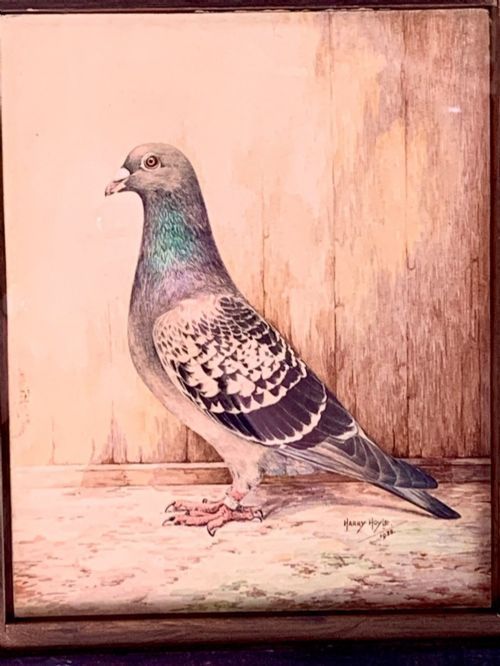
Originating largely from British folk art and country house traditions, these items reflect both practical administrative use and field sports. The selection includes watercolors, taxidermy, and sculptural objects tied to the subject of the pigeon.
Materials and construction
Makers utilised solid timbers such as pine and oak to construct durable pigeon hole cabinets and storage units with straightforward pegged or nailed joints. Surfaces often display original layers of paint, particularly on working decoys intended to weather outdoor use.
Decoys and sculptural pieces rely on carved wood, sometimes enhanced with glass eyes or applied paper elements. Cabinets incorporate internal divider slats to create the signature pigeon holes for sorting documents or post.
Antique Wooden Pigeon Retail Price Guide 2026
Typical asking prices for wooden pigeon among the pieces listed under this phrase on Sellingantiques today, from the lower quarter to the upper quarter. They describe what is for sale here now, not the wider market.
The listings span the Victorian era, Edwardian period, and 1930s British realism, using timber, paint, glass, and metal.
Judging quality
Quality rests in the survival of original surface finishes, such as weathered paint on decoys or honest patination on oak and pine storage units. Untouched surfaces with distinct age-related wear distinguish finer examples from later alterations or heavy restorations.
Proportion and construction integrity separate utilitarian workshop pieces from more refined country house items. The crispness of hand-carved details on decoys and bird calls similarly marks the skill of the maker.
The Antique Wooden Pigeon Glossary
- Decoy
- A carved or moulded figure used to attract real birds during shooting or observation. Wooden examples often retain layers of working paint from their period of active use.
- Pigeon holes
- A set of small, stacked compartments used for sorting letters, documents, or small items. These units appear in both large oak cabinets and smaller pine wall-hanging frames.
- Treen
- Small handmade wooden objects for domestic or personal use. Examples include turned bird calls associated with field sports.
- Dovecote
- A structure or shelter intended for domesticated pigeons or doves. Country house versions provided architectural ornament alongside practical function.
Antique Wooden Pigeon: Frequently Asked Questions
What were pigeon holes used for?
Pigeon holes served primarily as sorting compartments for post, administrative documents, and office correspondence in nineteenth and twentieth-century workplaces. They allowed clerks to organise paperwork efficiently before the widespread adoption of modern filing systems.
In domestic settings, smaller units functioned as letter racks or desktop organizers for household bills and stationery.
How do I care for wooden decoys?
Keep wooden decoys away from direct sunlight and steady heat sources to protect the aged timber and original paint surfaces. Dust them gently with a dry, soft cloth rather than using liquid cleaning products.
Maintaining stable indoor humidity prevents the wood from drying out or splitting over time.
Are these pigeon items British?
The pieces listed reflect British craftsmanship, originating from local country houses, workshops, and folk traditions. Materials like native pine and oak point directly to domestic British production.
Stylistic markers such as Edwardian folk art and British realism further ground these items in regional history.
How are nineteenth-century pieces identified?
Nineteenth-century items show hand-tool marks, traditional joinery methods like dovetails or pegged joints, and timber characteristics typical of the period. Surface patination, such as oxidized paint and darkened pine or oak, accumulates naturally over generations.
Comparing construction details with dated examples helps confirm the nineteenth-century origins of cabinets and decoys.