




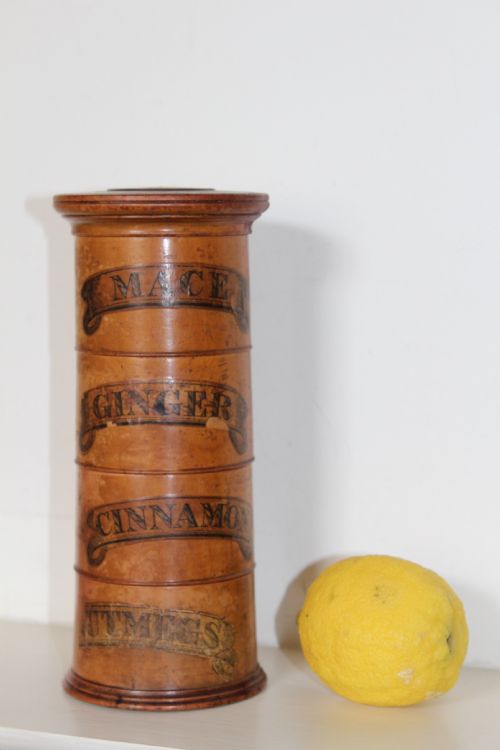


Antique Wooden Mill
An antique wooden mill brings functional craft into domestic spaces through small treen grinders and larger industrial storage bins.
Antique Wooden Mill
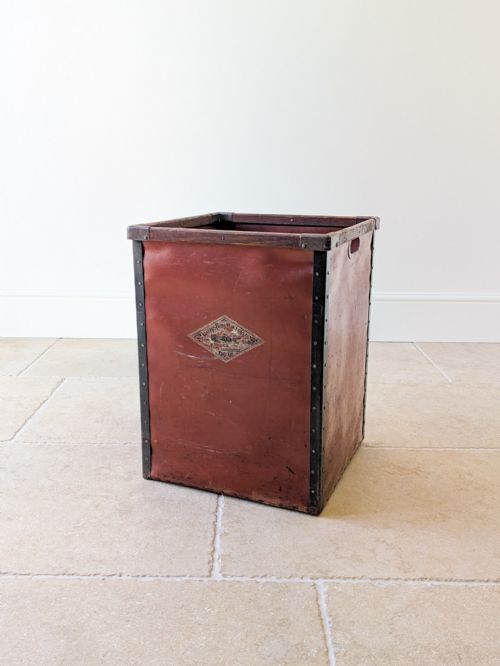
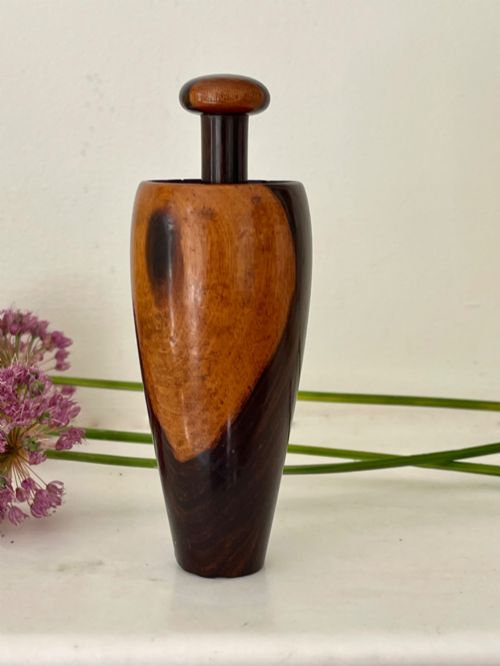
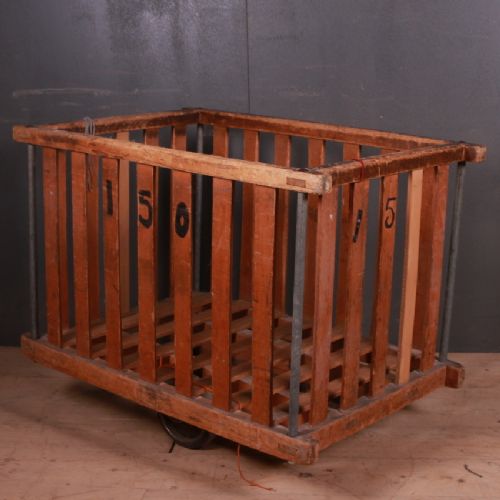
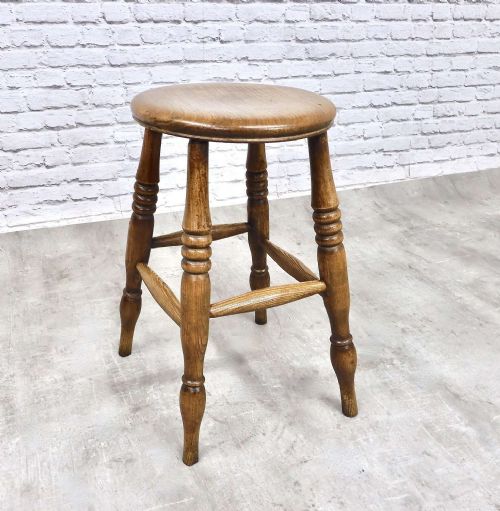
When you search for an antique wooden mill, you encounter a varied group of utilitarian objects linked by their material and purpose. The selection ranges from small kitchen treen like spice grinders and nutmeg graters to larger industrial pieces such as mill worker stools and storage bins.
The versions you are most likely to meet on this page span the seventeenth, nineteenth, and early twentieth centuries. These include traditional treen items shaped from sycamore and hardwood alongside Edwardian industrial storage bins and Victorian workshop seating.
Materials and construction methods
Makers utilised dense timbers such as oak, elm, and sycamore to withstand the rigours of grinding and industrial labour. These hardwoods were turned on lathes or joined by hand to create durable vessels and furniture.
Metal components were integrated where mechanical strength was required, while surface treatments like natural oils preserved the timber over decades of daily use.
Antique Wooden Mill Retail Price Guide 2026
Typical asking prices for wooden mill among the pieces listed under this phrase on Sellingantiques today, from the lower quarter to the upper quarter. They describe what is for sale here now, not the wider market.
One tiny seventeenth-century grinder takes the shape of a wine bottle, proving that historical millers appreciated a clever hidden joke.
Assessing the grade of a piece
Quality rests upon the crispness of the turning and the integrity of the original timber. Finer treen items display precise symmetry and well-preserved surface patination accumulated through handling.
Industrial items derive their standing from robust original construction and the survival of working mechanisms or distinct worker modifications. Later alterations or excessive surface smoothing diminish the character of the piece.
The Antique Wooden Mill Glossary
- Treen
- Small handmade wooden domestic objects. This term covers items such as spice grinders, mortars, and nutmeg graters created for household tasks.
- Sycamore
- A dense hardwood favoured by early turners. Its pale grain resists splitting, making it ideal for kitchen grinders and mortars.
- Industrial
- Objects produced for factories, mills, and workshops rather than domestic parlours. These include heavy storage bins and worker stools.
- Patina
- The surface sheen developed through age, use, and handling. This distinct layer distinguishes ancient timber from modern reproductions.
Antique Wooden Mill: Frequently Asked Questions
How were spice grinders used?
Small treen spice grinders and nutmeg graters processed raw ingredients for household cooking and medicinal preparations.
Users turned the wooden sections against one another to reduce hard spices into fine powders.
How do I date a wooden mill?
Dating relies on tool marks, timber selection, and the evolution of domestic or industrial forms.
Seventeenth-century treen displays distinct hand-turned profiles, whereas Edwardian industrial bins reflect early twentieth-century manufacturing standards.
How do I care for antique treen?
Keep wooden pieces away from direct heat sources and extreme humidity fluctuations to prevent timber splitting.
Apply occasional neutral oils sparingly if the grain appears dry, avoiding modern synthetic polishes.