


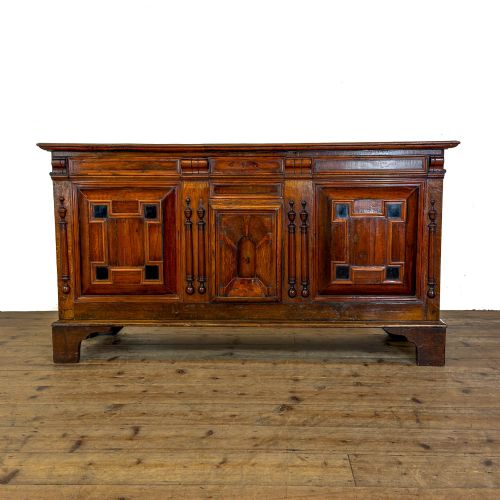
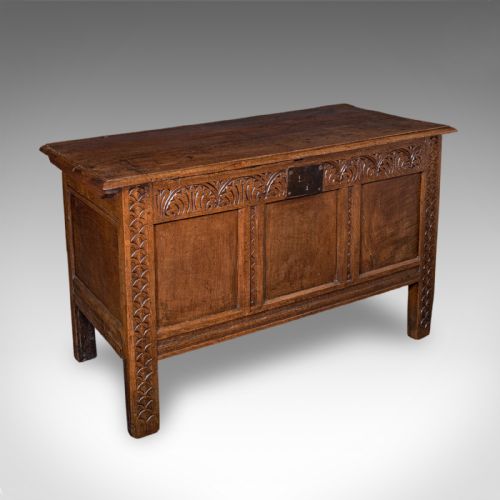
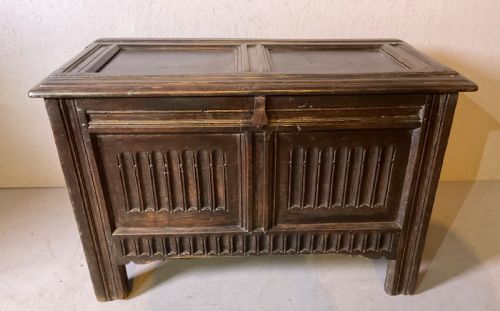
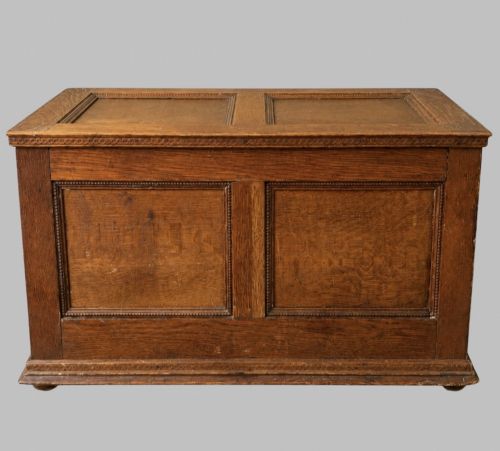
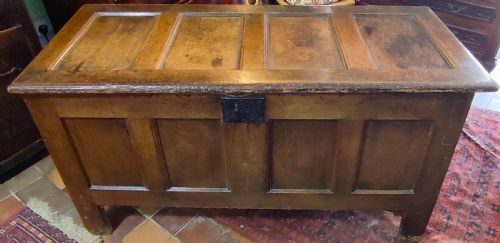


Antique Wooden Linen Box
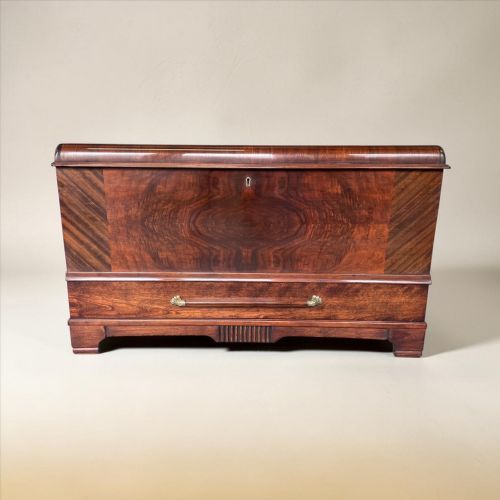
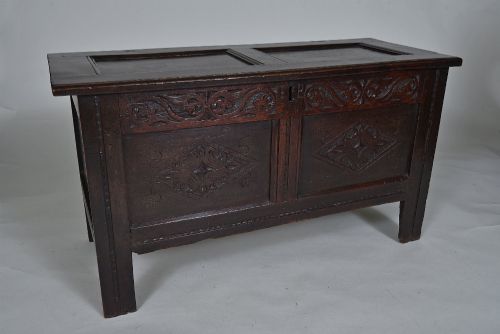
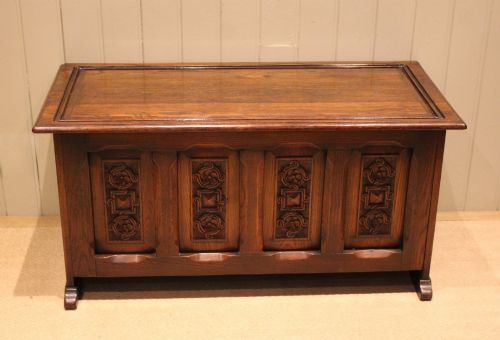
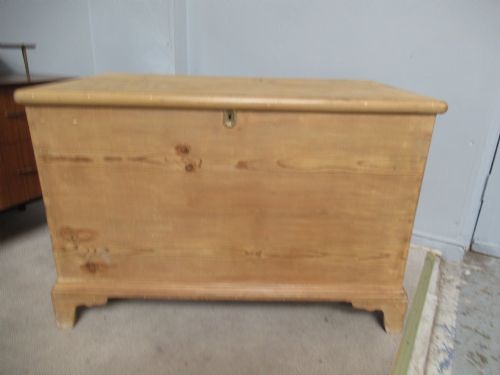
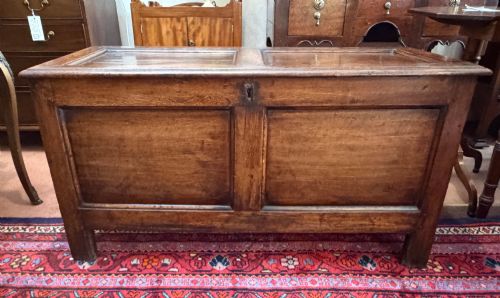
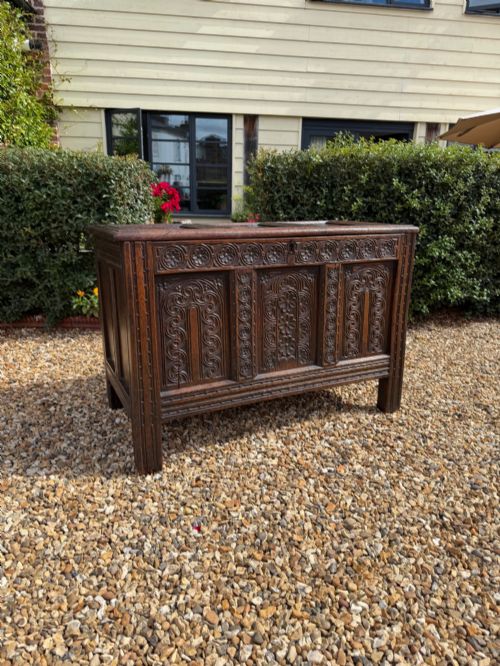
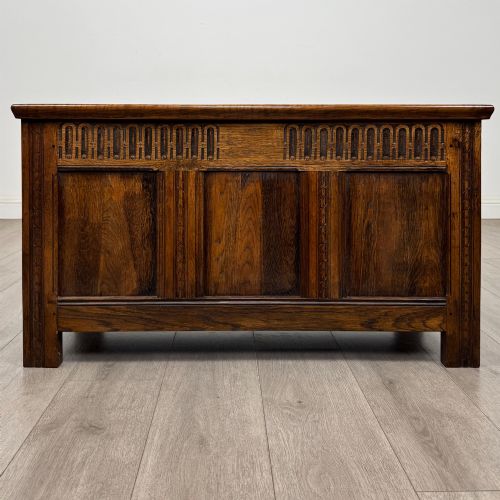
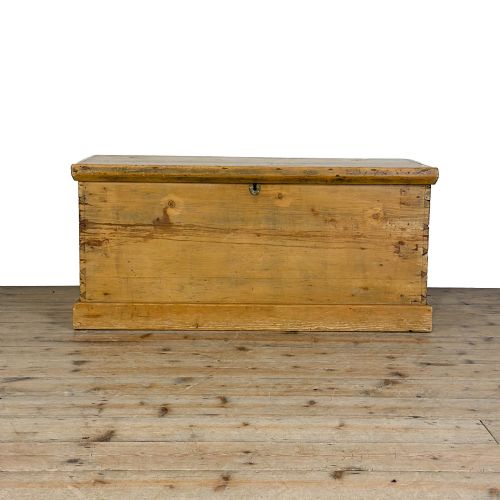
An antique wooden linen box is a sturdy storage piece designed to keep textiles safe, and you will find them here in solid oak, pine, and camphor wood.
Antique Wooden Linen Box
When you search for an antique wooden linen box, you are looking at utilitarian storage forms that served homes for centuries. These pieces encompass coffers, blanket chests, trunks, and mule chests designed to hold textiles, bedding, and napkins.
The versions you are most likely to meet on this page span from the seventeenth century through to the Edwardian period. Oak panelled coffers and pine trunks dominate the selections, alongside camphor wood chests and elm boxes.
Originating largely from English country houses, Welsh workshops, and oriental makers, these containers served practical domestic duties. Many double as window seats or benches while offering deep interior storage.
Materials and Construction
Carpenters relied primarily on native timbers such as solid oak, pine, elm, and walnut for construction. Frameworks frequently utilised panelled construction, five plank methods, or dovetailed joints to withstand heavy domestic use.
Iron and brass hardware, including hinges, locks, and handles, reinforced the structures and provided functional security. Carving, linen fold panels, and ebonised details added decorative finish to the heavy timber surfaces.
Antique Wooden Linen Box Retail Price Guide 2026
Typical asking prices for wooden linen box among the pieces listed under this phrase on Sellingantiques today, from the lower quarter to the upper quarter. They describe what is for sale here now, not the wider market.
Some camphor wood trunks still retain a faint, unmistakable scent of spice after more than a century in transit.
Evaluating Quality and Character
Quality rests in the integrity of the timber and the depth of the original patina acquired over centuries of use. Examples featuring hand-carved panels, robust dovetailing, and intact period hardware stand apart from later revivals or heavily restored pieces.
Proportions also dictate desirability, with smaller proportions and Welsh or English country house provenance commanding particular attention from collectors. The survival of original interior tillers, drawers, and hinges further elevates a piece.
The Antique Wooden Linen Box Glossary
- Coffer
- A large wooden chest traditionally used for holding valuables, clothes, or linen. These heavy storage boxes frequently feature panelled construction and hinged lids.
- Mule chest
- A traditional chest fitted with one or more drawers beneath the main storage compartment. This form bridges the gap between the simple coffer and the modern chest of drawers.
- Linen fold
- A style of carved wooden panelling that resembles folded vertical folds of linen cloth. It is commonly found on sixteenth and seventeenth-century pieces.
- Five plank coffer
- A primitive form of chest constructed from five distinct boards joined at the edges. Simple butt joints or V-notches typically hold the structure together.
- Patina
- The deep surface sheen and mellow colour developed by wood over years of handling, polishing, and ageing. A rich patina indicates age and regular care.
Antique Wooden Linen Box: Frequently Asked Questions
What were antique wooden linen boxes used for?
These boxes stored household textiles, precious linens, blankets, and garments to protect them from dust and dampness. Families also utilised them as portable trunks for travel or as seating benches within the home.
In grander settings, they kept napkins and fine bedding secure near bedchambers and dining parlours. Their heavy lids allowed them to function easily as window seats or hallway benches.
How do I identify a seventeenth century coffer?
Seventeenth century pieces typically display heavy oak construction with pegged mortise and tenon joints. Look for hand-carved panels, iron strap hinges, and the characteristic shrinkage cracks that confirm great age.
Surface wear on the base boards and dark, unpainted timber patination provide further clues to their early origin. Revivals from later periods often appear cleaner and lack the genuine undulating surface texture.
Where were camphor wood trunks made?
Camphor wood trunks originated in Eastern and Oriental workshops during the nineteenth and early twentieth centuries. Sailors and merchants brought them back to European homes because the aromatic wood naturally repelled insects.
These chests often feature carved exterior scenes depicting figures, landscapes, or foliage. Their presence in English country houses points to global trade and travel during the Victorian and Edwardian eras.
Can I use an antique chest as a coffee table?
Many people place these sturdy chests in living rooms to serve as low tables with hidden storage inside. Their flat tops easily accommodate books, trays, and lamps while keeping clutter concealed.
Buyers should ensure the lid remains stable and level if placing drinks or ceramics on top. Selecting a piece with solid proportions prevents the chest from dominating a smaller modern room.