

Antique Wooden Lights
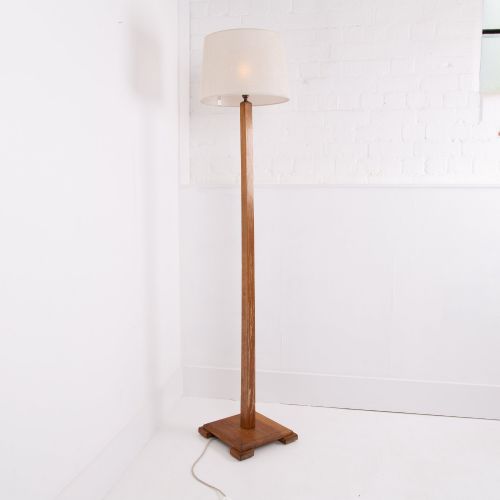
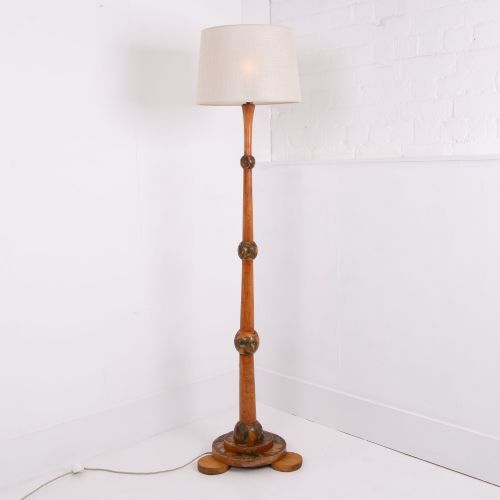
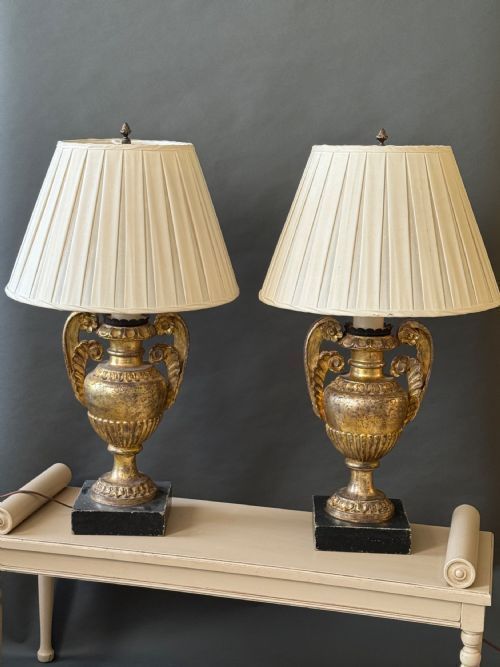
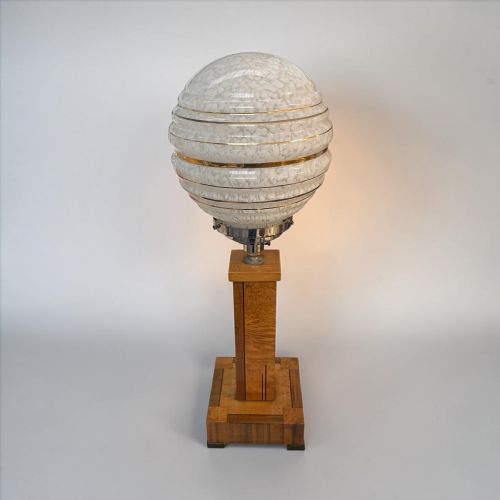
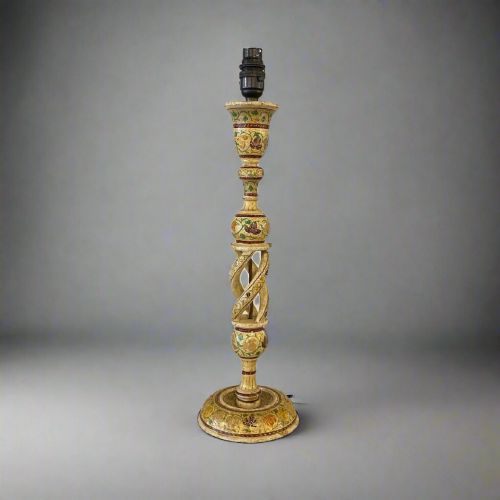
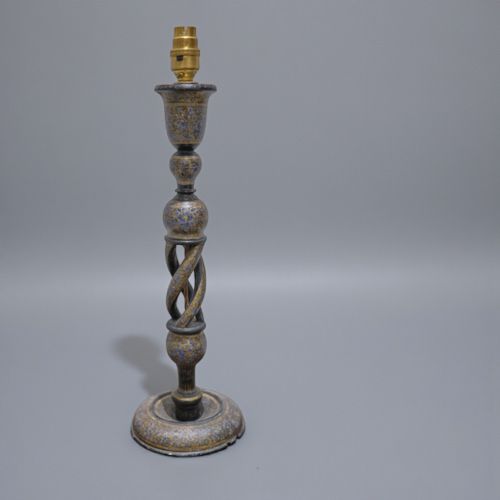
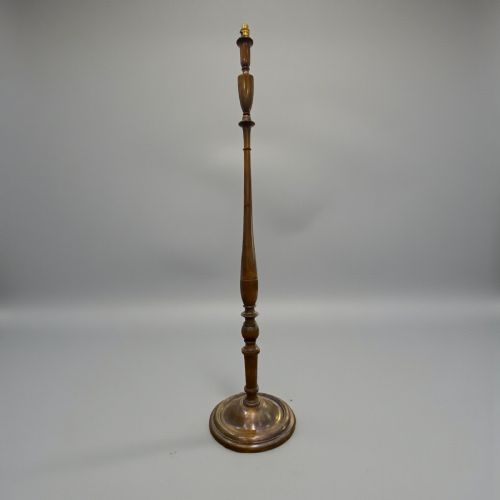
Antique wooden lights bring warmth through turned timber standards, carved bases and brass details spanning several centuries.
Antique Wooden Lights
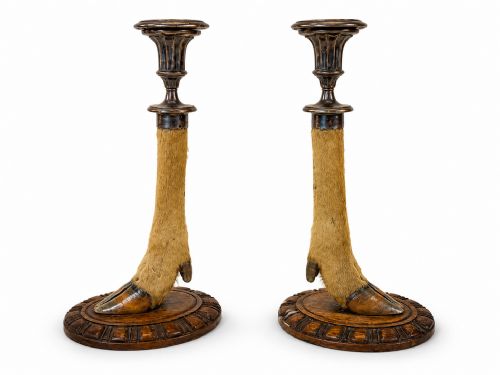
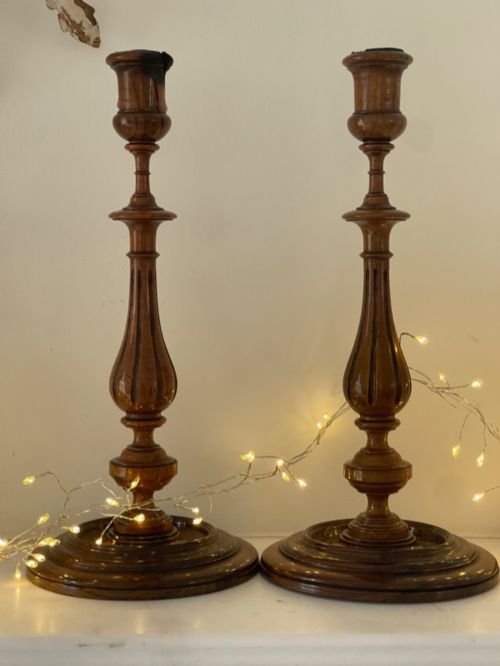
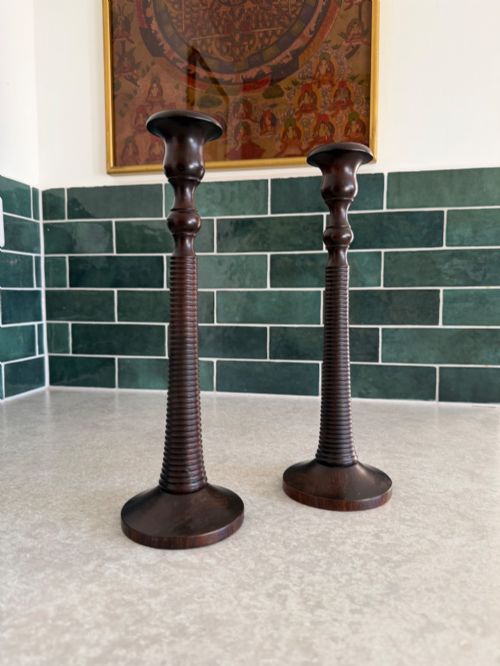
When searching for antique wooden lights, buyers find floor lamps, table lamps, candlesticks and torcheres formed from timbers such as oak, mahogany and pine.
The selections span the Georgian period, the Victorian era, Edwardian designs and the 1930s, reflecting shifts from formal mahogany candlesticks to carved oak floor standards.
These items bring functional illumination alongside sculptural timber grain into domestic interiors.
How they were made
Craftsmen utilised solid timber, turning columns on lathes and carving surface details by hand.
Makers combined wood with brass fittings, fabric shades and glass elements to complete each piece.
Antique Wooden Lights Retail Price Guide 2026
Typical asking prices for wooden lights among the pieces listed under this phrase on Sellingantiques today, from the lower quarter to the upper quarter. They describe what is for sale here now, not the wider market.
Some tall torcheres started life holding tallow candles before ending up wired for electricity.
What varies in quality
Quality rests in the selection of timber, the crispness of hand-carved details and the proportion of the turned standard.
Pieces showing balanced proportions and integrated brass hardware distinguish themselves from simpler utility examples.
Jason and Joseph Kohn·Heals of London
The Antique Wooden Lights Glossary
- Torchere
- A tall stand designed to support a light or candle, often featuring carved wooden shafts. These tall supports elevate illumination sources within a room.
- Standard lamp
- A freestanding floor lamp utilising a heavy wooden base and vertical post. They provide ambient room lighting.
- Candlestick
- A portable holder for a single candle, frequently turned from dense hardwoods like mahogany. These smaller items sit on tables or sideboards.
- Turning
- A woodworking technique using a lathe to shape cylindrical wooden components. Turned profiles define the shafts of many lamps.
Antique Wooden Lights: Frequently Asked Questions
How do I date an antique wooden light?
Dating relies upon timber selection, turning styles and associated hardware such as brass fittings. Georgian pieces favor mahogany, while Edwardian and later examples frequently utilise oak.
Examining the wiring methods and construction joints helps place the object within its specific period.
Were these always electric lamps?
Many older pieces began as candle stands or oil lamps before later conversion to electricity. Alterations often occurred during the mid-twentieth century.
Retained original sockets or weighted bases indicate how the piece adapted to modern wiring.
How do I care for wooden lamp standards?
Maintain timber lamp standards by applying suitable wax polish periodically to nourish the grain. Keep them away from direct heat sources to prevent timber splitting.
Check electrical wiring regularly with a qualified professional to ensure safe domestic use.
What woods were used for these lights?
Constructive timbers include oak, mahogany, pine and maple, chosen for their structural stability and grain pattern. Hardwoods provided the weight needed for stable floor standing bases.
Softer woods appeared in painted or secondary applications depending on the period style.