

Antique Wooden File Cabinet
An antique wooden file cabinet organises papers with character, bringing period timber and practical drawer space into a modern room.
Antique Wooden File Cabinet
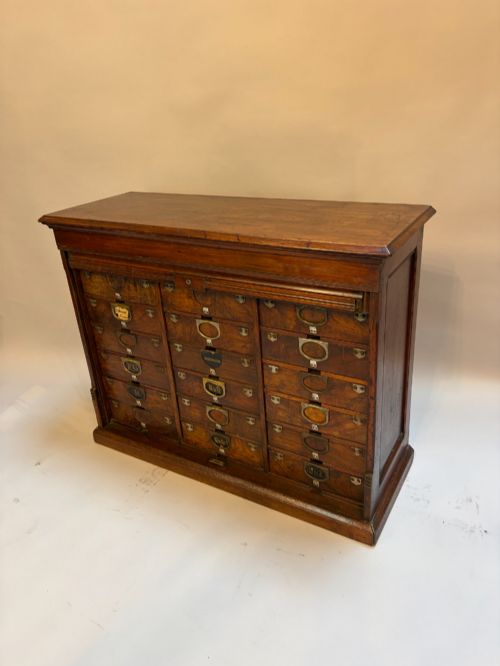
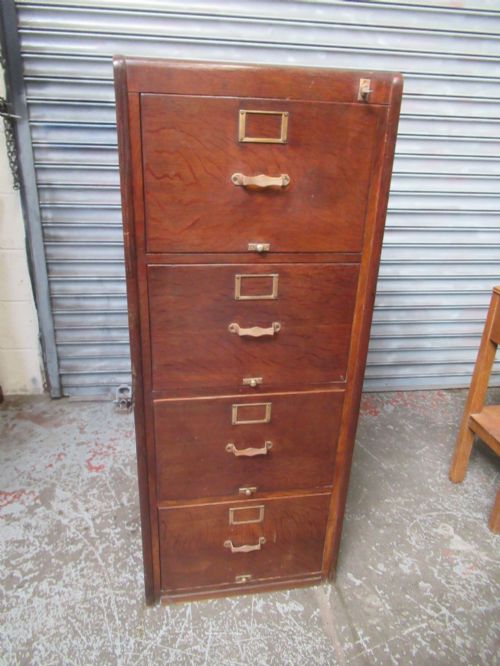
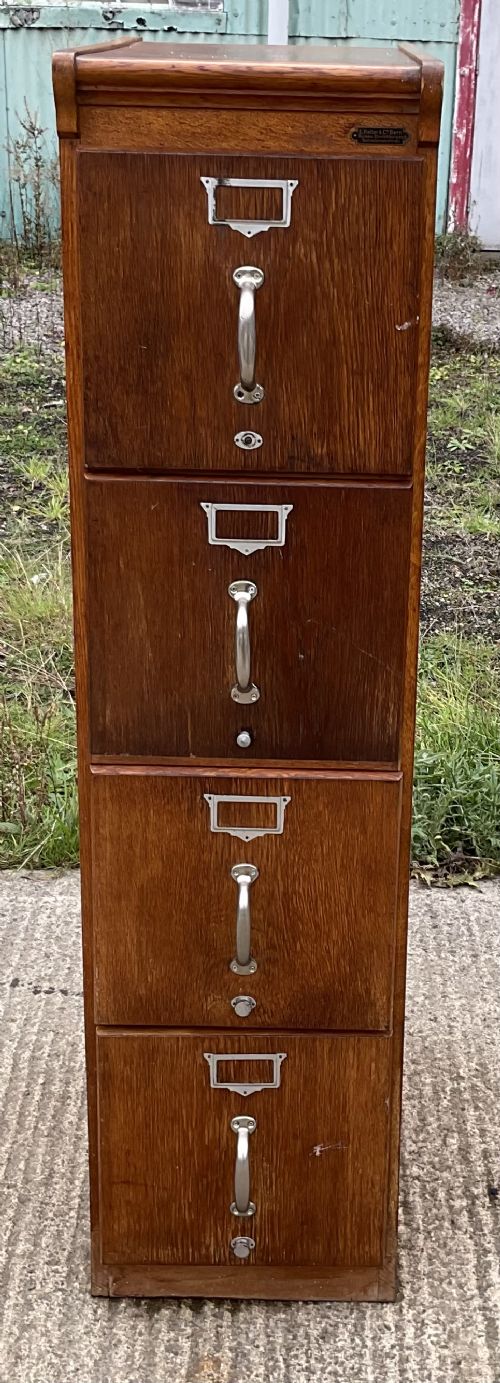
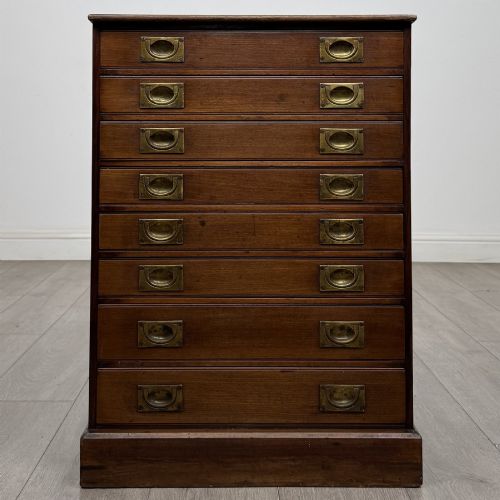
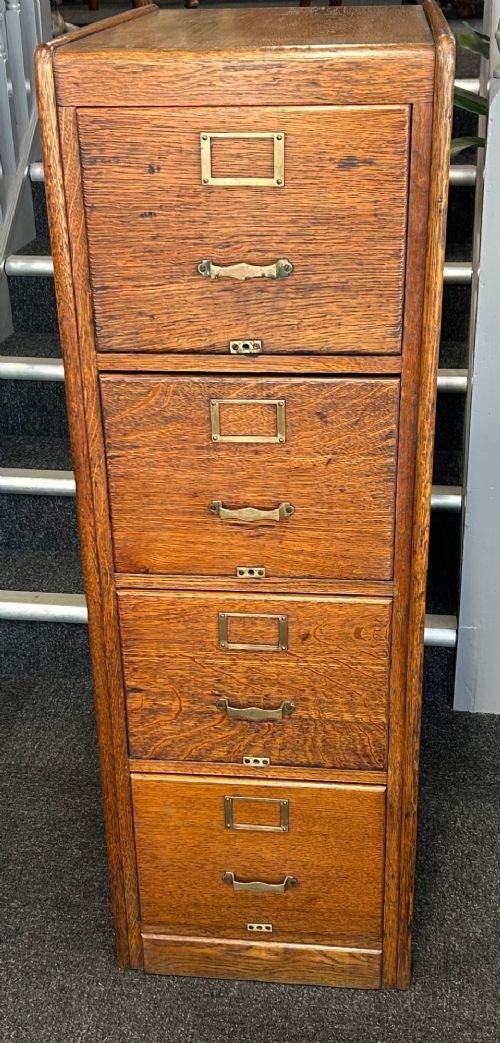
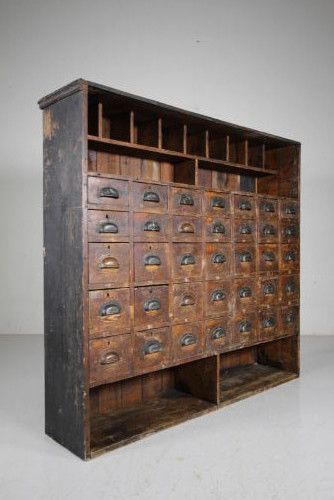
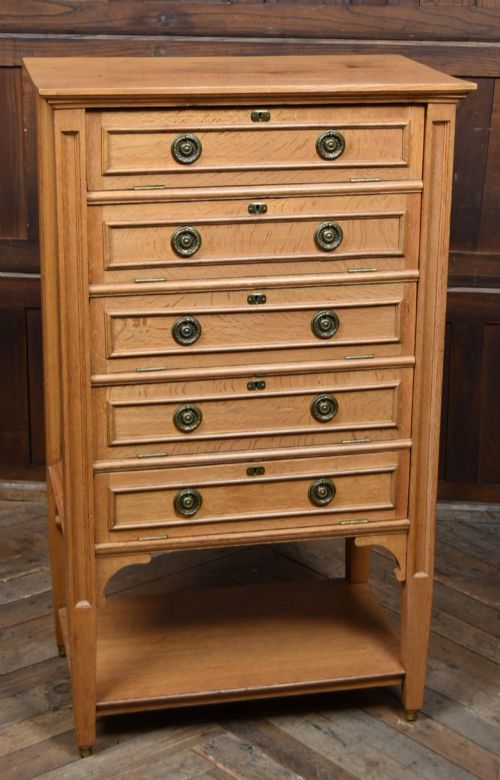
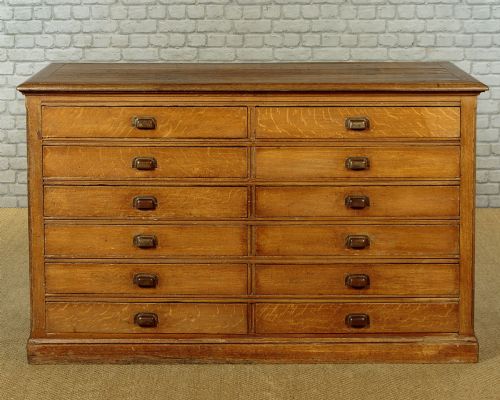
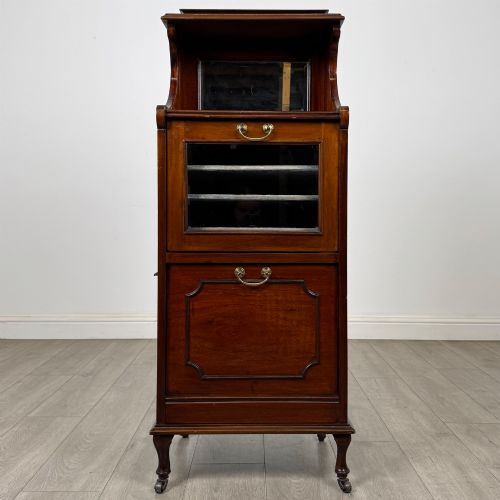
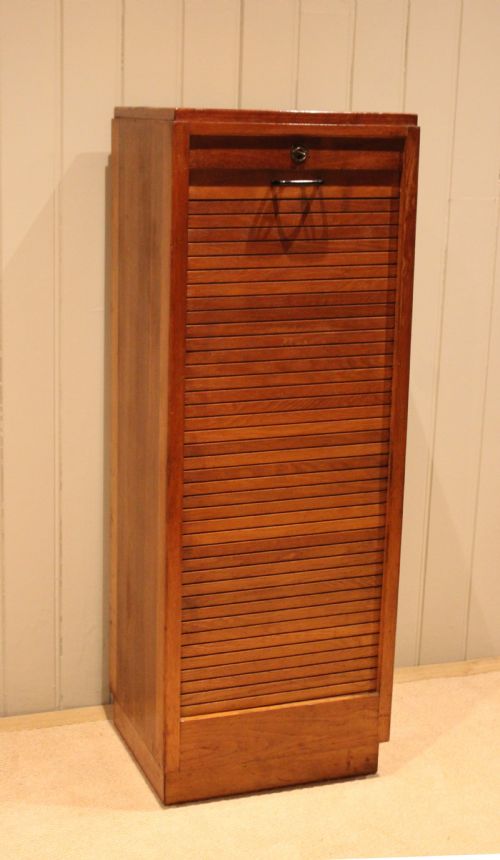
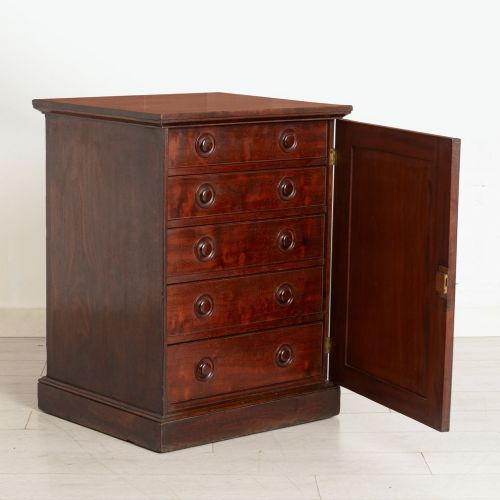
An antique wooden file cabinet is a functional piece of office or library furniture designed to sort documents efficiently. The selection ranges from early nineteenth-century banks of drawers to Edwardian tambour front models and industrial multi-drawer units.
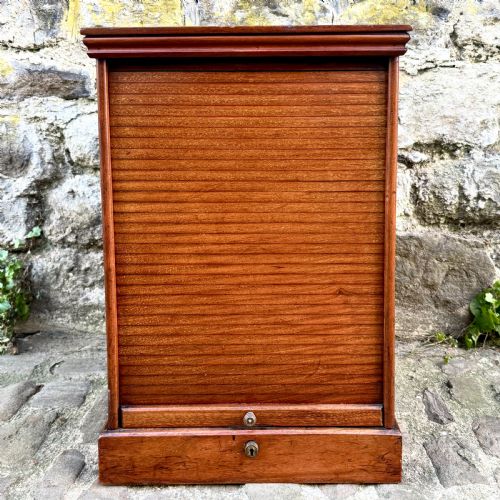
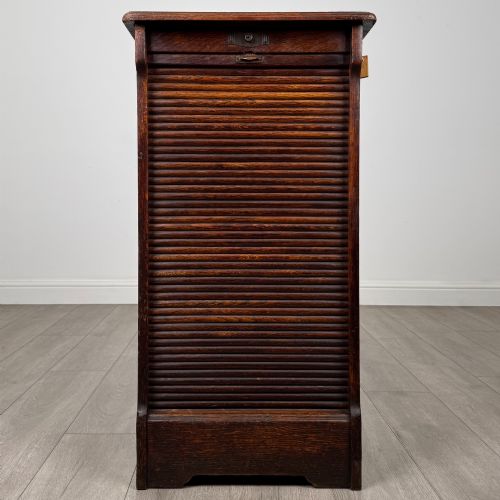
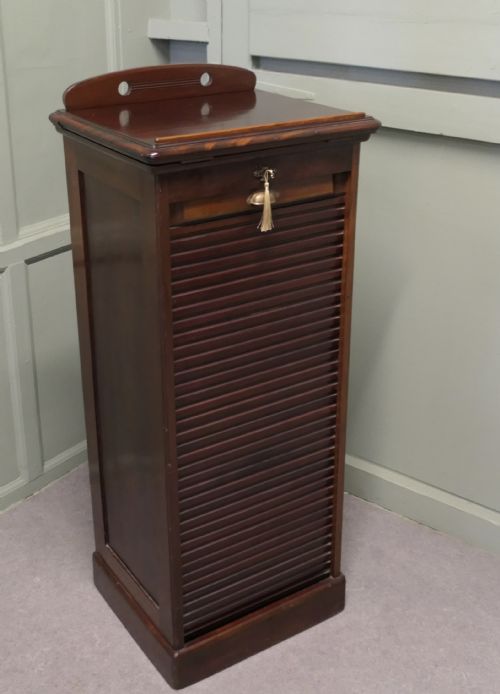
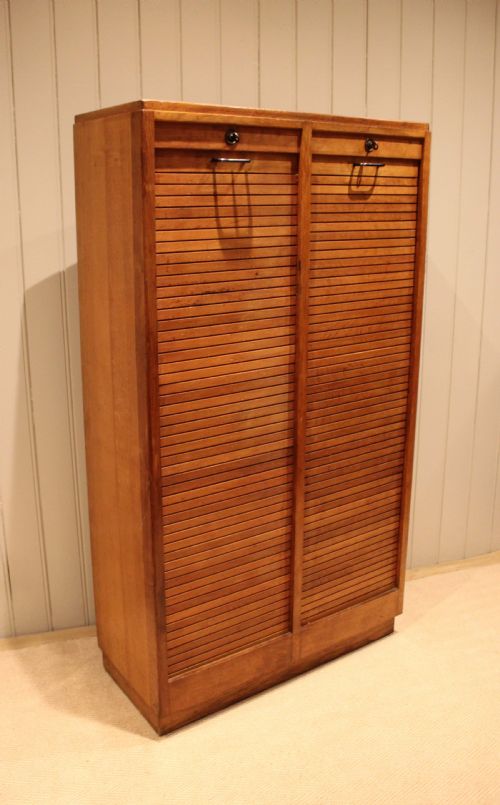
Buyers will most frequently encounter oak and mahogany examples dating from the Edwardian era and the early twentieth century. These pieces often feature modular internal mechanisms or rolling slat doors that conceal storage while maintaining a compact footprint.
Materials and construction
Cabinet makers utilised dense hardwoods like oak, mahogany, teak and walnut alongside utilitarian pine for structural carcases and drawer boxes. Tambour models required flexible slats of timber glued to canvas backing to glide smoothly around curved tracks.
Hardware played a crucial role in daily office use, with brass handles, label holders and patented locking mechanisms fitted to withstand heavy commercial demands. Joinery typically involved robust dovetailing on drawer corners to endure frequent opening and closing.
Antique Wooden File Cabinet Retail Price Guide 2026
Typical asking prices for wooden file cabinet among the pieces listed under this phrase on Sellingantiques today, from the lower quarter to the upper quarter. They describe what is for sale here now, not the wider market.
A busy Edwardian clerk relied on these rattling wooden shutters to keep office secrets safely out of sight before coffee breaks.
Assessing build quality and finish
Superior examples distinguish themselves through select timber figuring, such as quarter-sawn oak rays or rich flame mahogany veneers. The smooth operation of a tambour shutter or the precise fit of multiple drawers indicates careful initial craftsmanship.
Original hardware, working locks with keys, and intact maker labels elevate a piece above standard utility furniture. Plain secondary timbers and heavy later varnish alterations place cabinets firmly at the simpler end of the range.
D Napier and Sons
The Antique Wooden File Cabinet Glossary
- Tambour
- A flexible sliding door made from narrow strips of wood attached to canvas, designed to conceal filing compartments without requiring clearance for swinging doors.
- Bank of drawers
- A multi-drawer storage unit built for systematic filing of documents, maps or music sheets.
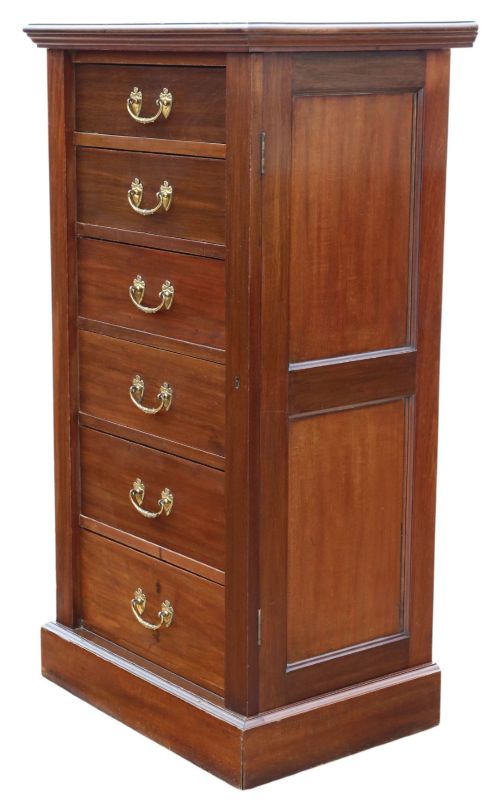
- Wellington chest
- A tall, narrow chest of drawers secured by a hinged locking stile that fastens with a padlock or key.
- Plan chest
- A wide, shallow multi-drawer cabinet originally utilised by architects and draughtsmen for flat paper storage.
- Quarter-sawn
- A method of cutting logs that produces a distinct decorative grain pattern and greater dimensional stability in oak.
Antique Wooden File Cabinet: Frequently Asked Questions
How do tambour doors work?
Tambour doors consist of narrow wooden slats glued to a flexible fabric backing that runs within recessed tracks inside the cabinet frame. This allows the shutter to slide smoothly around a tight radius curve to open or close the storage space.
Over decades, dust can accumulate in these wooden tracks, causing the mechanism to stick. Careful cleaning and the application of suitable wax usually restore the smooth gliding motion without damaging the original canvas backing.
Can I use an antique file cabinet for modern paper sizes?
Many Edwardian and early twentieth-century cabinets accommodate modern standard paper formats, though some specialised card indexes and letter files were built to historical dimensions. Measuring the internal drawer width and depth before purchase ensures standard folders will fit correctly.
Cabinets designed for architectural plans or music sheets easily hold large modern documents flat. Smaller card index drawers serve well today for storing craft supplies, recipe cards or small collections.
How should I care for the wood finish?
Protect the timber by keeping the cabinet away from direct heat sources and strong sunlight, which can dry out antique finishes and fade mahogany. Regular dusting with a soft, dry cloth prevents particulate build-up on the surface.
Applying a traditional beeswax polish periodically helps nourish the grain and maintain a natural sheen. Avoid silicone-based sprays, as they penetrate the wood pores and complicate future conservation work.