



Antique Wooden Chimneypiece
An antique wooden chimneypiece anchors a room with period proportion and craftsmanship, offering both functional fire surrounds and architectural mirror frames.
Antique Wooden Chimneypiece
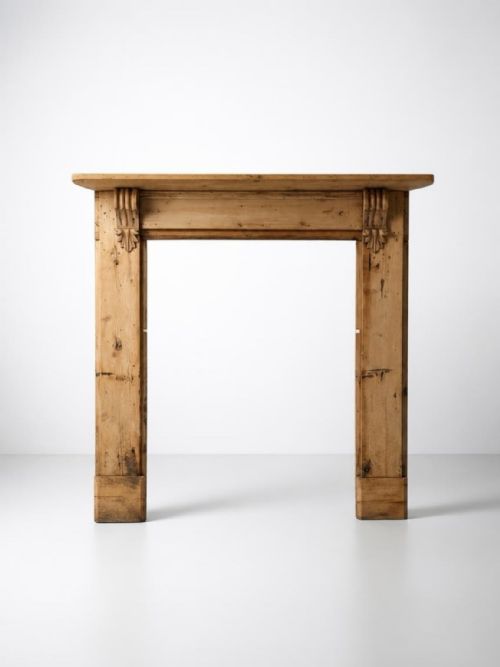
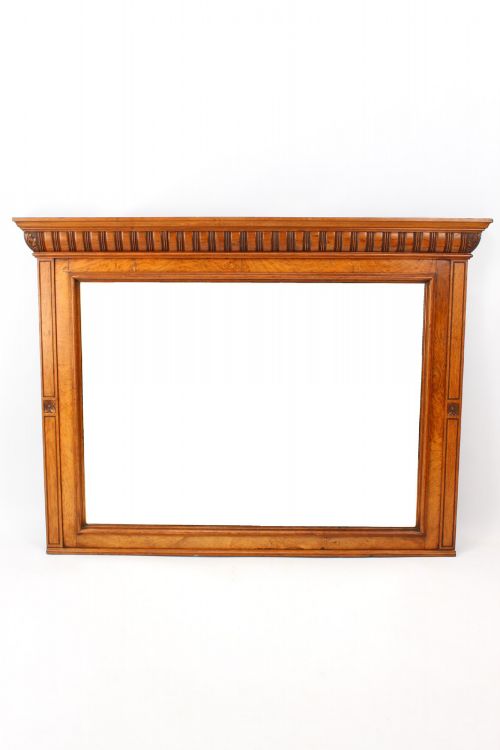
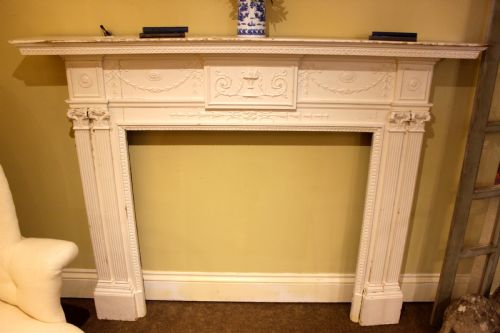
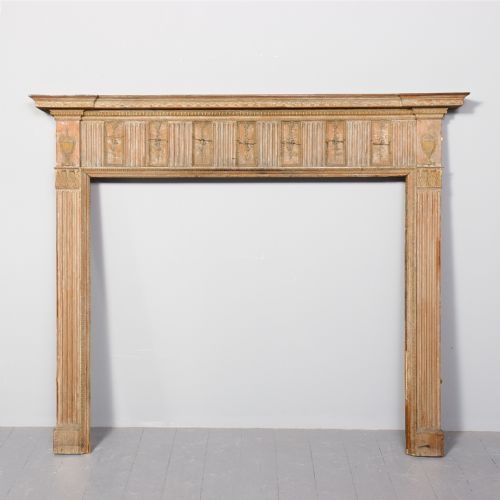
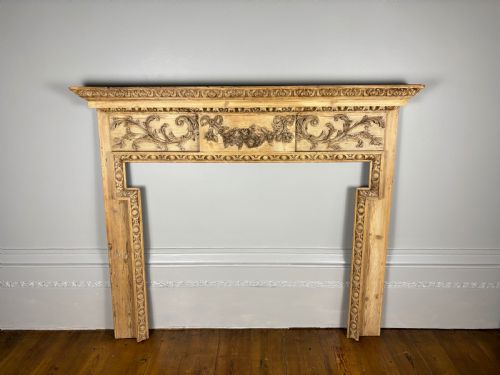
An antique wooden chimneypiece encompasses architectural fireplace surrounds and grand overmantel mirrors designed to sit above a hearth. These structural pieces define a room's focal point, drawing the eye with architectural dignity and historical presence.
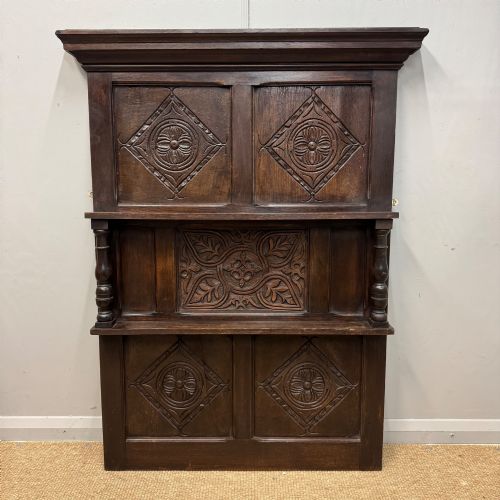
The selection ranges from robust pine and oak fire surrounds to large mahogany triptych overmantel mirrors and architectural trumeau panels. Pieces span the Georgian, Victorian, and Edwardian eras, incorporating styles from Neoclassical and Chippendale Revival to Arts and Crafts.
Buyers frequently encounter Victorian pine and oak fireplace surrounds alongside carved mahogany and painted pine mantels. Architectural overmantels featuring mirror glass and gesso detailing also appear, reflecting the shifting interior tastes of the eighteenth and nineteenth centuries.
How they were made
Carpenters and joiners utilised solid timbers such as mahogany, oak, pitch pine, and soft pine for structural frames and surrounds. These woods were joined using traditional framing techniques suited to large architectural installations.
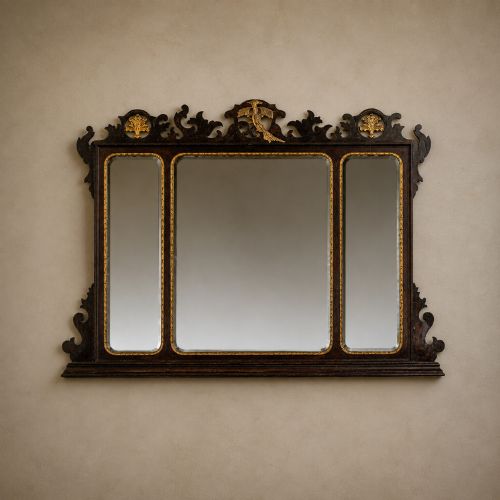
Carved gesso ornamentation and painted finishes frequently decorated pine and softwood surfaces, particularly on Georgian and Victorian mantelpieces. Overmantel mirrors incorporated specialist mirror glass, sometimes set within gilt or carved wooden frames alongside cresting details like the Ho-Ho bird.
The selection includes architectural elements spanning the Georgian, Victorian, and Edwardian periods.
What varies in quality
The sophistication of the architectural carving separates standard joinery from exceptional design, particularly in neoclassical friezes and carved gesso details. Depth of relief and proportion determine the visual impact of a mantelpiece against a wall.
The choice of primary timber influences the character of the piece, with dense hardwoods like figured mahogany and quarter-sawn oak holding finer detail than painted pine. Original surface treatments and intact mirror glass also distinguish superior examples.
SIR EDWIN LUTYENS
The Antique Wooden Chimneypiece Glossary
- Overmantel
- A mirror or decorative panel designed specifically to hang or sit upon the mantelpiece above a fireplace. These frames often match the architectural scale of the room.
- Gesso
- A plaster-like mixture applied to wood surfaces and carved or moulded into intricate relief details before gilding or painting. It provides crisp decorative ornamentation on period frames.
- Trumeau
- An architectural mirror or panel featuring a painted or carved scene placed above a glass plate. Eighteenth-century examples display classical proportions and decorative framing.
- Triptych
- A piece divided into three sections, commonly seen in large overmantel mirrors where flanking glass panels sit beside a central mirror plate. This layout widens the perceived space of a room.
- Chippendale Revival
- A decorative style popular in the nineteenth century that reinterprets eighteenth-century rococo and Chinese-influenced carving. Pieces feature elaborate fretwork and cresting.
Antique Wooden Chimneypiece: Frequently Asked Questions
How do I choose the right size chimneypiece?
Measure the height and width of your chimney breast and existing fireplace opening before selecting a surround or overmantel. Proportion dictates how well the architectural weight of the timber fits the wall space.
Consider the ceiling height of the room when evaluating large overmantel mirrors or tall Georgian mantelpieces. Taller spaces accommodate grand architectural frames without overwhelming the interior layout.
Can I install an antique fire surround with a modern stove?
Many wooden fire surrounds accommodate modern hearths and inset stoves, provided proper clearance distances from heat sources are maintained. Timber requires insulation and correct positioning to prevent damage from high temperatures.
Consult a qualified installer to assess the internal dimensions of the surround against building regulations for solid fuel or gas appliances. Pine and oak mantels must sit safely away from active fire openings.
How do I care for antique painted and polished wood?
Dust wooden surrounds and mirror frames regularly with a dry, soft cloth to prevent particulate buildup on carved surfaces and gesso details. Avoid modern silicone polishes that penetrate porous historic finishes and attract dust.
Maintain stable indoor humidity levels to prevent the pine, oak, or mahogany timbers from splitting or warping over time. Wax finishes on hardwoods benefit from occasional feeding with traditional beeswax.
How do I identify a Georgian mantelpiece?
Georgian mantelpieces display classical architectural proportions, often featuring dentil moulding, fluted pilasters, and carved pine or gesso friezes. Their design draws directly on Palladian symmetry and ancient Roman motifs.
Examine the construction methods and the type of pine or hardwood used in the backing and internal framing. Eighteenth-century joinery exhibits hand-cut elements and distinct tool marks absent in later revival pieces.