

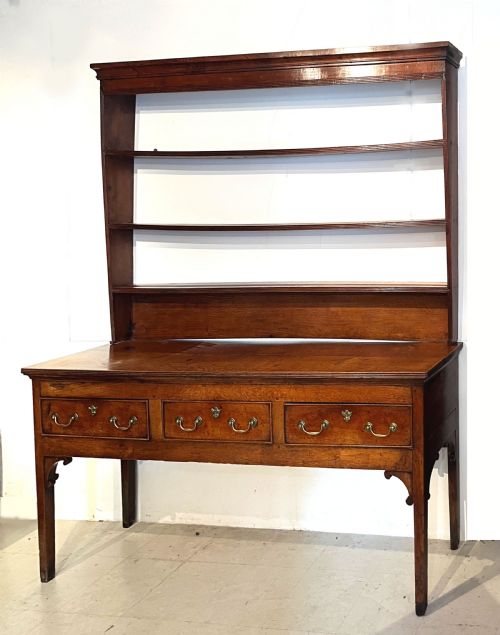


Antique Wooden Buffet Hutch
These antique wooden buffet hutch examples offer practical storage and timeless country character for any room.
Antique Wooden Buffet Hutch
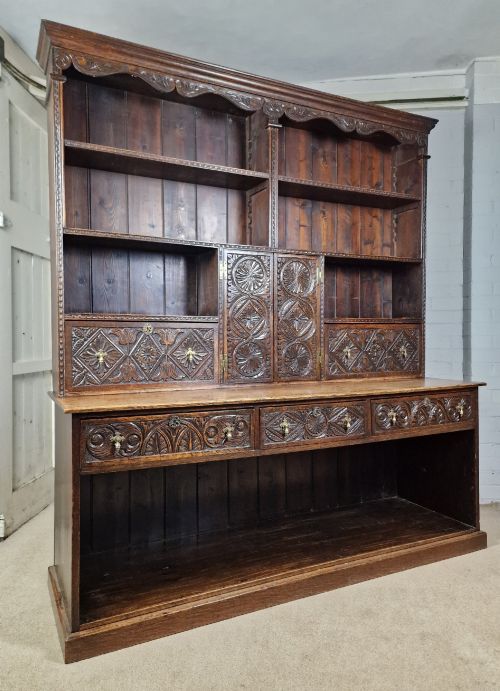
An antique wooden buffet hutch provides substantial storage and display space, combining lower cupboards or drawers with upper plate racks or shelving. When searching for an antique wooden buffet hutch, buyers encounter pieces spanning multiple centuries from the sixteenth to the twentieth.
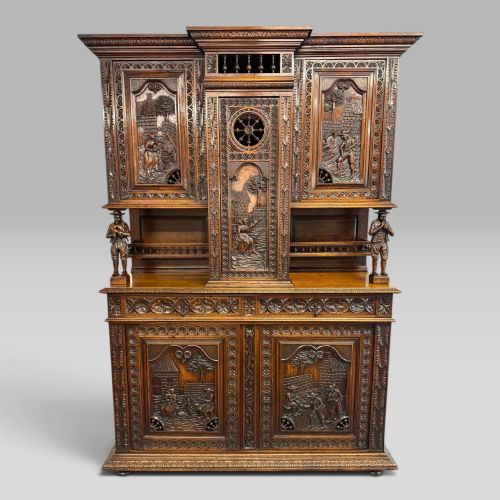
Styles range from simple folk art and English country designs to elaborate flamboyant gothic and arts and crafts movements. These items function as kitchen dressers, sideboards, or two-part cabinets depending on the specific period and origin.
How They Were Made
Joiners and cabinetmakers constructed these pieces primarily from solid hardwoods like oak, walnut, and mahogany, as well as softer woods such as pine. Traditional framing, paneling, and hand-carving techniques define the structural integrity of each item.
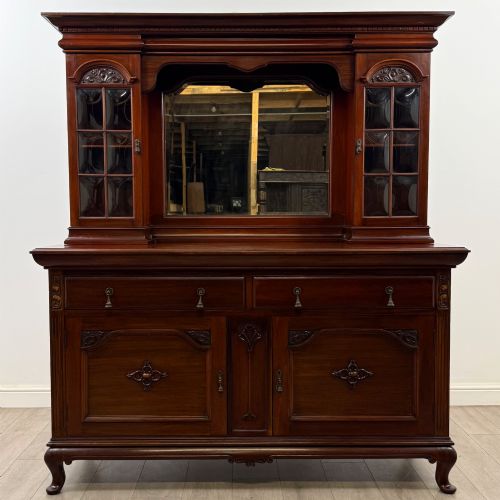
Hardware typically includes brass fittings, handles, and hinges which complement the natural grain of the wood. Glass elements appear in select decorative cabinets and upper compartments.
Antique Wooden Buffet Hutch Retail Price Guide 2026
Typical asking prices for wooden buffet hutch among the pieces listed under this phrase on Sellingantiques today, from the lower quarter to the upper quarter. They describe what is for sale here now, not the wider market.
Some eighteenth-century oak dressers feature carved kings, reminding us that cabinetry double as storytelling.
What Varies in Quality
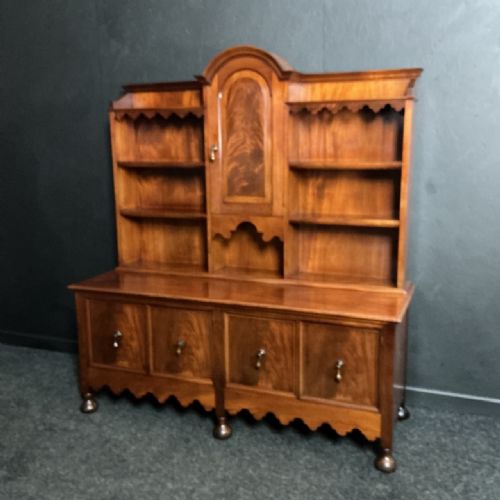
The standard of carving and the selection of timber dictate the distinction between simpler vernacular furniture and high-status formal pieces. Figured grains such as flame mahogany or well-chosen walnut elevate the visual presence of a cabinet.
Original construction details, matching hardware, and the survival of integrated upper racks strongly influence the integrity of each dresser or buffet.
The Antique Wooden Buffet Hutch Glossary
- Welsh dresser
- A traditional kitchen storage unit featuring base cupboards with an open plate rack above. This form originates from Wales and became popular throughout British country houses.
- Buffet vaissellier
- A French term for a two-part storage cabinet designed for displaying and storing tableware. These pieces often combine lower buffet cupboards with upper shelving.
- Tramp art
- A style of woodwork created by carving chip-carved geometric patterns, often using inexpensive materials like boxwood. It represents a distinct folk art tradition.
- Two-part dresser
- A large piece of furniture constructed in separate upper and lower sections for ease of transport. This modular design appears frequently in eighteenth and nineteenth-century examples.
Antique Wooden Buffet Hutch: Frequently Asked Questions
What is an antique wooden buffet hutch used for?
These pieces provide functional storage for tableware, linens, and kitchen goods while offering open shelving to display decorative ceramics or plates.
They serve as focal points in dining rooms, kitchens, or living spaces, blending practical utility with historical character.
How do I identify the period of a dresser?
Dating relies on examining construction methods, wood types, and stylistic details such as hardware and carving techniques. Sixteenth and seventeenth-century pieces show heavy timber framing, whereas eighteenth and nineteenth-century examples feature refined joinery.
Regional variations also provide clues, distinguishing English country furniture from French provincial or arts and crafts items.
Are these pieces made from solid wood?
The evidence shows construction from natural timbers including oak, walnut, mahogany, pine, cherrywood, and flame mahogany. Master craftsmen built these items using solid woods suited to their regional traditions.
Secondary woods may appear in hidden structural areas like drawer linings and back panels.
How should I care for an antique wooden cabinet?
Protect the wood by placing the furniture away from direct heat sources and strong sunlight, which can dry out the timber and finish. Regular dusting with a soft dry cloth maintains the surface.
Avoid chemical polishes and maintain stable humidity levels in the room to preserve the joints and natural grain.