

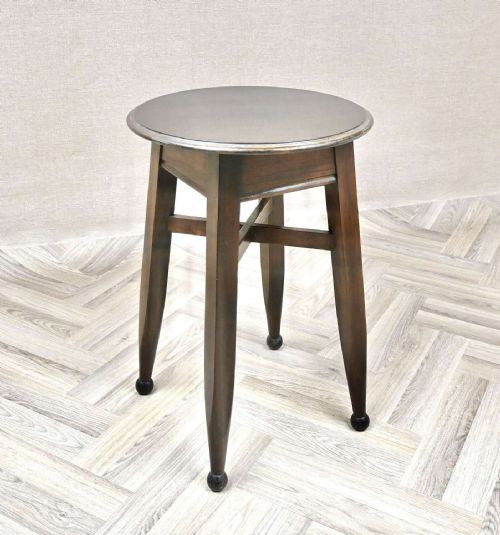


Antique Wooden Bistro Table
An antique wooden bistro table brings French provincial character and sturdy everyday utility to a room.
Antique Wooden Bistro Table
When you search for an antique wooden bistro table, you are looking at compact dining and pub tables designed for commercial and domestic use. The pieces appearing here span the nineteenth century through the Art Deco era and the nineteen-thirties, reflecting diverse European influences. You will most frequently meet round and folding formats originating from French country and Victorian traditions.
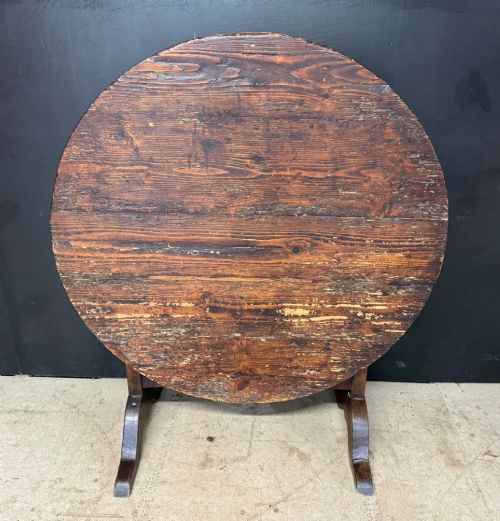
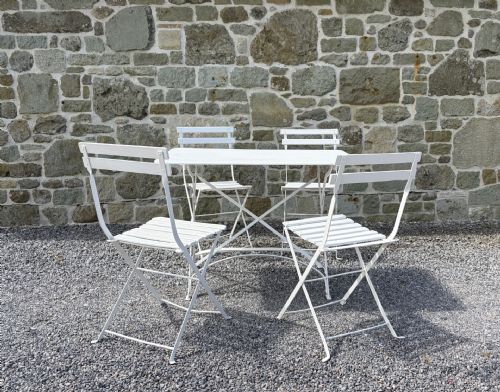
The selection includes specific forms such as conservatory tables, garden tables, and folding vineyard tables alongside traditional pub and dining tables. These items combine timber tops with robust iron supports, offering a practical footprint for smaller spaces. Each piece demonstrates the functional design typical of nineteenth-century and early twentieth-century social settings.
How they were made
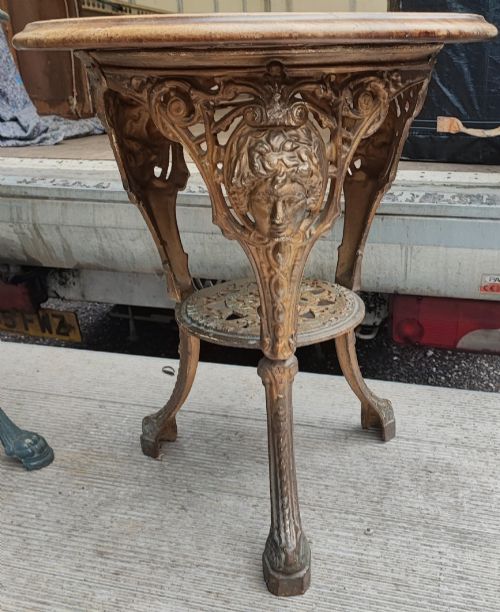
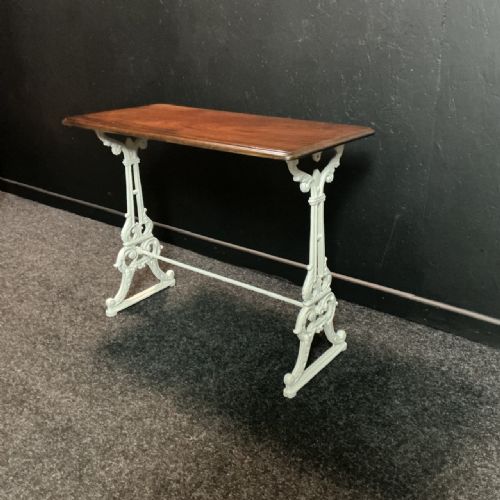
Makers constructed these tables using a combination of timber tops and metal bases, pairing wood like walnut, mahogany, oak, and stained hardwood with cast iron or wrought iron. The woodwork ranges from simple planking to polished surfaces, while the metal components utilise scroll work and strapp work for structural support and decoration.
Techniques varied between workshop production and foundry casting, seen in folding mechanisms for vineyard use and rigid frames for conservatory and pub environments. Original painted finishes and natural timber grains appear across the inventory, reflecting period preferences for both utilitarian durability and domestic display.
Antique Wooden Bistro Table Retail Price Guide 2026
Typical asking prices for wooden bistro table among the pieces listed under this phrase on Sellingantiques today, from the lower quarter to the upper quarter. They describe what is for sale here now, not the wider market.
Folding vineyard tables were once packed onto carts at dusk, ready to be unfolded the next morning for workers sharing a quiet sip of local red.
What varies in quality
The distinction between standard examples and superior pieces rests on the integration of materials and the complexity of the ironwork. Tables featuring detailed scroll work or specialist mechanisms like folding frames demonstrate a higher degree of initial design thought than plain utility pieces.
The selection of timber also dictates the character of the table, with figured walnut and mahogany elevating an ordinary pub table into a refined dining piece. Preservation of original painted surfaces and authentic patination on both wood and iron further separates finer examples from heavily restored ones.
The Antique Wooden Bistro Table Glossary
- Bistro table
- A small table traditionally used in cafes and outdoor eateries. These pieces prioritise a compact footprint and sturdy construction.
- Pub table
- A heavy-duty table designed for tavern use. They frequently combine cast iron bases with robust timber tops to withstand frequent use.
- Vineyard table
- A folding table utilised in agricultural settings for seasonal work. Their design allows for easy storage and transport between locations.
- Scroll work
- Ornamental ironwork formed into spiral or scroll shapes. This technique provides both structural rigidity and decorative detail to table bases.
- Conservatory table
- Light furniture intended for sunrooms and enclosed porches. They often feature decorative iron frames paired with wooden tops.
Antique Wooden Bistro Table: Frequently Asked Questions
What defines an antique wooden bistro table?
These tables are compact dining or utility pieces typically combining a timber top with a cast iron or wrought iron base. They originated in nineteenth-century settings such as French country spaces and Victorian establishments.
Their physical form prioritises a small footprint, making them suitable for versatile placement in modern homes. The mix of wood and metal defines their enduring appeal.
How do I use a bistro table at home?
An antique wooden bistro table fits well in kitchens, breakfast nooks, or small dining areas where space is limited. Their sturdy construction also permits placement in conservatories or sheltered outdoor spots.
Pronounced mobility in folding variants allows you to move the table easily according to your seating needs. They serve as functional surfaces for daily dining or occasional display.
Are these tables suitable for daily use?
The original design of these tables intended them for constant commercial and domestic service. Their robust iron frames and solid timber tops mean they handle everyday activities well.
Normal household care keeps the wood and metal components in good condition. You can enjoy them as practical furniture rather than strictly decorative objects.
How can I tell the period of a table?
Dating relies on examining the construction methods used in the timber and the casting style of the iron base. Victorian and nineteenth-century pieces often display specific foundry marks or hand-finished wooden elements.
Later pieces from the nineteen-thirties reflect modernist shifts in design, such as Art Deco influences. Comparing the joinery and metalwork provides clear clues to the era of manufacture.