


Antique Wooden Base Table
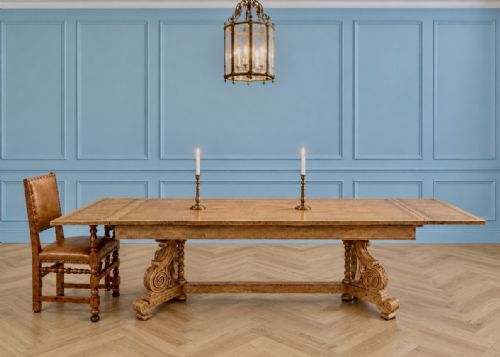
An antique wooden base table anchors a room with solid presence, offering robust utility across centuries of dining tables, side tables, and refectory forms.
Antique Wooden Base Table
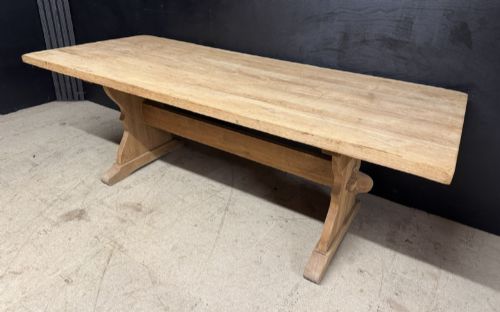
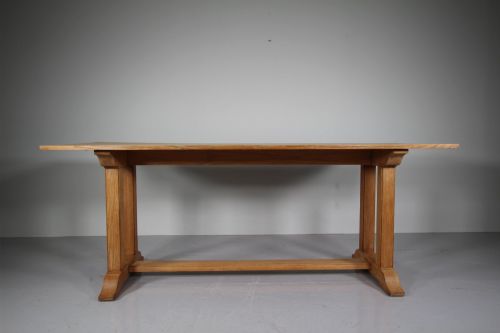
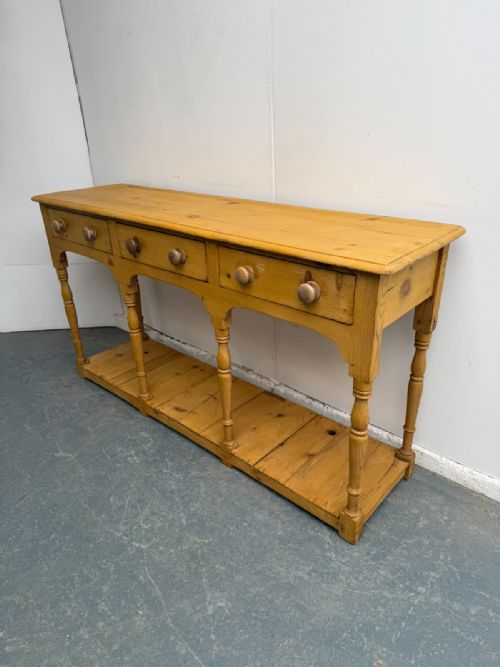
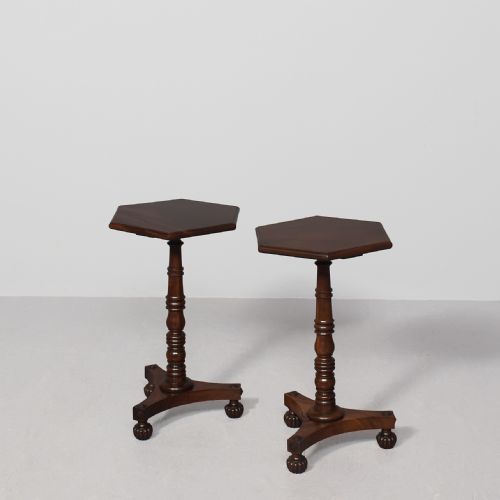
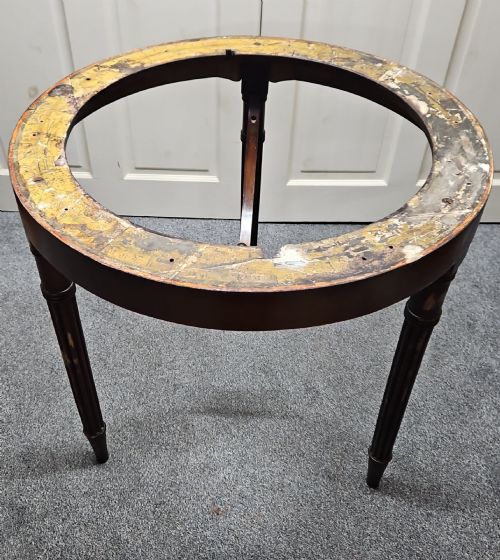
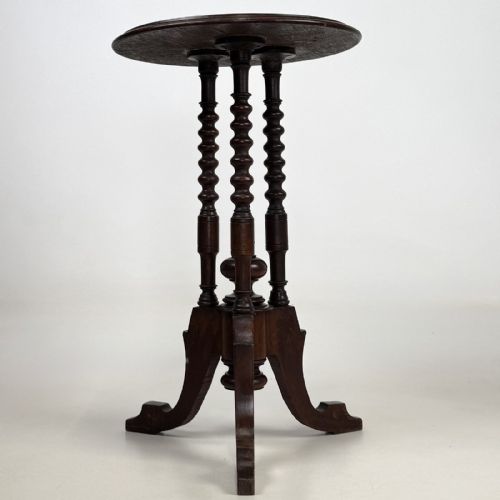
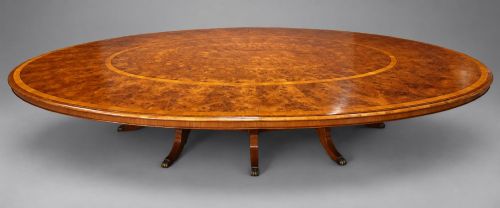
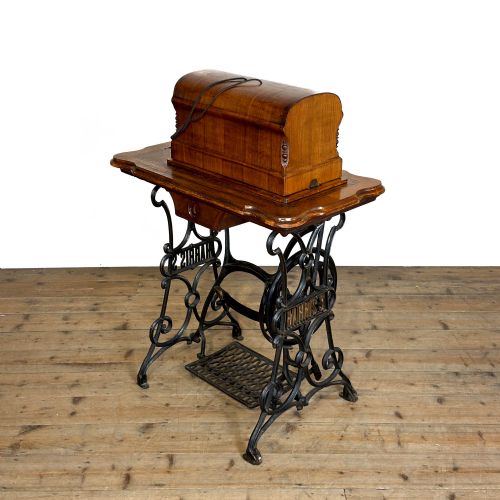
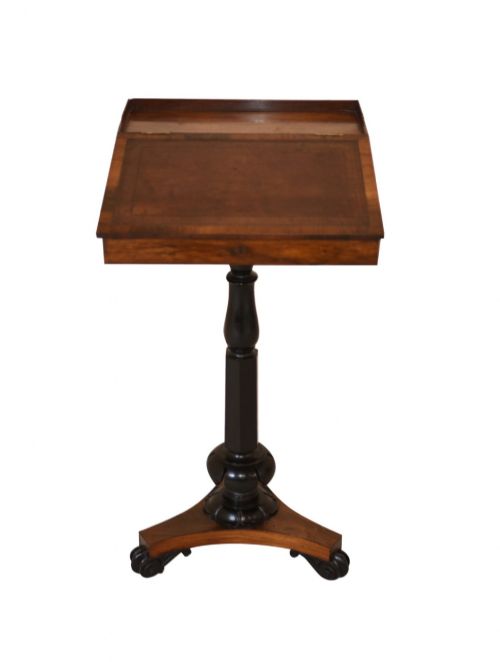
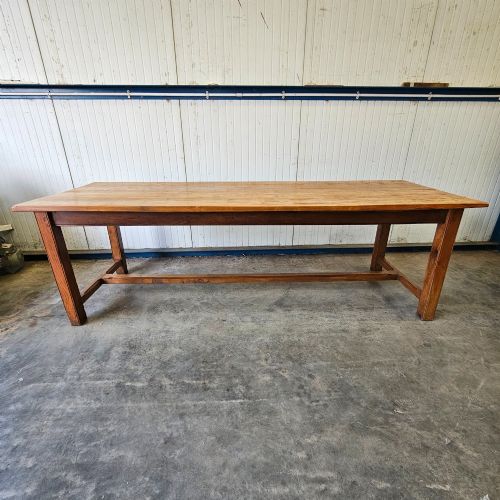
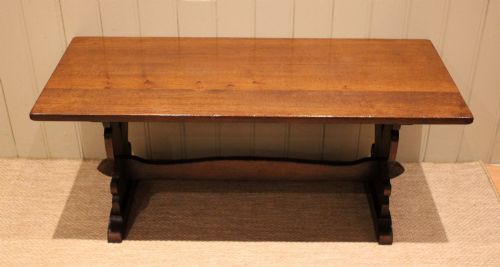
An antique wooden base table encompasses heavy refectory dining tables, painted potboard dresser bases, and smaller occasional or side tables found on this page. These pieces span centuries from the 18th century through the Victorian, Edwardian, and Art Deco periods, drawing on styles such as Georgian, Jacobean Revival, and rustic farmhouse.
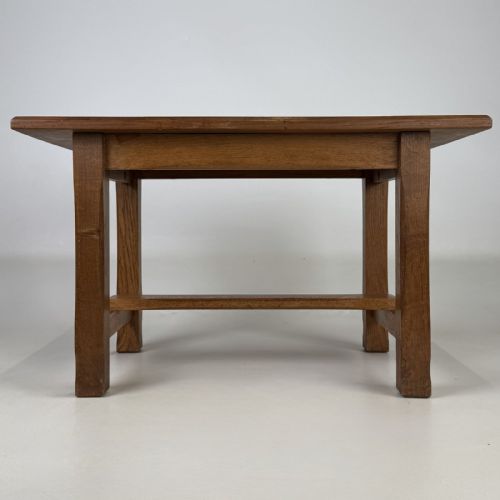
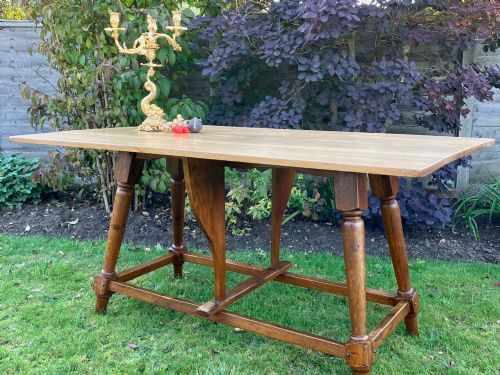
The version most commonly met here is the oak farmhouse or refectory dining table, frequently built with thick plank tops and sturdy stretcher bases. Alongside these, buyers encounter walnut, mahogany, and pine sideboards, writing desks, and small occasional tables originating from English, Scottish, and continental workshops.
Materials and construction methods
Cabinet makers and joiners utilised native hardwoods predominantly, relying on oak, walnut, mahogany, elm, and chestnut for structural integrity and longevity. Planks were joined to form heavy table tops supported by stretcher bases, cabriole legs, or trestles.
Surface treatments range from natural waxed finishes highlighting the grain of bleached oak and rosewood to painted treatments found on English and Scottish potboard dresser bases. Metal elements such as brass appear on specific pieces, whilst secondary timbers like pine are utilised in utilitarian sections.
Antique Wooden Base Table Retail Price Guide 2026
Typical asking prices for wooden base table among the pieces listed under this phrase on Sellingantiques today, from the lower quarter to the upper quarter. They describe what is for sale here now, not the wider market.
Period representation on this page extends from the 18th century through Victorian and Edwardian eras into the 1930s.
Distinctions in construction and material standard
The standard of a piece depends heavily on the selection of timber, with dense quarter-sawn oak, figured walnut, and rich mahogany marking out superior items. Grain matching across large plank surfaces and the tightness of joinery dictate the overall solidity of the frame.
Refinement in carving, such as detailed motifs on Jacobean Revival stretchers or elegantly shaped cabriole legs, separates standard utilitarian furniture from finer pieces. Originality of surface finish, whether a patinated wax or historic painted layer, significantly influences the integrity of an item.
The Antique Wooden Base Table Glossary
- Refectory table
- A long narrow dining table traditionally used in monasteries and large halls, characterised by substantial length and heavy underframe stretchers.
- Dresser base
- A low sideboard or cabinet featuring drawers and cupboards beneath a flat top, often incorporating an open potboard shelf at ground level.
- Stretchers
- Horizontal wooden bars connecting the legs of a table or chair near the floor to provide structural stability.
- Cabriole leg
- A furniture leg that curves out gracefully and then tapers inward, typically finishing in a pad or claw foot, common in Queen Anne style pieces.
- Potboard
- An open lower shelf built into the base of a dresser or sideboard, historically used for storing pots and domestic vessels.
Antique Wooden Base Table: Frequently Asked Questions
What is an antique wooden base table?
These pieces comprise sturdy dining tables, sideboards, and occasional tables supported by substantial wooden frames, trestles, or pedestals. They reflect centuries of domestic joinery and regional design.
Items range from heavy oak refectory dining tables to walnut dresser bases and smaller mahogany occasional pieces spanning the 18th to 20th centuries.
How were refectory tables used?
Refectory tables served primarily as communal dining surfaces in large halls and monastic refectories before finding a permanent place in domestic farmhouse kitchens.
Their long, narrow proportions and sturdy stretcher bases were designed to accommodate large groups and withstand daily communal dining.
How do I identify an 18th century table?
Eighteenth-century examples typically display deep timber patination, hand-cut joinery such as pegged mortise and tenon joints, and native hardwoods like oak, walnut, and chestnut.
Construction details reveal the hand tool marks of period craftsmen, differing significantly from later machine-sawn industrial production.
Where should I place a dresser base?
A dresser base fits well in a dining room or kitchen as a serving surface and storage unit, echoing its historical role in domestic interiors.
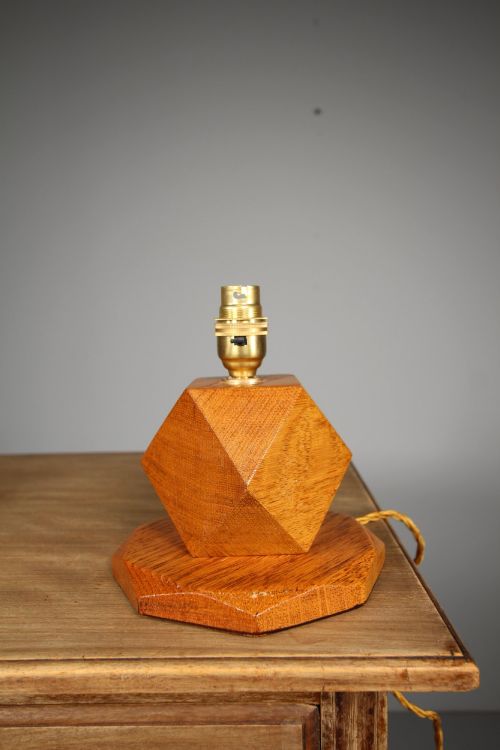
The flat top accommodates lamps or decorative items, while the drawers and lower potboard offer practical storage space.
What maintenance do these tables need?
Historic timber benefits from regular application of quality beeswax to nourish the wood and maintain a protective barrier against moisture.
Avoiding direct heat sources and sudden humidity changes preserves the stability of old planks and prevents timber splitting.