

Antique Wooden Art Box
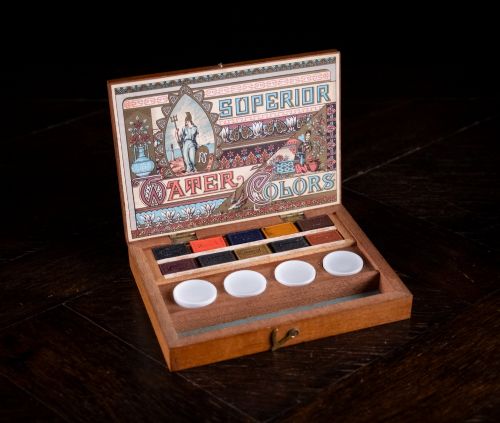
An antique wooden art box brings handmade folk character and practical storage into a room.
Antique Wooden Art Box
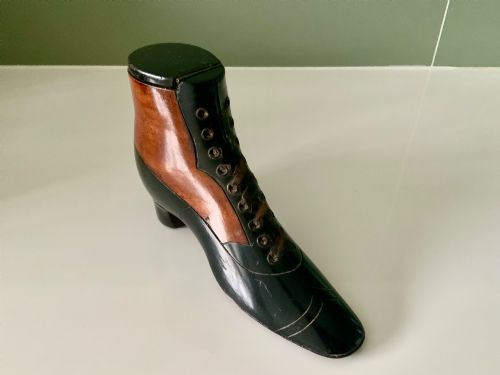
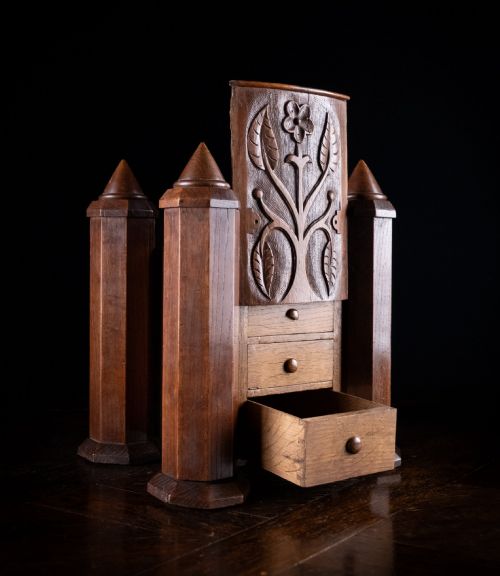
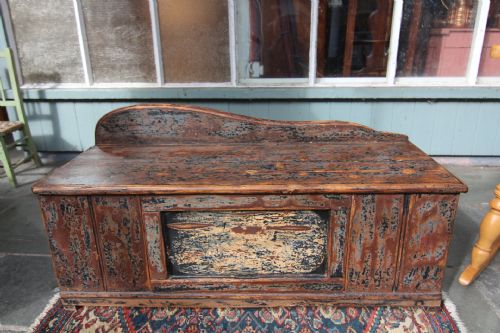
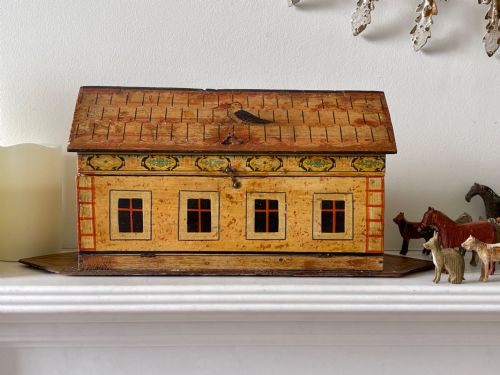
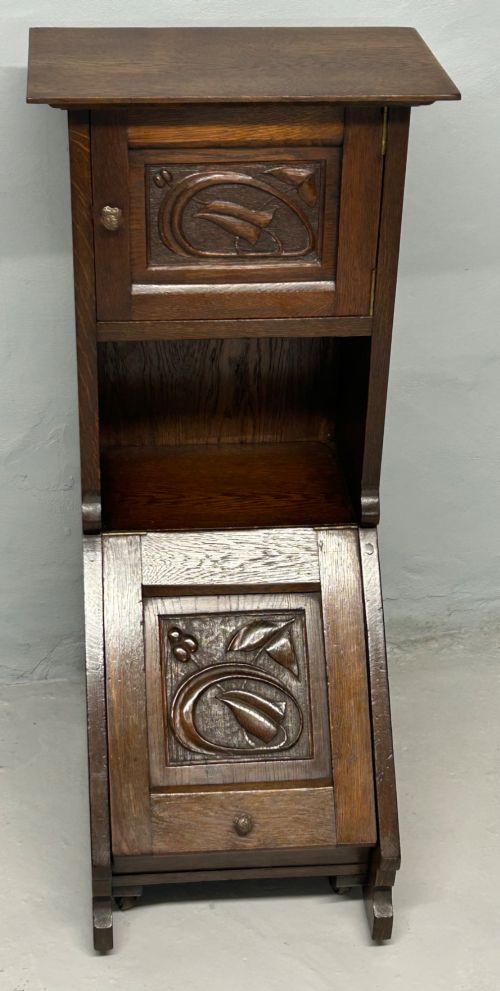
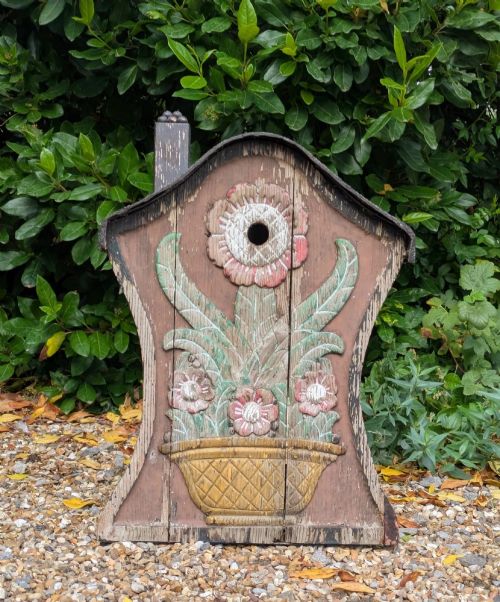
You are most likely to meet pieces belonging to the wider category of nineteenth-century folk art, alongside stylistic expressions like Arts and Crafts and Gothic Revival. These objects originate from British, Scandinavian, and continental workshops, reflecting regional traditions in woodworking and surface decoration.
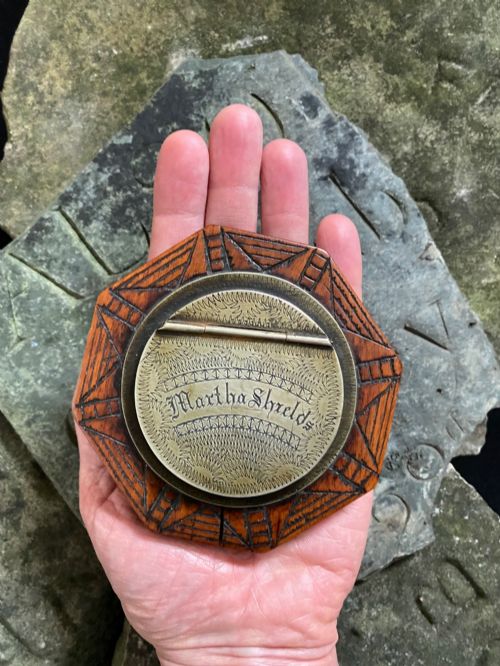
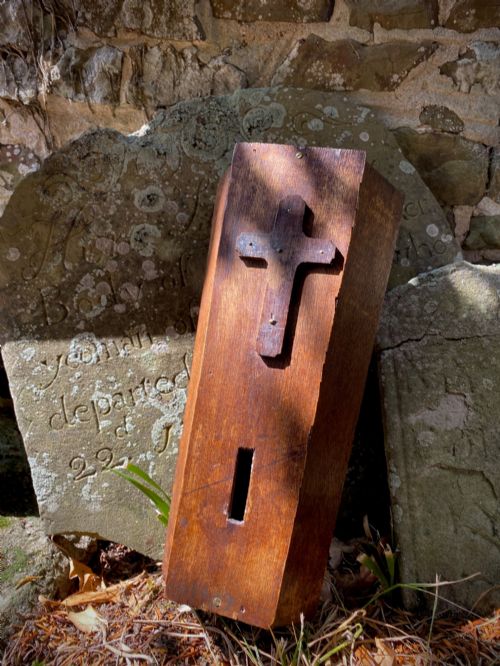
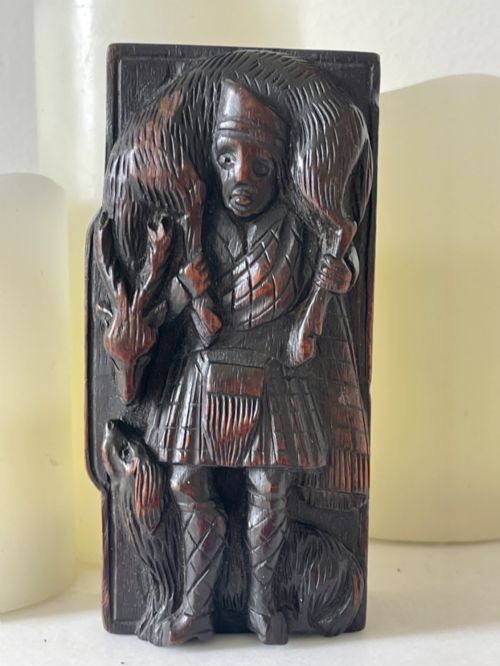
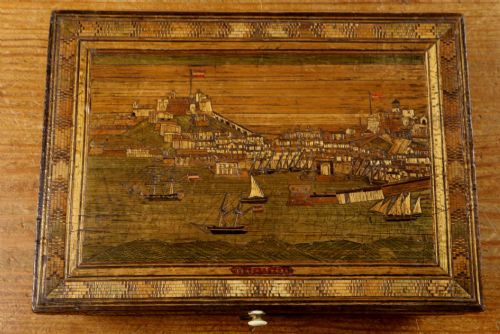
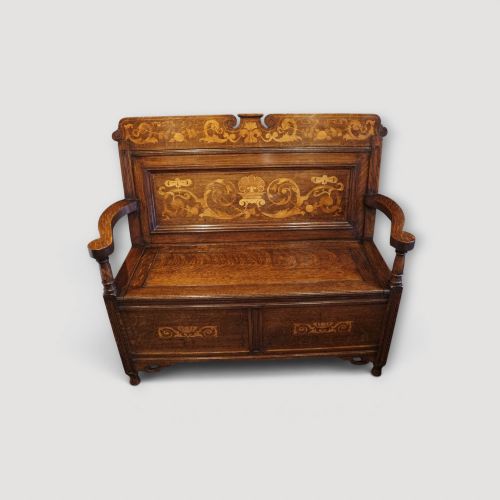
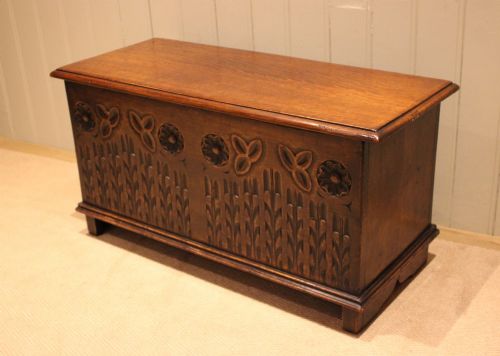
The forms vary from small snuff and jewellery boxes to larger coffers, trunks, and wall-hanging cupboards. Each item demonstrates how everyday objects received careful decorative attention through carving, painting, or applied metalwork.
Materials and Technique
Makers utilised solid timbers such as oak, pine, and limewood, selecting them for structural durability and suitability for intricate carving. Surfaces frequently display polychrome paint, straw work, or chip carving executed with simple gouges and knives.
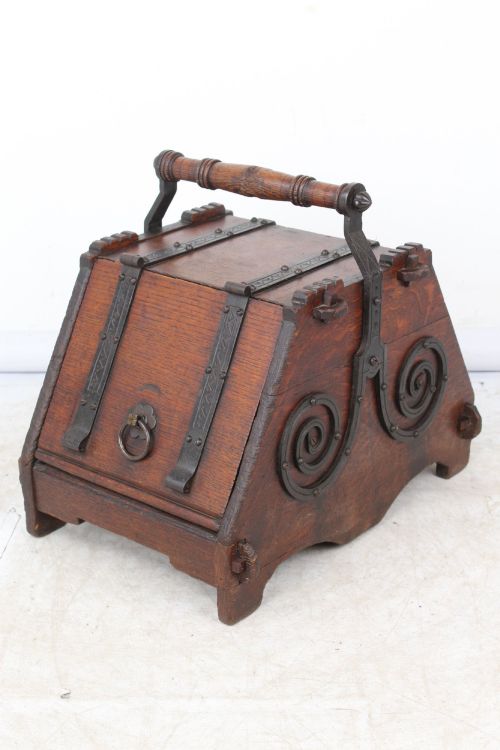
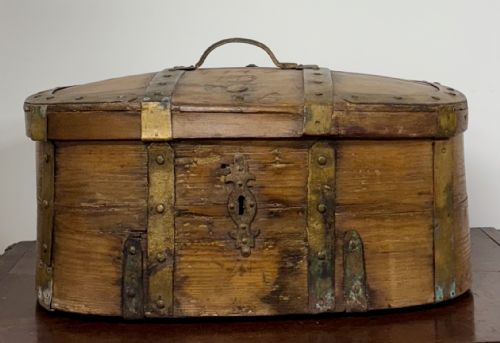
Structural joints rely on hand-forged iron strapwork, brass hinges, and pegged construction rather than modern fasteners. These traditional joining techniques ensure the survival of boxes and chests through generations of daily handling.
Antique Wooden Art Box Retail Price Guide 2026
Typical asking prices for wooden art box among the pieces listed under this phrase on Sellingantiques today, from the lower quarter to the upper quarter. They describe what is for sale here now, not the wider market.
Evaluating Quality
Quality rests upon the crispness of the hand-carving and the integrity of the original surface, whether painted, polished, or left as bare timber. Pieces that retain their original patination and untouched hardware command greater regard among collectors.
The sophistication of the design execution distinguishes standard utilitarian containers from exceptional examples of folk art or movement-specific pieces. Proportion, balance, and the harmony of decorative elements indicate the maker's skill and intent.
James Shoolbred & Co·Bourgeoise Aine Paris
The Antique Wooden Art Box Glossary
- Chip carving
- A method of removing small chips from a wooden surface with a knife to create geometric patterns. This technique appears frequently on nineteenth-century domestic boxes and foot stoves.
- Treen
- Small handmade wooden objects designed for household use. The term encompasses items ranging from tobacco containers to small decorative boxes.
- Folk art
- Utilitarian items created by self-taught or traditional craftsmen using local materials. These objects prioritise practical function combined with vernacular artistic expression.
- Strapwork
- Flat bands of metal, often iron or brass, applied to reinforce the corners and lids of chests and trunks. It provides both structural strength and visual contrast against the wood.
Antique Wooden Art Box: Frequently Asked Questions
What defines an antique wooden art box?
These items are handmade containers and small furnishings produced during the eighteenth, nineteenth, and early twentieth centuries. They combine practical storage with decorative folk techniques such as chip carving or painting.
Buyers seek them for their tactile surfaces and historical connection to domestic craftsmanship. Each piece displays the specific aesthetic of its region of origin.
How were these wooden boxes used historically?
Owners utilised them to store personal valuables, letters, tobacco, or art materials in domestic settings. Some specialised forms served as foot warmers or travel chests.
Their sturdy construction from oak or pine allowed them to withstand frequent handling. Over time, many transitioned from purely utilitarian items to decorative display pieces.
How do I care for antique wooden items?
Keep wooden surfaces away from direct sunlight and sudden temperature shifts to prevent the timber from splitting. Apply traditional wax polish sparingly to maintain the natural patina.
Avoid using modern liquid cleaners or chemical polishes that can strip the historic finish. Gentle dusting with a dry cloth is sufficient for routine maintenance.
How can I tell the period of a wooden box?
Examine the construction methods, tool marks, and hardware used in the assembly. Hand-forged iron strapwork and pegged joints usually indicate earlier production dates.
Stylistic indicators such as Arts and Crafts motifs or Victorian Gothic elements also help narrow down the decade of creation. Comparing the timber species and wear patterns provides further confirmation.