
Antique Wooden Animal
These antique wooden animal carvings range from fierce Black Forest bears to naive folk art figures, offering character and craftsmanship for any room.
Antique Wooden Animal
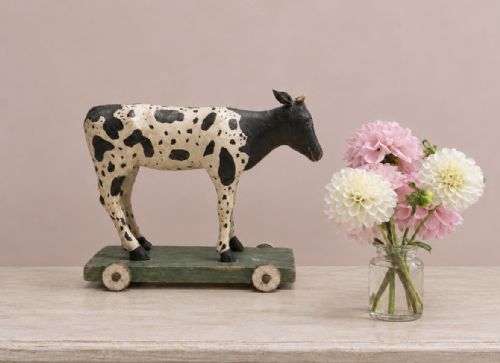
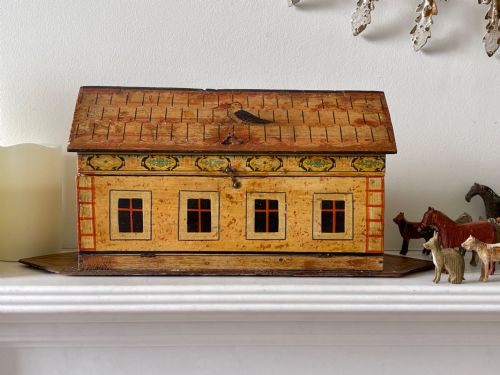
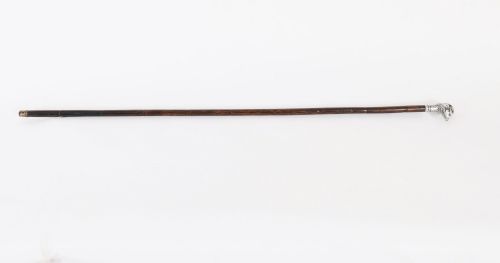
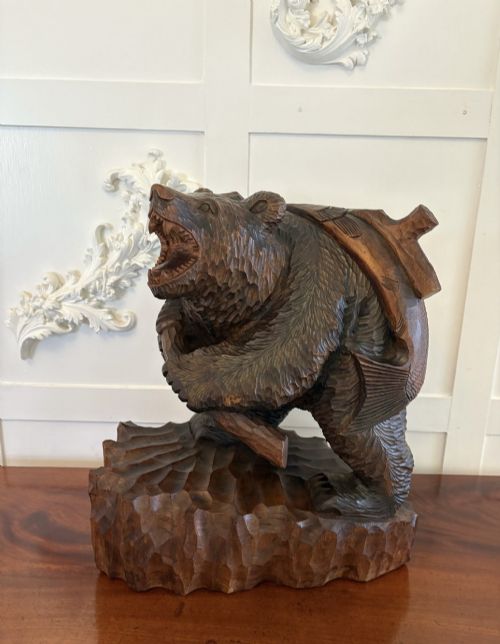
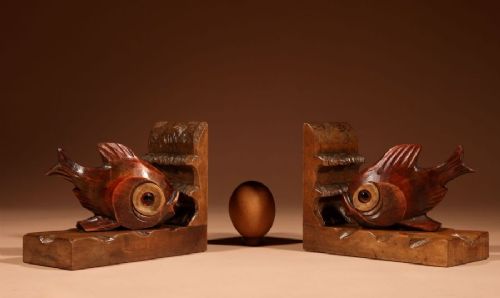
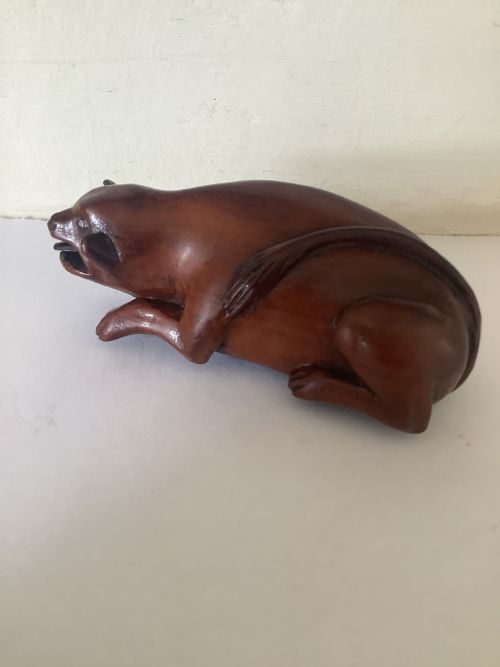
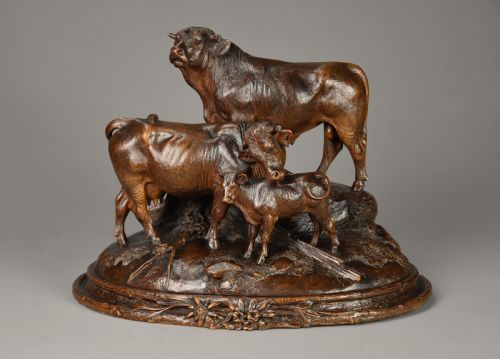
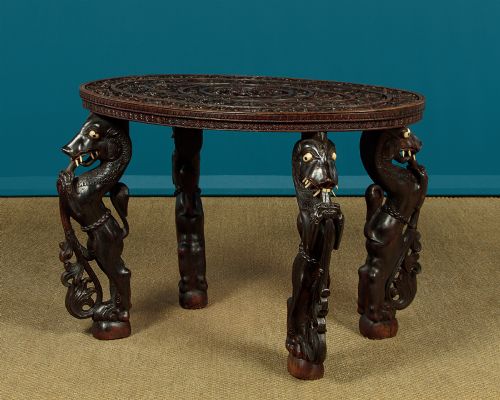
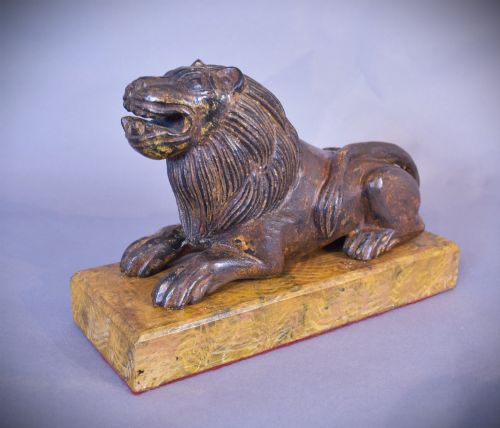
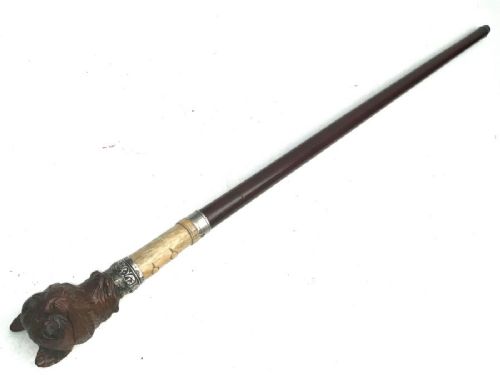
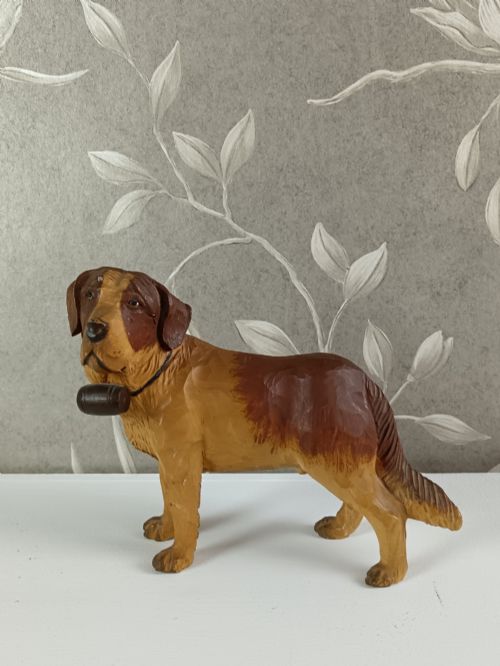
When you search for an antique wooden animal, you encounter a diverse array of forms including freestanding sculptures, bookends, inkwells, and walking stick handles. The selection spans domestic creatures like cattle, deer, and dogs alongside exotic subjects such as elephants, monkeys, and bears.
The objects derive from multiple cultural traditions, most notably European Black Forest workshops, Japanese woodcarving practices, and various regional folk art expressions. Pieces range from the late 17th century through the Victorian era and into the early decades of the 20th century.
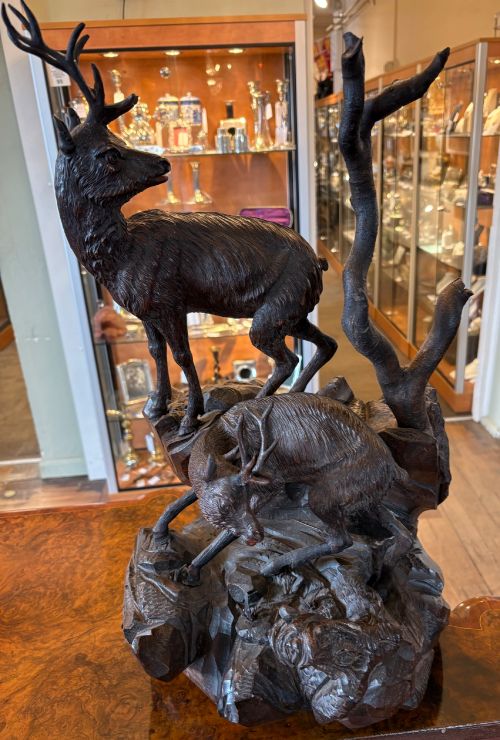
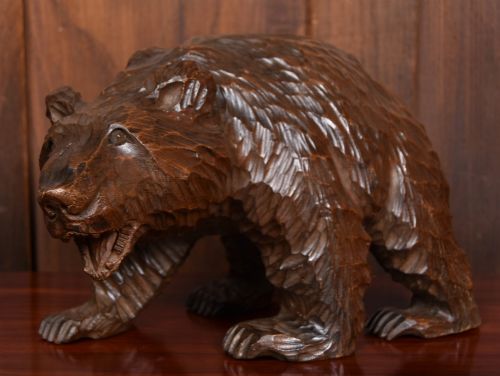
You are most likely to meet mid-to-late 19th-century and early 20th-century works on this page, particularly carved linden wood bears, deer groups, and practical items decorated with fauna. These items served as decorative ornaments, shop displays, and functional household objects.
Materials and carving techniques
Carvers predominantly utilised various timbers including linden wood, cedar, teak, ebony, walnut, and general hardwood. Linden wood was favoured for its fine grain and suitability for intricate European animal studies, while denser hardwoods supported weight-bearing forms like furniture supports and bookends.
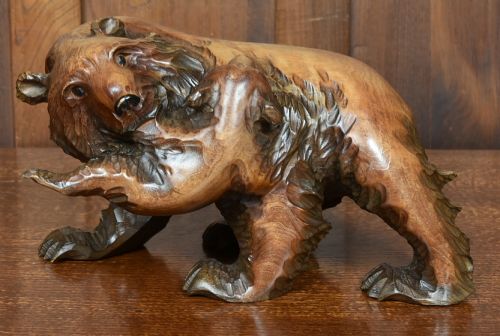
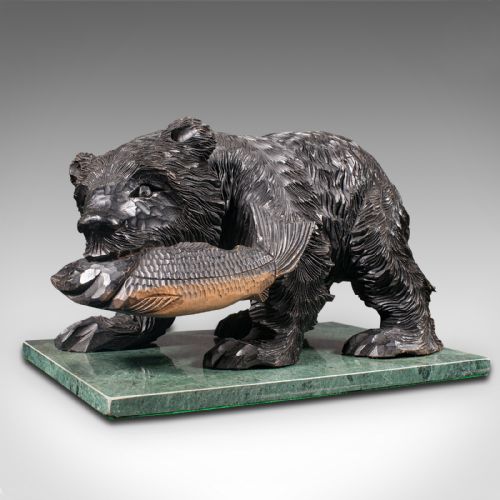
Techniques combine hand-chased surface details with deep relief carving, often enhanced by painted finishes, glass eyes, or inset bone elements. Makers shaped the timber using specialised gouges and chisels to render naturalistic fur textures, anatomical musculature, and lifelike postures.
The listings span multiple centuries, ranging from seventeenth-century figures to twentieth-century figures in wood, bone, and glass.
Assessing quality in carved animals
Quality rests upon the fidelity of anatomical observation and the confidence of the hand behind the chisel. Superior examples capture the skeletal tension and weight of a living creature rather than relying on stiff, formulaic outlines.
The treatment of surface texture distinguishes standard items from exceptional work. Finer carvings demonstrate varied tool marks that suggest fur or feathers without resorting to monotonous mechanical smoothing.
J Huggler
The Antique Wooden Animal Glossary
- Black Forest
- A style of wood carving originating from the Brienz region of Switzerland and the Black Forest of Germany. It is characterised by realistic depictions of woodland fauna, particularly bears, deer, and owls.
- Kibori Kuma
- A traditional style of Japanese wood-carved bear, often depicted carrying a fish in its mouth. These pieces originated as folk art in Hokkaido.
- Folk Art
- Objects created by self-taught or traditional artisans outside academic traditions. These pieces prioritize expressive character and naive charm over strict anatomical precision.
- Raj Period
- Designating items produced during the British rule in India. These pieces frequently feature carved teak or ebony elephants and specialised furniture.
- Linden Wood
- A pale, fine-grained timber commonly utilised by European carvers. Its soft yet stable nature allows for deep, intricate undercut details.
Antique Wooden Animal: Frequently Asked Questions
What animals appear most often?
Bears, elephants, and deer dominate the selection, reflecting the popularity of wildlife subjects in European and Asian carving traditions during the nineteenth and early twentieth centuries. Domestic horses and dogs also feature regularly in folk art.
These subjects fulfilled both purely decorative roles and practical functions as bookends, inkwells, and walking cane handles.
How do I care for wooden carvings?
Keep carved wooden animals away from direct sunlight and sudden temperature shifts to prevent the timber from splitting or warping. Dust them gently with a dry, soft brush rather than using liquid polishes.
Maintaining stable indoor humidity preserves the original finish and any applied painted details or glass eyes.
Are these pieces signed by makers?
Most antique wooden animals remain unsigned, as makers in folk art traditions and many regional workshops did not brand their output. Stamps or signatures occasionally appear on specialised European linden wood groups.
Workshop attributions rely instead on distinct regional styles, carving techniques, and choice of timber.
How do I distinguish Black Forest pieces?
Black Forest carvings typically showcase deep, realistic rendering of woodland animals such as stags, foxes, and bears, often integrated into functional items like inkwells or bookends. The timber is frequently pale linden wood finished with a warm wax.
They display a high degree of naturalistic anatomical detail that separates them from simpler folk art representations.