
Antique Wood Wardrobe
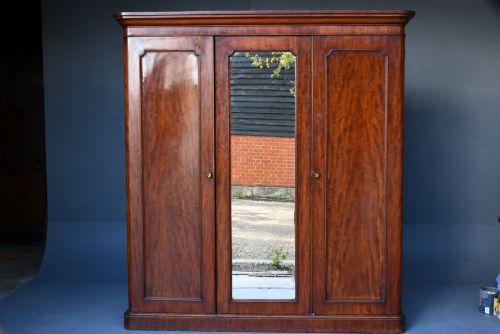
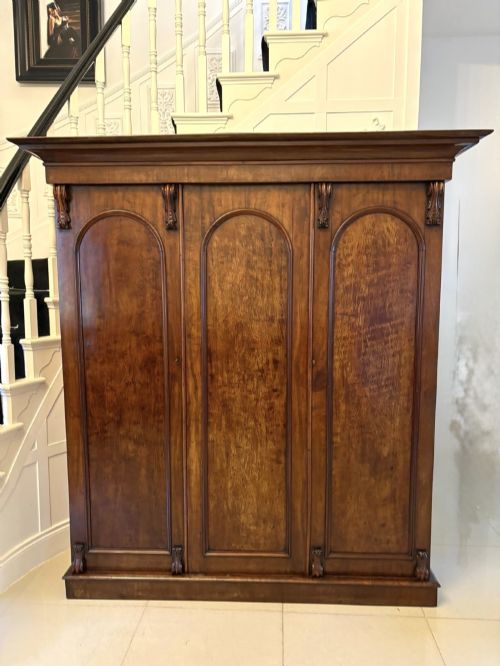
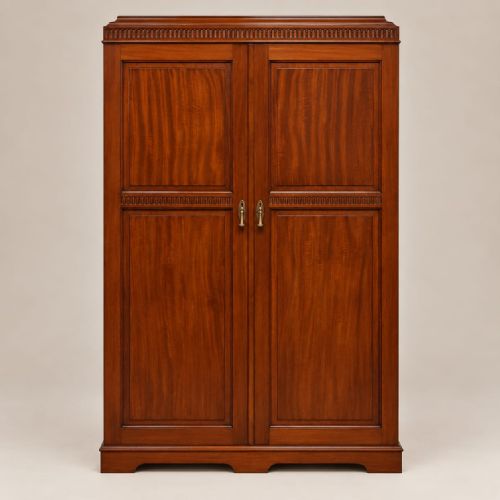
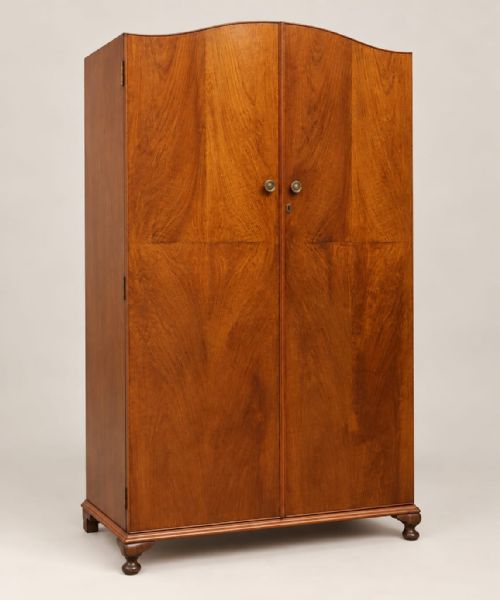
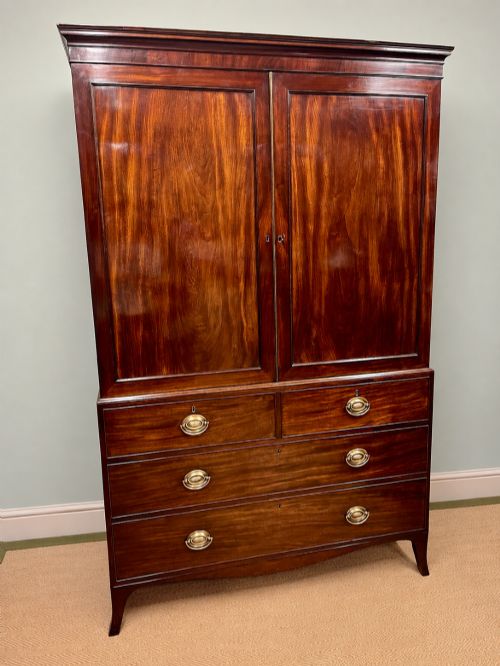
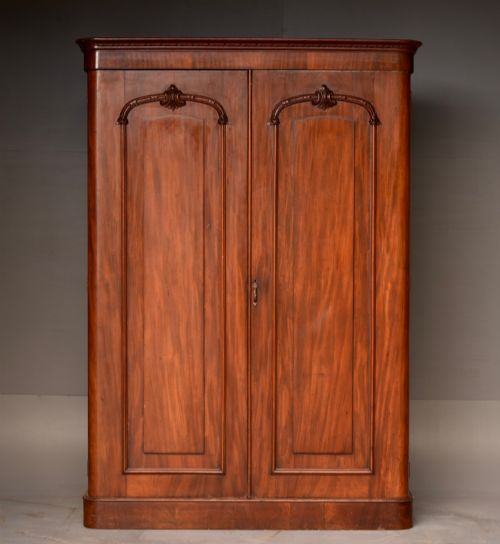
An antique wood wardrobe organises a bedroom with deep timber hanging space and panelled doors handed down through the centuries.
Antique Wood Wardrobe
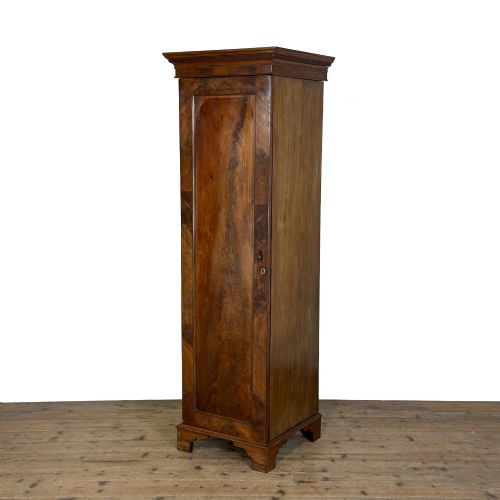
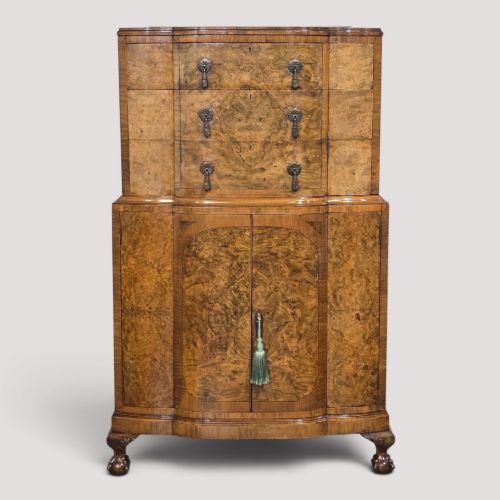
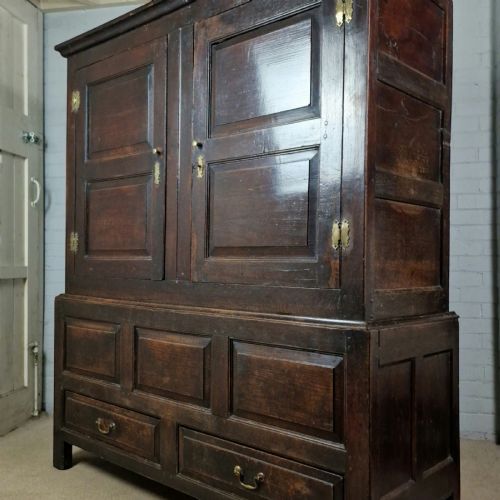
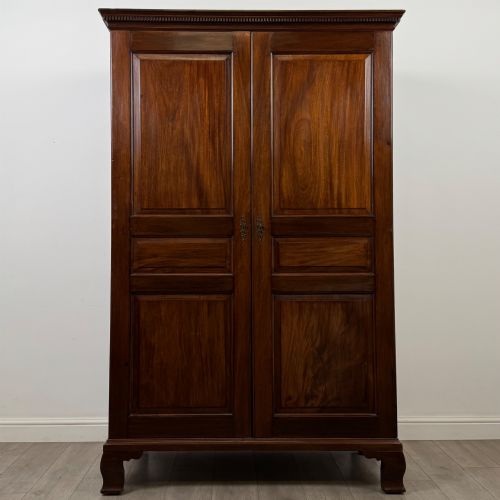
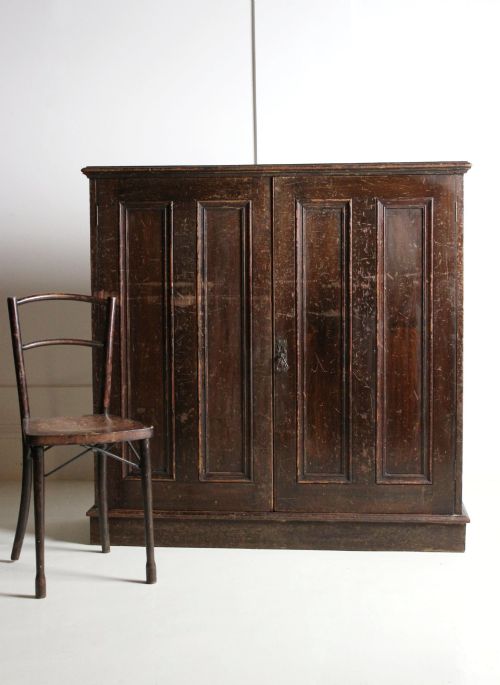
The selection ranges from robust pine farmhouse cupboards to elegant mahogany and burr walnut multi-door closets with fitted internal drawers and sliding trays. Pieces span from the eighteenth century through to the interwar decades, showing regional cabinet-making traditions and shifting domestic needs.
Form follows function closely in these large storage pieces, shifting from shallow Georgian press cupboards designed for folded textiles to deep Victorian hanging robes. The scale remains generous throughout, demanding careful measurement of modern domestic spaces before placement.
Materials and Construction
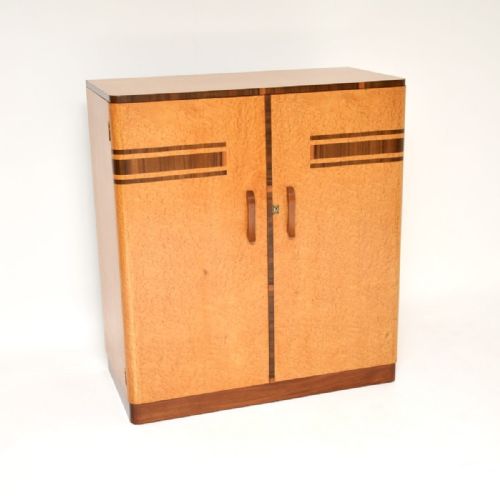
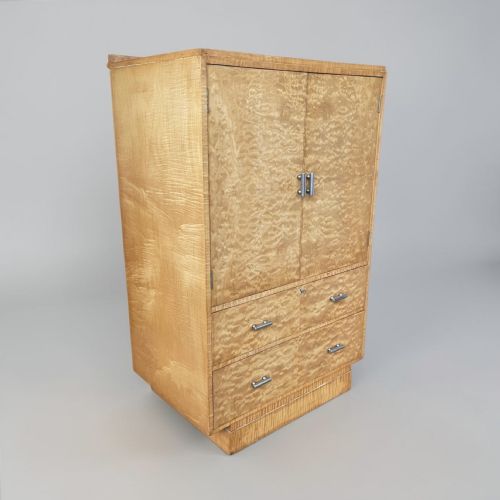
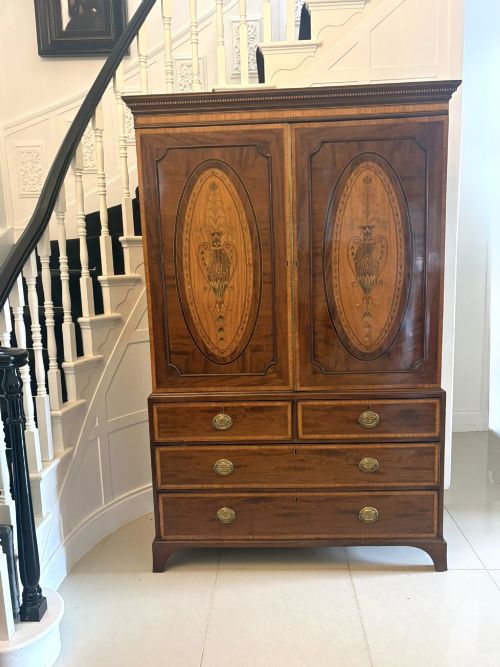
Cabinet-makers constructed these wardrobes using solid native and exotic timbers such as mahogany, oak, ash, and walnut, often applying decorative veneers like burr walnut or bird’s eye maple to prominent door panels. Structural frames rely on traditional joinery techniques, including dovetail joints for internal drawers and mortice and tenon joints for heavy door hanging.
Secondary woods like pine appear on internal partitions and drawer linings, while brass handles, escutcheons, and iron hanging hooks provide functional hardware. Surface finishes range from hand-polished french polish to wax coatings, preserving the natural grain and colour of the timber over generations of use.
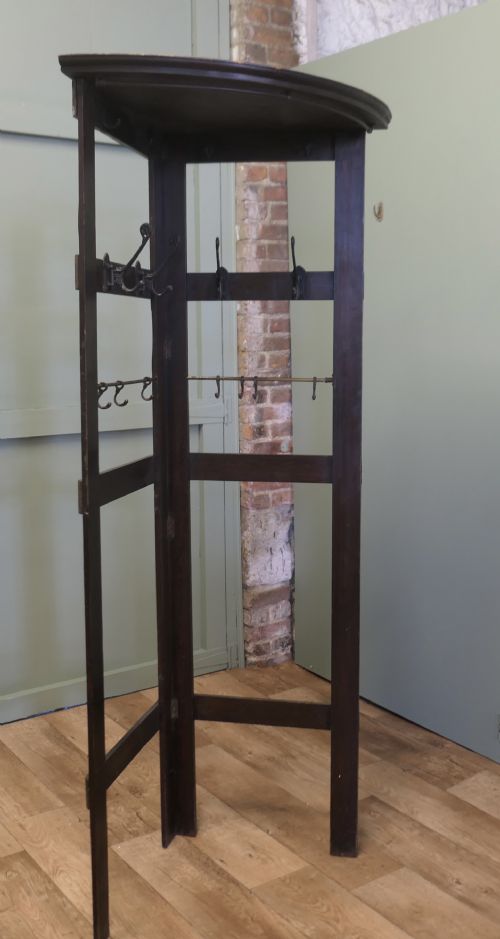
Portable folding sports wardrobes from the Edwardian era allowed gentlemen to change their clothes trackside during outdoor sporting meets.
Distinctions in Quality
Quality in these large storage pieces rests on the selection of timber figures, such as highly figured mahogany or matched burr walnut veneers, paired with crisp hand-carved mouldings and inlay work. Superior examples exhibit balanced proportions, smooth-running internal drawers, and heavy panelled doors that hang true on original brass hinges.
Lesser pieces often employ simpler secondary timbers, plainer grain alignment, or later replacement hardware, though sturdy construction remains standard across most periods. The presence of original fitted internal shelving, sliding linen trays, or manufacturer stamps elevates the standing of a piece within its period.
Maple & Co.·Waring & Gillows
The Antique Wood Wardrobe Glossary
- Linen Press
- A dual-purpose piece featuring sliding trays or shelves in the upper section above a base fitted with drawers, originally utilised for storing household linens.
- Compactum
- A fitted wardrobe containing a combination of hanging space, linen slides, and drawers within a single unified carcass.
- Press Cupboard
- An enclosed cabinet used for storing folded garments or textiles, predating the widespread use of full-length hanging wardrobes.
- Knockdown Wardrobe
- A large piece designed to be dismantled into sections using threaded bolts or wooden pins for ease of transport and installation in domestic rooms.
- Livery Cupboard
- An early form of enclosed storage cabinet, often ventilated with pierced panels, used originally for food or clothing.
Antique Wood Wardrobe: Frequently Asked Questions
How do I dismantle a large wardrobe?
Many Victorian and Edwardian wardrobes utilise knockdown construction with internal bolts or wedge pins allowing the cornice, base, and sides to separate.
Mark each component before loosening the fixings to ensure smooth reassembly in your bedroom.
Will a wardrobe fit my ceiling height?
Antique timber wardrobes often stand taller than modern standard ceilings, particularly triple-door models and pieces featuring heavy architectural cornices.
Measure both your ceiling height and the diagonal clearance of your stairway before purchasing.
How do I care for antique timber?
Maintain the wood by applying a quality beeswax polish sparingly and buffing with a soft cloth to nourish the grain.
Keep wardrobes away from direct heat sources and radiators to prevent timber shrinkage and veneer splitting.
Can I add modern clothes rails?
Many older wardrobes feature historical wooden hanging pegs or shallow depth designed for front-facing valet rails rather than modern side-to-side coat hangers.
Check the internal depth of the hanging compartment to ensure contemporary coat hangers fit inside with the doors closed.