



Antique Wood Wall Art
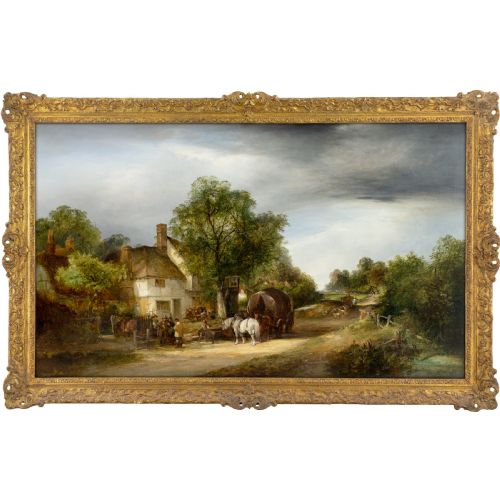
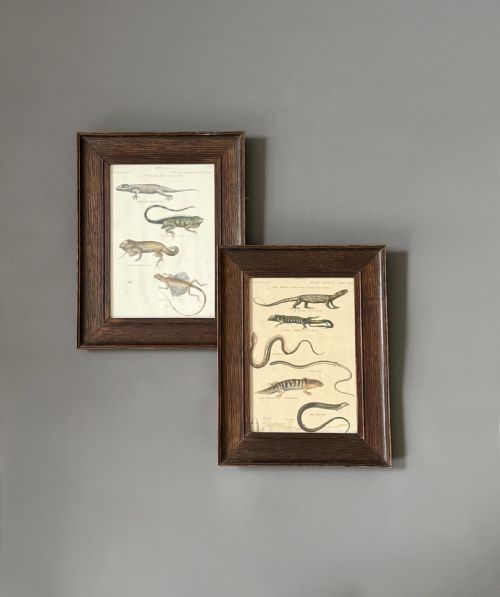
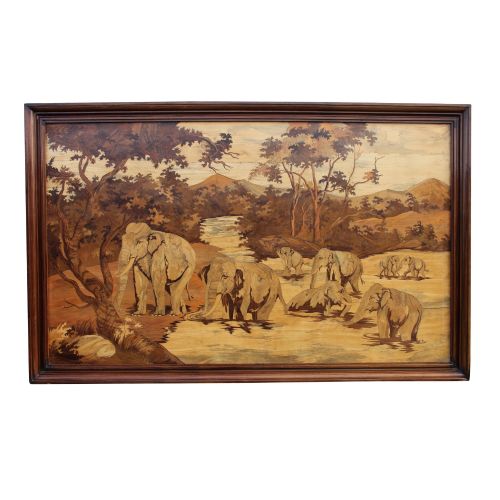
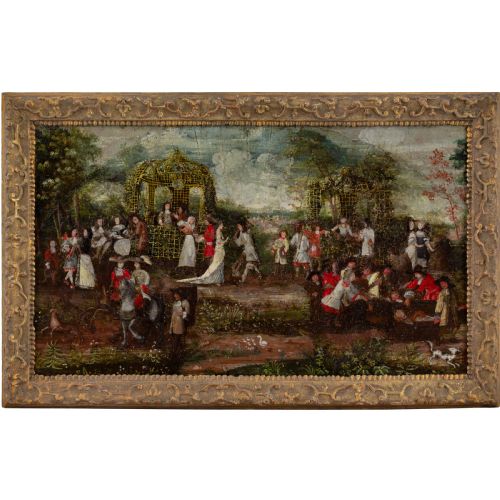
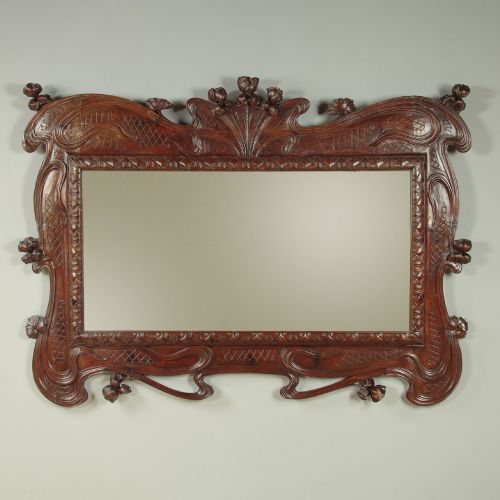
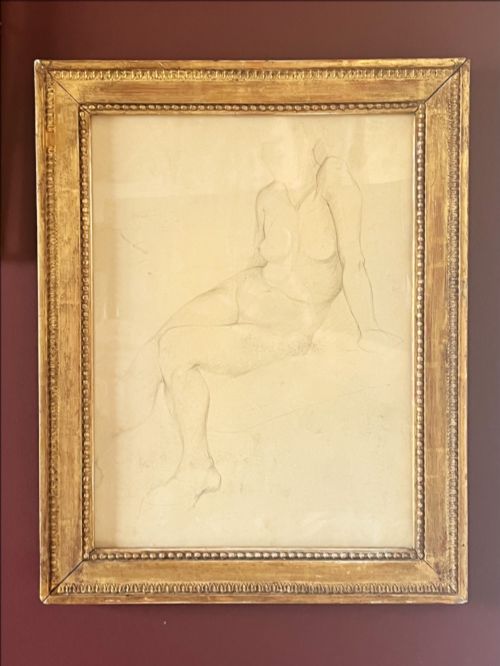
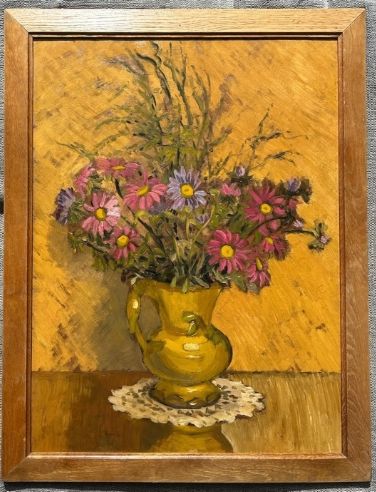
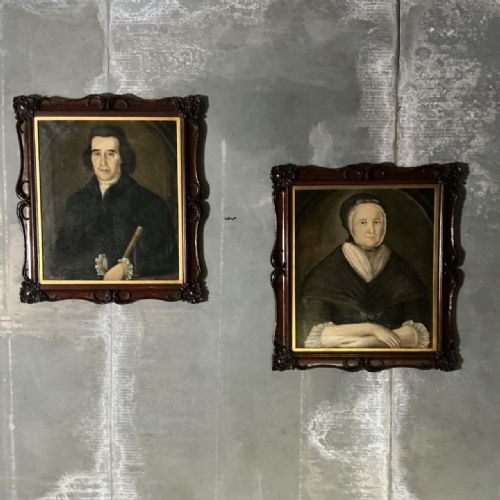
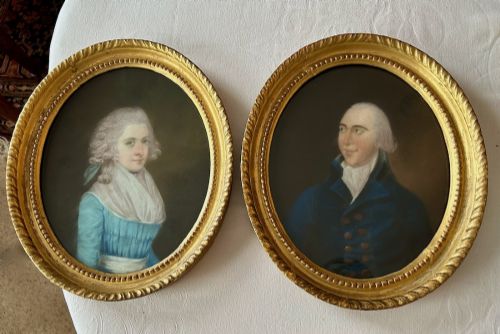
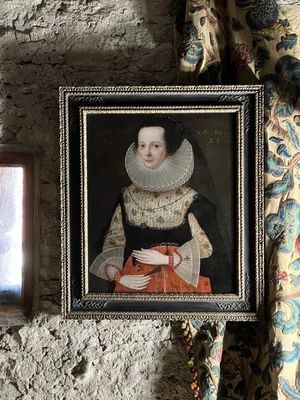
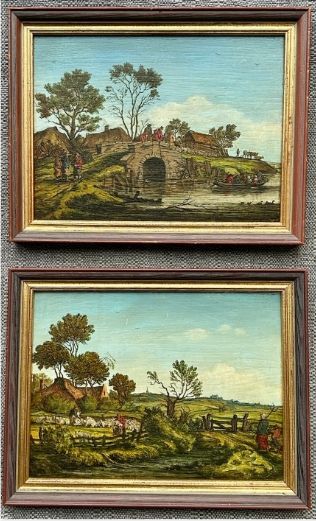
When you search for antique wood wall art, you find framed paintings on panel, carved oak panels and mounted portraits.
Antique Wood Wall Art
Antique wood wall art encompasses framed oil paintings on panel, carved wooden architectural elements, and mounted plaques spanning the seventeenth to the twentieth centuries. The primary forms include portraits, landscapes, and carved panels originating from British, Dutch, and French traditions.
Most items you encounter on this page take the form of oil paintings on wood panels or carved oak and pine decorative panels. These pieces combine historic woodwork with painted or carved imagery suited for interior display.
The selection ranges from early carved architectural fragments and naively painted pine panels to nineteenth-century landscape oils and Edwardian framed artwork. Each object reflects the prevailing decorative styles of its period, from Georgian and Regency to Arts and Crafts and Art Nouveau.
How they were made
Makers utilised solid woods such as oak, pine, and rosewood as substrates for paintings or as the primary medium for carved wall plaques and panels. Artisans applied oil paint, gesso, and gilt wood to enhance the surfaces of these wooden supports.
Carving, joinery, and oil painting techniques defined the creation of these works, with artists painting directly onto prepared wood panels or carving intricate relief designs into solid timber. Frames were frequently constructed from matching wood or gilt gesso to complement the central artwork.
Past items include a French wall plaque depicting a frog wrestling a mouse surrounded by water lilies.
What varies in quality
Quality in these wooden wall pieces depends on the execution of the carving or painting and the preservation of the original wood surface. Finer examples display confident brushwork, crisp hand-carved detail, and harmonious integration between the artwork and its original frame.
The handling of the material distinguishes superior pieces, such as deeply carved oak mouldings or finely detailed oil portraits on stable wood panels, from more rudimentary work. Original finishes and period frames that remain intact alongside the wooden substrate add further distinction.
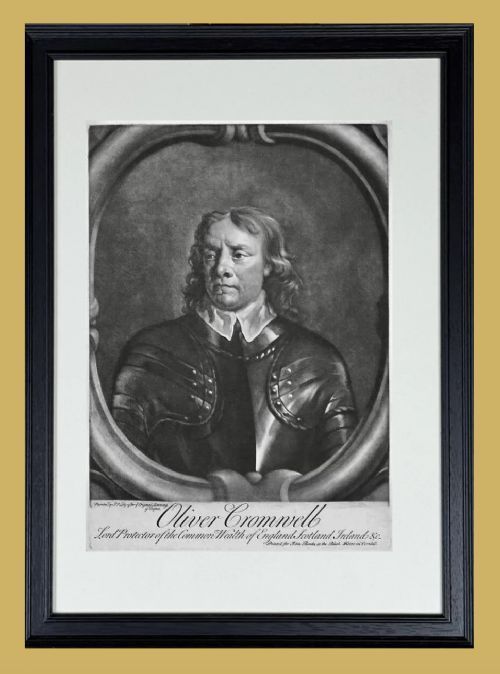
Joseph Clover RA·Emily Eyres·Tom Campbell·Sir Peter Lely·Samuel Cooper·Anthony Van Dyck·B. Nash·Herskind
The Antique Wood Wall Art Glossary
- Oil on panel
- A painting executed with oil colours upon a wooden substrate rather than canvas. This flat wooden support provides a rigid base favoured by artists across various centuries.
- Gilt wood
- Wood that has been coated with a thin layer of gold leaf or gold paint, frequently applied over gesso. This finish appears commonly on antique picture frames and decorative wall mouldings.
- Gesso
- A plaster-like mixture applied to wood or canvas to prepare the surface for painting or gilding. It creates a smooth base that holds fine detail in carved frames.
- Panel
- A flat piece of wood used as a structural support for paintings or as a decorative architectural element. These wooden boards are central to many historical wall displays.
- Relief carving
- A sculptural technique where figures or patterns project from a flat wooden background. This method defines many antique wall plaques and decorative panels.
Antique Wood Wall Art: Frequently Asked Questions
What is antique wood wall art?
Antique wood wall art includes framed oil paintings on wooden panels, carved architectural plaques, and decorative wooden reliefs created across several centuries.
These pieces combine historical woodworking techniques with painted or carved imagery designed specifically for interior display.
How were these wooden panels used?
Historical wood wall pieces served as decorative focal points within country houses, public buildings, and domestic interiors.
Many functioned as standalone portraits, landscape paintings, or integrated carved architectural elements mounted directly onto walls.
How do I live with antique wood wall art?
Hanging these pieces requires stable indoor humidity and temperature to prevent the wood substrate or panel from warping over time.
Positioning them away from direct sunlight protects both the underlying wood and any delicate oil paint or gilt finishes.
How can I tell periods apart?
Distinguishing periods involves examining the carving styles, framing methods, and the preparation of the wood panels used by the maker.
Earlier centuries often feature heavy oak construction and primitive joinery, whereas later nineteenth and twentieth-century pieces incorporate refined mouldings and varied painting techniques.