



Antique Wood Tracery
Antique wood tracery brings medieval stonework geometry into domestic timber, offering pointed arches and pierced patterns that define Gothic Revival interiors.
Antique Wood Tracery
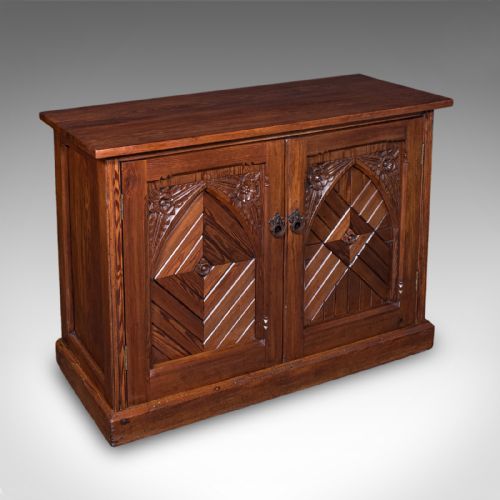
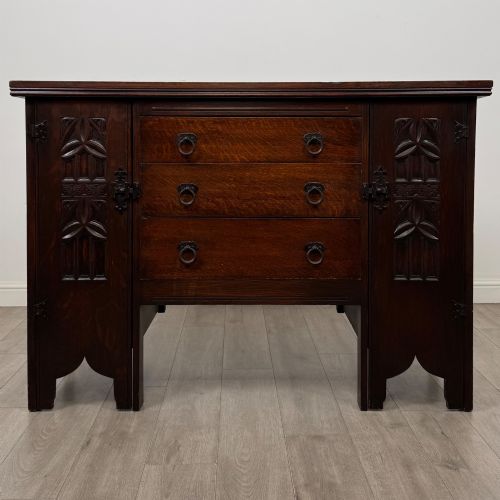
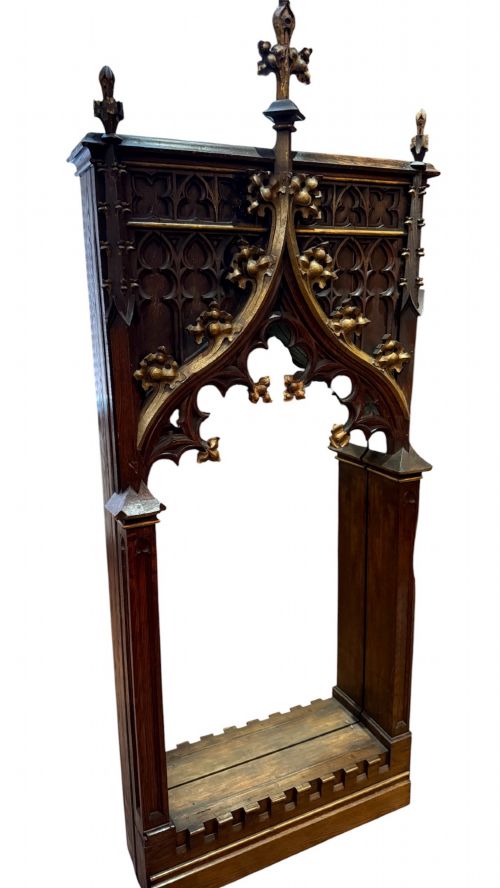
When you search for antique wood tracery, you encounter architectural salvage panels, ecclesiastical fragments, and fitted furniture adorned with pointed arches and geometric piercings. These pieces translate stone church ornamentation into domestic woodwork intended to elevate a room.
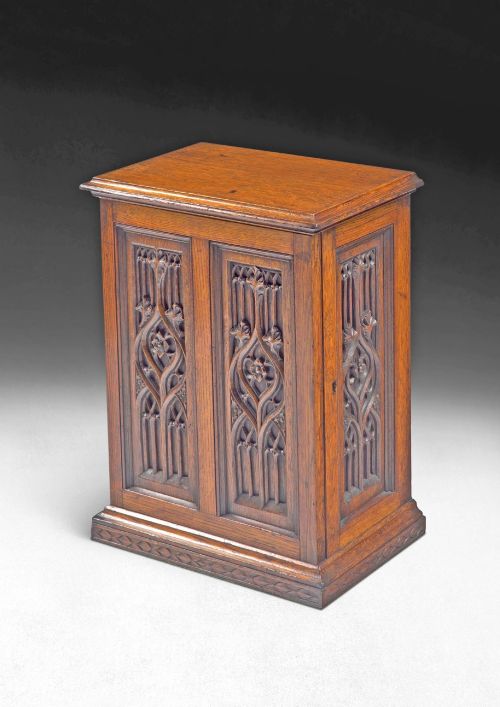
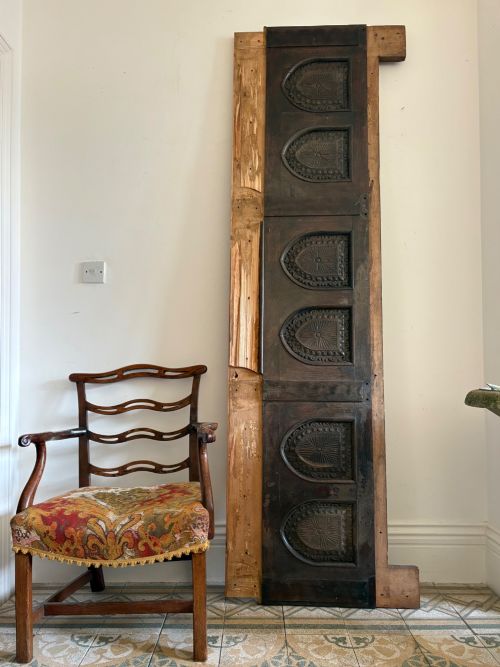
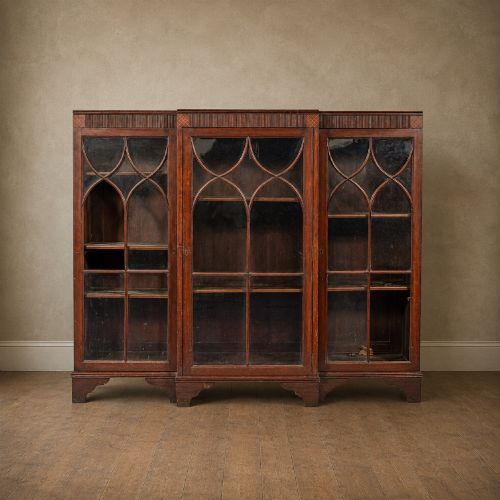
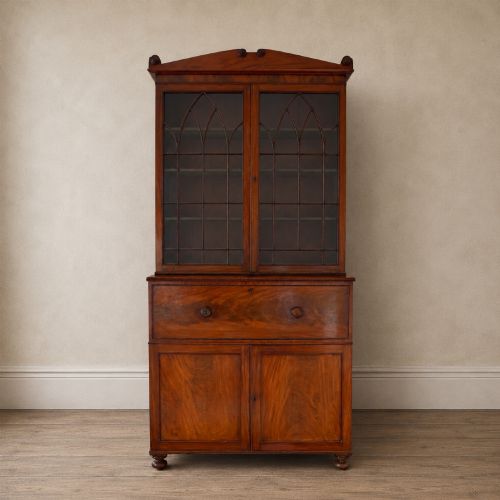
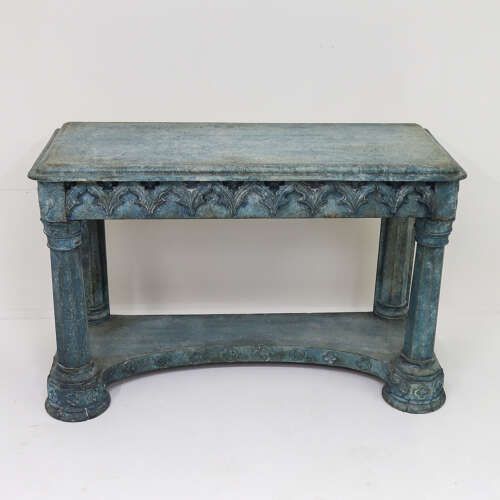
The selections here most frequently include carved oak and pine panels salvaged from church interiors, alongside large bookcases, sideboards, and storage cupboards incorporating Gothic Revival ornamentation. These architectural elements span several centuries, with particular emphasis on nineteenth-century revivals.
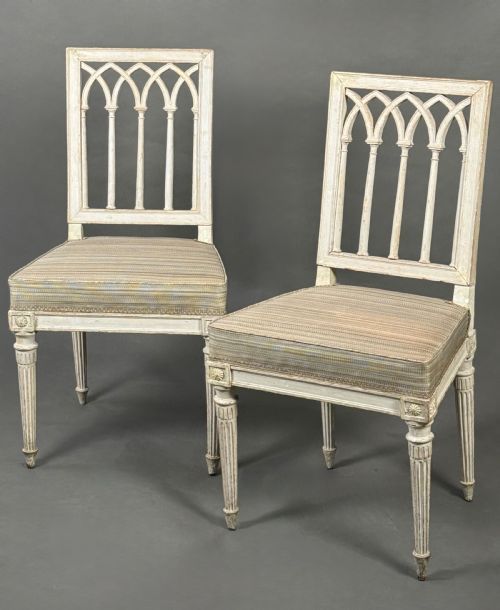
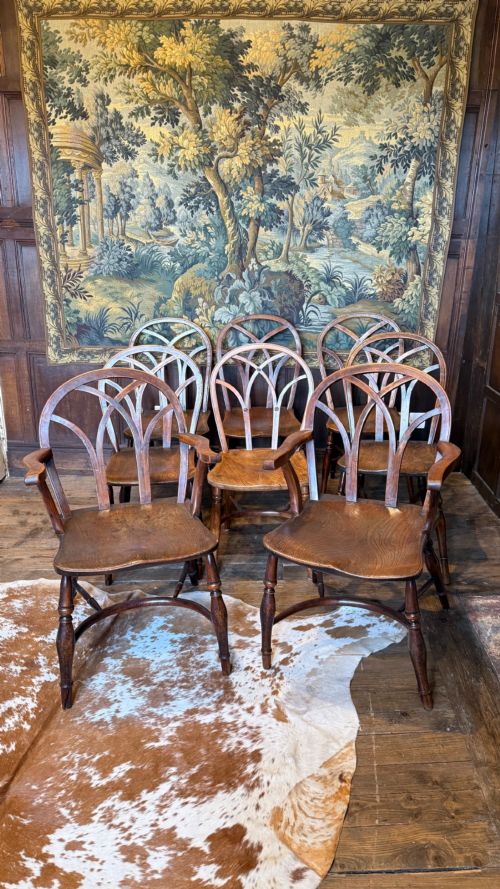
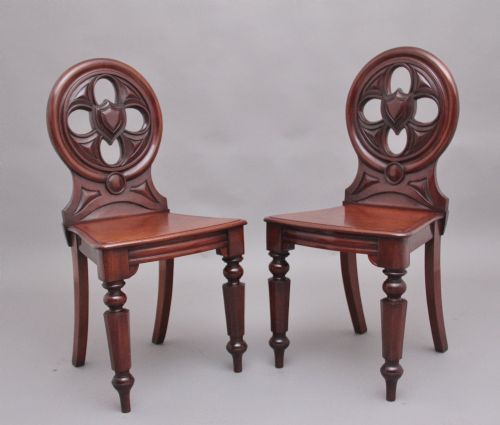
Beyond structural salvage, you will find seating and display cabinets influenced by the Gothick taste, integrating pierced wooden motifs into backs and glazed doors. Each piece demonstrates how carpenters adapted ecclesiastical window designs for secular living spaces.
Materials and construction
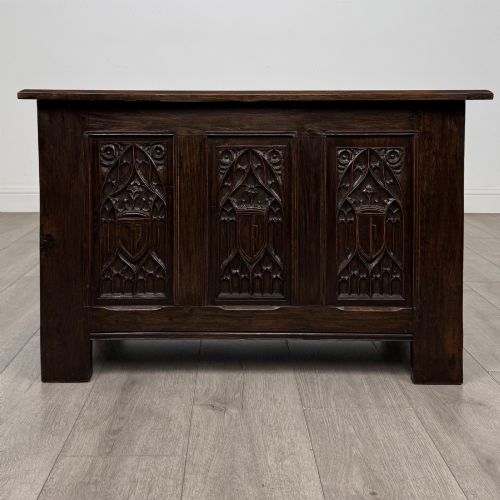
Carpenters primarily utilised dense, durable timbers such as oak, mahogany, and pine to cut intricate openwork and relief carvings. Oak panels and walnut cassones demonstrate deep hand-chiselling, while painted finishes and gilt decoration occasionally highlight the carved details.
Joinery methods combined traditional mortise and tenon frames with pierced fretwork and applied mouldings to achieve the characteristic pointed arches and cusped openings. Craftsmen relied on sharp gouges and chisels to shape the intersecting ribs and blind tracery without modern machinery.
Antique Wood Tracery Retail Price Guide 2026
Typical asking prices for wood tracery among the pieces listed under this phrase on Sellingantiques today, from the lower quarter to the upper quarter. They describe what is for sale here now, not the wider market.
Some nineteenth-century church panels still bear faint pencil markings from carpenters who mapped out intersecting Gothic arches centuries ago.
Judging the work
The distinction between ordinary joinery and superior craftsmanship lies in the crispness of the hand-carved intersections and the depth of the pierced work. Sharp, well-defined cusps and balanced symmetry separate ecclesiastical-grade carving from later decorative adaptations.
Condition and integrity of the original timber heavily influence the standing of a piece, particularly when architectural salvage has undergone subsequent adaptation or re-framing. Uniformity in the timber's grain and the subtlety of the relief work dictate the upper tier of these items.
The Antique Wood Tracery Glossary
- Tracery
- The stonework ornamentation of windows, adapted by carpenters into wooden panels and furniture fretwork. It creates geometric patterns of intersecting ribs and pointed arches.
- Gothic Revival
- An architectural and decorative movement spanning the eighteenth and nineteenth centuries that revived medieval forms. It heavily influenced furniture design and interior decoration.
- Wainscot
- Wooden paneling used to line interior walls, often incorporating carved tracery or linenfold motifs in early periods. It provides a sturdy background for architectural elements.
- Cassone
- A richly decorated chest or coffer produced in Italy and across Europe during earlier centuries. These storage pieces frequently display carved panels and gilt decoration.
Antique Wood Tracery: Frequently Asked Questions
What is wood tracery?
Wood tracery is the pierced or carved ornamental stonework pattern translated into timber, featuring intersecting ribs, cusps, and pointed arches.
Craftsmen applied these geometric designs to furniture panels, cupboard doors, and architectural salvage to evoke medieval ecclesiastical architecture.
How were tracery panels used?
Tracery panels were originally incorporated into church screens, choir stalls, and windows before being salvaged for domestic interior decoration.
In later centuries, cabinetmakers integrated these carved elements directly into bookcases, sideboards, and wall paneling for country houses.
How do I date antique tracery?
Dating relies on examining the timber species, tool marks left by the carver, and the specific style of the Gothic arch.
Earlier pieces from the seventeenth century show hand- cleft oak and primitive joinery, whereas nineteenth-century revivals display machine assistance alongside historical emulation.
How do I live with architectural fragments?
Architectural panels and ecclesiastical fragments suit placement as wall art, mounted above mantelpieces, or integrated into modern joinery.
Stable indoor humidity and indirect sunlight preserve the carved timber surfaces and prevent the historic wood from splitting.