







Antique Wood Tiger
These antique wood tiger pieces are carved sculptures, figured chests of drawers and decorative carvings that bring striking naturalistic form to a room.
Antique Wood Tiger
When you search for antique wood tiger, you encounter a varied assortment of objects ranging from practical furniture to sculptural carvings. These items span multiple origins and centuries, reflecting diverse cultural interpretations of the subject.
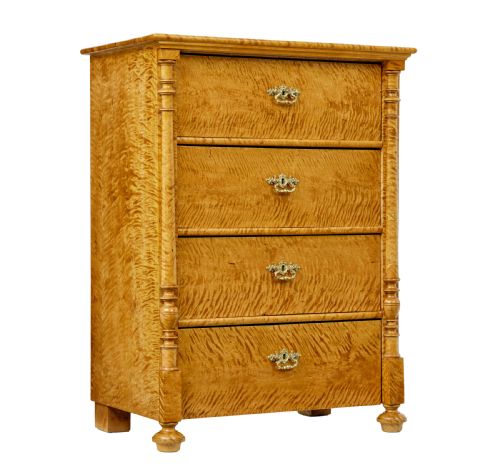
The most frequent examples on this page utilise heavily figured timbers such as tiger birch and tiger maple. These woods display distinctive natural grain patterns that earned the descriptive name.
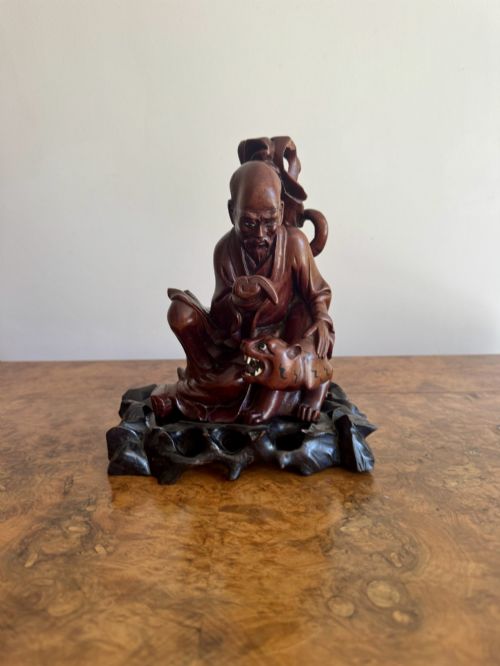
Beyond figured timber furniture, the selection includes carved walnut animal heads from European workshops and intricately detailed sculptures from Asian traditions. Each piece demonstrates how makers utilised the natural qualities of wood and associated materials to capture the animal.
Materials and construction methods
Wood serves as the primary medium, utilising both solid timbers and decorative veneers. Craftsmen selected walnut, oak, tiger birch, tiger maple and root wood for their specific grain characteristics and workability.
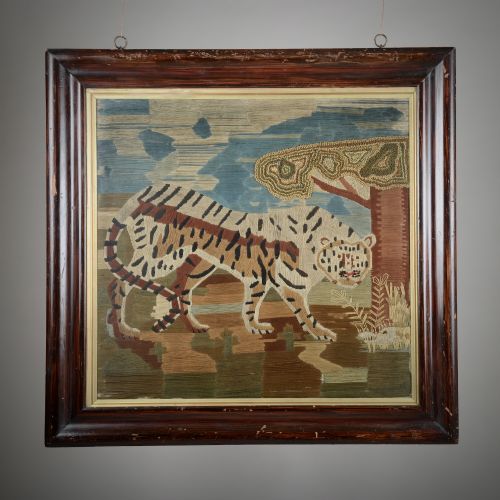
Carving and cabinet-making techniques define these pieces, from the detailed hand-shaping of sculptural animal heads to the precise construction of chests of drawers. Additional elements in brass, bronze, wool and glass occasionally complement the woodwork.
Antique Wood Tiger Retail Price Guide 2026
Typical asking prices for wood tiger among the pieces listed under this phrase on Sellingantiques today, from the lower quarter to the upper quarter. They describe what is for sale here now, not the wider market.
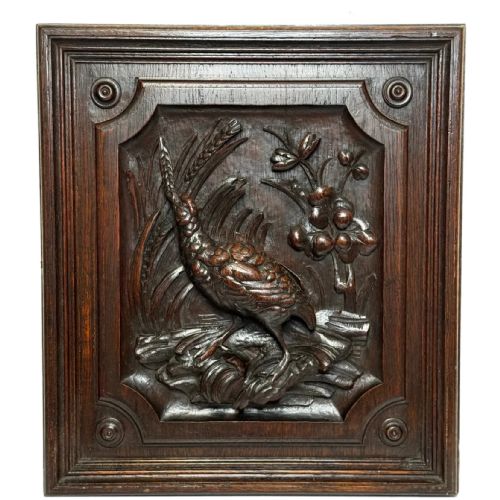
One nineteenth-century wall sculpture pairs a carved tiger head with a grouse panel, suggesting an eventful day in the forest.
Factors that determine quality
The intensity and consistency of the wood figure largely dictate the visual impact of furniture pieces. Highly active grain patterns in tiger birch or maple distinguish superior examples from plain timber alternatives.
Sculptural execution separates proficient carvings from standard production. Naturalistic proportion, depth of relief and the skillful handling of anatomical detail reveal the competence of the maker.
The Antique Wood Tiger Glossary
- Tiger birch
- A figured variety of birch timber featuring alternating dark and light chatoyant bands resembling tiger stripes. It is prized by cabinet-makers for decorative veneer and solid furniture panels.
- Tiger maple
- An alternative figured hardwood showing prominent undulating grain patterns. Craftsmen utilised this timber extensively in American federal furniture.
- Black Forest
- A regional style of nineteenth-century wood carving originating in Switzerland and Germany. These works typically depict realistic animals and foliage in high relief.
- Meiji Period
- A distinct era in Japanese history spanning from eighteen sixty-eight to nineteen twelve. Pieces from this time often display exceptional naturalistic observation in bronze and wood.
- Root wood
- Timber sourced from the root system of a tree, displaying irregular and knotty grain formations. Artisans shaped these organic forms into lamps and decorative objects.
Antique Wood Tiger: Frequently Asked Questions
What is tiger wood furniture?
Tiger wood furniture refers to pieces constructed from timbers that exhibit distinct striped grain patterns, most commonly tiger birch or tiger maple. These woods were selected specifically for their decorative surface movement.
Cabinet-makers utilised these figured veneers and solid boards to add visual texture to case pieces such as chests of drawers.
What periods do these pieces come from?
The pieces available span the eighteenth and nineteenth centuries, including Victorian and Meiji period examples. Each era brings distinct regional techniques and aesthetic priorities to the woodwork.
European workshops, American makers and Asian artisans all contributed different interpretations to this category.
How should I care for antique wood carvings?
Antique wood carvings require stable environmental conditions away from direct sunlight and dramatic humidity changes. Dusting with a soft, dry cloth preserves the carved surface without damaging the finish.
Avoiding harsh cleaning products ensures the original patina remains intact over time.