
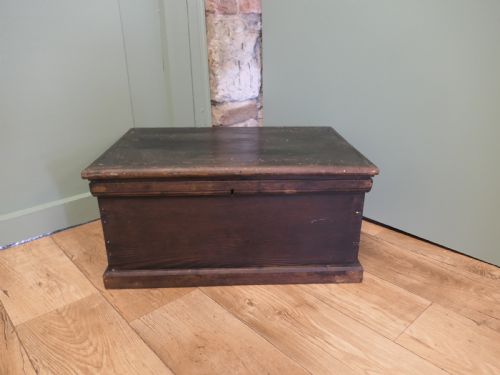
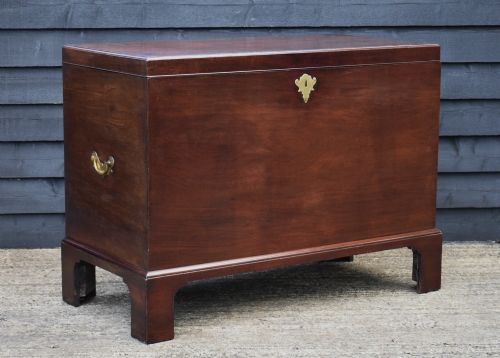
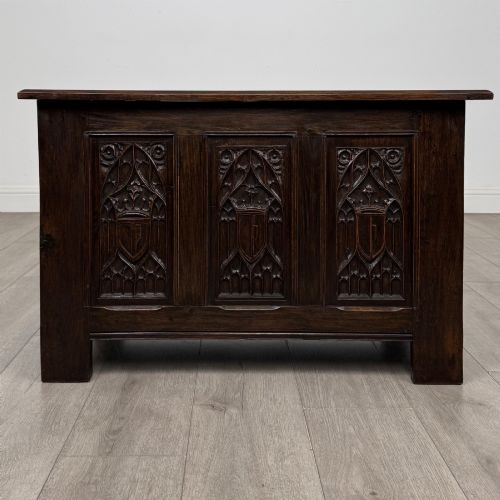
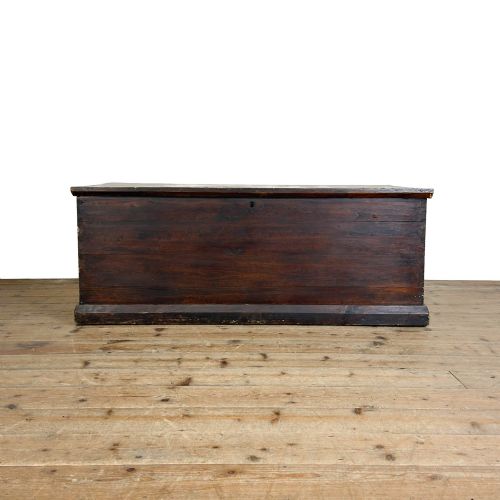
Antique Wood Storage Trunk
An antique wood storage trunk offers robust utility, bringing centuries of craftsmanship and practical timber construction into modern interiors.
Antique Wood Storage Trunk
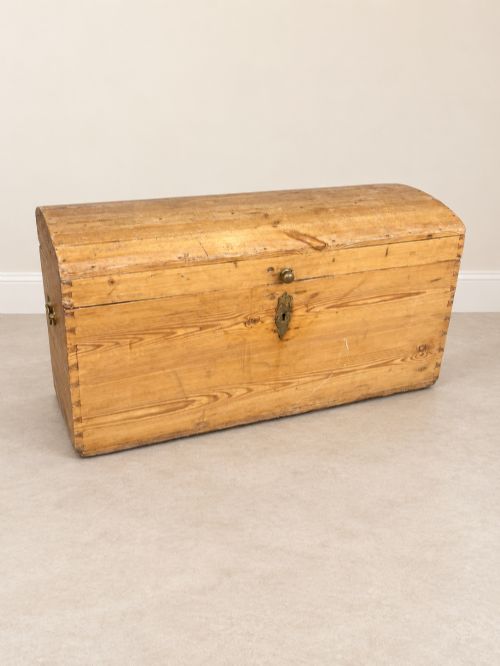
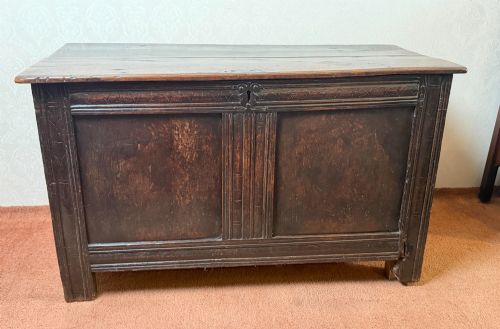
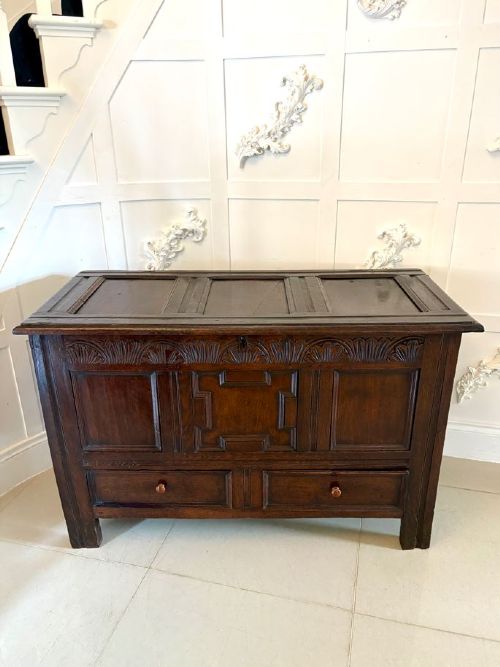
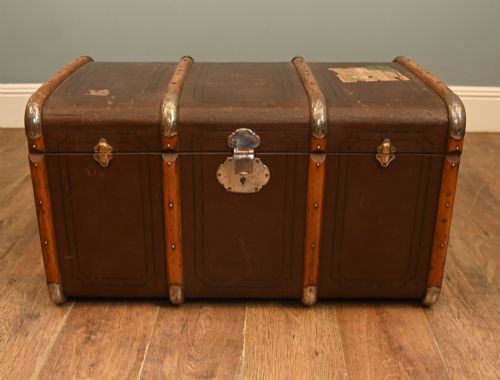
An antique wood storage trunk serves as a capacious receptacle for household goods, taking the form of coffers, blanket boxes and military chests. These pieces originate from domestic workshops, colonial outposts and European estates, spanning centuries of practical design.
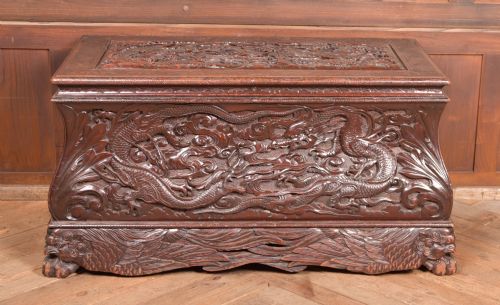
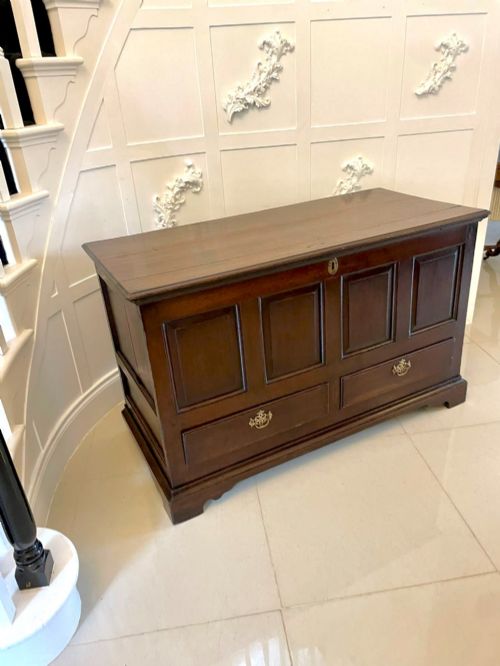
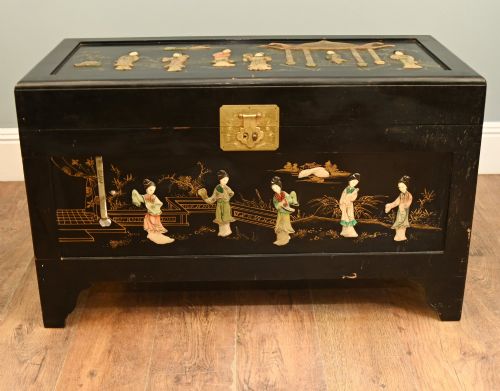
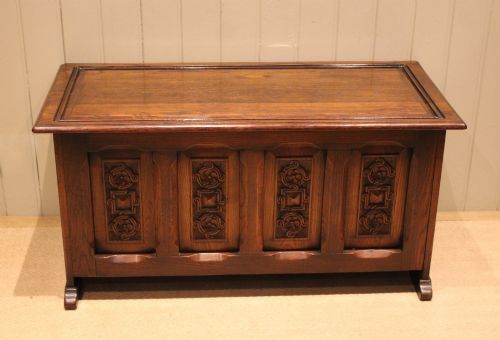
Domestic variants include carved oak panels and mule chests fitted with lower drawers, while travel pieces utilise exotic timbers such as padouk, cypress and teak. Each format reflects the specific transport or storage demands of its original period.
Materials and construction methods
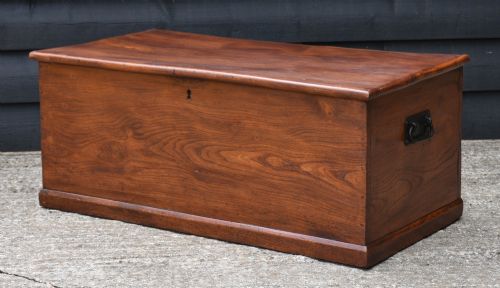
Joinery relies on solid timber construction, employing pegged mortise and tenon joints in early oak coffers to withstand heavy use. Six-plank construction provides simple rigidity in utilitarian pieces, while panelled framing allows timber to expand and contract naturally.
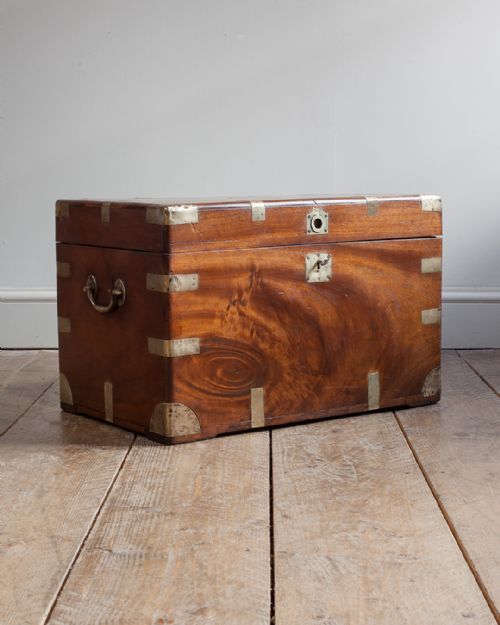
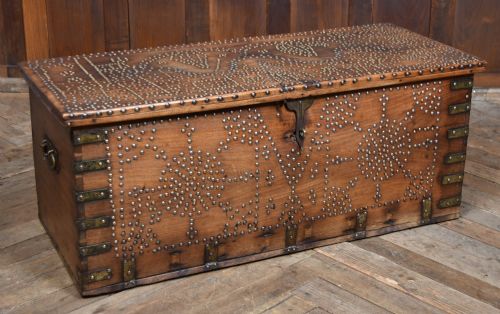
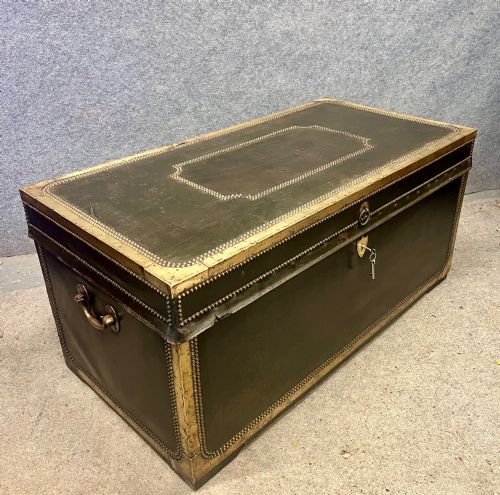
Campaign trunks utilise stable exotic woods like camphor and teak, chosen for durability in transit and resistance to pests. Metal reinforcement through brass corners, strapwork and iron banding protects edges during movement, secured with heavy-duty rivets.
Materials recorded span native European oaks alongside imported shipping timbers like camphor, teak, cypress and mahogany.
What separates examples
The degree of hand-carved detail and originality in the timber surface dictates distinction across examples. Crisp relief carving on seventeenth-century oak panels or intricate Oriental motifs on camphor chests indicate superior workshop output.
Hardware integration separates standard boxes from high-status travel equipment. Flush-fitting brass drop handles, original locking mechanisms and substantial bound corners demonstrate the calibre demanded by military officers and affluent travellers.
The Antique Wood Storage Trunk Glossary
- Coffer
- A heavy wooden box with a lid, traditionally used for storing valuables and household textiles before fitted closets became common. These pieces often feature carved fronts and sturdy panel construction.
- Campaign trunk
- A portable chest designed for military officers on the move, typically constructed from camphor wood or teak with recessed brass hardware. Such trunks are built to withstand frequent long-distance transport.
- Mule chest
- A storage chest featuring one or more drawers at the base beneath the main compartment. This hybrid form bridges the gap between the traditional coffer and the modern chest of drawers.
- Six-plank coffer
- An early and simple form of chest constructed from just six pieces of timber joined directly at the edges. Pegs and basic butt joints hold the structure together without complex framing.
- Padouk
- A dense tropical hardwood prized for its stability and rich red-brown colour. Cabinet makers utilised this timber for durable overseas shipping chests and strong boxes.
Antique Wood Storage Trunk: Frequently Asked Questions
How were campaign trunks used?
Military officers utilised campaign trunks to transport uniforms, documents and personal belongings during overseas postings and expeditions.
These chests featured protective brass corners and recessed handles to facilitate stacking and loading onto pack animals or ships.
What is a mule chest?
A mule chest combines the deep upper storage space of a traditional coffer with one or more lower drawers.
This evolution allowed owners to access frequently used items in the drawers without lifting the heavy top lid.
How do I identify a camphor trunk?
Camphor wood trunks emit a distinct aromatic scent and often display rich grain patterns beneath a polished surface.
Cabinet makers favoured this timber for overseas transport because the natural oils repelled insects and protected stored textiles.
How should I care for an antique trunk?
Maintain antique wood storage trunks by placing them away from direct heat sources and sudden humidity changes to prevent timber splitting.
Feed the dry wood periodically with appropriate wax and dust the carved surfaces gently with a soft cloth.