

Antique Wood Storage Cupboard
An antique wood storage cupboard brings honest utility to a room, offering sturdy timber housing for household gear.
Antique Wood Storage Cupboard
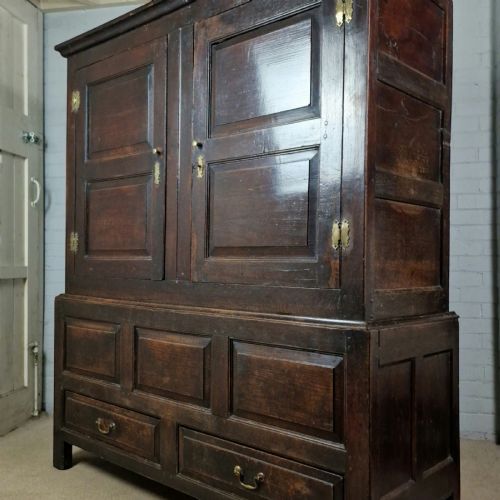
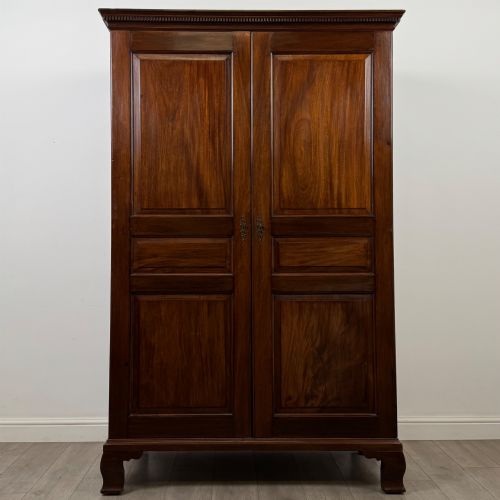
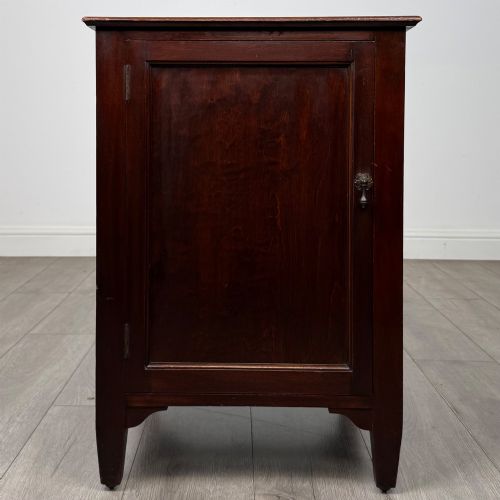
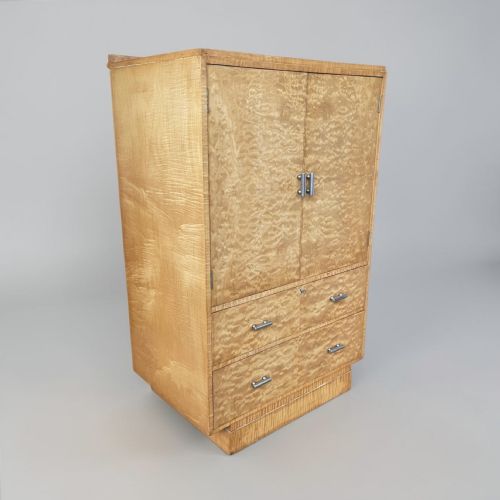
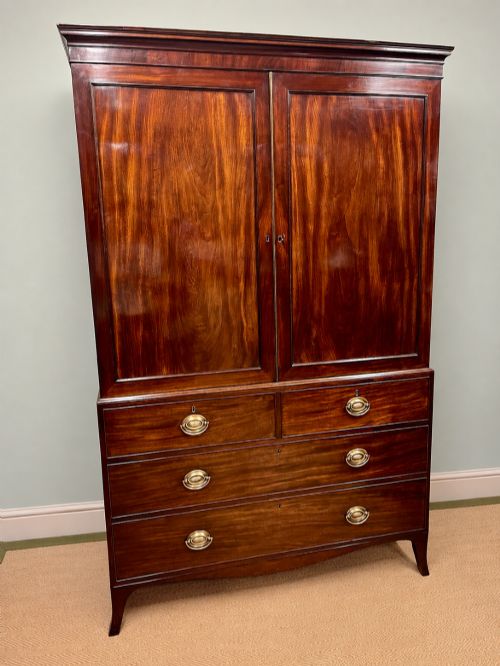
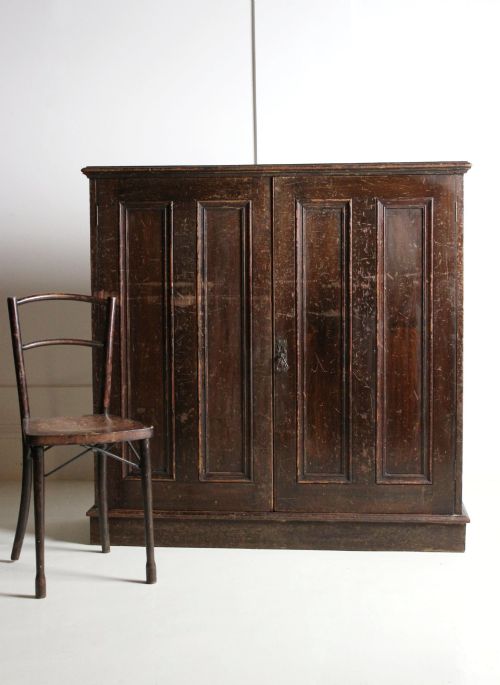
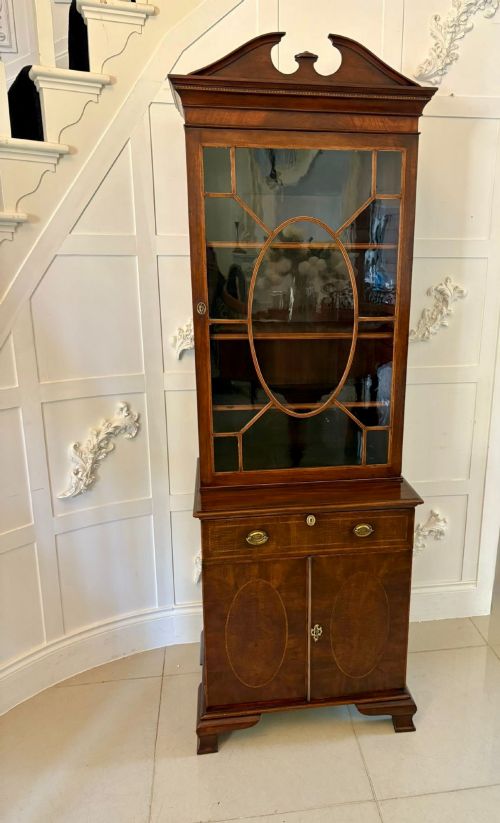
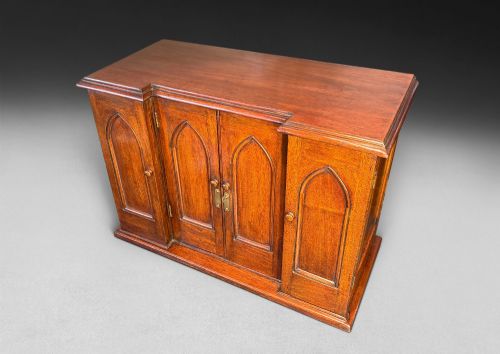
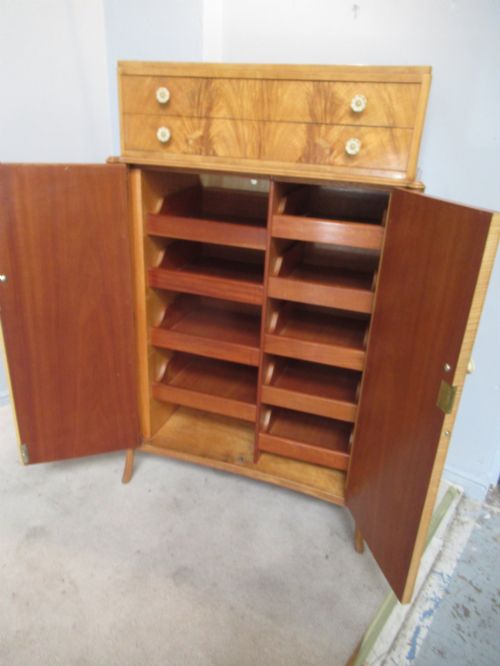
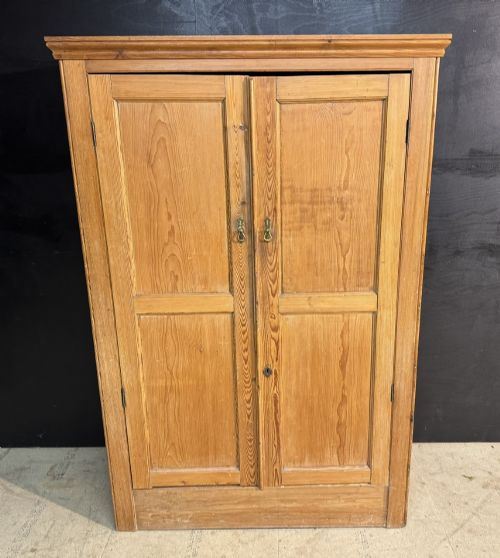
The pieces appearing on this page span numerous regional origins and eras, from Georgian mahogany to nineteenth-century pine larder cupboards and Art Deco tallboys. Formal proportions and rustic utility sit side by side, reflecting how different households stored their possessions in past decades.
Makers utilised various functional designs, incorporating shelves, drawers, and panelled doors to suit domestic requirements. Whether placed in a hallway, bedroom, or dining space, these cabinets serve as practical furniture with enduring character.
How these cupboards were constructed
Cabinet makers built these pieces using traditional timber construction, relying predominantly on mahogany, oak, walnut, and pine. Plentiful reserves of dense hardwoods allowed craftsmen to shape solid carcases, whilst decorative veneers such as satinwood and flame mahogany added visual depth to drawer fronts and door panels.
Joinery methods involved precise dovetailing for drawers and mortise and tenon joints for frames, ensuring structural longevity. Workshops integrated brass hardware, iron fittings, and occasional marble tops to complete the functional design of each cabinet.
The listings here feature nineteenth-century, Victorian, Edwardian, and Georgian periods constructed in mahogany, oak, walnut, and pine.
What separates exceptional pieces from standard examples
Quality rests in the selection of timber figures and the precision of the cabinetmaker's joinery. Superior pieces display carefully matched grain patterns, tight dovetail joints, and well-proportioned mouldings that demonstrate advanced workshop skill.
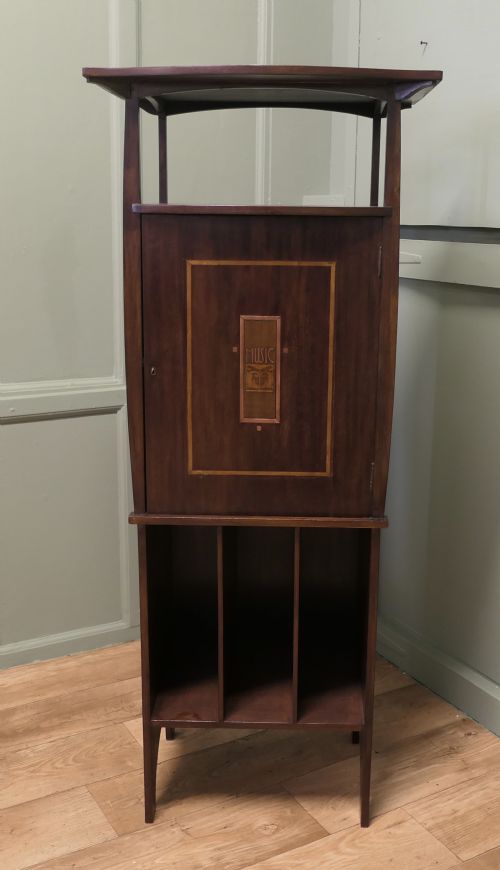
The integration of secondary timbers and original hardware further distinguishes finer examples from utilitarian storage. Refined execution in carved details, inlay work, and panel construction elevates certain cabinets into notable examples of period craftsmanship.
GM Elwood for JS Henry·Maple and Co
The Antique Wood Storage Cupboard Glossary
- Linen Press
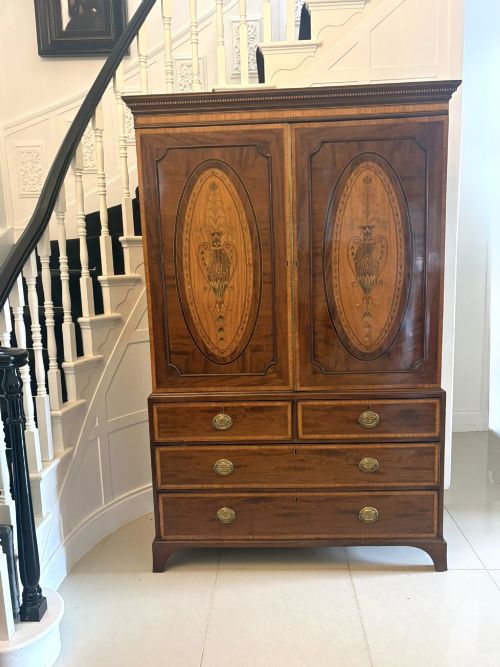
- A tall piece of furniture designed for storing folded linen, typically featuring sliding trays enclosed by upper doors above a base of drawers.
- Chiffonier
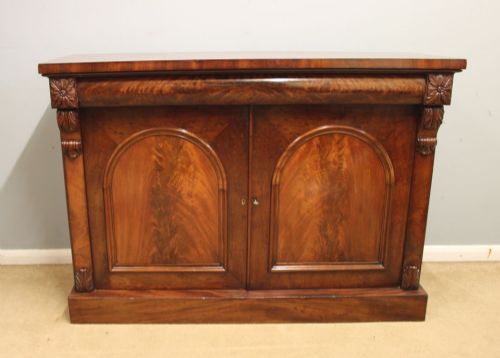
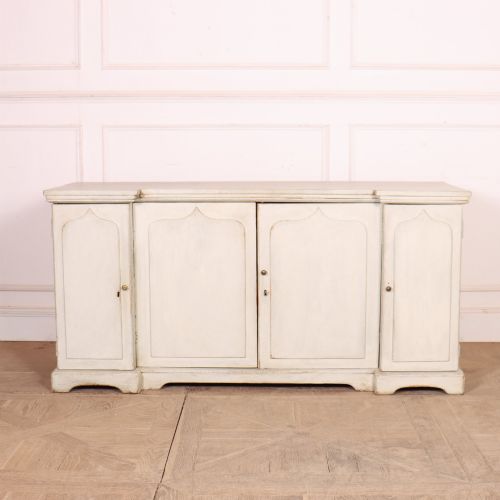
- A low sideboard or cabinet developed during the nineteenth century, often equipped with shelves or enclosed storage below a display surface.
- Tallboy
- A tall chest of drawers standing upon another chest or a low base, maximising vertical storage capacity in domestic chambers.
- Dovetail
- A traditional interlocking joint utilised in drawer construction to resist tensile pull and ensure structural durability.
- Inlay
- A decorative technique inserting contrasting pieces of wood or metal into recesses within a timber surface to create patterns.
Antique Wood Storage Cupboard: Frequently Asked Questions
What is a linen press used for?
A linen press served primarily to store household textiles, keeping sheets and garments flat and clean within deep internal trays.
The upper section housed sliding shelves whilst the lower drawers held smaller items of apparel.
How do I identify a Georgian cupboard?
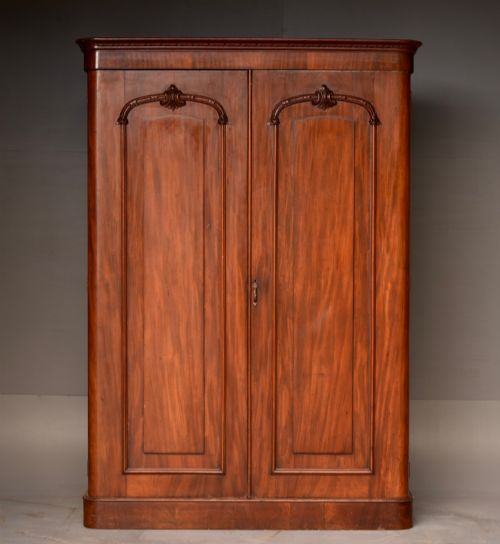
Georgian pieces display classical proportions, substantial mahogany timbers, and restrained decorative carving characteristic of eighteenth-century design.
Cabinetmakers of this era favoured sturdy construction and understated elegance over excessive ornamentation.
Where should I place a chiffonier?
A chiffonier suits a dining room or hallway where surface space and enclosed shelving provide convenient storage.
These low units function well beneath mirrors or paintings without dominating the room's proportions.
What distinguishes Victorian pine from mahogany?
Victorian pine offers a lighter, more rustic appearance often utilised in farmhouse or larder cupboards.
Mahogany provides a dense, dark reddish-brown grain associated with formal parlour and dining room furniture.