

Antique Wood Specimens
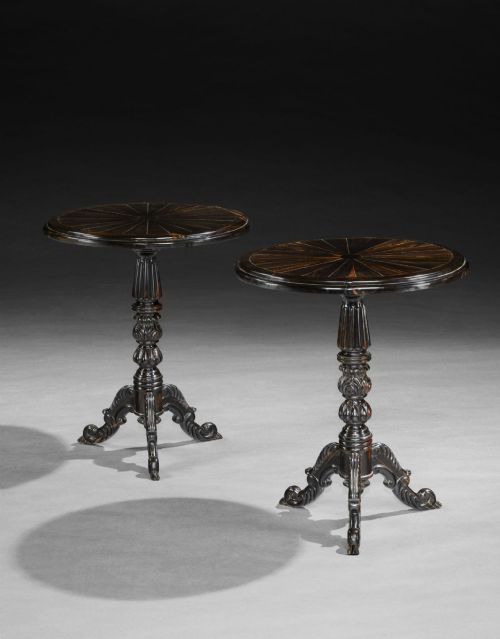
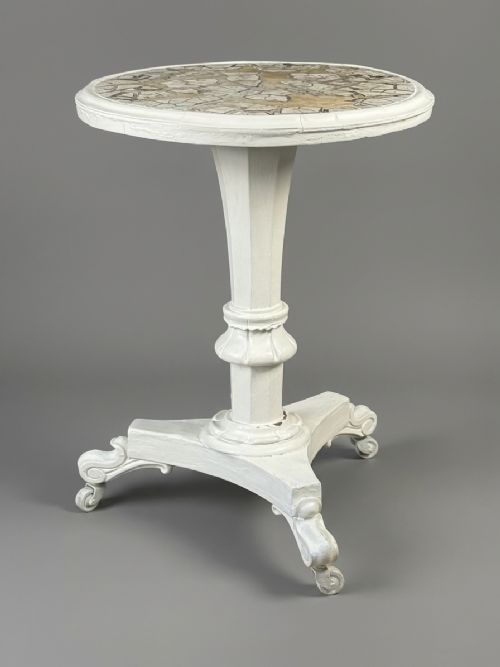
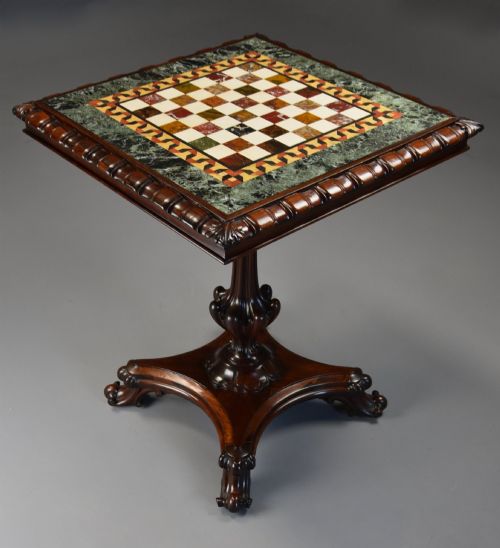
These antique wood specimens bring together intricate parquetry tables and fitted cabinets crafted from varied timbers during the Georgian, Regency, and Victorian periods.
Antique Wood Specimens
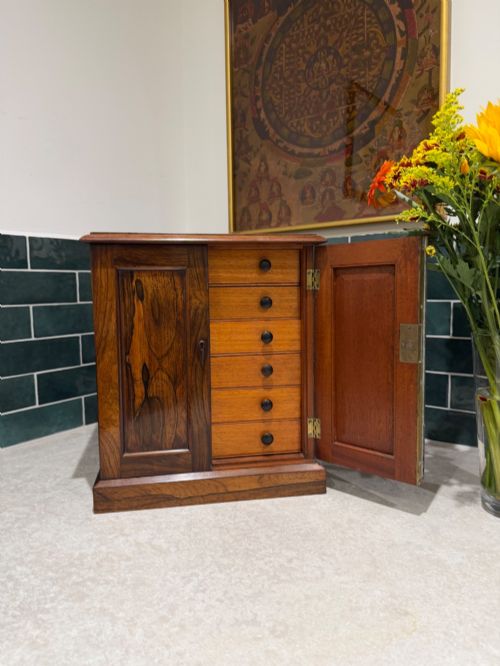
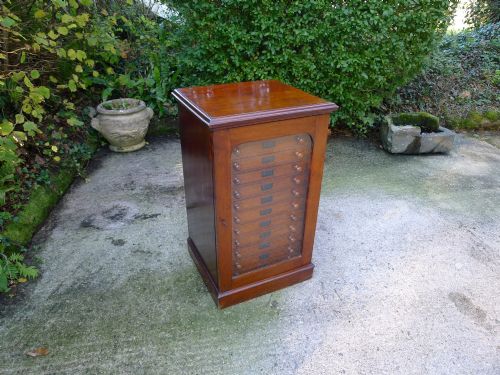
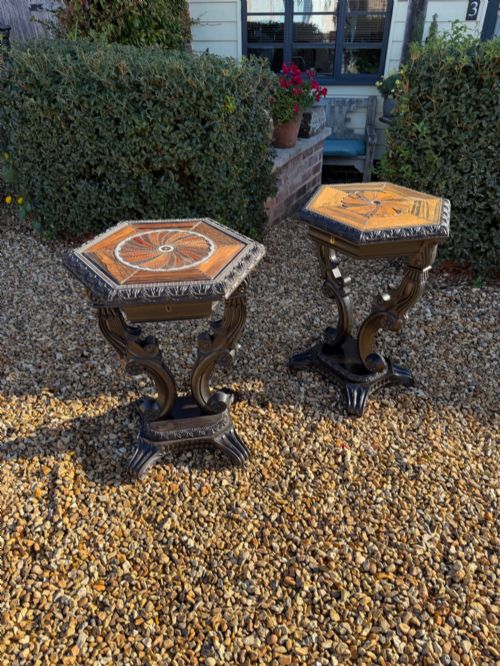
When you search for antique wood specimens, you encounter a specialised group of furniture and small containers designed to display natural materials or organise collections. The most common forms on this page include centre tables, occasional tables, and multi-drawer collectors cabinets.
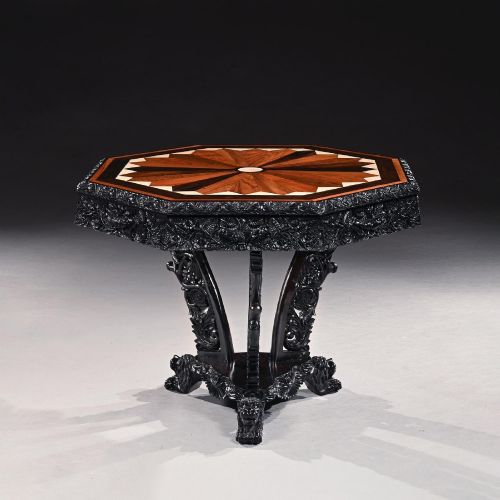
Makers from various regions utilised local and exotic timbers to create decorative surfaces and functional storage. Pieces range from Ceylonese and Jamaican tables with intricate marquetry to English mahogany and pine cabinets with numerous small drawers.
Materials and Construction
Cabinetmakers constructed the carcases and frames using dense timbers like mahogany, walnut, oak, and rosewood. Surfaces often incorporate intricate parquetry or marquetry arranged in geometric patterns using contrasting specimen woods.
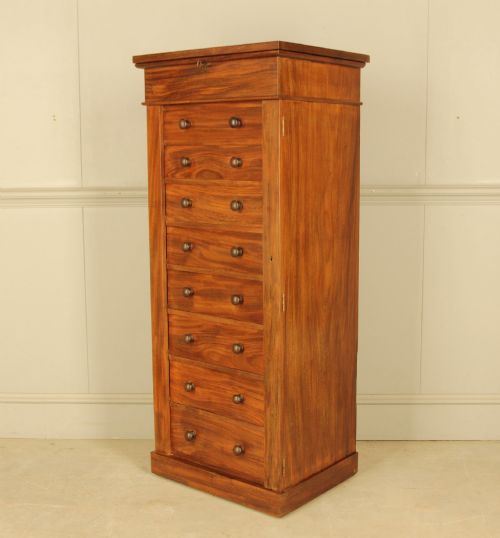
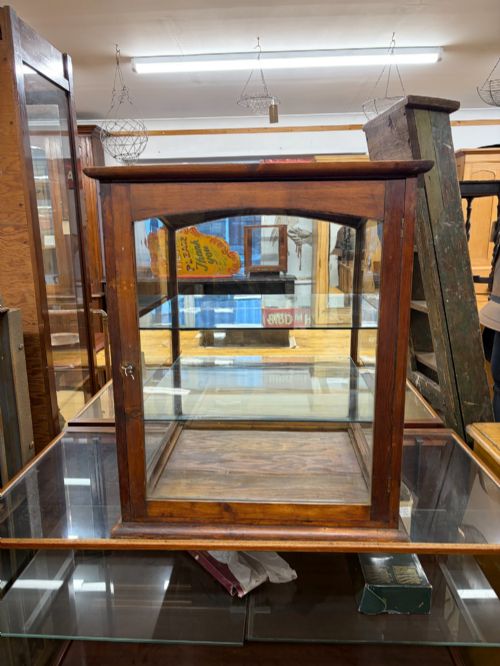
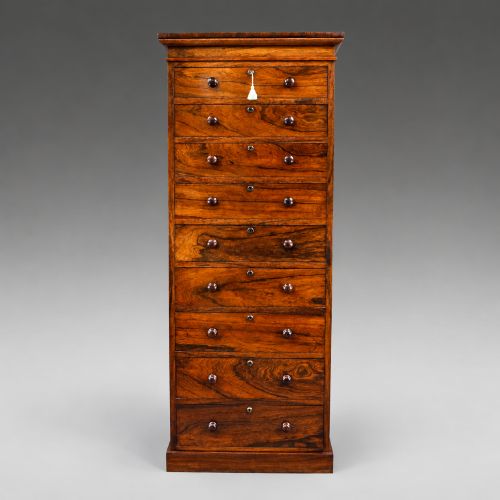
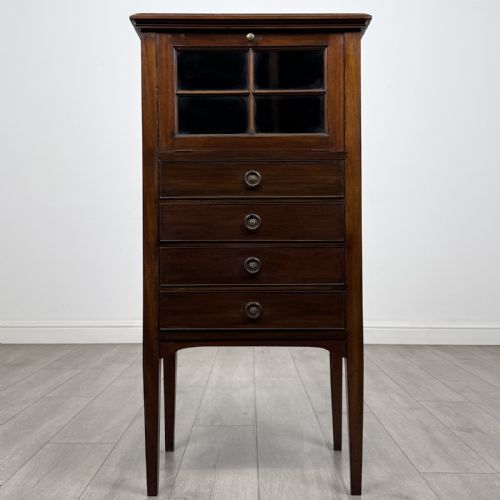
Secondary elements include brass handles, glass doors, and mirrored panels, particularly on Wellington chests and tabletop display cases. Joinery techniques reflect the period, with dovetailed drawer construction and solid timber carcases.
Antique Wood Specimens Retail Price Guide 2026
Typical asking prices for wood specimens among the pieces listed under this phrase on Sellingantiques today, from the lower quarter to the upper quarter. They describe what is for sale here now, not the wider market.
Listings include items from the Georgian, Regency, Victorian, and Edwardian periods, utilising materials such as mahogany, rosewood, brass, and glass.
Craftsmanship and Timber Selection
Quality in these pieces depends on the precision of the timber selection and the complexity of the parquetry work. Tables and boxes featuring a wider variety of distinct, neatly fitted specimen woods demonstrate superior cabinetmaking skill.
The internal fitting of cabinets, such as numerous precisely made drawers or specialised slide compartments, also distinguishes finer examples. Original hardware, intact glass, and stable structural condition elevate the integrity of the piece.
William Bazeley and Sons·Ralph Turnbull·Anton Seuffert·Edmund Nye·Brady of Edmonton
The Antique Wood Specimens Glossary
- Specimen Wood
- Timber chosen for its distinctive grain, colour, or exotic origin rather than structural strength. These varied woods are often arranged in geometric patterns on tabletops and boxes.
- Marquetry
- The art of applying small pieces of veneer to a structure to form decorative patterns or pictures. Makers used contrasting timbers to create detailed tabletop designs.
- Parquetry
- A geometric mosaic of wood pieces used for floors and furniture surfaces. This technique appears frequently on the tops of tables listed here.
- Wellington Chest
- A tall, slender chest of drawers featuring a hinged locking strip down one side that secures all drawers simultaneously. These often appear in mahogany or rosewood.
- Collectors Cabinet
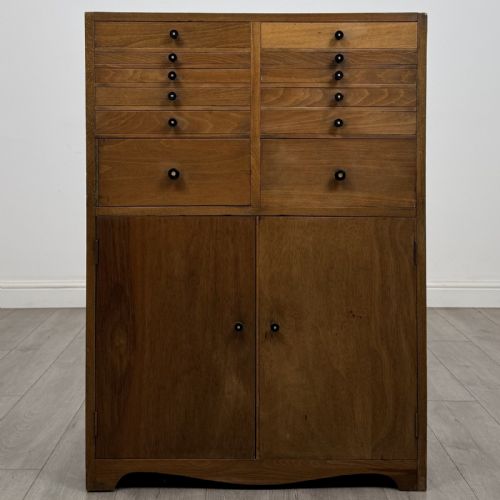
- A piece of furniture fitted with numerous shallow drawers designed to hold natural history specimens, coins, or geological samples. Interiors often include custom pulls and fitted layouts.
Antique Wood Specimens: Frequently Asked Questions
How were collectors cabinets used?
Collectors cabinets served to organise and protect delicate items such as insects, minerals, shells, or microscope slides. The numerous shallow drawers kept specimens flat and sorted.
Many examples feature locking mechanisms or secure doors to protect the contents from light and dust while allowing researchers to view or study them.
How do I identify a Victorian specimen table?
Victorian specimen tables typically feature a tabletop composed of various contrasting wood species arranged in geometric patterns or pictorial marquetry. They often stand on turned pedestals or carved supports.
Examining the underside and drawer construction helps confirm the period, showing nineteenth-century woodworking traits such as hand-cut dovetails and traditional adhesives.
How do I care for antique wood furniture?
Keep wooden furniture and small chests away from direct sunlight and heat sources to prevent the timber from drying out and splitting. Consistent indoor humidity protects both the wood and the delicate veneer.
Dust the surfaces gently with a dry, soft cloth and avoid applying modern silicone polishes, which can build up and damage antique finishes over time.