

Antique Wood Ship
These antique wood ship pieces bring maritime history indoors, offering carved models, detailed dioramas and practical furnishings for collectors of nautical items.
Antique Wood Ship
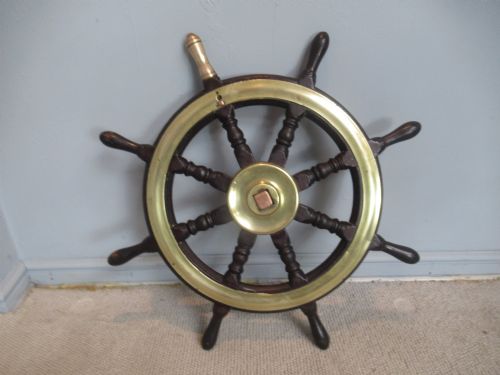
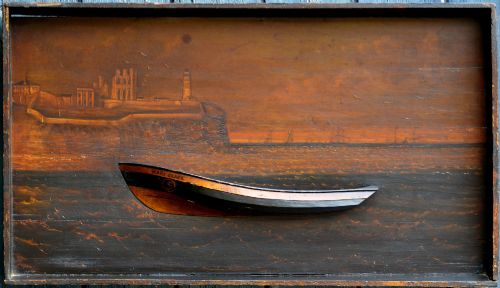
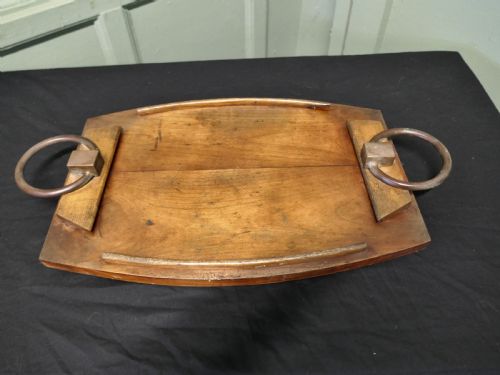
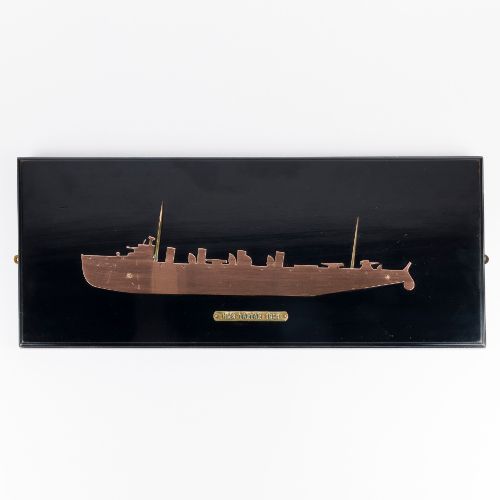
When you search for an antique wood ship, you encounter a diverse selection of maritime items spanning utility, folk art and fine display pieces. The options range from cased dioramas and half-model hulls to large pond yachts, decorative trays and utilitarian chests.
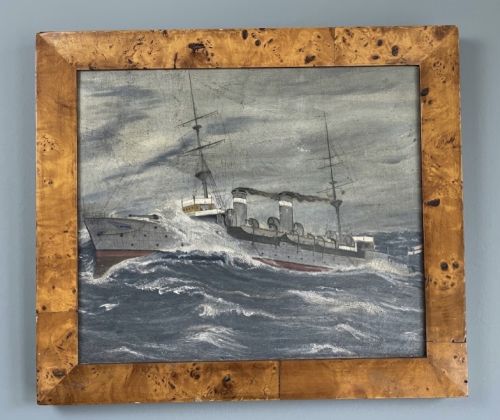
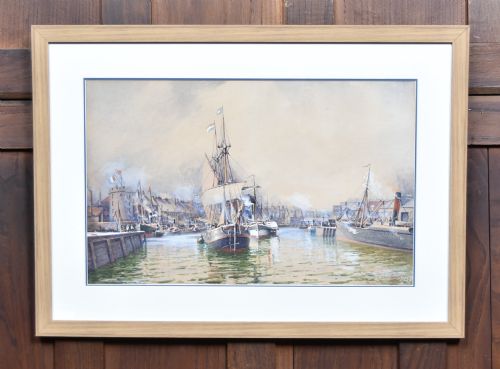
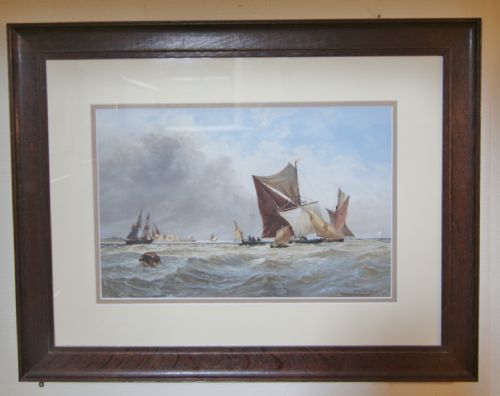
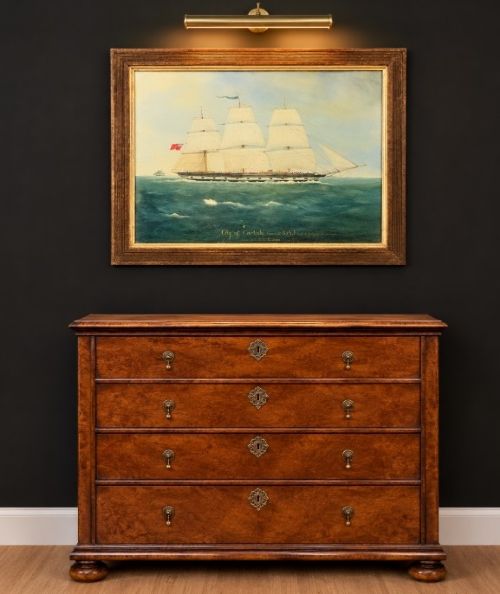
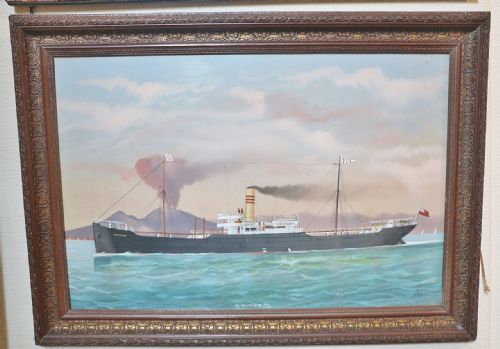
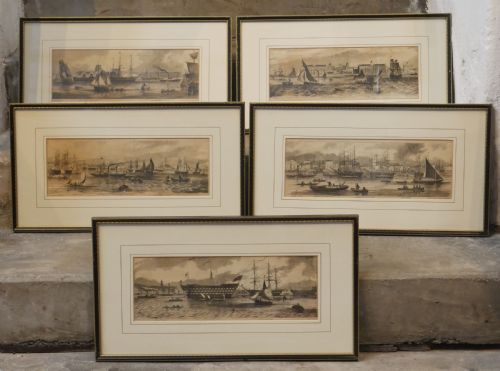
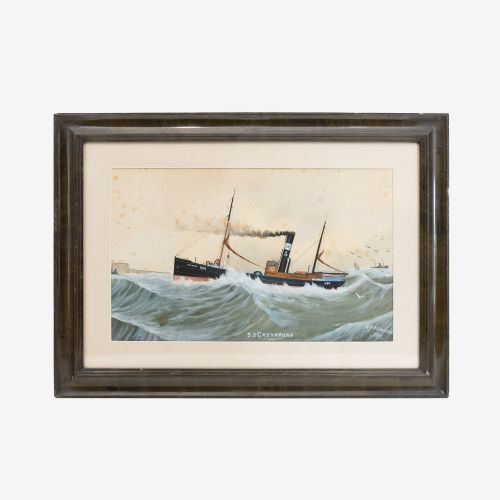
The majority of what you meet here dates from the nineteenth century through the Edwardian era up to the nineteen-thirties. These pieces capture naval warfare, commercial sailing vessels and coastal scenes through oil paintings, watercolours, models and shipboard furniture.
How they were made
The makers utilised traditional timbers such as oak, elm, teak, sycamore and camphorwood alongside carved details in wood and bronze. These materials were combined with glass, paint, brass, paper and canvas to build ship models, sea chests and framed maritime art.
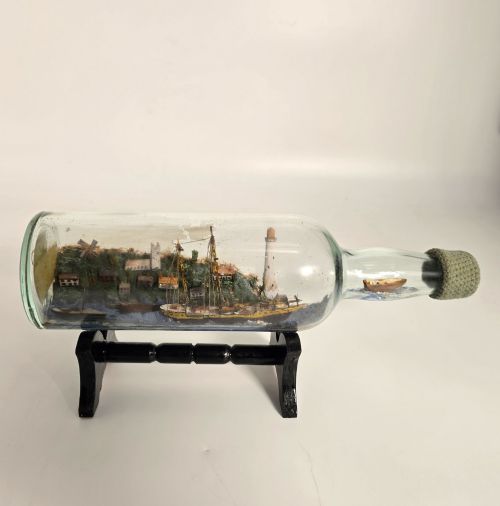
Craftsmen applied specialised techniques including hand carving, glass bottle assembly, box diorama framing and detailed oil or watercolour painting. Many pieces reflect maritime folk art traditions alongside formal scale modelling and marine artistry.
Antique Wood Ship Retail Price Guide 2026
Typical asking prices for wood ship among the pieces listed under this phrase on Sellingantiques today, from the lower quarter to the upper quarter. They describe what is for sale here now, not the wider market.
What varies in quality
Quality rests in the precision of the carving, the intricacy of the rigging or bottle work, and the fidelity of the painted details. A skilled hand creates a sense of movement in water and proper proportions in a hull.
The choice of primary timber and the preservation of original paint or surface finishes also separate standard utilitarian items from exceptional decorative pieces.
William Woolard·TB Hardy·Alexander Harwood·George Stanfield Walters, RBA
The Antique Wood Ship Glossary
- Diorama
- A three-dimensional scene enclosed in a case or box, often depicting a ship at sea with painted backgrounds and sculpted waves.
- Half model
- A representation of one side of a ship's hull mounted on a board, traditionally used for naval architectural design.
- Barque
- A sailing vessel with three or more masts having square sails on the foremast and mainmast and fore-and-aft sails on the mizzenmast.
- Folk art
- Artistic work created in a cultural tradition by self-taught makers, frequently seen in naive ship paintings and bottle models.
- Tansu
- A traditional Japanese mobile storage chest, sometimes adapted for marine or merchant use.
Antique Wood Ship: Frequently Asked Questions
What is an antique ship diorama?
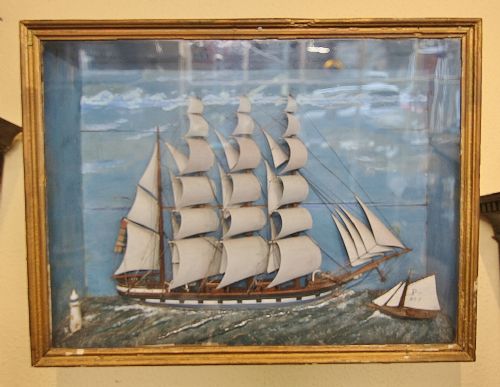
An antique ship diorama is a cased three-dimensional display featuring a model vessel set against a painted maritime backdrop. These pieces often include sculpted canvas or wood waves to simulate movement at sea.
Craftsmen built them to preserve the likeness of specific vessels or commemorate notable maritime voyages.
How do you display a ship in a bottle?
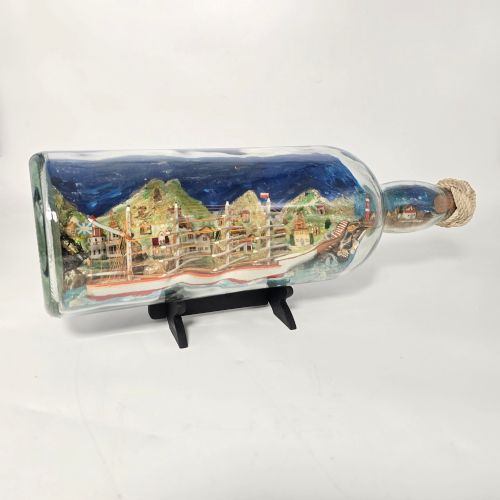
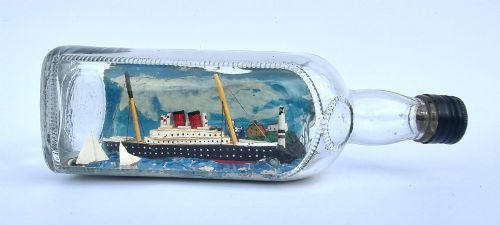
A ship in a bottle requires a stable shelf or mantelpiece away from direct sunlight and temperature fluctuations. The glass bottle protects the delicate wooden rigging and paper components inside from dust and damage.
Proper placement ensures the miniature vessel remains secure and clearly visible for close inspection.
What are sea chests used for?
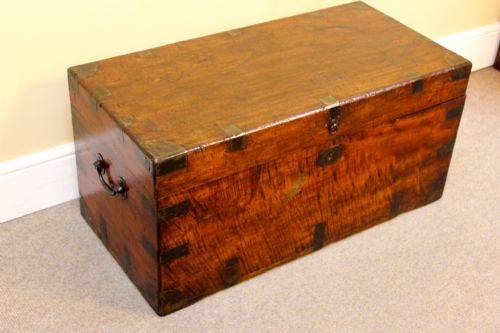
Sea chests served as durable, secure storage trunks for sailors during long voyages at sea. Constructed from sturdy woods like camphorwood or oak, they held personal belongings, navigational tools and clothing.
Today they function as practical storage furniture or coffee tables in domestic interiors.
How do you date a wooden ship model?
Dating a wooden ship model involves examining the timber species, construction techniques, hardware materials and stylistic cues of the vessel depicted. Nineteenth-century models often feature hand-carved hulls and traditional rigging methods.
Documentation, signatures or historical events referenced in the work also help narrow down the period.