


Antique Wood Rocker
When you handle an antique wood rocker, you hold a piece designed entirely for motion, comfort and domestic quiet.
Antique Wood Rocker
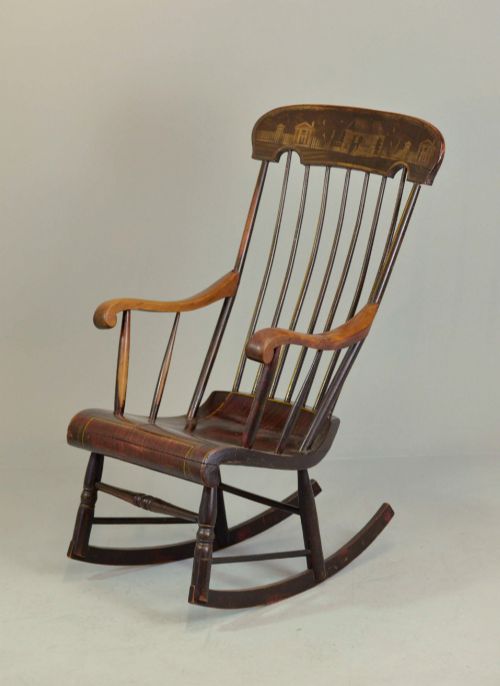
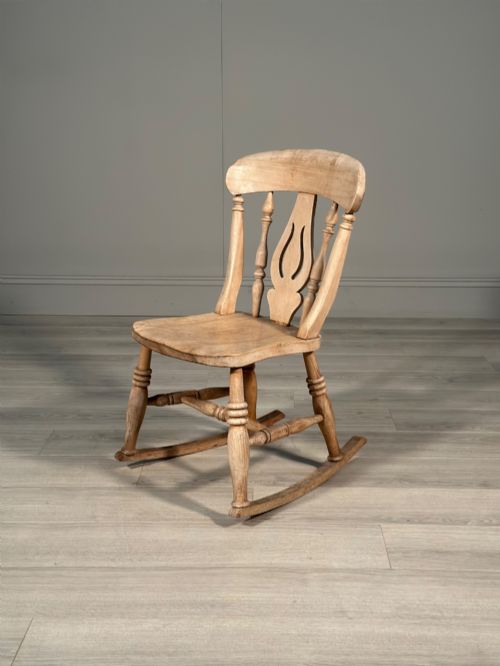
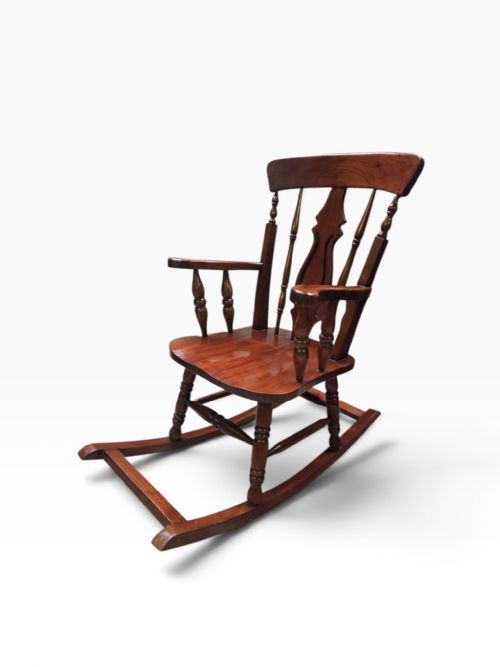
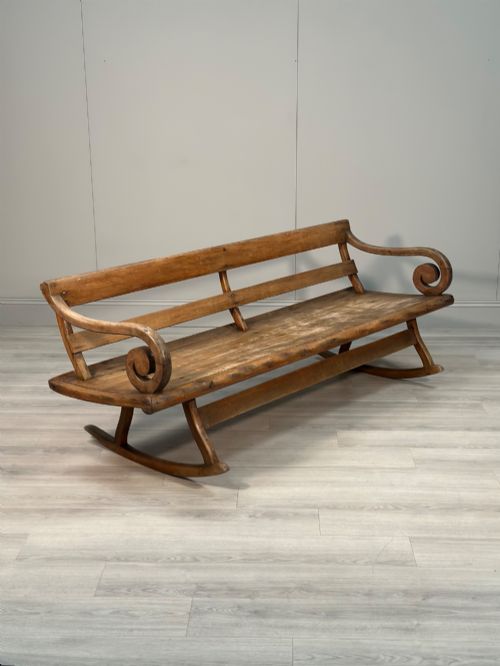
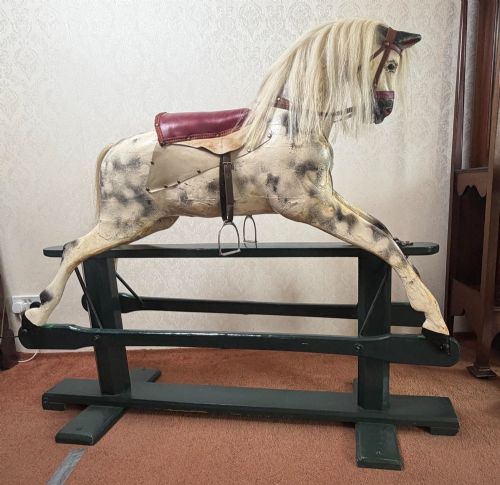
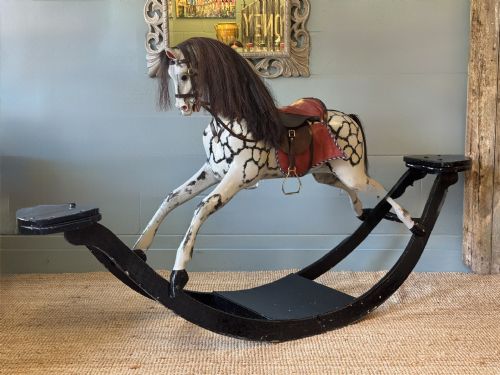
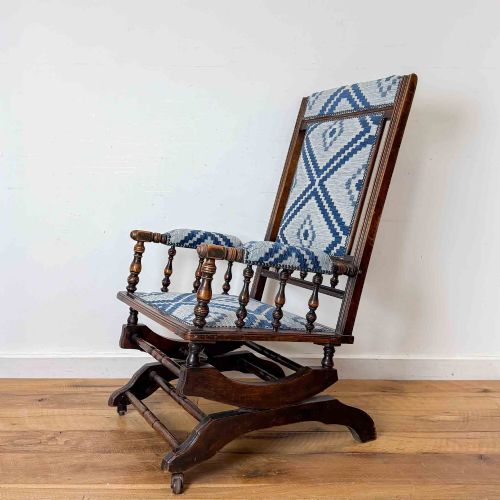
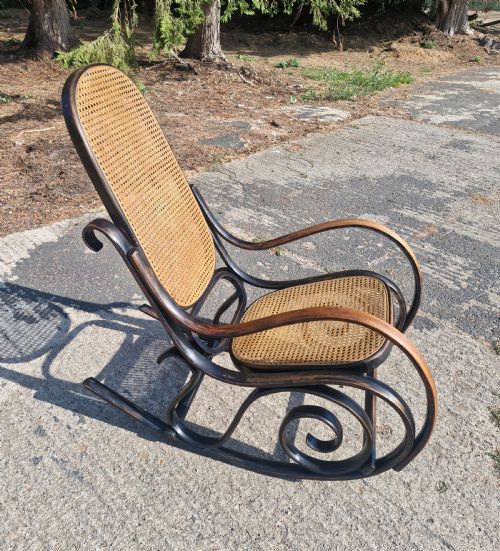
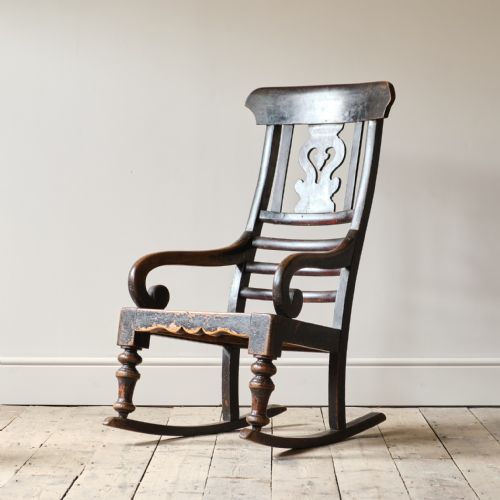
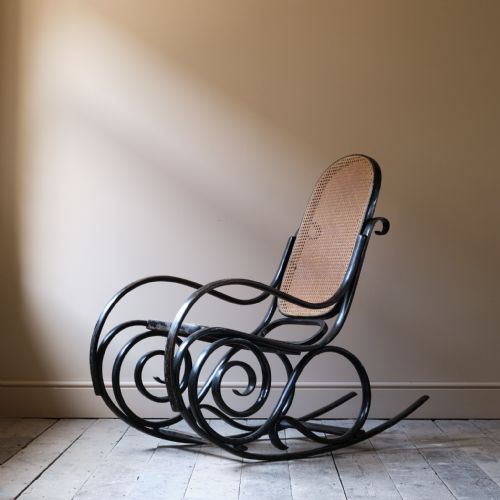
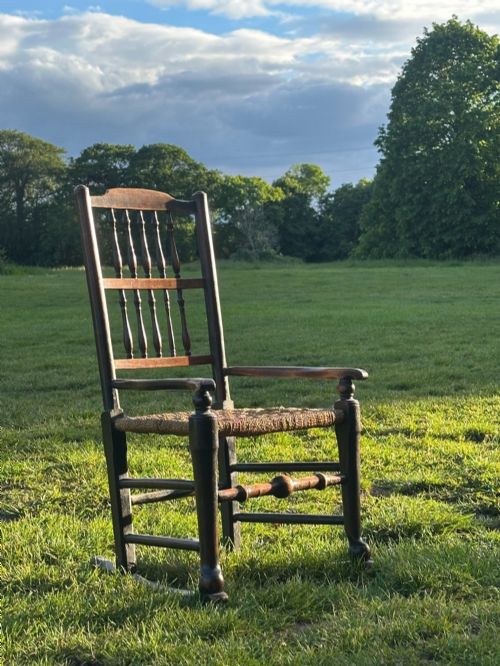
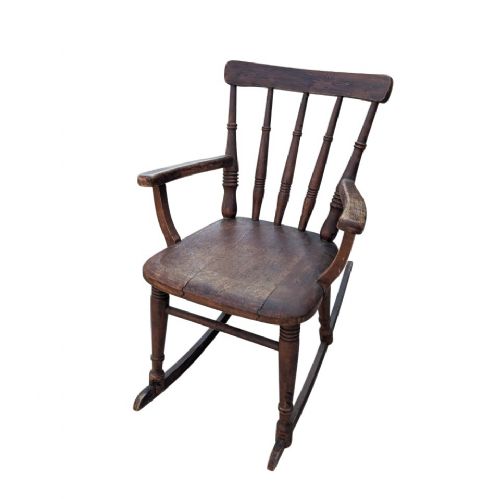
An antique wood rocker is most frequently met here as a Windsor chair, a vernacular country armchair, or a bentwood seating form fitted onto curved wooden rails. The inventory spans full-sized fireside armchairs, children's models, cradles, settles, and carved wooden rocking horses.
The selection ranges from eighteenth-century ladder backs and Thames Valley Windsors through nineteenth-century Victorian styles to early twentieth-century bentwood pieces. Regional chairs from Lancashire, Cheshire and Scotland sit alongside Continental and American variants.
Materials and construction
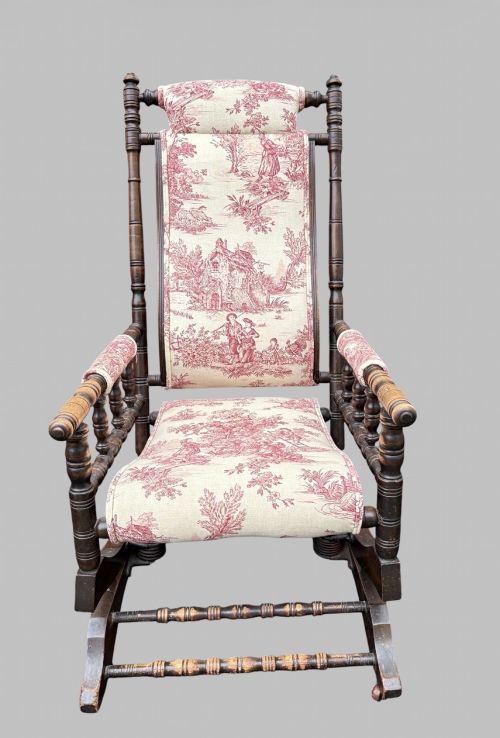
Maker's workshops relied on solid native timbers such as beech, elm, oak, ash, fruitwood and mahogany to build these frames. Bentwood examples utilise steam-bent beech components shaped into continuous curves, whilst others combine turned spindles with cane, rush, leather or tapestry upholstery.
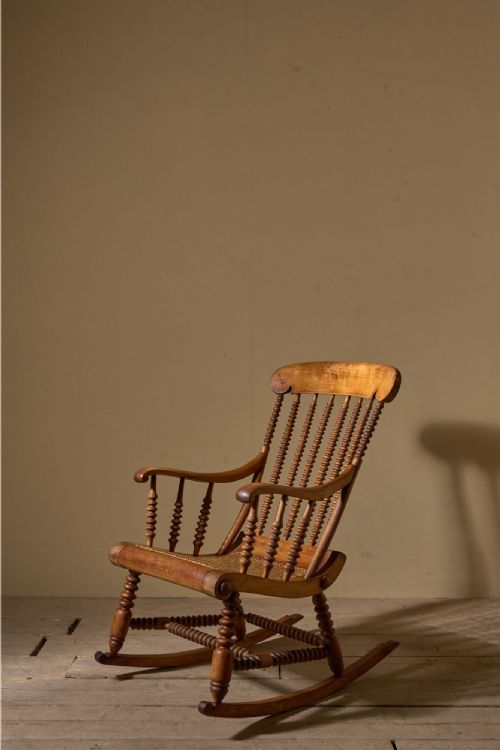
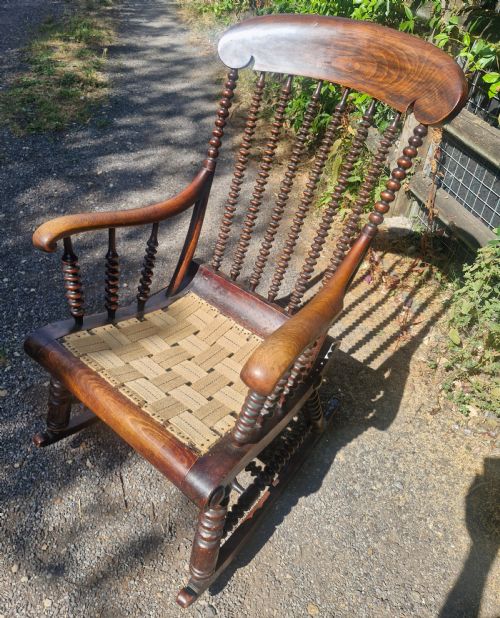
Joinery techniques include traditional Windsor construction with wedged legs and spindles driven directly into thick wooden seats. Bobbin framing, faux bamboo turning, and original painted finishes also appear across the surviving pieces.
Antique Wood Rocker Retail Price Guide 2026
Typical asking prices for wood rocker among the pieces listed under this phrase on Sellingantiques today, from the lower quarter to the upper quarter. They describe what is for sale here now, not the wider market.
Several rocking horses stand ready on their original wooden runners, alongside miniature chairs built just for dolls.
What separates the grades
Quality rests upon the integrity of the original wood and the retention of factory or maker attribution. Pieces retaining untouched original paint, distinct regional turning, or documented maker marks command greater interest than heavily altered examples.
The sophistication of the timber bending and the balance of the rocker rails dictate the success of the form. Sturdy construction in primary woods like oak, elm and fruitwood distinguishes superior vernacular seating from later decorative imitations.
Jacob and Josef Kohn·G and J Lines of London·Thonet
The Antique Wood Rocker Glossary
- Bentwood
- Wood softened by steam and bent into curved structural forms. This technique created lightweight, resilient rocking armchairs.
- Windsor
- A chair built with a solid wooden seat into which the legs and back spindles are separately socketed. Regional variations include wheelback and comb-back designs.
- Bobbin turned
- Turned woodwork featuring a series of rounded spheres resembling bobbins on a thread. This decorative turning style defines several nineteenth-century frames.
- Ladder back
- A chair back constructed with horizontal slats between two upright posts. Early examples often utilise ash, oak or fruitwood.
- Vernacular
- Objects designed by regional craftspeople to local traditions rather than high court styles. These pieces emphasise utilitarian function and local materials.
Antique Wood Rocker: Frequently Asked Questions
What is bentwood and how do I spot it?
Bentwood is manufactured by steaming solid timber, usually beech, until pliable and pressing it into curved moulds. This process produced the iconic fluid curves seen in nineteenth-century rocking armchairs.
Authenticated pieces often bear maker marks or paper labels from workshops associated with Vienna. The frames rely on continuous loops rather than traditional joined framing.
How were antique children's rockers used?
Miniature rocking chairs and cradles served as functional nursery furniture for infants or dolls during the eighteenth and nineteenth centuries. They mirrored the domestic furniture of adults on a smaller scale.
These pieces were constructed with the same solid hardwoods and joinery techniques as full-sized variants. Many survive with original rush, cane, or tapestry upholstery.
What distinguishes country vernacular rockers?
Vernacular rockers were built by local carpenters using readily available regional timbers like fruitwood, elm and beech. They prioritise practical comfort and sturdy construction over academic stylistic rules.
Characteristics include ladder backs, bobbin turning, rush seating, and sometimes traces of original paint. Each piece reflects the specific workshop traditions of its geographic origin.