

Antique Wood Press
An antique wood press brings architectural dignity and deep storage to a room, ranging from grand mahogany linen presses to robust oak cupboards.
Antique Wood Press
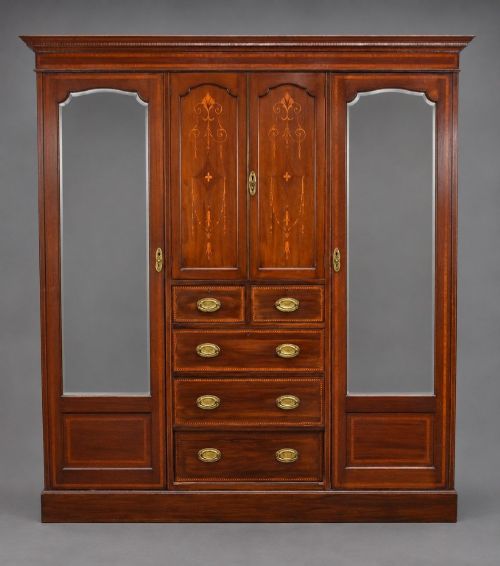
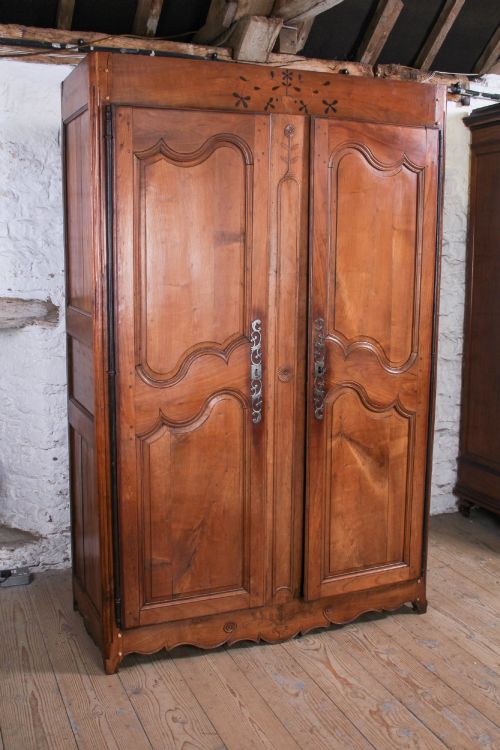
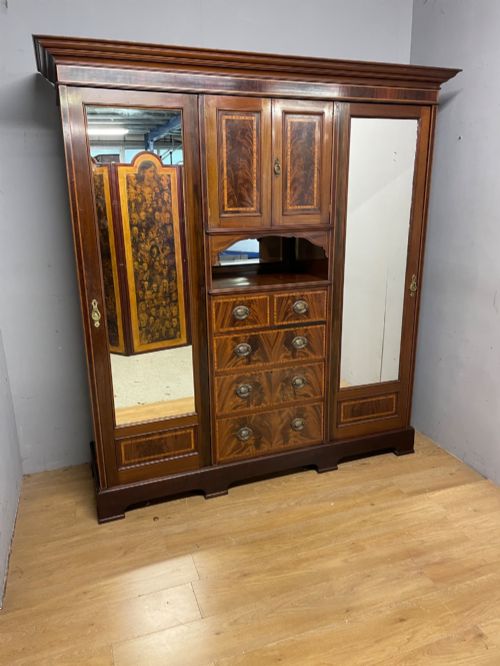
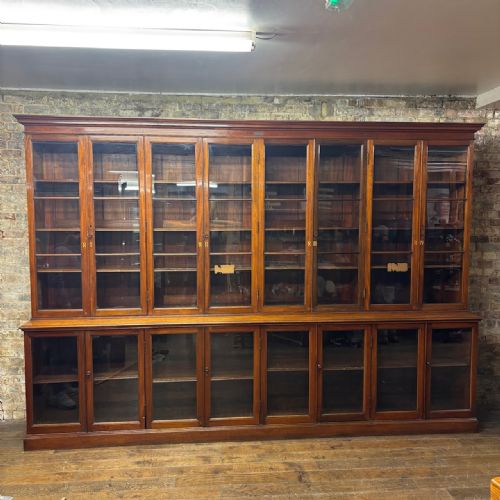
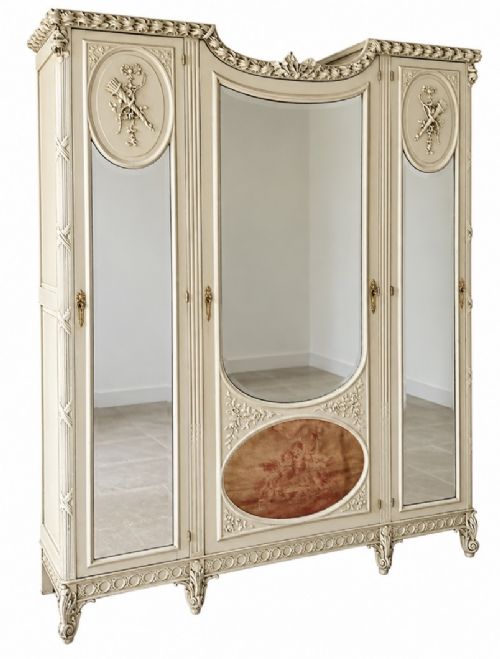
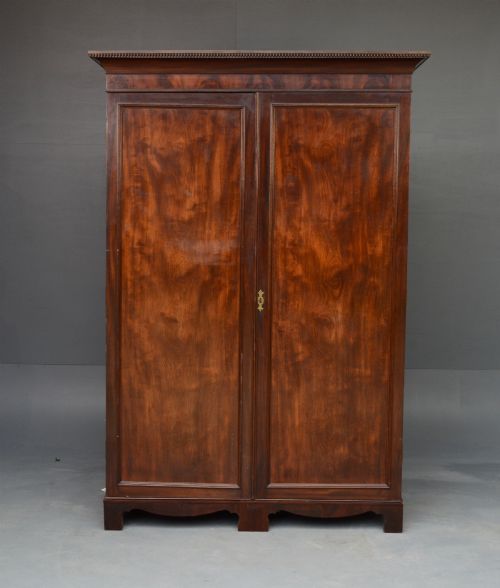
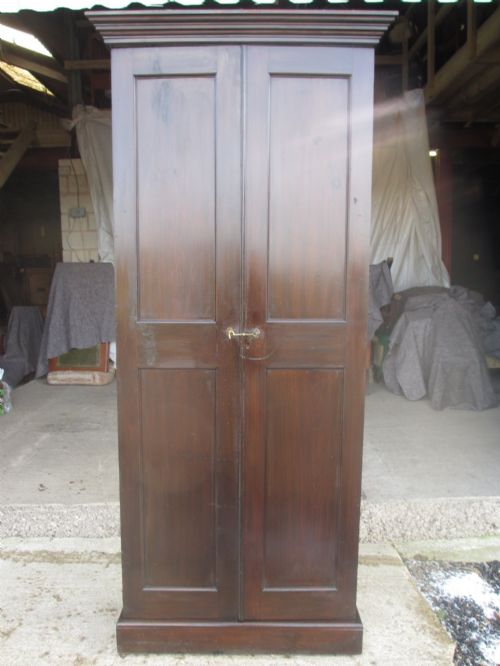
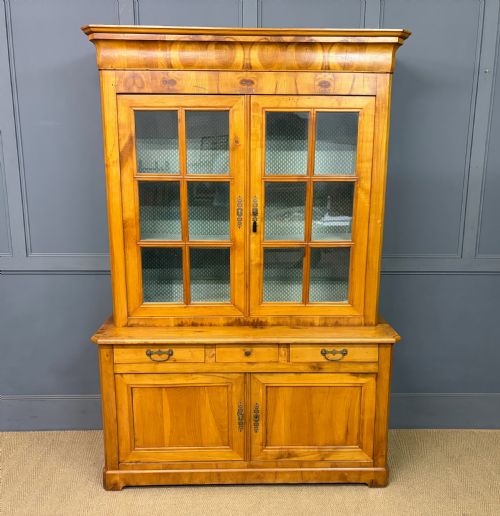
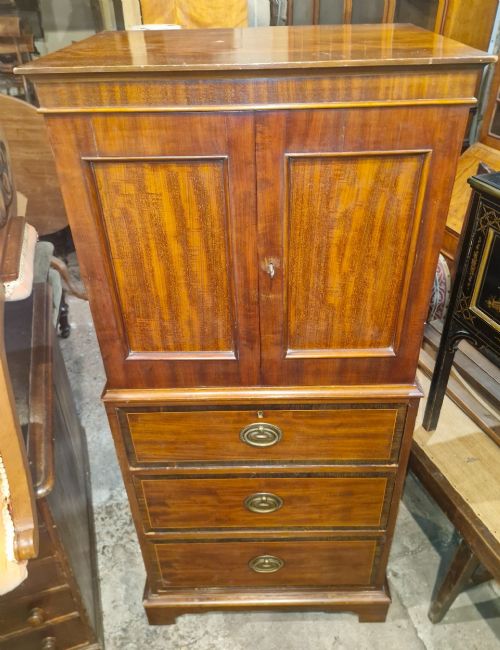
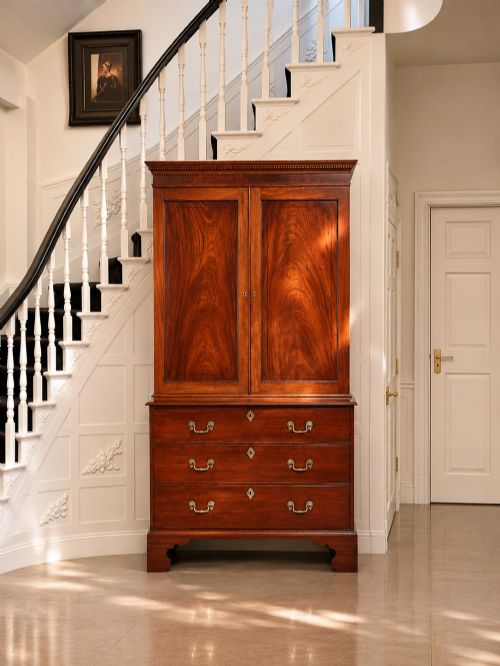
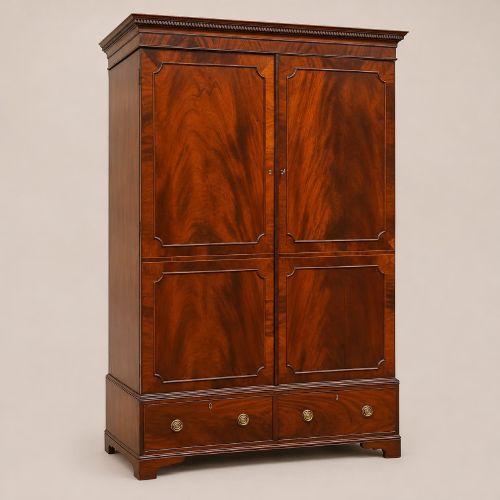
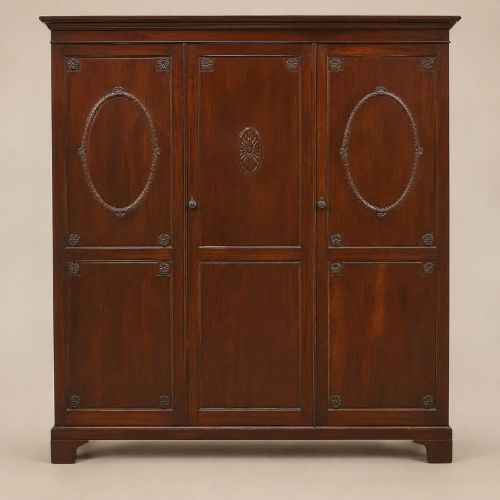
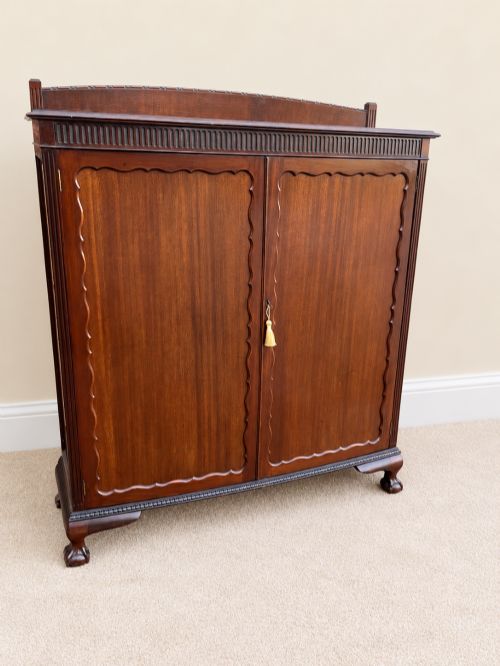
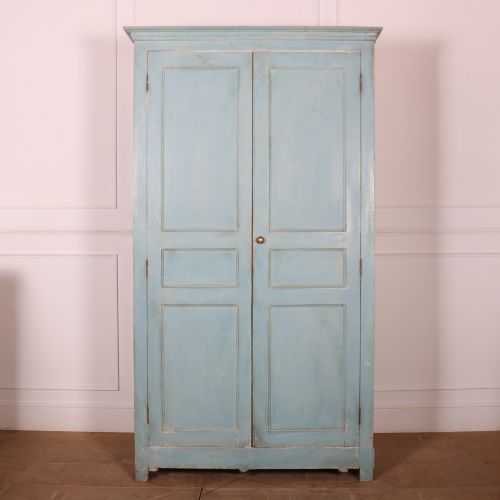
When you search for an antique wood press, you encounter a variety of large storage furniture designed to hold garments, linen, and household stores. The listings on this page span several centuries and styles, taking the form of linen presses, press cupboards, wardrobes, and armoires.
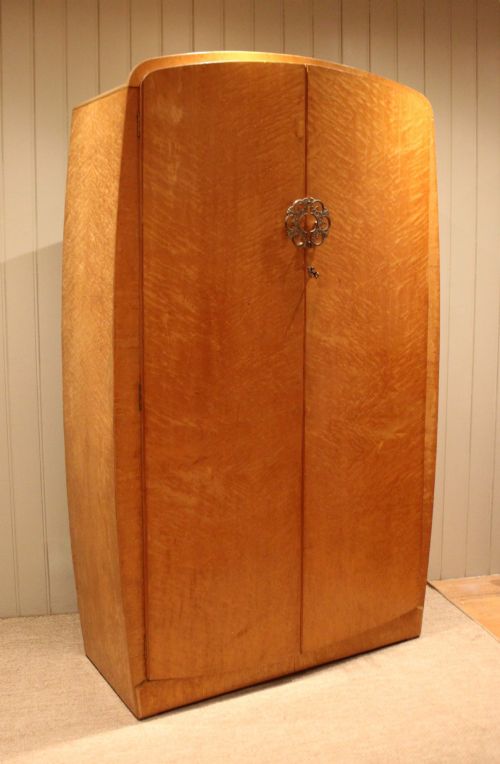
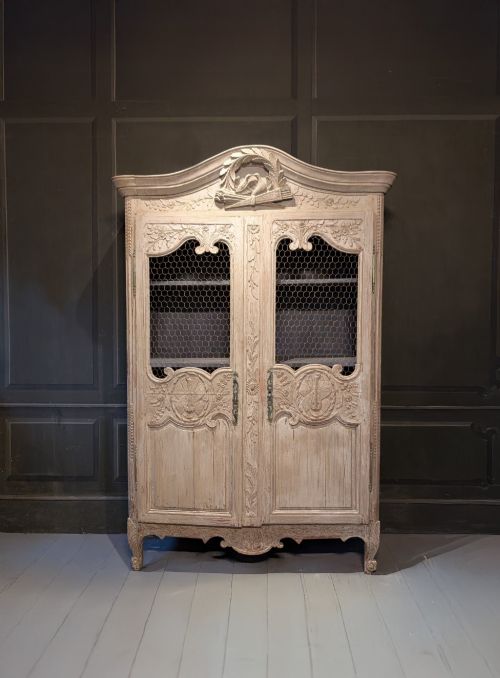
The most common examples you meet are Georgian and Victorian pieces fashioned from mahogany or oak, often featuring panelled doors and internal sliding trays. Alongside these traditional forms appear Edwardian wardrobes, Art Deco compactums, and French fruitwood storage cabinets.
Regional and continental variations also populate the selection, including Italian side cabinets, painted Chinoiserie lacquer cupboards, and solid cherry wood housekeeper's cabinets. Each piece reflects the domestic storage needs of its period, from the grand country house to the urban bedroom.
How these presses were made
Cabinet makers constructed these large pieces using a foundation of solid timbers such as mahogany, oak, pine, ash, and cherry. Workshops selected figured veneers like burr walnut, bird's eye maple, and flame mahogany to face prominent surfaces and drawer fronts.
Structural integrity relied on traditional joinery, augmented in some instances by heavy brass hardware and iron screw threads. Surface finishing involved polishing to reveal the natural grain of the wood, though certain country pieces were left in bare pine or ash ready to wax or paint.
Antique Wood Press Retail Price Guide 2026
Typical asking prices for wood press among the pieces listed under this phrase on Sellingantiques today, from the lower quarter to the upper quarter. They describe what is for sale here now, not the wider market.
Listings feature mahogany, oak, pine, and exotic veneers spanning the Georgian, Victorian, and Edwardian periods.
What separates the finest examples
The distinction between standard utility storage and superior cabinet work lies in the selection of timber and the handling of grain. Master makers utilised matched flame veneers and carefully figured burr walnut to create symmetrical patterns across large door panels.
Internal configuration and secondary woods further define the grade of a piece, with fine examples retaining fitted linen slides, cedar linings, and hand-cut dovetailed drawers. Exterior carving, subtle satinwood stringing, and well-chosen brass mounts indicate a higher tier of design and workshop execution.
Maple and Co·S and H Jewell
The Antique Wood Press Glossary
- Linen press
- A large storage cabinet traditionally used for storing folded linen and bedding, typically featuring sliding trays enclosed by upper doors with drawers beneath.
- Compactum
- A multi-functional wardrobe designed to maximise storage by combining hanging space, drawers, and shelving within a single compact footprint.
- Press cupboard
- An early form of enclosed storage furniture, often constructed in oak and incorporating internal shelving or hanging space behind heavy panelled doors.
- Wardrobe
- A tall piece of furniture dedicated primarily to hanging garments, developing from regional clothes presses into the large fitted bedroom pieces of the Victorian and Edwardian eras.
- Flame mahogany
- A highly decorative veneer harvested from the fork of the mahogany tree, prized by cabinet makers for its fiery, three-dimensional grain pattern.
- Satinwood
- A luminous, fine-grained timber with a yellowish colour, frequently used for contrasting stringing, inlay, and decorative banding on Georgian and later furniture.
Antique Wood Press: Frequently Asked Questions
How do I date an antique wooden press?
Dating relies on examining the timber species, construction methods, and stylistic details visible on the cabinet. Georgian pieces often display clean classical proportions and mahogany veneers, while Victorian examples tend to be heavier with extensive moulding.
Secondary woods inside drawers, such as oak in earlier pieces versus pine in later ones, offer further clues to the period of manufacture.
Will a large antique press dismantle for moving?
Many large nineteenth-century wardrobes and presses were constructed as knock-down or modular pieces to allow delivery into upper rooms. These break down into a cornice, a plinth, two side panels, and central doors or wardrobes.
Solidly built regional cupboards and armoires, however, often remain as single rigid units requiring careful measurement of stairwells and doorways.
How should I care for a polished wood surface?
Maintain the finish by dusting with a soft, dry cloth and applying traditional beeswax sparingly to nourish the timber. Avoid placing wooden furniture near direct heat sources or in strong sunlight, which can dry out veneers and fade rich polishes.