



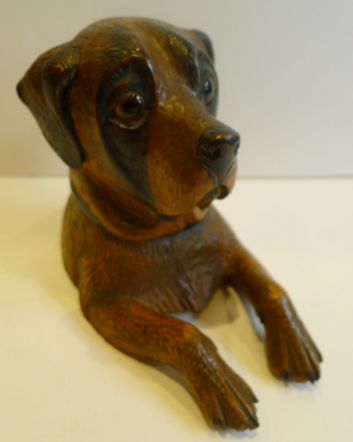


Antique Wood Inkwell
An antique wood inkwell is a desk essential shaped by Victorian and earlier hands, offering a tactile piece of writing history to anchor your desk.
Antique Wood Inkwell
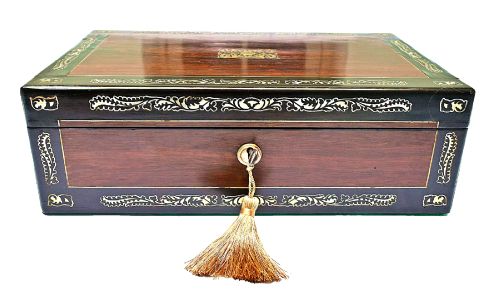
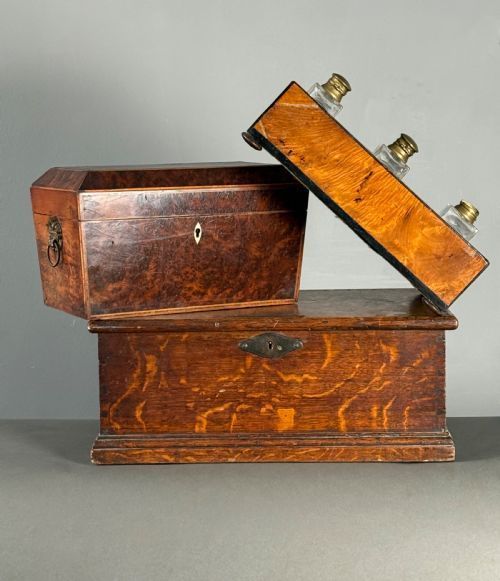
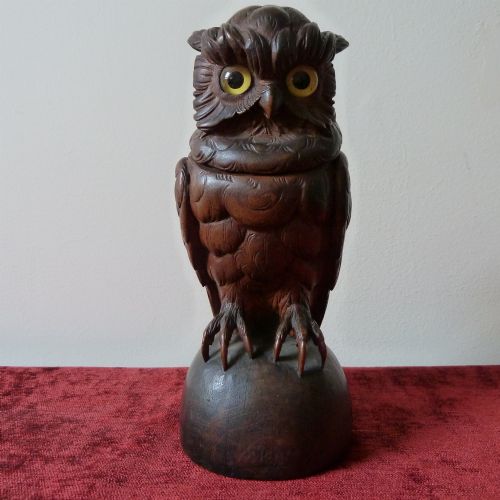
An antique wood inkwell encompasses desk accessories, inkstands, and stationary boxes fashioned from woods like oak, coromandel, and linden wood. You will frequently encounter Black Forest novelty carvings depicting animals such as owls, bears, dogs, and cats alongside simpler Victorian and Georgian stands.
The pieces on this page span from the eighteenth century through the Victorian era to nineteen hundred, reflecting shifting domestic writing habits. These items range from single carved animal figures with internal glass inserts to elaborate desk tidies fitted with ormolu, brass, and mother-of-pearl.
Materials and Construction
Craftsmen shaped these items using dense timbers such as coromandel, oak, and fruitwood, often applying ebonising or detailed hand-carving techniques. The selection relies on natural grain and rich patination to define the form, whether in a geometric stationary stand or a figural sculpture.
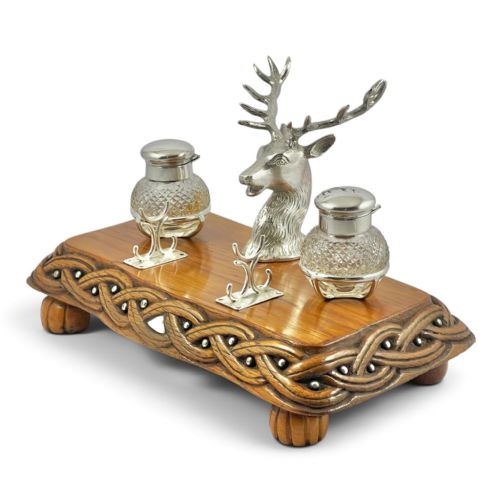
Metal mounts in brass and ormolu frequently reinforce wooden frames, while interior glass or silver-plated vessels hold the liquid ink safely. Details in mother-of-pearl and bone appear inset into wooden surfaces, demonstrating the multi-material approach typical of nineteenth-century desk accessories.
Antique Wood Inkwell Retail Price Guide 2026
Typical asking prices for wood inkwell among the pieces listed under this phrase on Sellingantiques today, from the lower quarter to the upper quarter. They describe what is for sale here now, not the wider market.
Several fierce carved bears and wise owls watch over spare desk pins.
Distinctions in Quality
The standard of carving dictates the success of figural Black Forest pieces, where expressive animal faces and deep relief work separate master carvers from simpler productions. Naturalistic detail in fur, feathers, and anatomical proportions elevates an owl, bear, or dog inkwell.
Material selection and hardware integration further define the hierarchy, with dense exotic woods like coromandel and heavy ormolu mounts indicating superior workshop output. The survival of original glass liners and fitted interior components maintains the integrity and standing of a desk stand.
Maison F. Mack
The Antique Wood Inkwell Glossary
- Inkstand
- A portable tray or stand holding inkwells, pounce pots, and pen holders for a writing desk.
- Pounce pot
- A small perforated shaker used to sprinkle resin powder over paper before writing to absorb ink bleed.
- Coromandel
- A dense, heavily figured exotic timber from Southeast Asia utilised for luxury nineteenth-century boxes and desk accessories.
- Black Forest
- A style of nineteenth-century wood carving originating from the Central Black Forest region in Germany, famed for realistic animal subjects.
- Ormolu
- Gilt bronze mounted onto furniture and desk accessories to provide decorative metallic contrast against dark wood.
Antique Wood Inkwell: Frequently Asked Questions
What is an antique wood inkwell?
An antique wood inkwell is a desk container designed to hold writing ink, carved or joined from materials like oak, coromandel, and linden wood.
These pieces often double as decorative sculptures or form part of larger desk stands and stationary boxes from the nineteenth century.
How were these inkwells used?
They sat upon writing desks and tables to provide a secure, accessible reservoir of ink for dip pens during the eighteenth and nineteenth centuries.
Many incorporate lidded compartments or matching stands to hold pens, blotting paper, and pounce pots for correspondence.
How do I care for wooden desk accessories?
Keep wooden pieces away from direct sunlight and dramatic temperature shifts to prevent the timber from splitting or warping.
Dust gently with a dry cloth and occasionally feed exposed wood with appropriate traditional wax to preserve the finish.
How do I identify a Black Forest inkwell?
Black Forest inkwells are distinguished by deep, naturalistic wood carvings depicting animals such as bears, dogs, and owls, often featuring glass eyes.
Originating from European woodland communities, these novelty pieces use linden wood or walnut to create animated desk sculptures.