


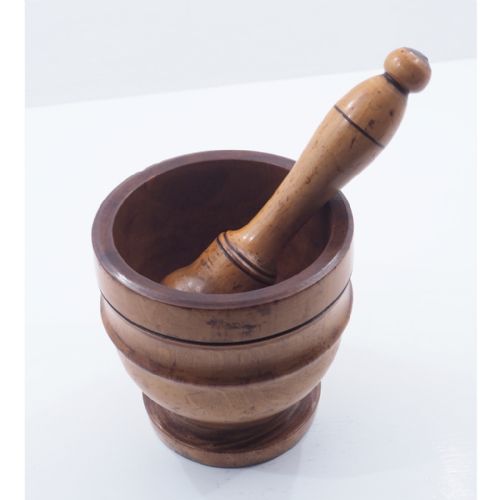


Antique Wood Grinder
An antique wood grinder brings tactile domestic history to your kitchen, offering solid turned treen for daily utility.
Antique Wood Grinder
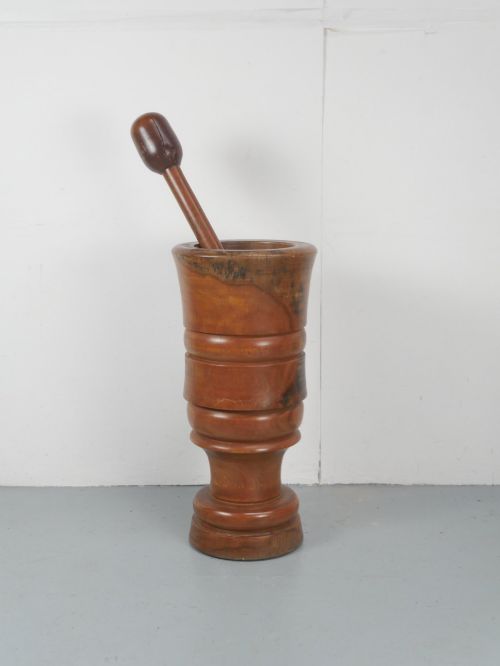
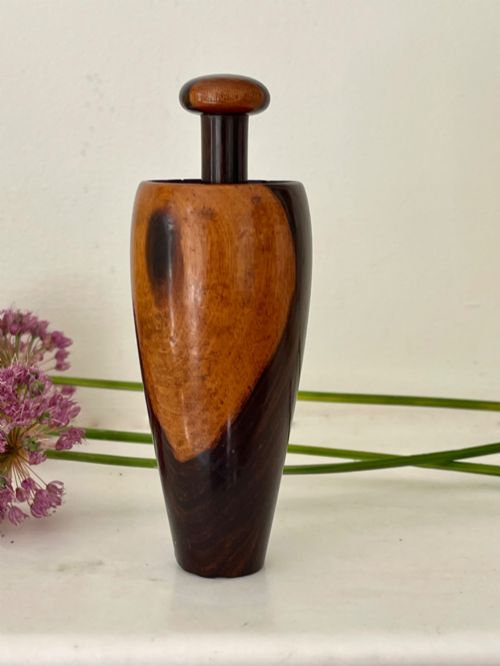
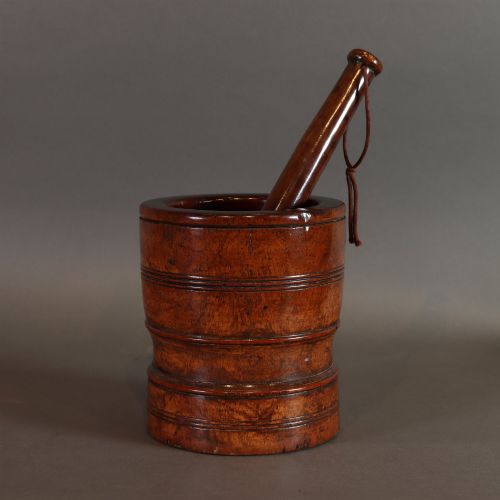
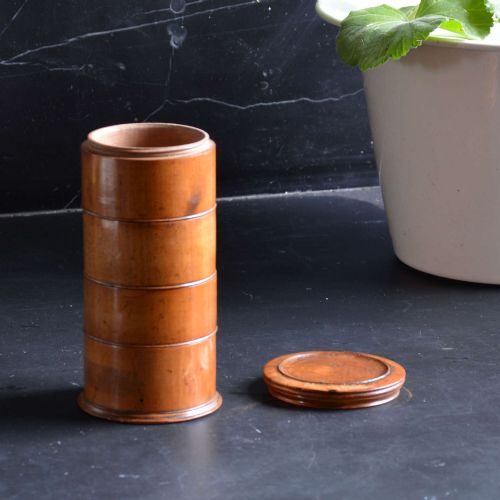
When you search for an antique wood grinder, you find turned treen vessels used historically for domestic spice preparation, apothecary mixtures, and snuff grinding. These pieces range from early spice towers to utilitarian kitchen mortars.
The objects span domestic kitchenalia and apothecary equipment, reflecting historical domestic tasks through traditional turned wood and occasional ceramic pairings. Each surviving piece demonstrates the heavy wear of functional historic use.
How they were made
Maker workshops utilised dense turning woods such as lignum vitae, boxwood, and sycamore to withstand the constant friction of grinding spices and medicinal ingredients. Craftsmen turned these blocks on lathes to create thick-walled bowls and snug-fitting pestles.
Makers fashioned multi-part spice grinders with internal compartments and fitted lids, using seasoned hardwoods that resisted cracking under pressure. The exterior surfaces frequently show the tool marks and simple decorative rings characteristic of traditional treen turning.
Antique Wood Grinder Retail Price Guide 2026
Typical asking prices for wood grinder among the pieces listed under this phrase on Sellingantiques today, from the lower quarter to the upper quarter. They describe what is for sale here now, not the wider market.
Listings feature traditional treen spanning from the seventeenth century through to the Edwardian period, utilising hardwoods such as lignum vitae, sycamore, and boxwood.
What varies in quality
The distinction between ordinary and exceptional examples rests upon the density of the chosen timber and the crispness of the lathe turning. Heavier, tightly grained hardwoods like lignum vitae hold their form and surface polish better than softer woods.
Proportion and historic patination dictate the desirability of a grinder, with well-balanced profiles and deep, lustrous wear showing superior age. Subtle decorative mouldings and untouched original surfaces separate humble utility items from finer collector pieces.
The Antique Wood Grinder Glossary
- Treen
- Small handmade wooden domestic objects and utensils. This category encompasses the vast majority of antique wood grinders and kitchen mortars.
- Lignum Vitae
- A dense, heavy tropical hardwood prized for its oily nature and impact resistance. Turners utilised this wood for heavy-duty mortars that would not split during grinding.
- Mortar and Pestle
- A bowl and heavy clubbing tool used for crushing and grinding substances. The bowl receives the ingredients while the pestle provides the crushing action.
- Spice Tower
- A multi-tiered turned wooden container used for holding and dispensing various spices. These vertically stacked vessels represent more complex joinery than standard single-bowl grinders.
Antique Wood Grinder: Frequently Asked Questions
What is an antique wood grinder used for?
These wooden vessels were utilised historically for grinding dried spices, herbs, and roots for culinary and medicinal purposes. They also served as snuff mortars in domestic settings.
Today, collectors appreciate them as tactile examples of early kitchenalia and traditional woodturning that display centuries of domestic life.
How do I date an old wood grinder?
Dating relies heavily on the timber species used, the tool marks left by the lathe, and the overall style of the turning. Earlier seventeenth century pieces often feature heavier lignum vitae with deep patination.
Later nineteenth century examples tend to show lighter hardwoods and different pestle profiles. Comparing the wear patterns helps confirm the historic period.
What woods were used for grinders?
Turners selected hard, dense timbers that could endure repeated impact without splintering into food or medicine. Lignum vitae, boxwood, sycamore, and walnut are common materials found across these listings.
These close-grained woods develop a rich, dark patina over decades of handling and use in the kitchen.
How do I care for antique treen?
Keep wooden grinders away from direct heat sources and sudden humidity changes to prevent the timber from splitting. A light application of appropriate wax maintains the historic surface sheen.
Avoid washing them under running water or submerging them, as excess moisture damages the dry historic wood.