





Antique Wood Finials
Antique wood finials are sculptural ornaments that top furniture and architectural joinery, bringing carved timber detail and period character to interiors.
Antique Wood Finials
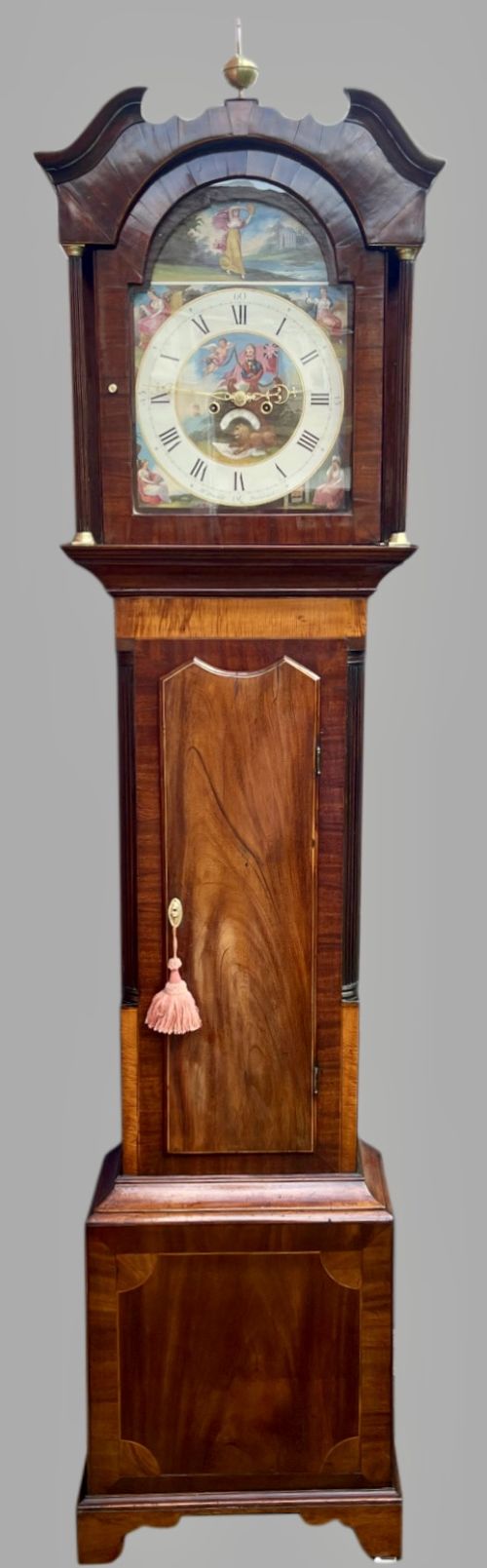
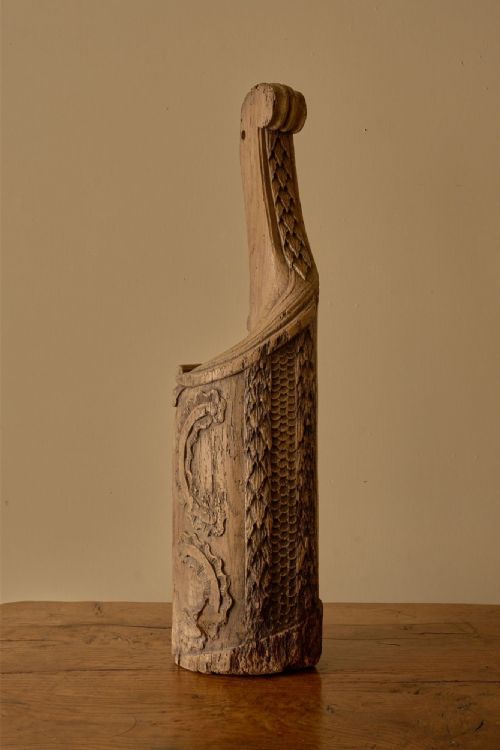
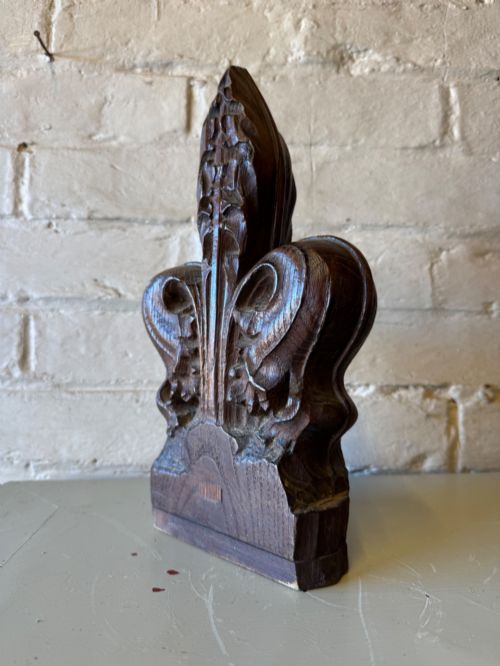
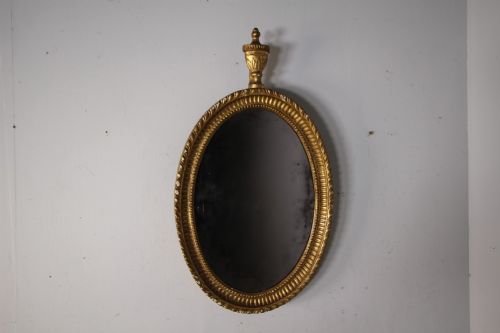
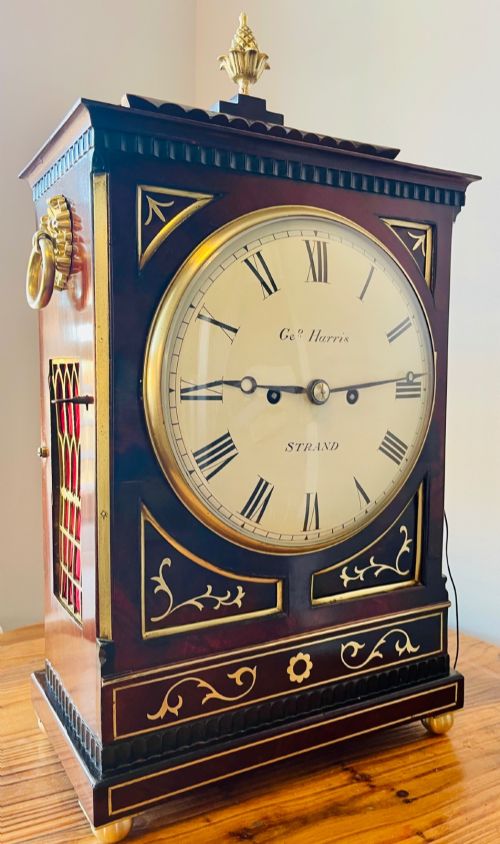
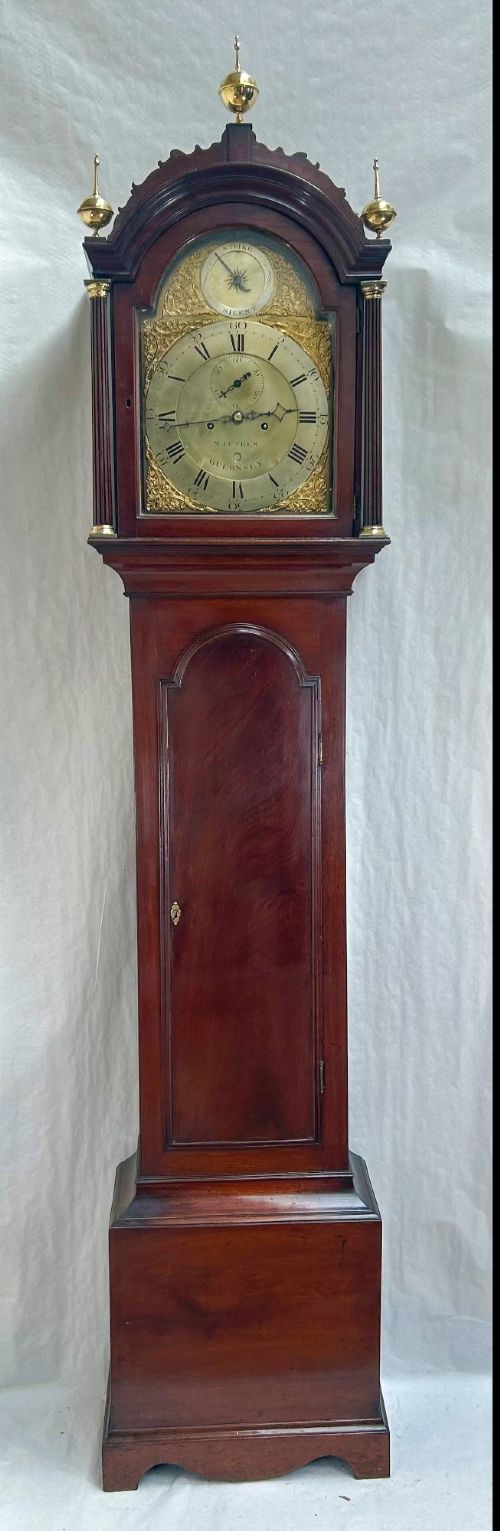
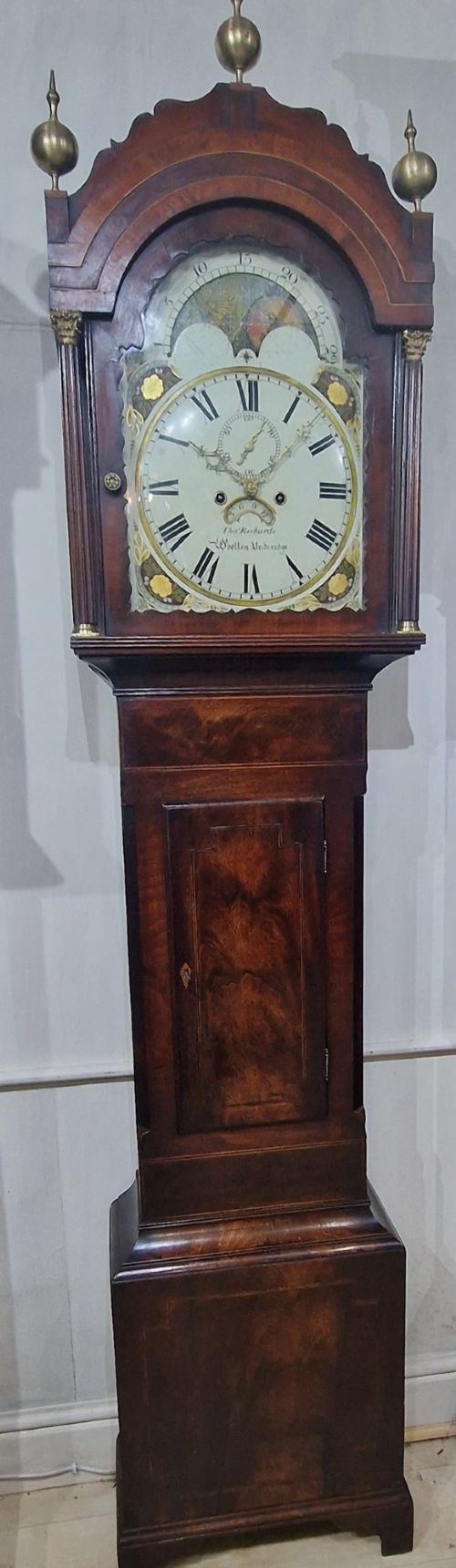
Antique wood finials appear on this page primarily as components salvaged from larger objects or incorporated into architectural decorations, longcase clocks, and mirrors. Buyers searching this phrase encounter carved timber elements originating across several centuries, including seventeenth-century oak carvings and eighteenth-century pieces.
The selections span distinct stylistic movements such as Gothic Revival, Regency, and Georgian forms. Many pieces serve as decorative terminals for furniture tops, bedposts, or architectural joinery rather than standalone items.
Makers and craftsmen integrated these turned or carved wooden terminals into various household furnishings, producing items that reflect the prevalent aesthetic of their respective periods.
Materials and construction methods
Makers utilised dense timbers such as oak, mahogany, and fruitwood, shaping them through hand-carving and turning on a lathe to achieve symmetry and intricate relief. These materials provided the structural stability required for architectural ornaments and furniture terminals.
Surface treatments recorded in the evidence include gesso and gold leaf applications, which enhanced the carved details on gilded components alongside natural wood finishes.
Antique Wood Finials Retail Price Guide 2026
Typical asking prices for wood finials among the pieces listed under this phrase on Sellingantiques today, from the lower quarter to the upper quarter. They describe what is for sale here now, not the wider market.
Early carvers occasionally concealed miniature whimsical figures within architectural timber ornaments, rewarding close inspection with unexpected expressions.
Evaluating craftsmanship and detail
Quality in these timber ornaments rests upon the crispness of the hand-carving and the precision of the turning. Pieces displaying deep relief and fluid anatomical or foliate lines demonstrate superior workshop proficiency compared to simpler, mechanical productions.
The integrity of the original surface finish, whether patinated timber or applied gilding, influences the character of the piece and reflects the standard of the original maker's workshop.
The Antique Wood Finials Glossary
- Finial
- An ornamental crowning detail placed on the top, peak, or apex of a piece of furniture, clock case, or architectural structure.
- Newel post
- The principal post at the foot of a staircase or at the turn of a landing, often topped by a substantial decorative finial or carved figure.
- Giltwood
- Timber that has been coated with gold leaf or gold paint over a prepared ground such as gesso.
- Treen
- Small handmade wooden household objects and utilitarian wares produced from timber using turning or carving techniques.
- Poppy head
- An ornamental finial, typically carved with foliage or poppy seed heads, found on the tops of bench ends in Gothic architecture.
Antique Wood Finials: Frequently Asked Questions
What were antique wood finials used for?
These carved timber terminals were traditionally positioned at the highest points of furniture, longcase clocks, mirrors, and architectural woodwork to draw the eye upward and complete the design.
They served as decorative architectural accents on large case pieces and bedposts, adding a finished sculptural quality to domestic interiors.
Can antique wood finials be mounted on modern furniture?
Many collectors adapt these architectural elements for display on mantelpieces, bookshelves, or as standalone decorative objects rather than attaching them to furniture.
Mounting them onto modern pieces requires careful consideration of scale, timber type, and the method of attachment to avoid damaging the antique wood.
What is the difference between turned and carved finials?
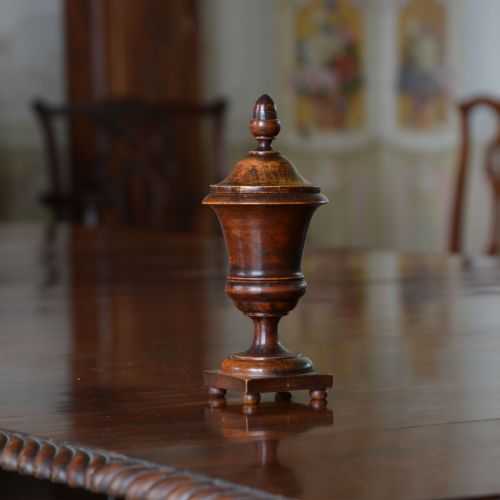
Turned finials are shaped on a lathe by rotating the timber against a cutting tool, resulting in symmetrical, circular profiles with rings and coves.
Carved finials are worked by hand using gouges and chisels to create three-dimensional figurative, animal, or foliate forms that lack radial symmetry.