

Antique Wood Figure
An antique wood figure brings carved presence into a room, spanning centuries of sacred and secular craft.
Antique Wood Figure
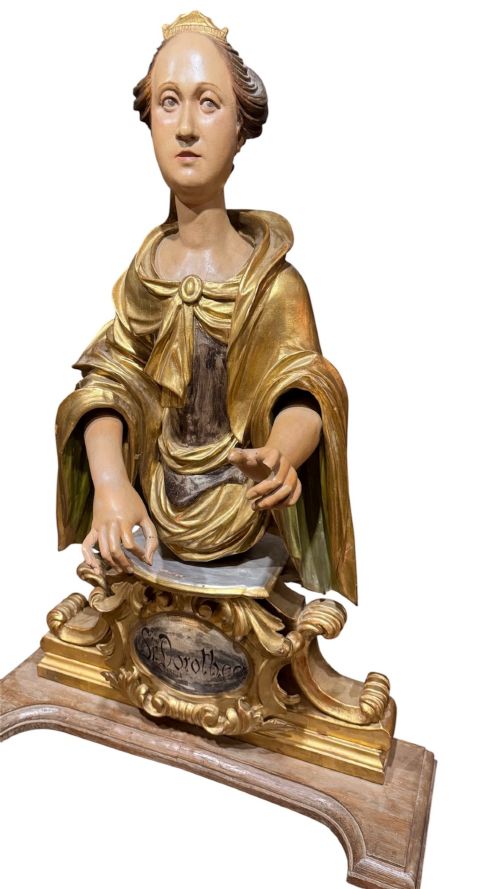
When you examine an antique wood figure on this page, you encounter carved sculptures ranging from seventeenth-century saints to twentieth-century folk carvings and animal studies.
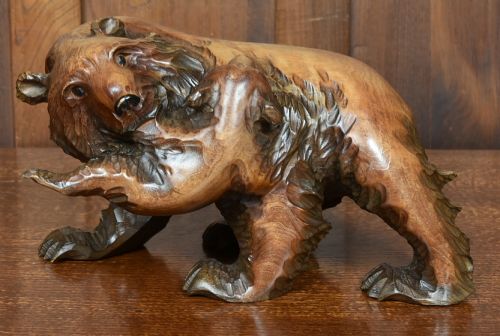
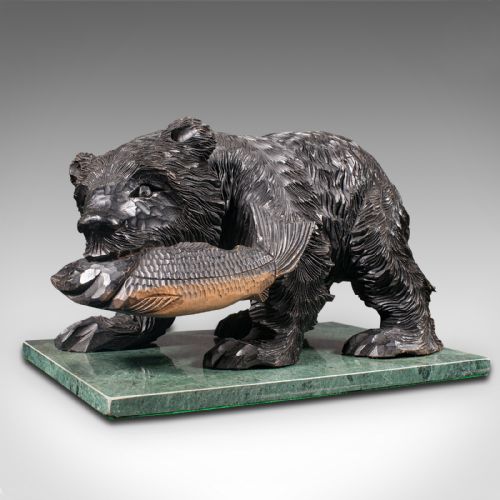
The selection includes European religious icons, Japanese cedar bears, and artist lay figures carved from walnut, cedar, linden wood, and hardwood.
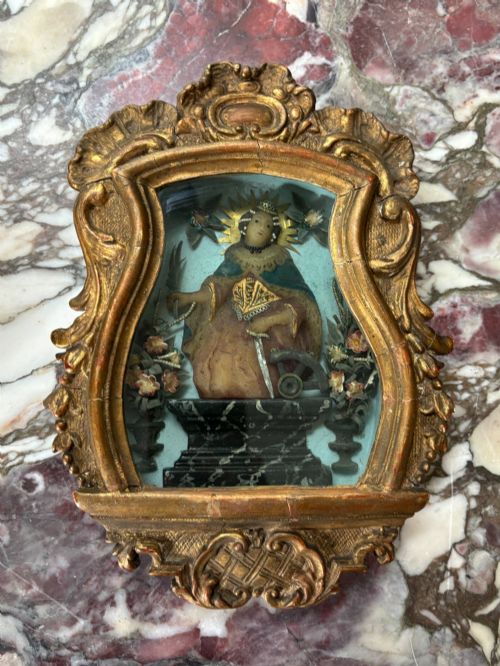
Religious figures from Italy and the Czech Republic sit alongside decorative subjects like parrots on brass stands and traditional guardian statues.
Materials and carving methods
Carvers shaped these objects using dense hardwoods, walnut, cedar, and linden wood, sometimes applying polychrome pigments or giltwood finishes to the carved surface.
Techniques range from the deep chiselling seen in European devotional sculptures to the regional traditions of Japanese woodcarving and folk art.
Listings feature carved wood figures spanning the sixteenth century to the early twentieth century, utilising walnut, cedar, and linden wood.
Judging the carving
Quality rests in the precision of the chisel work, the naturalism or stylisation of the anatomy, and the preservation of original surface finishes and polychrome paint.
Piecemeal repairs, later repainting, and losses to protruding elements diminish the integrity of the piece, whereas crisp detail and stable wood structure distinguish superior examples.
Valentino Besarel·Druce and Co
The Antique Wood Figure Glossary
- Polychrome
- Painted in several colours. This surface treatment appears on devotional sculptures to add lifelike detail to robes and flesh.
- Giltwood
- Wood covered with gold leaf or a gilt finish. It frequently frames devotional icons and panel paintings.
- Lay figure
- An articulated wooden mannequin used by artists to study drapery and human pose. These figures feature movable joints held together with pegs or internal wiring.
- Folk art
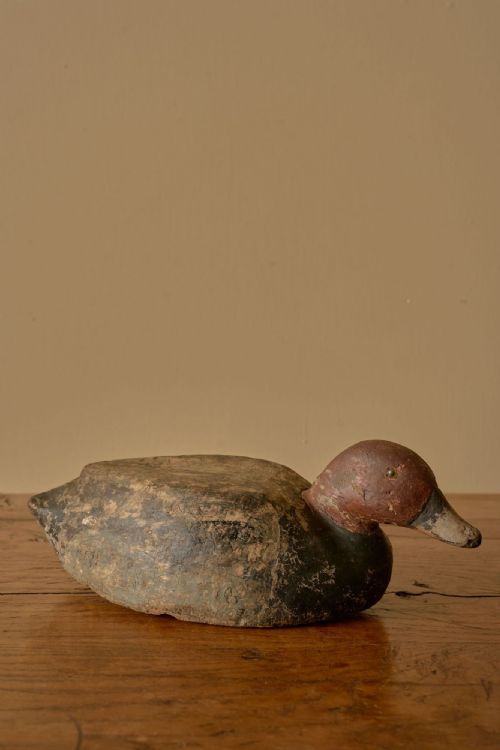
- Utilitarian or decorative objects made within a regional tradition by self-taught or non-academic makers. Examples include carved wooden bears and decoys.
Antique Wood Figure: Frequently Asked Questions
What periods do these figures date from?
The listings span several centuries, starting from sixteenth-century devotional pieces and seventeenth-century saints through to nineteenth-century artist lay figures and early twentieth-century folk carvings.
Each era employs distinct regional carving techniques, ranging from baroque religious traditions to Japanese folk art.
How do I care for antique wood figures?
Keep carved wooden objects away from direct sunlight and sudden temperature shifts, which can cause the wood to split or warp. Dust them gently with a dry, soft brush rather than using liquid polishes.
Polychrome or gilt surfaces require particular caution to avoid lifting delicate pigments or metallic leaf.
What woods were commonly used?
Carvers utilised a variety of timbers depending on origin and purpose, including walnut, cedar, linden wood, and denser regional hardwoods.
European religious works often relied on local fruitwoods or walnut, while Japanese carvings frequently turned to native cedar and softwoods.
Are these figures purely decorative?
While many served decorative or folk functions, such as carved bears and animal studies, others originated as religious icons, devotional figures, or practical studio tools like artist lay figures.
Understanding the original context helps explain whether a piece was made for a church interior, a domestic interior, or an artist's studio.