

Antique Wood Desk Accessory
These antique wood desk accessory pieces bring tactile warmth to a workspace, offering practical utility through carved figures, book slides, and inkstands.
Antique Wood Desk Accessory
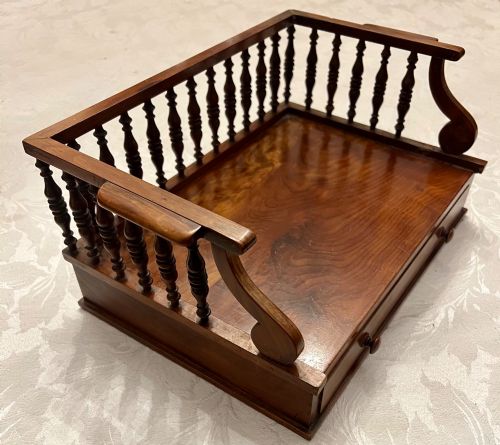
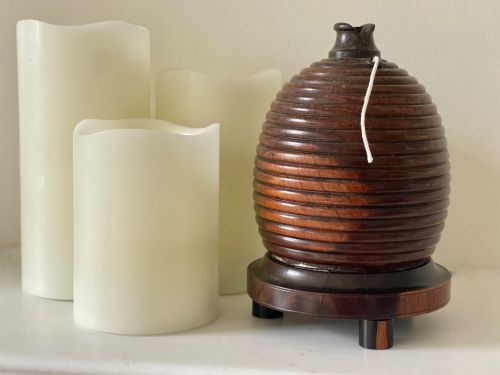
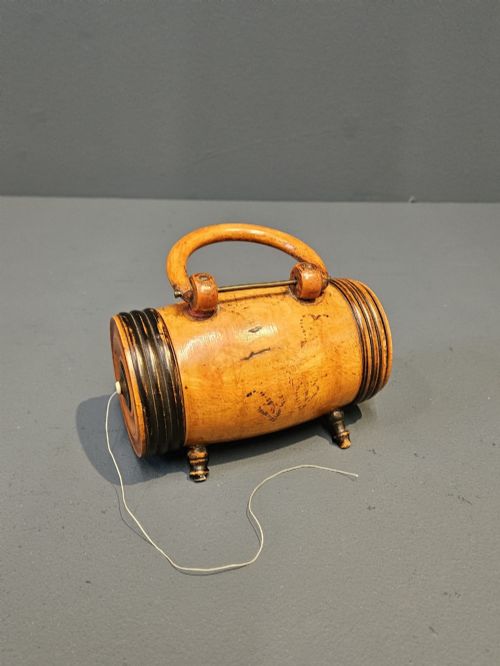
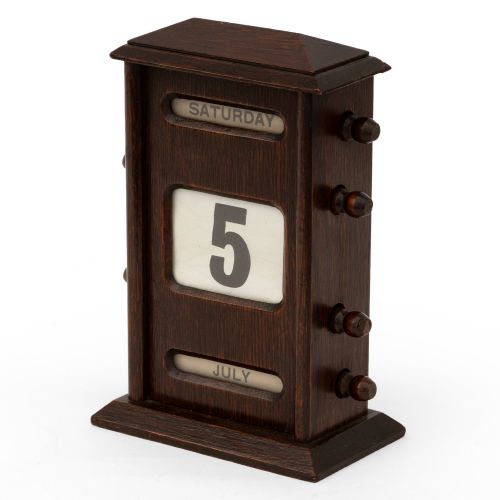
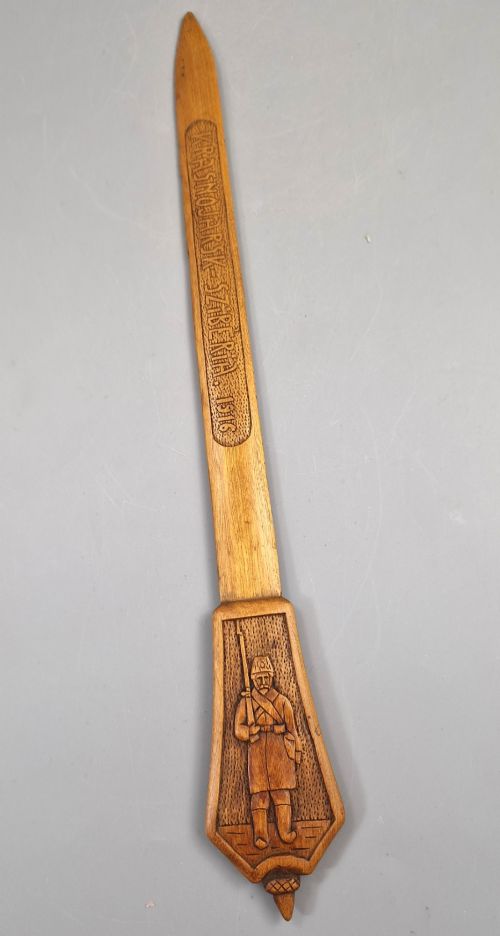
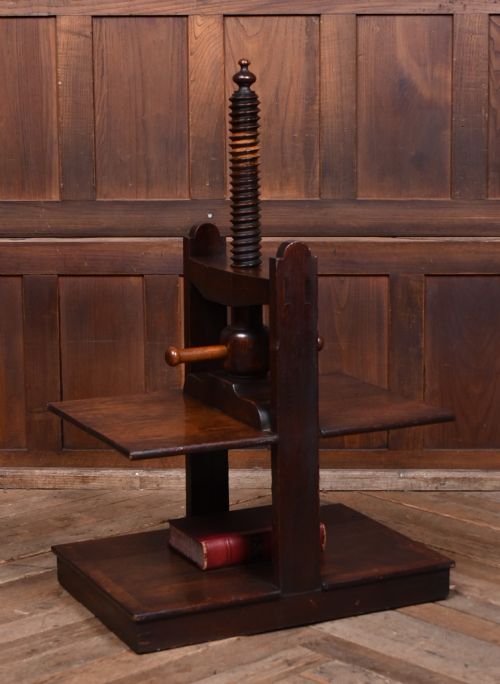
When a buyer searches for an antique wood desk accessory, they encounter items designed to organise correspondence, books, and writing tools on a nineteenth or early twentieth-century table. The selection spans utilitarian items like book presses and calendar stands alongside decorative pieces including match holders, brush pots, and letter openers.
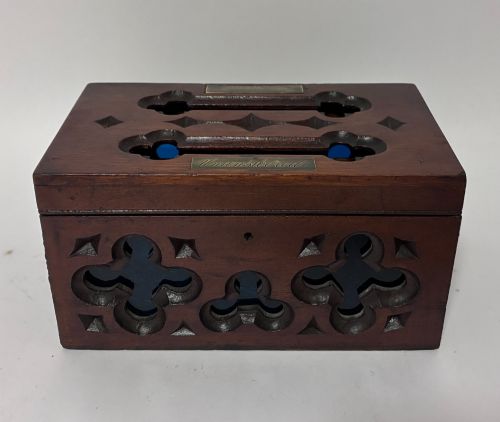
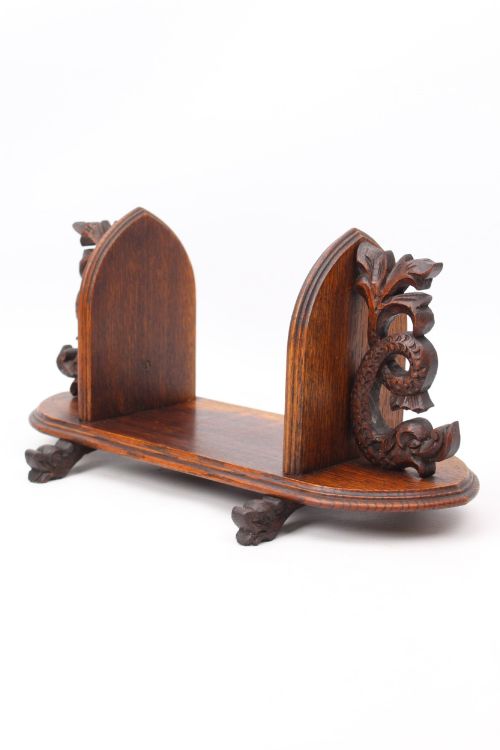
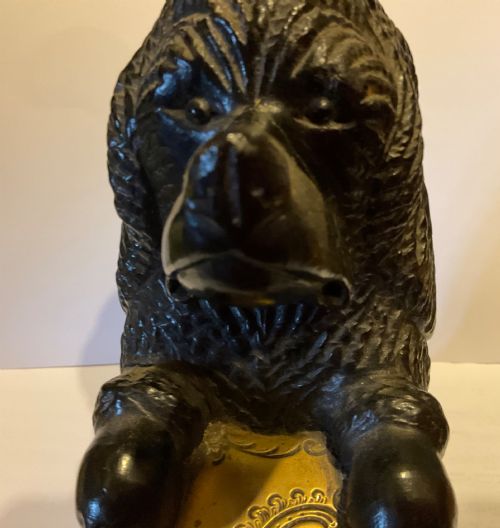
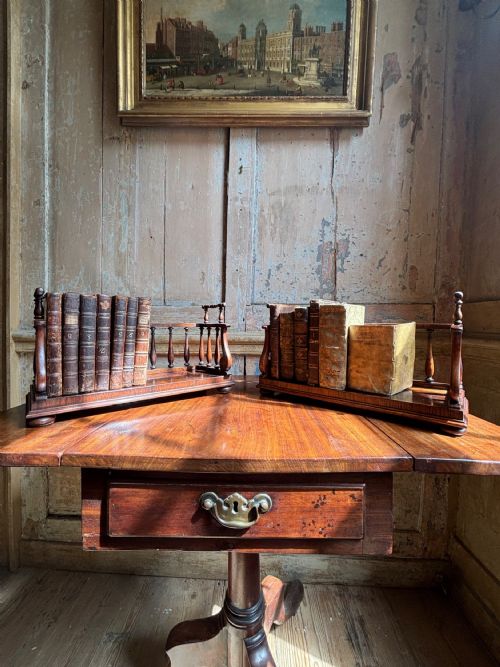
Victorian and Edwardian examples dominate the offerings, constructed from timber varieties such as mahogany, oak, coromandel, and fruitwood. Many pieces incorporate carved animal motifs in Black Forest styles, alongside Gothic Revival inkstands and extending book slides.
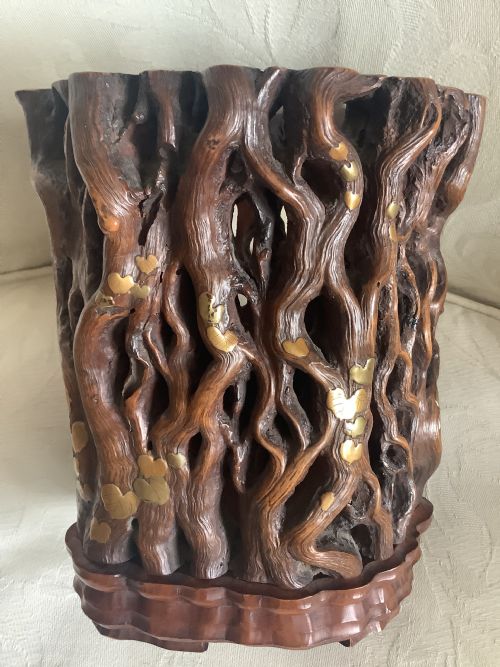
Regional and international varieties appear across the selection, ranging from olive wood pieces originating in Jerusalem to trench art letter openers and Chinese hardwood brush pots.
How they were made
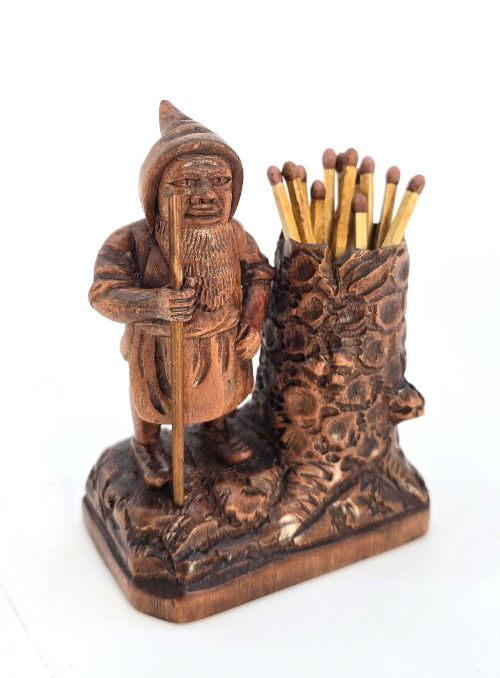
Makers utilised hardwoods including mahogany, oak, yew, rosewood, and coromandel, often combined with brass mounts, glass inserts, and silver details. Carved wood items frequently employ softer limewood or fruitwood to achieve detailed figural forms such as owls, dogs, and gnomes.
Construction techniques include hand carving, turning, and inlays such as Tunbridge ware, alongside mechanical elements seen in extending book slides and hinged-lid desk tidies.
Antique Wood Desk Accessory Retail Price Guide 2026
Typical asking prices for wood desk accessory among the pieces listed under this phrase on Sellingantiques today, from the lower quarter to the upper quarter. They describe what is for sale here now, not the wider market.
Listings feature woods spanning mahogany, oak, yew, rosewood, fruitwood, coromandel, and olive wood, alongside regional items from Jerusalem and China.
What varies in quality
Quality rests in the crispness of the hand carving and the selection of figured timbers, where dense grain and rich natural colour elevate simpler utility items. The integration of secondary materials, such as heavy brass fittings or solid silver mounts, distinguishes standard desk objects from more ambitious works.
Proportion and mechanical execution separate standard items from superior examples, visible in the smooth action of extending book slides, tight joinery on correspondence boxes, and expressive detail in figural Black Forest carvings.
The Antique Wood Desk Accessory Glossary
- Book slide
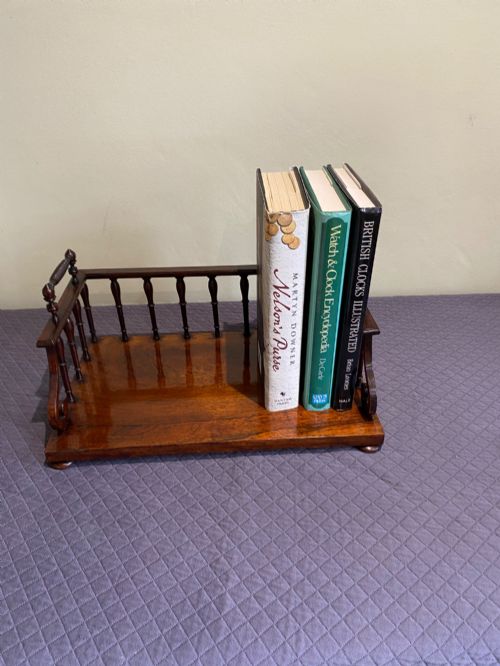
- An extending rack designed to hold a variable number of upright volumes between two end supports. These items often feature hinged or sliding mechanisms in woods like oak, rosewood, or maple.
- Inkstand
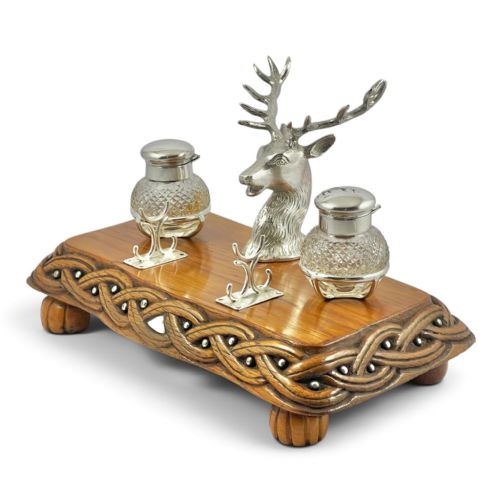
- A desk tray holding one or more inkwells, frequently accompanied by pen troughs and sometimes incorporating sanders or stamp boxes. They appear in materials including mahogany, oak, and coromandel, sometimes with silver or brass mounts.
- Tunbridge ware
- A form of British woodwork characterised by mosaic tile patterns assembled from thousands of tiny dyed wood blocks to form pictorial or geometric designs on boxes and desk accessories.
- Black Forest carving
- Woodwork originating from the Brienz region of Switzerland, typically featuring realistic or whimsical animals such as bears, owls, and dogs carved from lime or walnut.
Antique Wood Desk Accessory: Frequently Asked Questions
What is a desk tidy?
A desk tidy is a compartmentalised wooden box or stand designed to hold small stationery items like stamps, nibs, and sealing wax. These accessories kept flat writing surfaces organised before the widespread use of envelopes.
They often feature hinged lids, divided interiors, and inlaid decorative details. Examples span the Victorian and Edwardian periods in timbers such as mahogany and oak.
How do I date a wooden book slide?
Dating relies on the style of the timber, the presence of mechanical brass extensions, and the complexity of any carved decoration. Victorian pieces often use rosewood or maple with simpler sliding mechanisms.
Later Edwardian and early twentieth-century examples frequently incorporate heavier oak construction or Black Forest animal carvings. Examining the interior joinery and screw types provides additional clues to the era of manufacture.
What were match holders used for?
Match holders and strikers were small desktop or smoking room accessories used to house safety matches and provide an abrasive surface for ignition. They protected matches from moisture while keeping them accessible.
Many take whimsical figural forms, such as carved animals or gnomes holding the striker surface. Materials ranged from carved limewood and fruitwood to pewter and mixed media.
Are these accessories functional today?
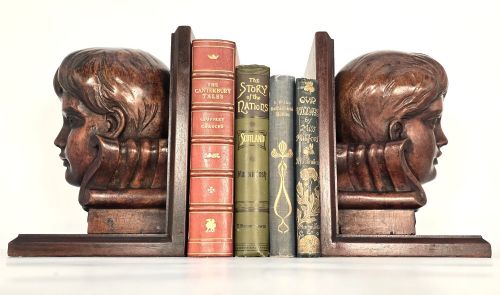
Many antique desk items remain entirely practical for modern workspaces, from bookends and letter openers to perpetual calendars and pen trays. Extending book slides hold modern hardbacks securely on shelves or desks.
Inkstands and stamp boxes adapt easily to store contemporary small items like paperclips, memory sticks, or business cards. Their robust construction in dense hardwoods ensures they withstand daily handling.