

Antique Wood Curves
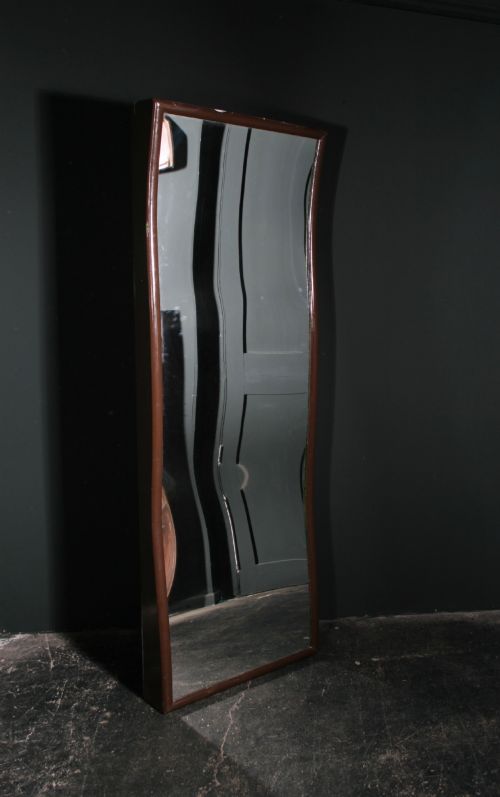
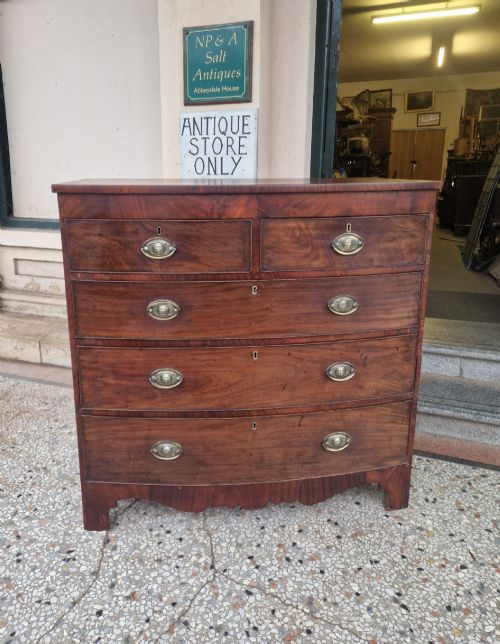
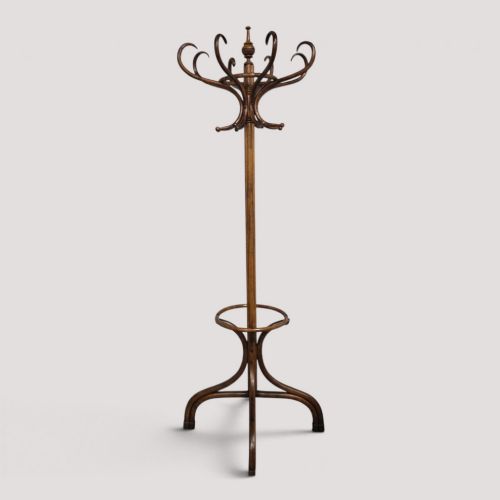
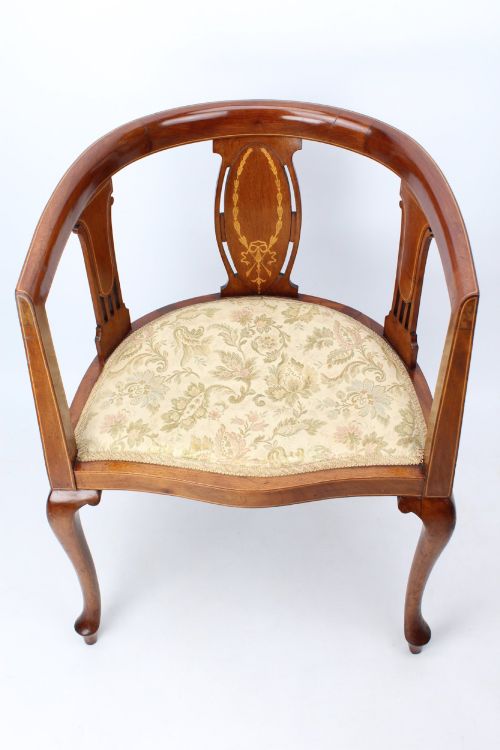
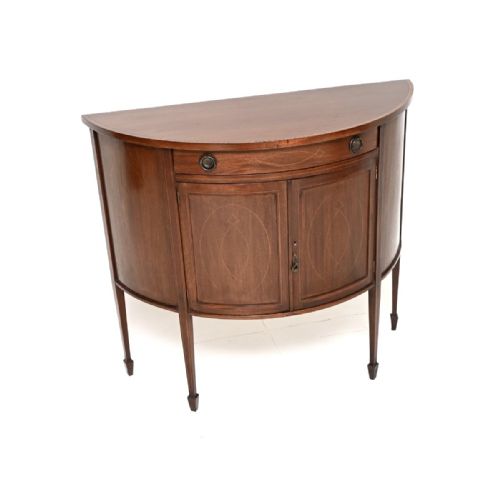
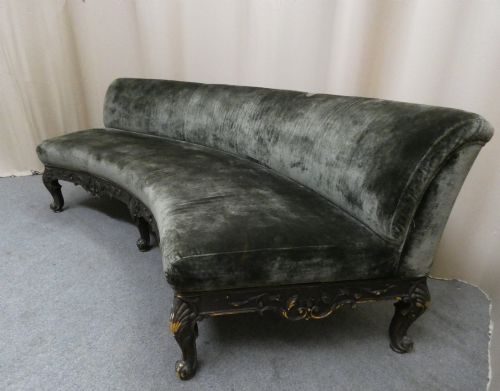
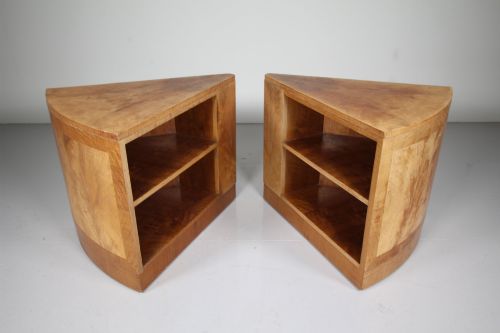
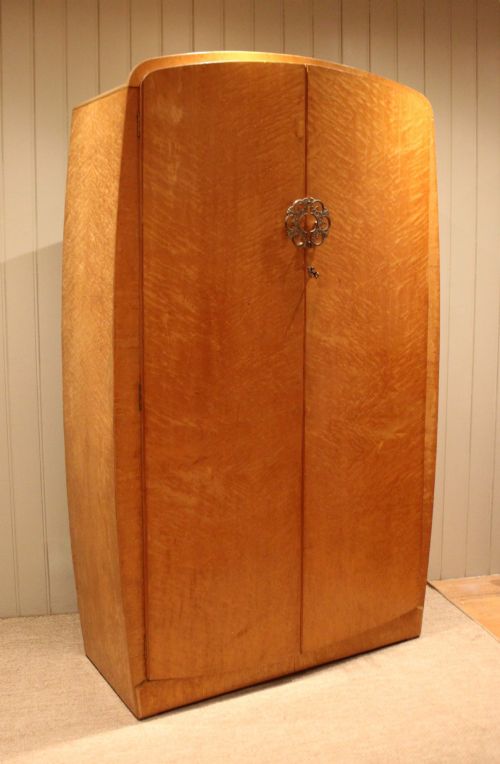
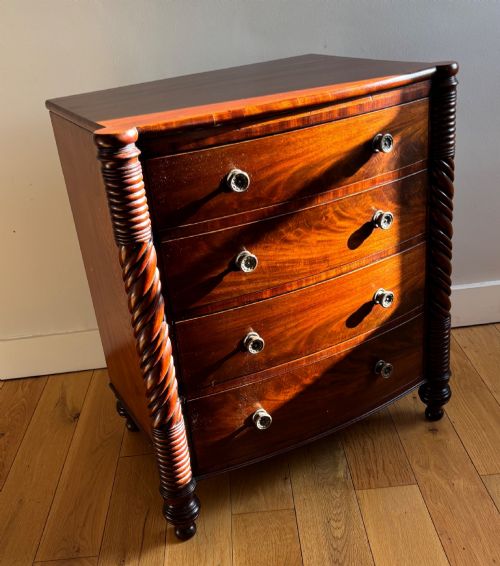
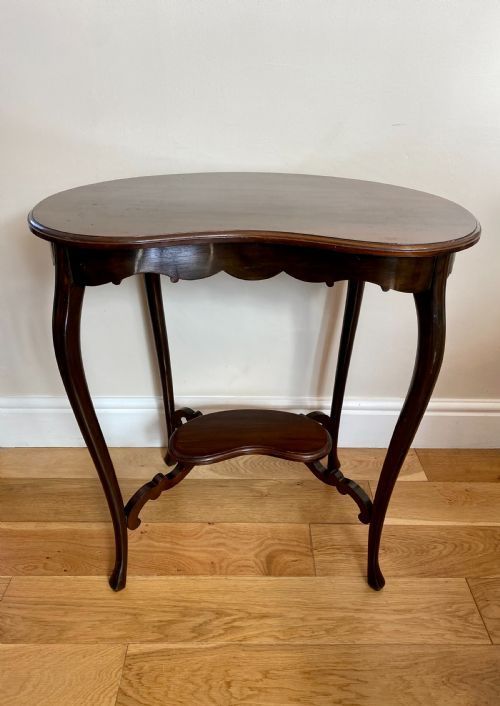
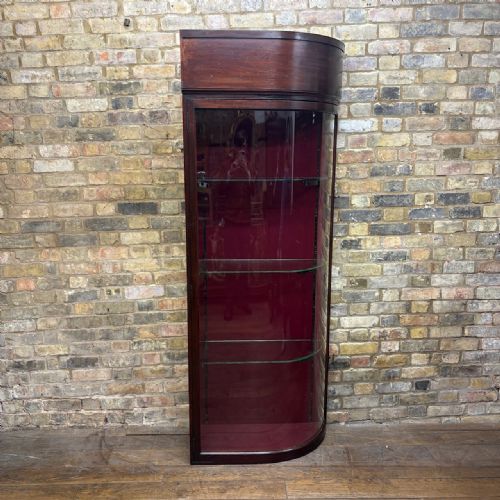
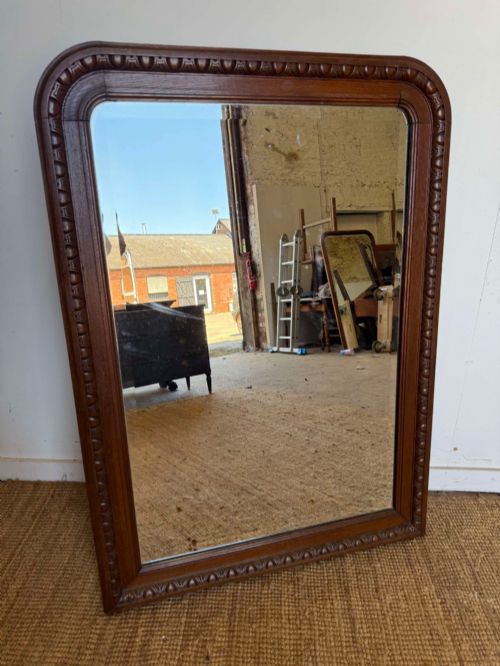
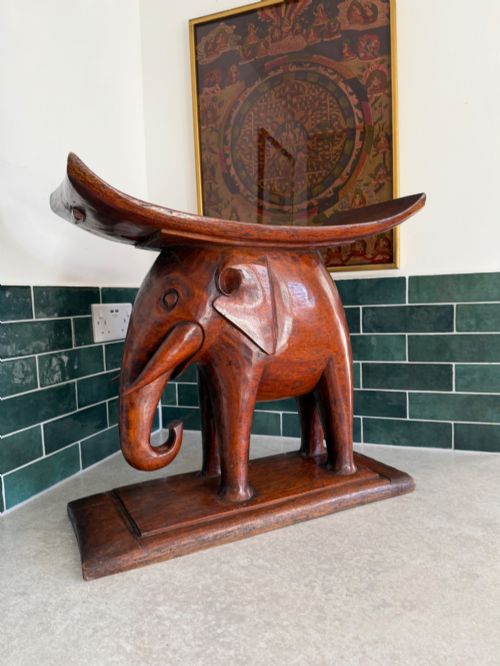
These antique wood curves gather pieces shaped by the drawer front, the serpentine edge, or the bent frame, offering functional form with tactile warmth.
Antique Wood Curves
When searching for antique wood curves, buyers encounter pieces where straight lines yield to rounded silhouettes, most notably in chest of drawers fronts, sideboards, and occasional tables. These forms emerge across multiple eras, ranging from Georgian and Regency craftsmanship to Victorian designs and Art Deco creations.
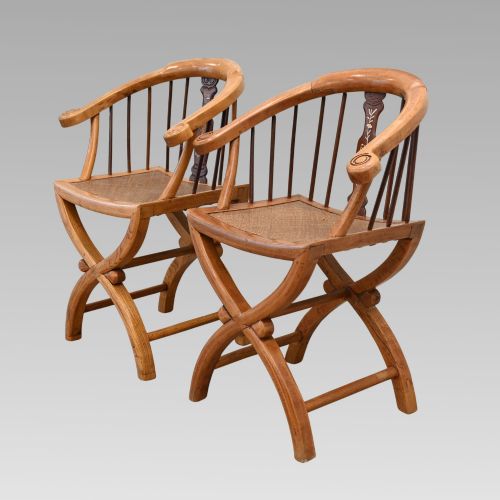
The most common manifestations on this page are bowfront and serpentine chests of drawers, alongside cabinets, desks, and seating that utilise curved timber. Mahogany, walnut, satin birch, and maple dominate the selection, often shaped into graceful sweeps and rounded corners.
Origin points vary widely, taking in English workshops, Swedish studios, and French makers. Each piece demonstrates how historical cabinetmakers manipulated timber to soften domestic spaces.
Distinguishing quality in curved woodwork
Quality rests in the handling of the timber and the integrity of the curved form. Superior pieces maintain smooth, consistent sweeps across drawers and doors without distortion or uneven shrinking in the grain.
The selection of veneers, such as flame mahogany or figured walnut, dictates visual depth. Master cabinetmakers match grain patterns symmetrically across rounded surfaces, ensuring the wood complements the architectural line of the piece.
Antique Wood Curves Retail Price Guide 2026
Typical asking prices for wood curves among the pieces listed under this phrase on Sellingantiques today, from the lower quarter to the upper quarter. They describe what is for sale here now, not the wider market.
A lone briar pipe with silver mounting sits quietly among the heavy timber cabinets and sweeping chairs.
The Antique Wood Curves Glossary
- Bowfront
- A convex front projecting outward in a curve. This shape appears frequently on chests of drawers and sideboards from the Georgian and Regency periods.
- Serpentine
- A curved line that waves inward at the centre and outward at the ends. It demands high skill from the cabinetmaker to shape timber precisely.
- Biedermeier
- A Central European style spanning the nineteenth century known for clean lines and polished veneers. Satin birch and mahogany are typical of this aesthetic.
- Bentwood
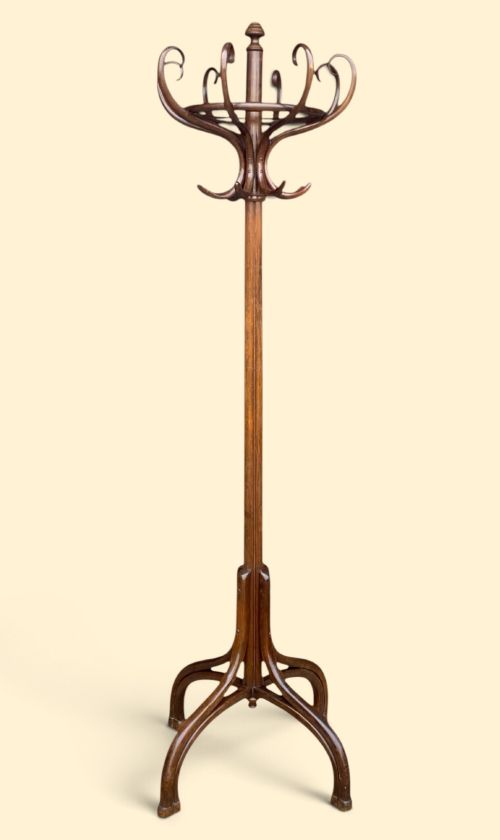
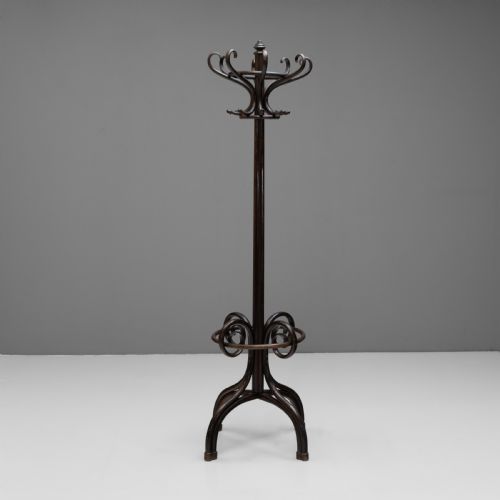
- Wood shaped by steaming and bending it into rounded forms. This technique created chairs, settees, and hat stands during the later nineteenth and early twentieth centuries.
Antique Wood Curves: Frequently Asked Questions
What periods do these curved pieces come from?
The selection spans several centuries, taking in Georgian, Regency, Victorian, and Edwardian eras. Later twentieth-century items from the Art Deco period also appear.
Craftsmen across these periods applied curved timber to various furniture types, from chests of drawers to seating and tables.
Where were these curved items made?
Origin locations include English, French, and Swedish workshops. Regional preferences influenced the choice of timber, such as satin birch in Sweden and mahogany in England.
Imported woods like amboyna also travelled to European cabinetmakers for specialist decorative work.
How do I care for figured wood surfaces?
Keep wooden furniture away from direct sunlight and sudden temperature changes to protect the veneers. Regular polishing with appropriate wax maintains the lustre of the grain.
Avoid placing damp items directly onto the timber to prevent marking the polished finish.