

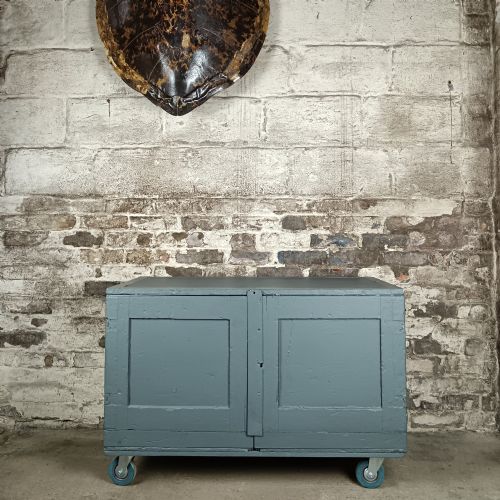


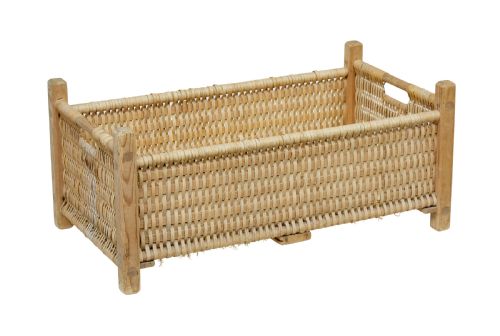


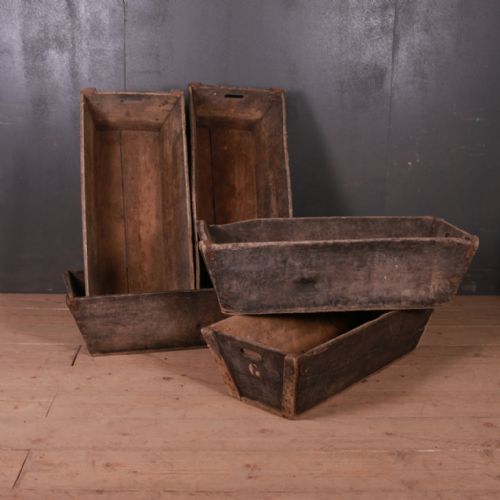


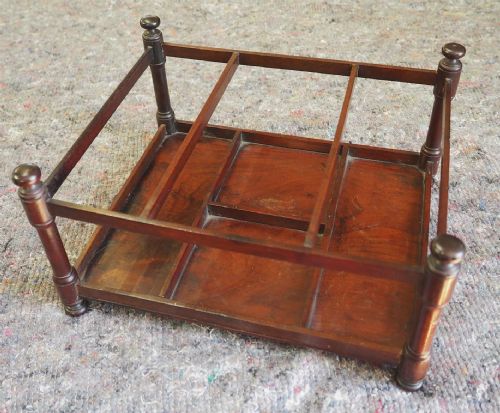


Antique Wood Crate
These antique wood crate pieces combine rugged utility with storied craftsmanship, offering practical storage anchored in history.
Antique Wood Crate
An antique wood crate serves as a tangible link to utilitarian history, encompassing heavy-duty transport cases, country house log bins, and hand-woven pine baskets. These items originate from diverse traditions such as Scandinavian country workshops, French provincial estates, and military campaigns.
The selections available here lean heavily toward sturdy pine construction, iron-banded storage chests, and specialised utility boxes like campaign cases or ammunition storage. Buyers encounter everything from rustic Swedish log boxes to French grape bins designed for heavy agricultural labour.
Each piece bears the marks of its former working life, whether through traces of original paint, iron reinforcement straps, or the warm patina of aged timber. They function today as practical domestic storage for logs, textiles, and household items while maintaining their distinct period character.
How they were made
Makers constructed these storage pieces using durable domestic timbers, primarily selecting pine and hardwood for strength during transport and daily use. Craftsmen reinforced vulnerable corners and lids with iron bands, metal brackets, and heavy fasteners to withstand the rigours of travel and agricultural labour.
Joinery methods varied according to the intended purpose, ranging from tight-fitting dovetail joints on refined boxes to robust nailed construction on ammunition cases and transport trunks. Artisans also utilised hand-weaving techniques with wood splints and pine for flexible baskets and log storage.
Antique Wood Crate Retail Price Guide 2026
Typical asking prices for wood crate among the pieces listed under this phrase on Sellingantiques today, from the lower quarter to the upper quarter. They describe what is for sale here now, not the wider market.
Materials documented across the inventory include pine, hardwood, iron, metal, timber, paint, and wood splint.
What varies in quality
The integrity of the original construction and the preservation of structural hardware distinguish superior examples from standard utility items. Pieces retaining their original iron banding, hinges, and authentic surface paint exhibit a higher degree of historical survival.
The choice of timber and the sophistication of the joinery also indicate the original tier of production, moving from simple farmyard containers to specialised military campaign chests and fitted apothecary boxes.
The Antique Wood Crate Glossary
- Campaign case
- A portable chest or box built for military officers on the move, typically featuring recessed brass handles and reinforced corners. These items were designed to dismantle or pack efficiently for long journeys.
- Log bin
- A heavy container, often banded in iron, used historically in country houses for storing and transporting firewood beside a hearth. They frequently employ robust pine or hardwood construction.
- Wood splint
- Thin, flexible strips of wood shaved or peeled from a log, traditionally soaked and interwoven to create sturdy agricultural baskets and storage containers. This technique requires considerable skill to ensure even tension.
- Apothecary box
- A specialised fitted wooden chest designed to securely hold glass medicine bottles, scales, and compounding ingredients. These interiors often feature intricate small compartments and secure locking lids.
Antique Wood Crate: Frequently Asked Questions
How do I clean an old pine crate?
Dust the surfaces gently with a soft, dry cloth to remove loose particles without disturbing the aged patina. Avoid harsh chemical cleaners or excessive water, which can damage historic wood and residual paint.
Apply a microcrystalline wax sparingly if the timber appears dry, buffing it gently after application. This preserves the surface sheen while protecting the wood from further moisture loss.
Are these crates strong enough for daily use?
Most of these pieces were originally built for heavy industrial, military, or agricultural labour, making them inherently robust. Iron banding and solid pine construction generally provide ample durability for modern domestic storage.
Inspect the internal joints and base boards to ensure they remain stable under weight. Lighter woven baskets require more careful handling than solid timber trunks or ammunition cases.
How can I tell the period of a wooden box?
Examine the type of fixings, fasteners, and tool marks visible on the interior and exterior surfaces. Hand-forged iron nails, dovetail joints, and specific wood preparation methods often point toward nineteenth-century craftsmanship.
Consider the historical context of the object, such as military campaign hardware or French provincial grape harvesting forms. Comparing these details against known period typologies helps narrow down the date of manufacture.
Where did French grape bins come from?
French grape bins originated in vineyard regions where sturdy wooden containers were essential for gathering and transporting harvested fruit during the autumn crush. Workers relied on these deep vessels to move heavy loads from the vines to the press house.
Over time, surviving examples transitioned from agricultural tools to decorative home accessories. Their weathered timber surfaces and generous proportions make them popular for modern fireside storage.