
Antique Wood Coat Rack
An antique wood coat rack brings immediate character to a hallway, combining practical utility with the rich tones of mahogany, oak and bentwood.
Antique Wood Coat Rack
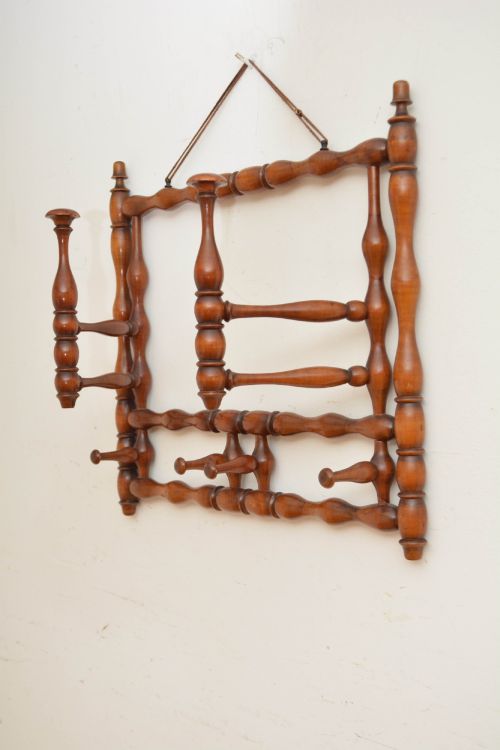
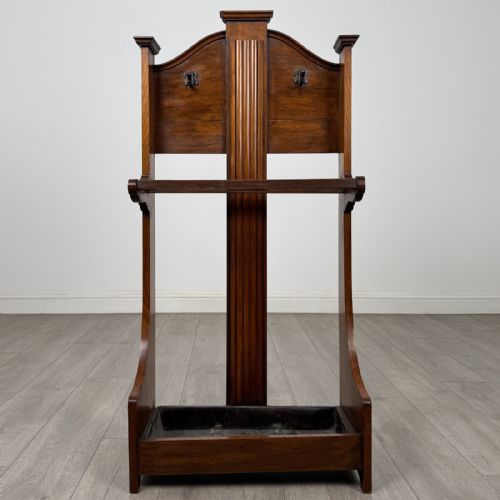
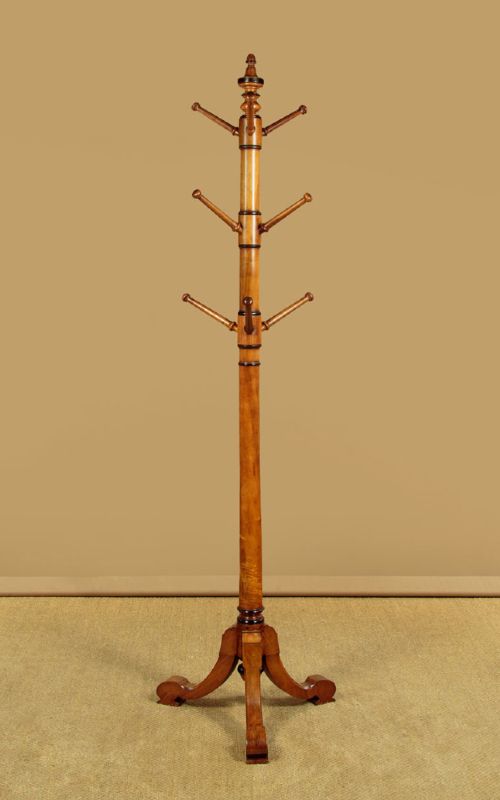
An antique wood coat rack serves as both a functional entrance utility and a striking piece of period furniture. When searching for an antique wood coat rack, buyers encounter everything from wall-mounted hooks on oak boards to towering freestanding hall stands.
The selection ranges widely across the nineteenth and early twentieth centuries. Pieces span robust Victorian country house designs, elegant Edwardian mahogany wall racks and sinuous bentwood creations originating from Austrian and French workshops.
How they were made
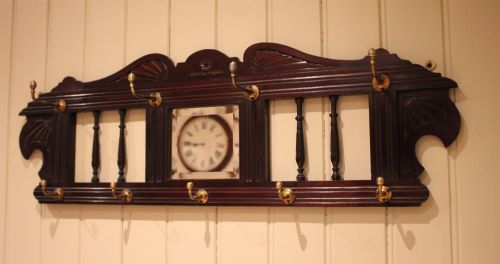
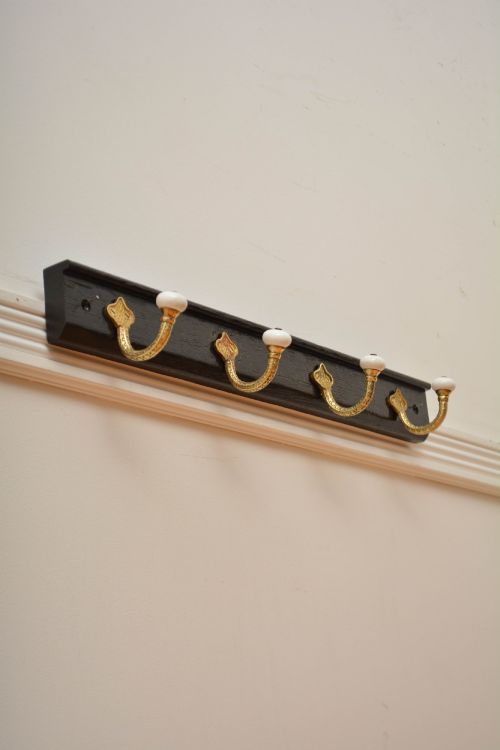
Cabinetmakers and manufacturers utilised solid timbers such as mahogany, oak and beech to build durable frames capable of holding heavy winter garments. Solid wood backplates often received ebonised finishes to contrast sharply with mounted brass hooks, ceramic points or iron hardware.
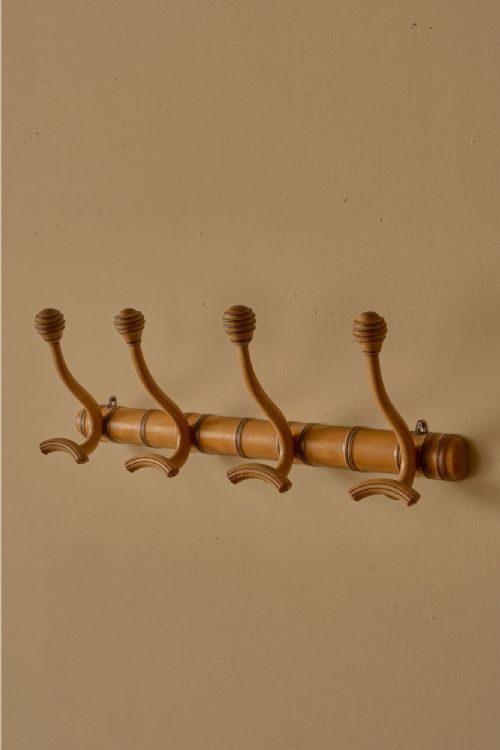
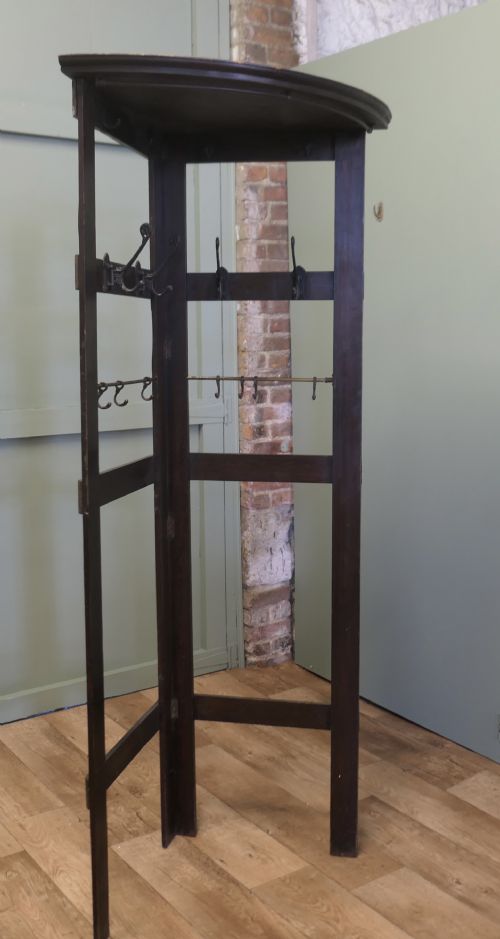
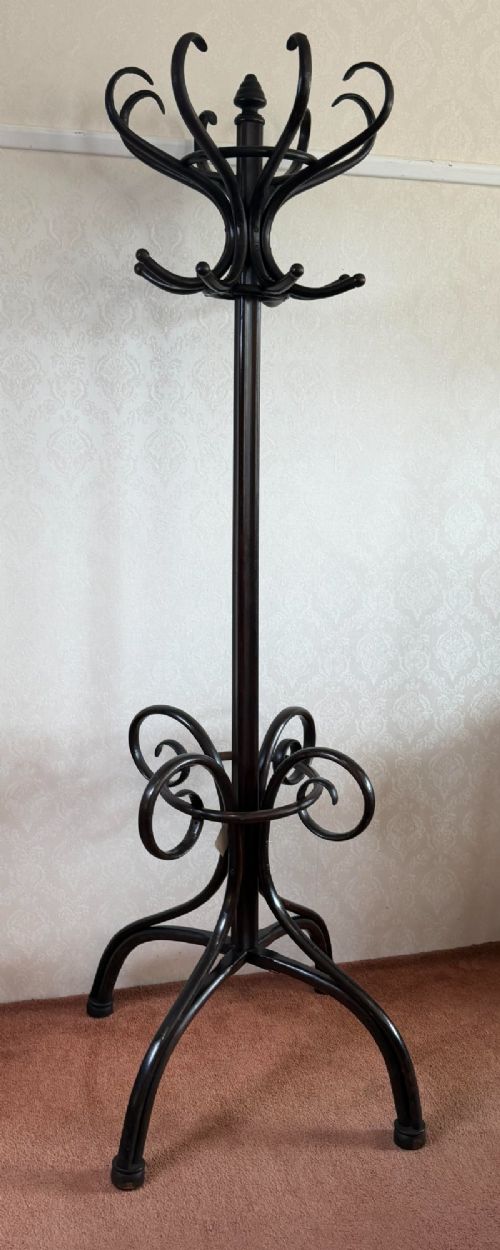
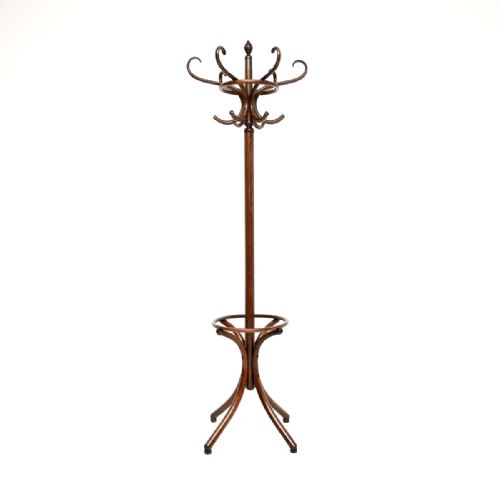
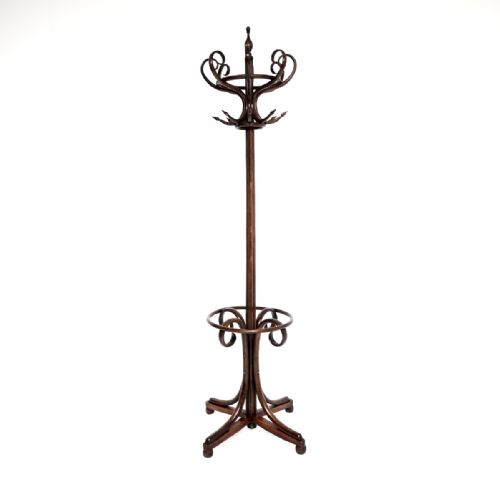
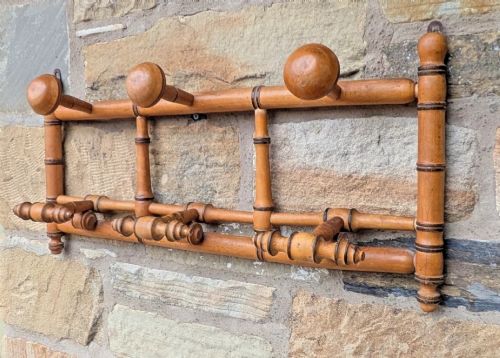
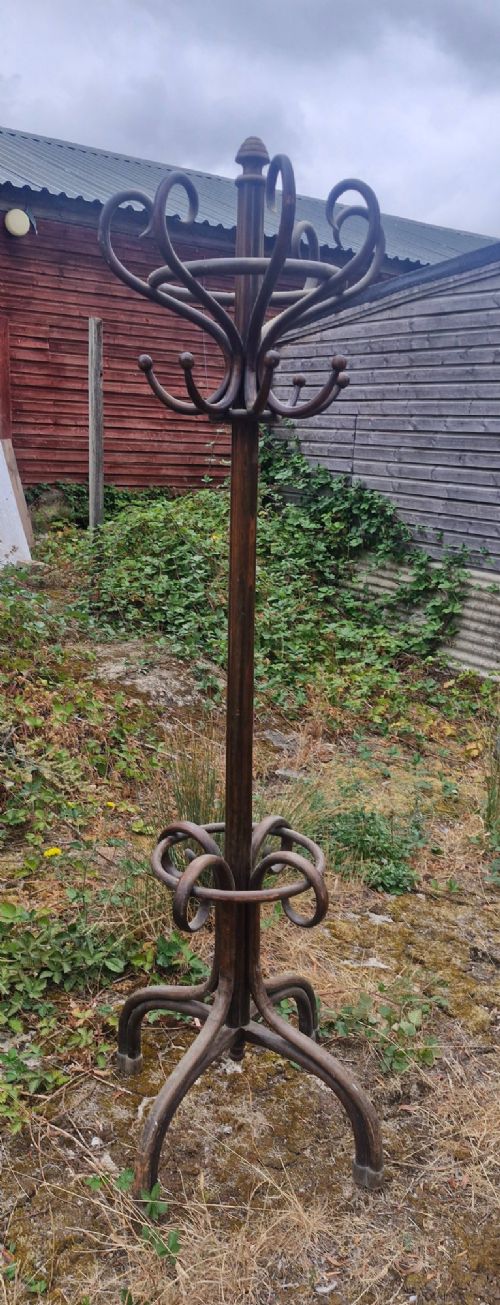
Bentwood production relied on steaming timber until flexible, allowing craftsmen to curve beech and beechwood into fluid, rounded forms for stands and demi-lune hall pieces. Faux bamboo techniques involved shaping wood to mimic natural cane, demonstrating considerable artisan skill during the nineteenth century.
Listings feature oak, mahogany, beechwood and bentwood combined with brass, iron and glass elements.
What varies in quality
The distinction between ordinary utility items and superior examples lies in the integrity of the construction and the refinement of the materials. High quality pieces exhibit substantial timber thicknesses, well-joined frames and robust mounting points that withstand daily use without distortion.
Decorative detailing elevates certain pieces significantly above standard workshop output. Finely cast brass hooks, integrated bevelled mirrors, ceramic inserts and the distinctive branding of makers like Thonet separate exceptional examples from simpler utilitarian racks.
Thonet
The Antique Wood Coat Rack Glossary
- Bentwood
- Wood shaped by steaming and bending it into curved forms. This technique created lightweight yet resilient coat stands and revolving hat trees.
- Hall stand
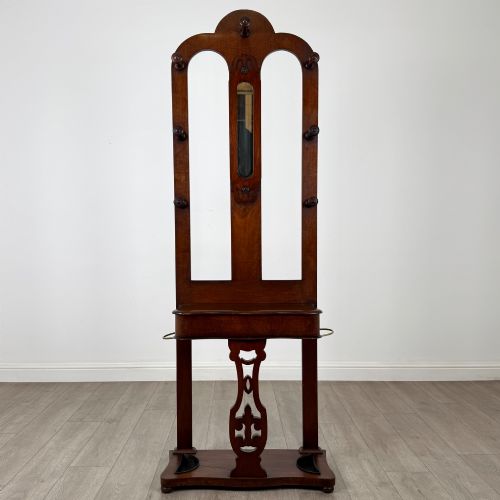
- A piece of furniture placed in an entrance hallway. It typically combines coat hooks, a mirror, umbrella storage and sometimes a small seat.
- Ebonised
- Wood treated with a dark stain or finish to imitate ebony. This treatment provided a dramatic, formal contrast against polished brass hooks.
- Demi-lune
- A half-moon shape. Hall stands and coat racks built in this profile sit flush against hallway walls to save valuable floor space.
Antique Wood Coat Rack: Frequently Asked Questions
How do I mount a wall rack safely?
Wall-mounted racks require secure fixings into structural timber or solid masonry rather than just plasterboard. Because these pieces were designed to bear the weight of heavy coats and umbrellas, proper anchoring ensures safety in daily use.
Distributing weight evenly across the available screw holes prevents strain on the wooden backplate. Using appropriate wall plugs or screws matching the age and style of the piece completes the installation correctly.
What is the difference between a coat rack and a hall stand?
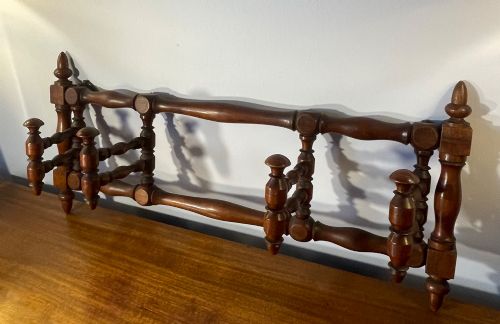
A coat rack is typically a wall-mounted board featuring several hooks for hanging garments and hats. These units focus purely on wall storage and take up minimal floor space in compact entranceways.
A hall stand is a larger, freestanding item of furniture that often incorporates a mirror, umbrella wells, glove drawers and multiple coat hooks. These grand pieces served as the central organising hub in Victorian and Edwardian entrance halls.
How do I care for antique wood and brass?
Maintaining the finish involves applying a quality beeswax periodically to nourish the mahogany, oak or beech timber. Avoid placing wooden items near direct heat sources or in damp environments to prevent warping and cracking.
Brass hooks benefit from gentle cleaning with a soft cloth to preserve their natural patina rather than aggressive polishing. Keeping the metal free from dust ensures the original lustre remains untouched.
How do I identify a bentwood piece?
Bentwood pieces feature smooth, continuous curved wooden components without visible corner joints. Makers achieved these flowing lines by steaming beechwood until pliable and bending it into shape.
These lightweight structures often include rounded loops and circular frames designed for hats and coats. Many examples bear the distinct stamps or labels of prominent manufacturers like Thonet.