



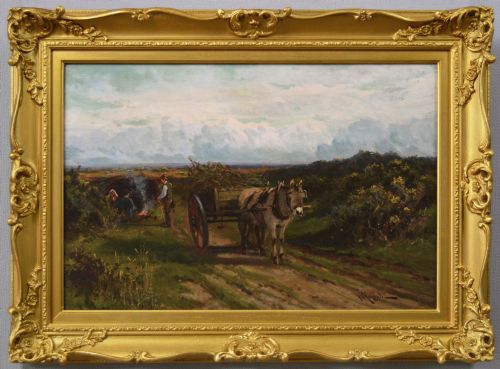

Antique Wood Cart
An antique wood cart brings rustic charm and practical utility to a room, ranging from folding tea trolleys to scale models.
Antique Wood Cart
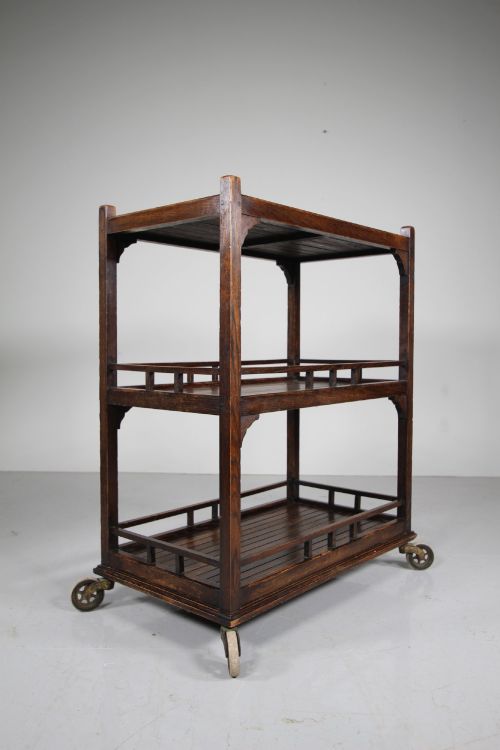
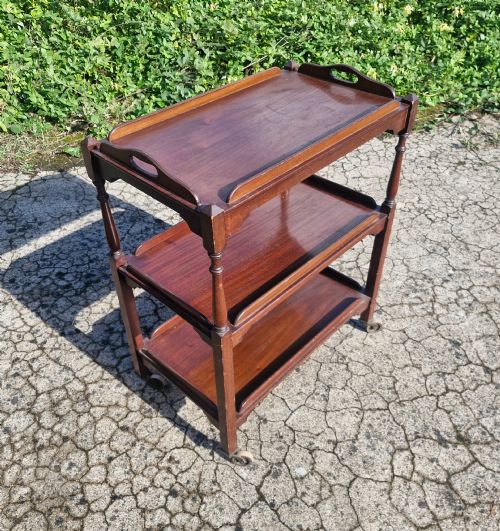
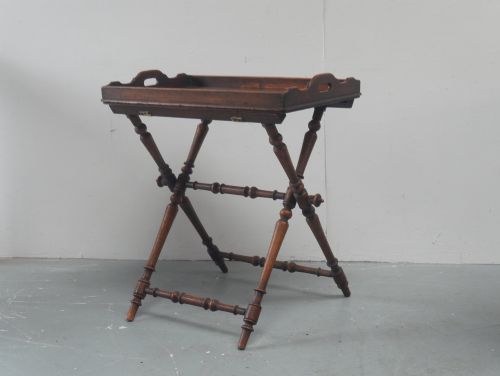
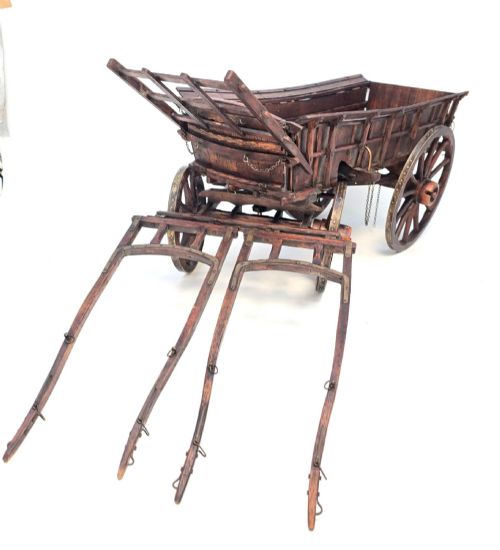
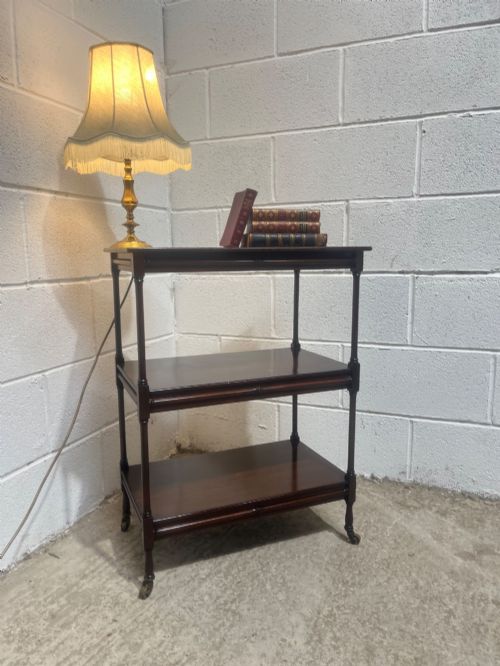
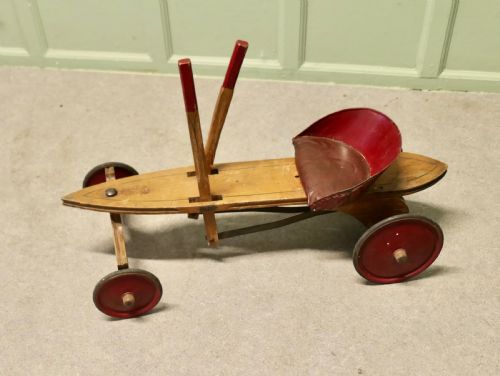
An antique wood cart covers a diverse selection of wheeled items and related wooden objects spanning from the Georgian era through to the 1930s. Buyers searching for an antique wood cart will encounter various forms, including tiered tea trolleys, cocktail and drinks carts, children's vehicles, and scale models.
The physical origins of these pieces stretch across different stylistic traditions, encompassing English vernacular pieces, French Art Deco designs, and Indian carved hardwood furniture. Each item reflects the functional transport needs of its period, whether for serving afternoon tea or hauling loads on a farm.
Construction and materials
Timber selection defines the primary structure of these pieces, with mahogany, walnut, oak, and general hardwoods utilised extensively by makers. Joinery methods vary from simple folding mechanisms on Edwardian tea trolleys to intricate deep relief carving found on Indian Raj period panels.
Metal components frequently complement the woodwork, incorporating brass galleries, iron fittings, and silver-plate accents on serving carts. Glass and painted surfaces also appear, particularly on Art Deco cocktail trolleys and decorative architectural fragments.
Antique Wood Cart Retail Price Guide 2026
Typical asking prices for wood cart among the pieces listed under this phrase on Sellingantiques today, from the lower quarter to the upper quarter. They describe what is for sale here now, not the wider market.
Object types range widely from serving trolleys and log bins to scale models, children's toys, and painted cart doors.
Judging quality in wooden carts and trolleys
The refinement of the timber and the sophistication of the joinery set finer pieces apart from simpler domestic examples. Figured veneers like burr amboyna and walnut elevate Art Deco serving trolleys, while crisp, deep carving distinguishes hardwood items.
Hardware integration also dictates standard, where cast brass galleries, solid wheel construction, and functioning drop-leaves or folding tops demonstrate superior craftsmanship. The balance between decorative appeal and mechanical utility governs the standing of each piece.
The Antique Wood Cart Glossary
- Tea trolley
- A small mobile table designed for serving tea, typically featuring multiple tiers and castors for easy movement around a room.
- Raised gallery
- A low protective border running along the edge of a tray or shelf to prevent items from sliding off during transport.
- Art Deco
- A design style characterised by sleek geometric shapes, stylised motifs, and luxurious materials that gained prominence during the 1920s and 1930s.
- Vernacular folk art
- Objects created by traditional makers or craftsmen using local materials, prioritising utility and regional style over high-fashion aesthetics.
Antique Wood Cart: Frequently Asked Questions
What were tea trolleys used for?
Tea trolleys served as mobile surfaces for transporting tea sets, crockery, and refreshments between the kitchen and the drawing room in period homes.
Their tiered design allowed hosts to clear and set spaces efficiently without multiple trips.
How do I date a wooden trolley?
Dating relies on identifying stylistic markers, timber choices, and mechanical fittings characteristic of periods like the Georgian era, Victorian times, or the 1930s.
Art Deco examples typically display geometric walnut veneers, whereas Edwardian pieces often feature lighter inlaid oak or mahogany.
Can I use an antique cart as a bar?
Many period tea trolleys and drinks carts adapt readily to contemporary home bar use, especially Art Deco designs equipped with glass and brass.
Their mobility and multi-tiered shelving provide practical storage for bottles and glassware.
Are these carts suitable for daily use?
Sturdy construction in hardwoods like mahogany and oak generally allows for everyday domestic service.
Care should be taken with delicate folding mechanisms, antique castors, and polished wood surfaces exposed to moisture.