
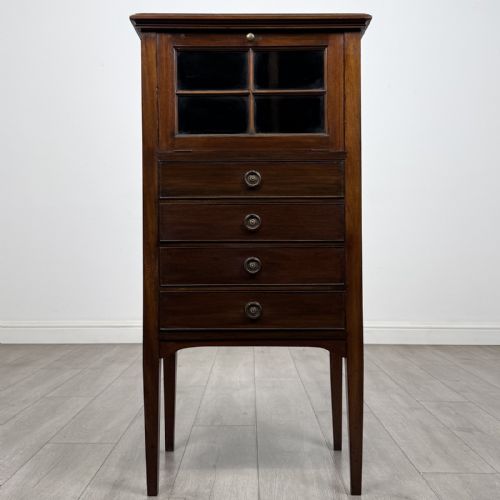
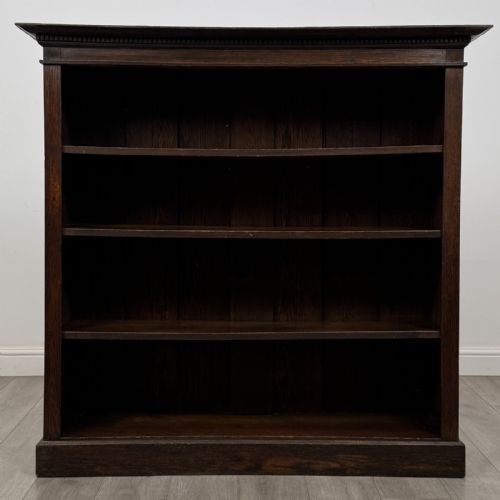
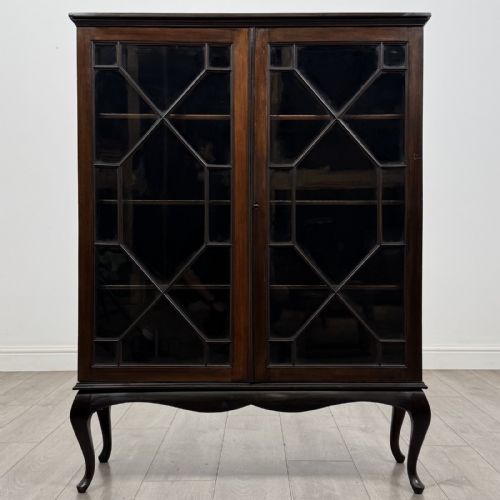
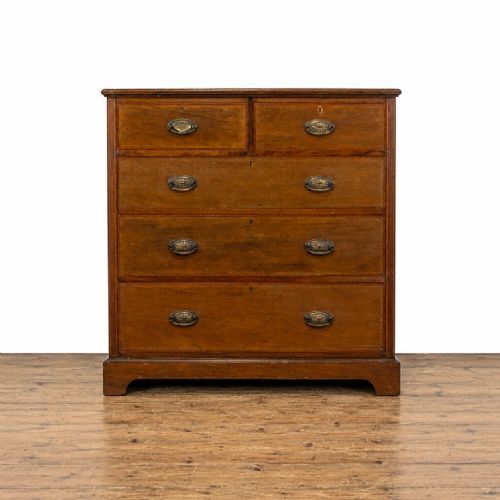
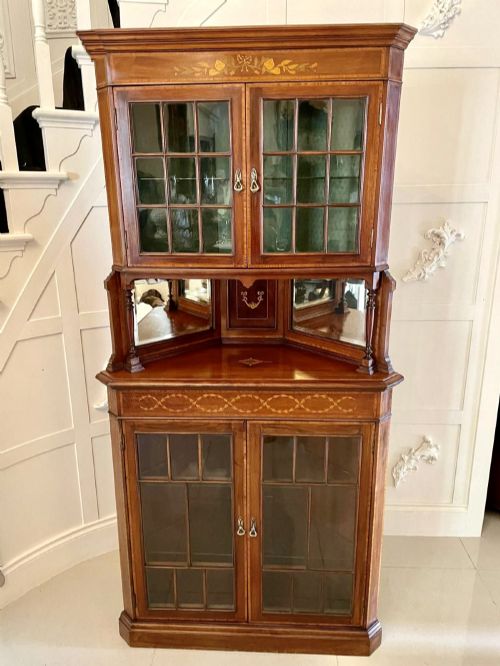
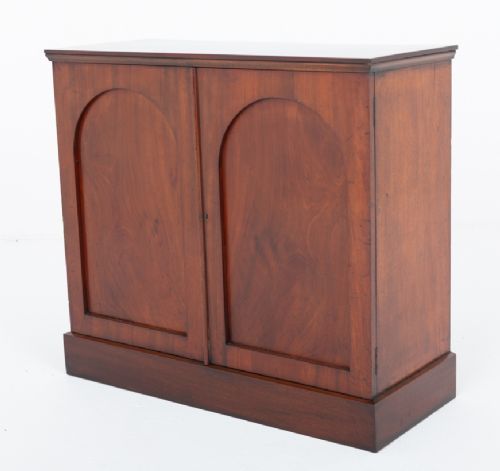
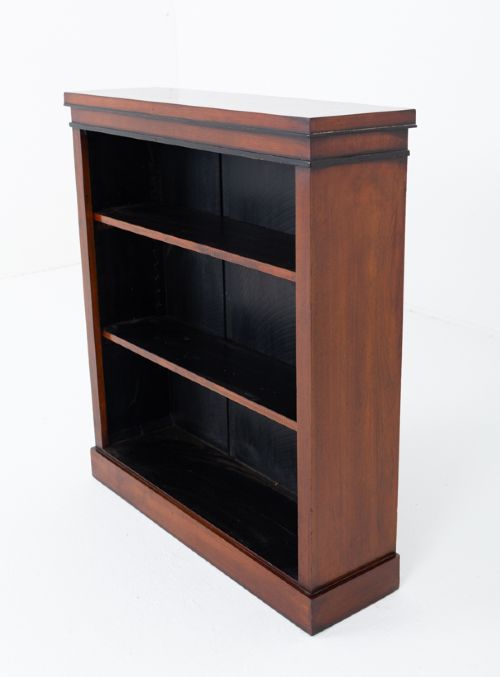
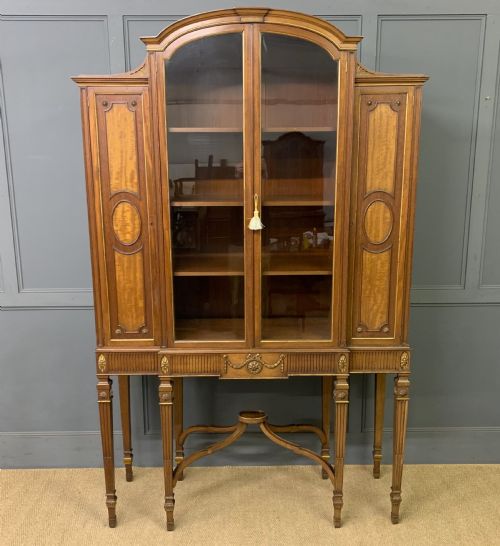
Antique Wood Cabinet
An antique wood cabinet brings enduring utility and timber grain to a room, offering everything from Georgian bookcases to Edwardian display pieces.
Antique Wood Cabinet
The selection ranges from early oak bureau bookcases and Jacobean revival pieces to refined mahogany breakfronts and satinwood crossbanded sideboards. Construction dates span from the seventeenth century through to the art deco period, reflecting shifting domestic needs for storage and display across generations.
Materials and Construction
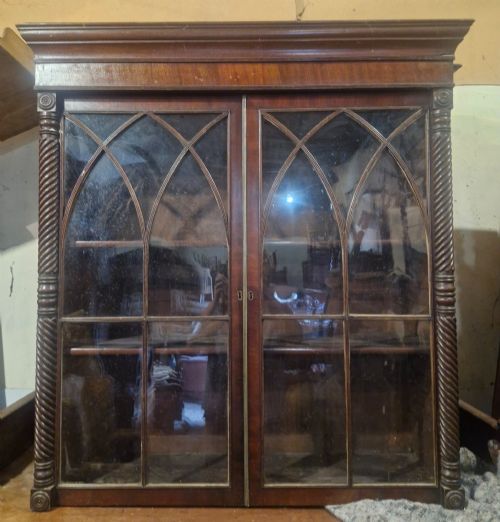
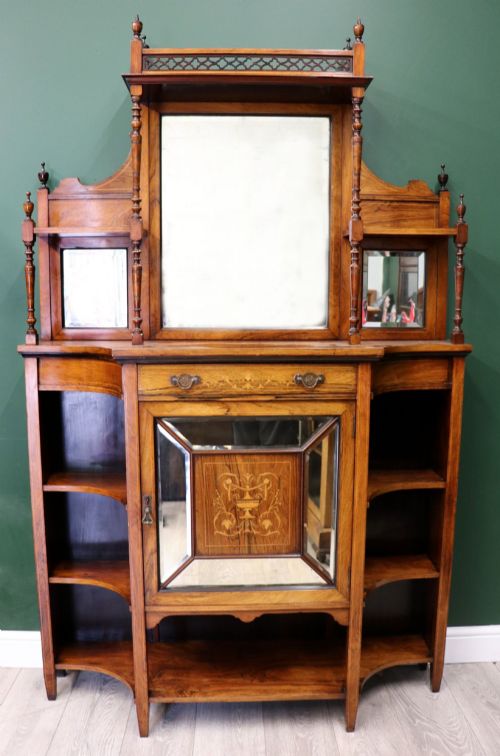
Cabinet makers utilised dense hardwoods such as mahogany, oak, walnut, and rosewood, often pairing them with contrasting timbers like satinwood and amboyna for inlay and crossbanding. Secondary woods provided structural stability within drawers and carcases, whilst glass panels permitted the display of books and porcelain.
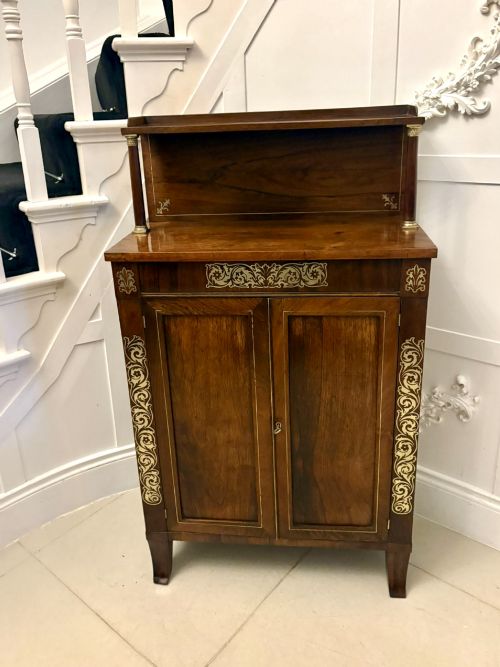
Metal hardware such as brass handles and hinges added functional accents to drawers and cupboard doors. Carved panels, raised galleries, turned legs, and claw and ball feet demonstrate the decorative joinery techniques employed by period craftsmen.
Listings feature items spanning the 17th, 18th, 19th, and 20th centuries, utilising oak, mahogany, walnut, satinwood, and rosewood.
Assessing Quality and Craftsmanship
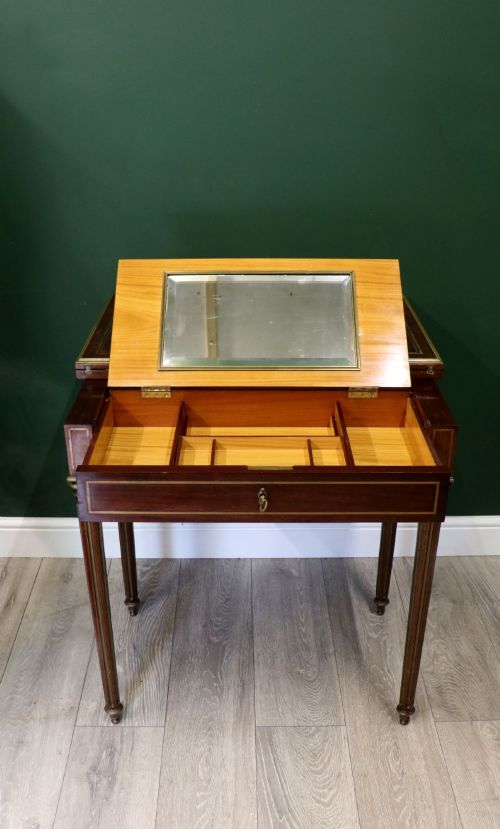
Superior examples distinguish themselves through the selection of finely figured timber veneers, precise marquetry, and balanced proportions across the piece. The integration of fitted interiors, secret compartments, adjustable shelves, and astragal glazing denotes higher workshop standards.
The crispness of hand-carved details, the neatness of dovetail joints in drawers, and the retention of original brass hardware separate utilitarian storage from finer parlour and drawing-room furniture.
John Moyr Smith
The Antique Wood Cabinet Glossary
- Astragal glazing
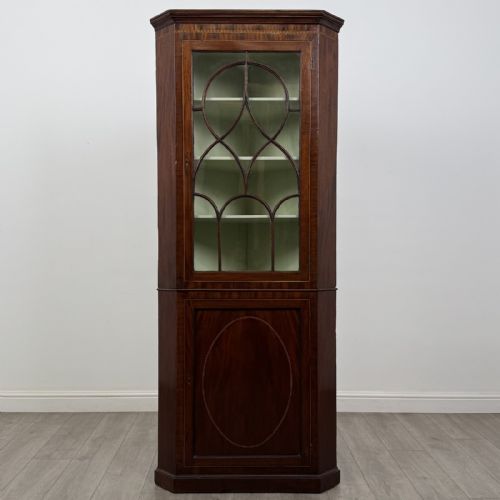
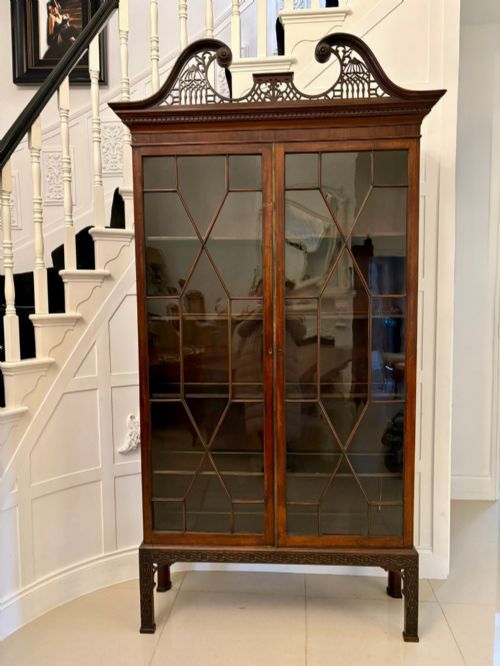
- Timber or metal bars holding small panes of glass within a cabinet door or bookcase front. This technique became popular during the Georgian period.
- Crossbanding
- A narrow strip of veneer laid perpendicularly to the surrounding grain around the border of a drawer front or table top. It provides a neat framing effect.
- Bureau bookcase
- A writing desk with a sloping flap that encloses pigeonholes and drawers, surmounted by a bookcase with glazed or panelled doors.
- Purdonium
- A specialised low cabinet designed specifically to hold household coal next to a fireplace. These appeared frequently around the turn of the twentieth century in oak.
- Breakfront
- A large cabinet or bookcase where the central section projects forward from the flanking outer sections. This architectural arrangement adds depth to large pieces.
Antique Wood Cabinet: Frequently Asked Questions
What defines an antique wood cabinet?
An antique wood cabinet is a piece of storage furniture made from timber at least a century ago, encompassing forms from simple oak cupboards to grand mahogany bookcases.
They reflect the domestic requirements and woodworking styles of periods ranging from the seventeenth century to the early twentieth century.
How do I identify the period of a cabinet?
Dating relies on observing timber choices, construction methods, and stylistic motifs such as Georgian serpentine fronts, Victorian carved oak, or Edwardian claw and ball feet.
Secondary evidence includes the presence of hand-cut dovetails, glass types, and brass hardware typical of specific eras.
Where were these cabinets used originally?
These pieces served various domestic spaces, from formal libraries and drawing rooms to bedrooms and dining areas, holding books, porcelain, linen, and cutlery.
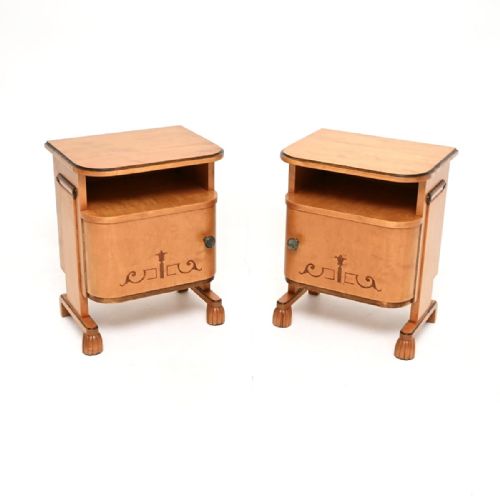
Smaller items like bedside tables and music cabinets were tailored for specific bedroom or parlour uses.
How should I care for an antique wood cabinet?
Protect antique timber by keeping cabinets away from direct heat sources and strong sunlight, which can dry out the wood and fade polished surfaces.
Regular dusting with a dry, soft cloth and occasional application of appropriate wax helps maintain the condition of the finish.