
Antique Wood Armoire
When you want an antique wood armoire, you seek a large storage piece that anchors a room with presence.
Antique Wood Armoire
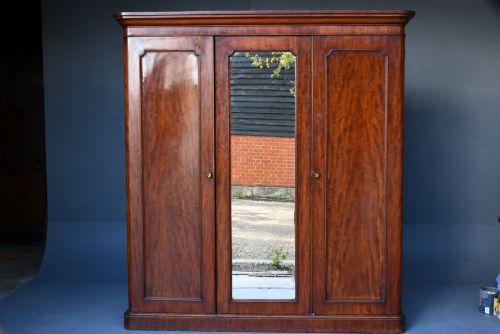
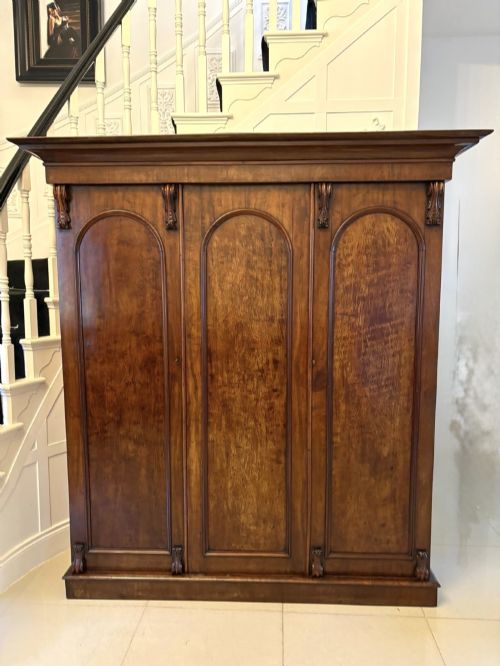
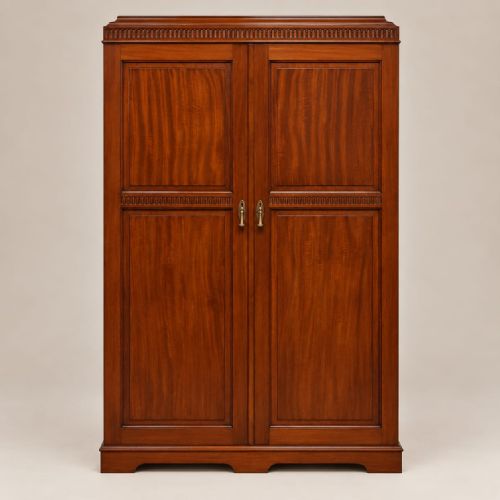
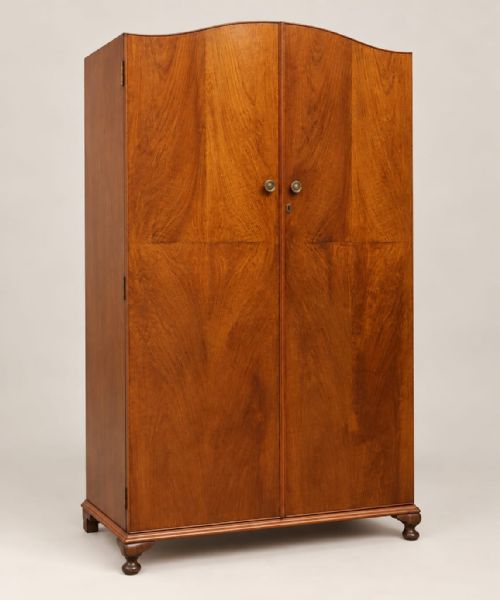
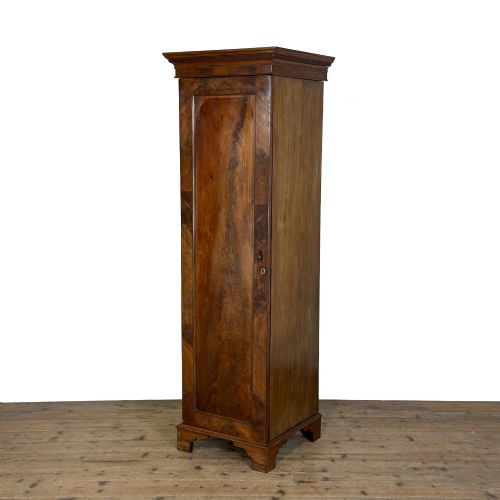
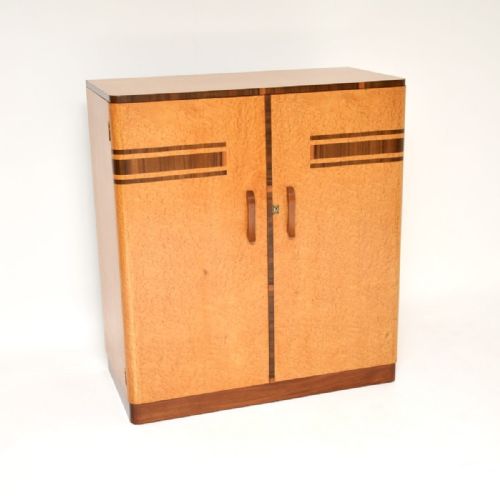
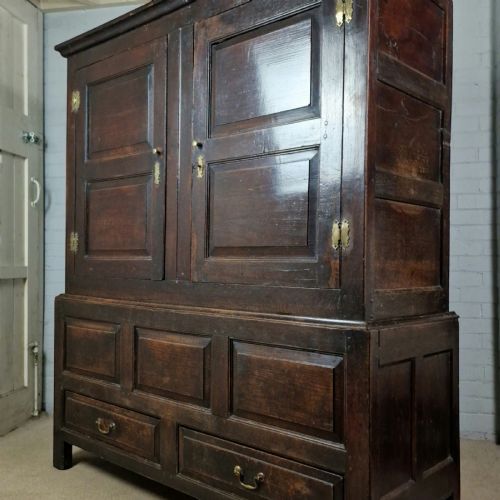
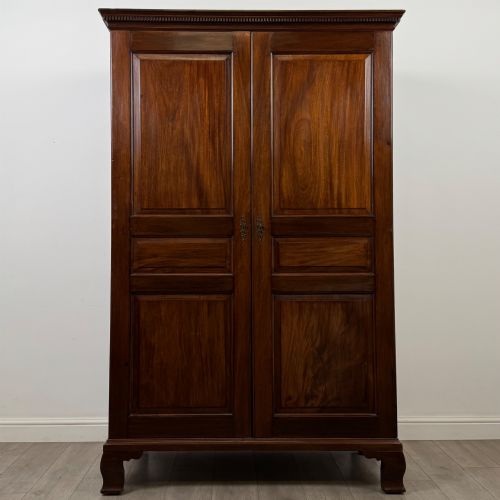
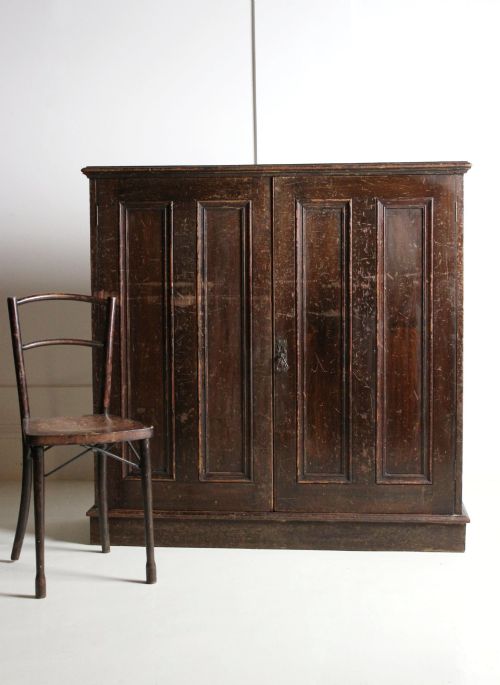
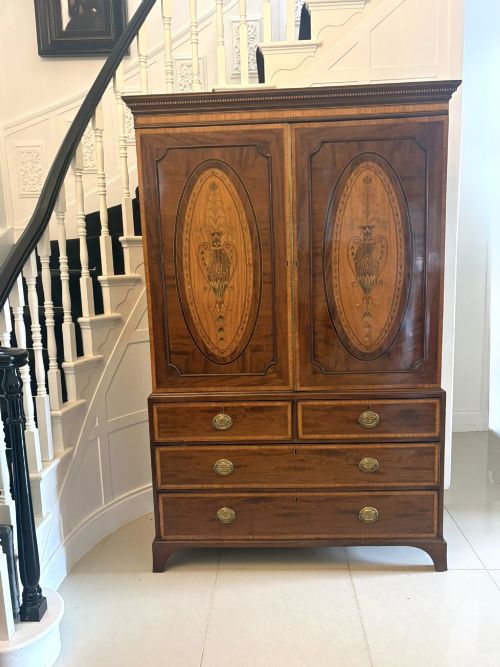
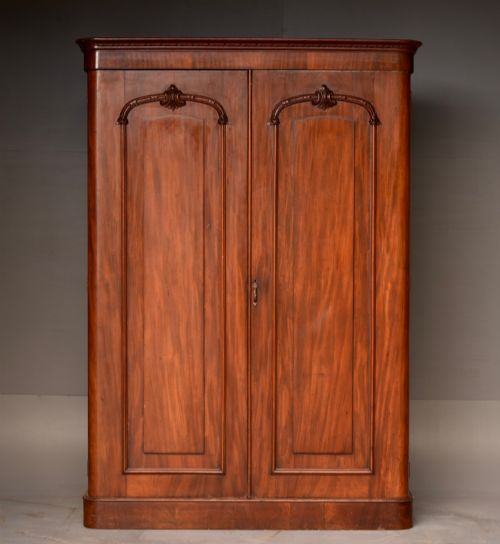
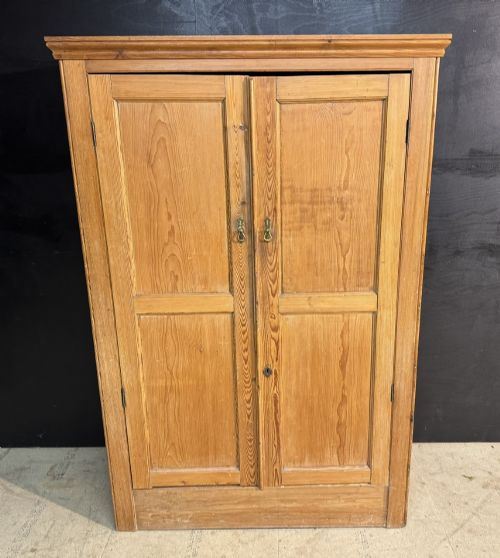
An antique wood armoire provides substantial hanging and shelving space inside domestic interiors, originating as a functional cabinet for garments and linens. Buyers searching for an antique wood armoire encounter forms spanning Georgian, Victorian, Edwardian, and Art Deco periods, created in timber and developed for housekeepers, bedrooms, and dressing rooms.
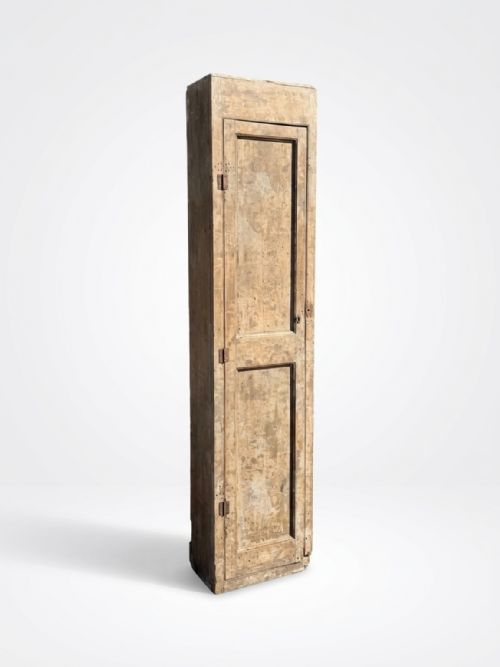
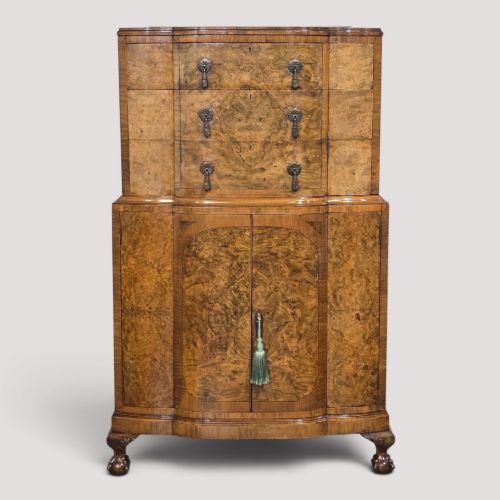
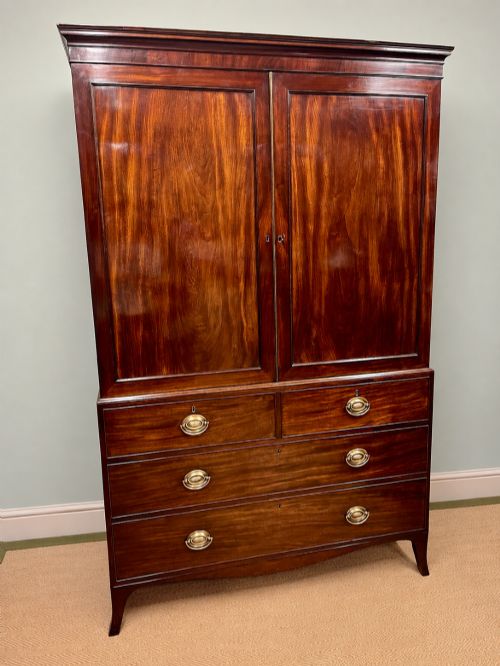
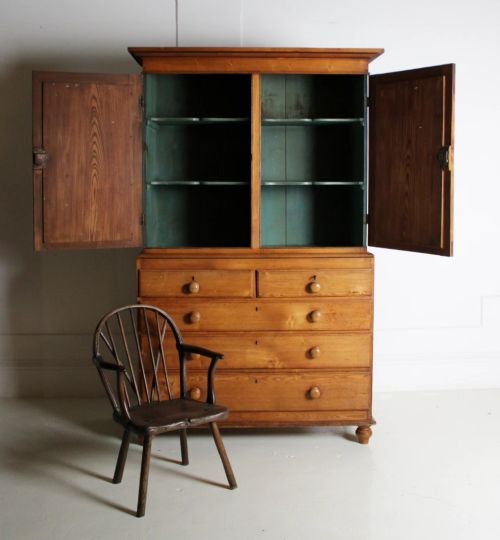
The pieces appearing on this page include linen presses, compactum wardrobes, housemaid cupboards, and corner robes alongside traditional double and triple door wardrobes. These items derive from English, French, and Spanish traditions, encompassing regional workshops and formal cabinet makers.
Makers utilised native and imported hardwoods to construct these storage cabinets, resulting in substantial timber bodies designed to dismantle or remain as fixed multi-part units. The survival of these large pieces demonstrates the durability of traditional joinery applied to domestic furniture.
What varies in quality
The standard of timber selection determines the visual impact of the piece, with figured grains, book-matched veneers, and uniform solid boards distinguishing high-status commissions from utilitarian workshop output. Construction integrity also separates production standards, visible in the precision of dovetail joints on internal drawers and the stability of large panel doors.
The refinement of internal fittings, such as sliding linen trays, compartmentalised drawers, and integrated hanging rails, reflects the original cost and purpose of the cabinet. Original hardware, functional locks with matching keys, and intact glass or mirrored panels preserve the historical integrity of the piece.
Listings feature timbers including mahogany, walnut, ash, pine, cherry, and fruitwoods across Georgian, Victorian, and Edwardian periods.
Maple & Co.·S & H Jewell
The Antique Wood Armoire Glossary
- Armoire
- A large standing wardrobe or cupboard with doors, traditionally used in continental Europe for storing clothes and textiles. The term encompasses various regional storage cabinets.
- Linen Press
- A tall piece of furniture featuring sliding shelves or trays in the upper section for linen storage, usually above a chest of drawers in the base. These forms date back to the Georgian era.
- Compactum
- A fitted wardrobe designed to hold multiple types of clothing efficiently, often combining hanging space, drawers, and shoe compartments in one unified unit. This form gained popularity during the Victorian and Edwardian periods.
- Knockdown
- A piece of furniture engineered to disassemble into distinct panels and sections for ease of transport and installation. This technique was essential for moving large wardrobes through domestic doorways.
- Satinwood Inlay
- A decorative technique utilising contrasting light yellow satinwood timbers set into recesses within a darker primary wood. This method created geometric or floral banding on the surfaces of late Georgian and Regency furniture.
Antique Wood Armoire: Frequently Asked Questions
Will an antique armoire fit through modern doorways?
Many period wardrobes feature knockdown construction, meaning the cornice, base, sides, and doors separate into individual panels that are bolted or pegged together during assembly. This engineering allows large storage pieces to be transported and built inside rooms with standard ceiling heights.
Buyers should verify whether a specific piece disassembles or remains fixed as a single solid unit before arranging delivery to upper floors.
How do I distinguish a Georgian press from a Victorian wardrobe?
Georgian pieces generally display architectural proportions with understated cornices, classical bracket feet, and finely figured mahogany or satinwood veneers. Victorian examples often feature bolder mouldings, plinth bases, arched panel doors, and mirrored glass fronts suited to larger bedrooms.
Examining the internal construction, such as hand-cut dovetails and timber thickness, helps confirm the manufacturing era.
What is the difference between a wardrobe and an armoire?
Historically, wardrobes were dedicated English pieces designed primarily for hanging garments on hooks or early rails, whereas armoires originated as continental European cupboards with adjustable internal shelving for folded textiles and linens. Over time, the terms have become largely interchangeable in the antique market.
Today, both describe tall timber storage furniture enclosing doors, regardless of their precise original interior layout.
Can I adjust the internal layout for modern clothes hangers?
Older wardrobes often feature deep timber shelves or shallow hanging depths designed for period garments rather than bulky modern coat hangers. Many pieces allow the insertion of contemporary brass rails or the adjustment of shelf supports without altering the historic fabric.
Consulting a professional restorer ensures that any internal modifications respect the structural integrity of the cabinet.